Nearly 60 percent of New Mexico voters oppose cuts to Medicaid
59 percent of New Mexico voters say the federal budget deficit reduction should not involve cutting Medicaid, according to a new poll commissioned by advocacy groups in the state. The Research and Polling, Inc. poll also found that 83 percent of surveyed New Mexico voters believe Medicaid, which provides government-funded health insurance for lower-income Americans, is an important program.
Jul 31, 2020181.8K Shares4.7M Views
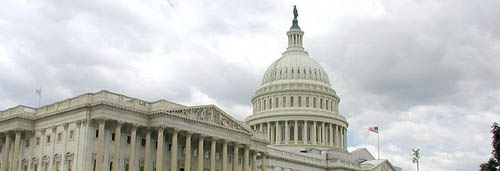
59 percent of New Mexico voters say the federal budget deficit reduction should not involve cutting Medicaid, according to a new poll commissioned by advocacy groups in the state.
The Research and Polling, Inc. poll also found that 83 percent of surveyed New Mexico voters believe Medicaid, which provides government-funded health insurance for lower-income Americans, is an important program.
The New Mexico Business Weekly reports:
“„Nearly 560,000 New Mexicans, or about a quarter of the state’s population, are on Medicaid. That includes 461,200 residents aged 21 and younger.
“„The total cost for the state’s program is $3.74 billion a year. Of that, $2.6 billion comes from the federal government and $1.1 billion from the state’s general fund.
“„Between 1990 and 2009, spending for New Mexico’s Medicaid program grew by an average of 12 percent, according to the Kaiser Family Foundation.
New Mexicans aren’t alone in their support for Medicaid, which is one of the most popular government programs in the United States. A Bloomberg News national pollfound that only 21 percent of Americans favor cutting Medicaid after it has been identified as “government help for medical care for low-income people”, while 76 percent oppose.
The Bloomberg poll also found that cutting Medicaid was less popular than repealing all recent tax cuts, reducing Social Security benefits by slowing cost-of-living increases, raising the retirement age, eliminating all federal income tax deductions, cutting defense spending, or increasing Medicare co-pays.
The extent to which Medicaid will be cut in order to reduce the deficit is currently at the center of the negotiations between congressional Republicans and Democrats on the Joint Select Committee on Deficit Reduction created by the debt ceiling increase passed in August. A recent proposalfrom Republican committee members would cut Medicaid by $185 billion over the next ten years, and a Democratic proposal would cut $75 billion.
Medicaid would largely be spared if the committee fails to reach an agreement by the November 23 deadline. At that point, large cuts to Medicare providers and defense spending would kick in to make up most of the total amount of medium-term deficit reduction required by the debt ceiling increase, assuming Congress does not step in to extend the deadline.

Dexter Cooke
Reviewer
Dexter Cooke is an economist, marketing strategist, and orthopedic surgeon with over 20 years of experience crafting compelling narratives that resonate worldwide.
He holds a Journalism degree from Columbia University, an Economics background from Yale University, and a medical degree with a postdoctoral fellowship in orthopedic medicine from the Medical University of South Carolina.
Dexter’s insights into media, economics, and marketing shine through his prolific contributions to respected publications and advisory roles for influential organizations.
As an orthopedic surgeon specializing in minimally invasive knee replacement surgery and laparoscopic procedures, Dexter prioritizes patient care above all.
Outside his professional pursuits, Dexter enjoys collecting vintage watches, studying ancient civilizations, learning about astronomy, and participating in charity runs.
Latest Articles
Popular Articles