‘Anatomy Of A Fall’ Wins Palme D’Or At The 76th Cannes Film Festival
Justine Triet ‘Anatomy of a Fall’ wins Palme d’Or at the 76th Cannes Film Festival on Saturday. This is the festival's most important award. "Anatomy of a Fall" is a twisty courtroom drama set in the French Alps.
Author:Camilo WoodReviewer:Dexter CookeMay 28, 202315.1K Shares1M Views
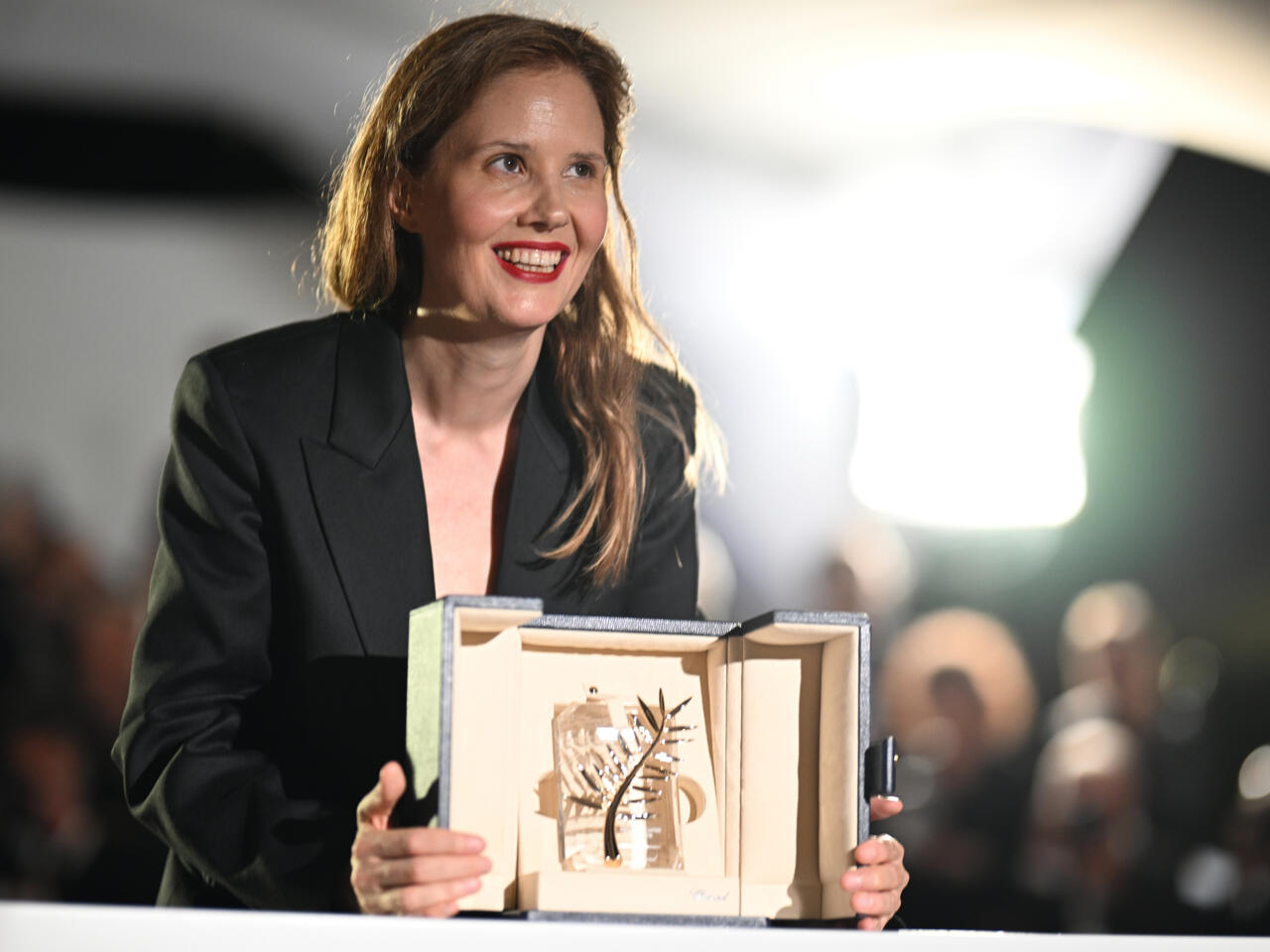
Justine Triet'sAnatomy of a Fall’ wins Palme d’Orat the 76th Cannes Film Festival on Saturday. This is the festival's most important award. "Anatomy of a Fall" is a twisty courtroom drama set in the French Alps.
"Anatomy of a Fall" is only the third movie ever to win the Palme d'Or and be directed by a woman. Sandra Hüller plays a writer who is trying to show that she did not kill her husband. The second prize, the Grand Prix, went to Jonathan Glazer's "The Zone of Interest," a chilling Martin Amis remake about a German family who lives next door to Auschwitz.
Justine Triet ‘Anatomy Of A Fall’ Wins Palme D’Or
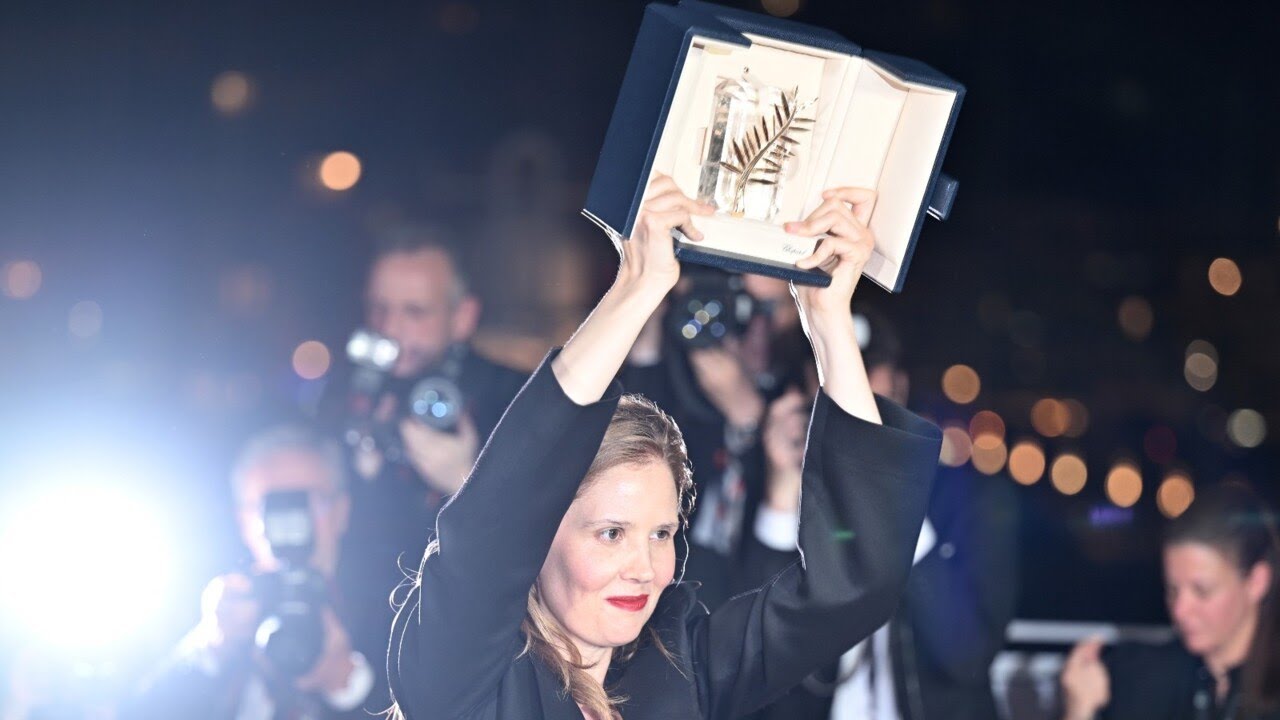
French film ‘Anatomy of a Fall’ wins Cannes Film Festival
Anatomy of a Fall by Justine Triet won the Palme d'Or at the 76th Cannes Film Festival. The ceremony, which took place on Saturday, gave the festival's most coveted award to a gripping French courtroom drama that puts marriage on trial.
Anatomy of a Fall, starring Sandra Hüller as a writer trying to show she didn't kill her husband, is only the third movie ever to win the Palme d'Or and be directed by a woman. Julia Ducournau, who was one of the two winners the year before, was on this year's jury.
The Grand Prix, which is the second prize, went to Jonathan Glazer's The Zone of Interest, a chilling Martin Amis remake about a German family who lives next door to Auschwitz. In that movie, Hüller also has a role.
The winners were chosen by a panel led by Ruben Ostlund, a Swedish director who has won the Palme twice, most recently for Triangle of Sadness. Before the Pixar animation Elemental, which was the last picture of the festival, there was a ceremony.
With the award for Anatomy of a Fall, the independent producer Neon has won the Palme for the fourth time in a row. After the film's screening at Cannes, Neon bought it. It also helped Triangle of Sadness, Ducournau's Titane, and Bong Joon Ho's Parasite win best picture at the Oscars.
Triet's second film in Competition, after the 2019 dark comedy Sibyl, is a gripping story about a writer who has to defend herself in court when she becomes the main suspect in her husband's'murder'. The movie changes from a procedural to a courtroom drama. It does a lot of the usual things for the genre, but Triet and Sandra Hüller, who plays the main character, make the drama interesting the whole time. We knew it wouldn't leave without something, but we didn't think it would win the big prize.
Triet talked about French President Macron's controversial pension change when she accepted the Palme d'Or. She also used her speech to criticize the French government's "shocking" way of dealing with pension protests. She said:
“„The country suffered from historic protests over the reform of the pension system. These protests were denied … repressed in a shocking way.
She also said that:
“„Commercialisation of culture that this neoliberal government supports is in the process of breaking France’s cultural exception, without which I wouldn’t be here today.
She then gave the prize to all young directors who can't make their films in a culture that is now more hostile to young talent. Rima Abdul Malak, the French minister of culture, said on Twitter that:
“„This film would not have seen the light of day without our French model of financing cinema, which allows a diversity that is unique in the world. Let’s not forget it.- Rima Abdul Malak
Conclusion
The Palme d'Or at the 76th Cannes Film Festival went to a tense courtroom drama about a writer who is accused of killing her husband. This capped off a great year for female directors. Anatomy of a Fall, a tense and cold thriller by French director Justine Triet, won the top prize at the festival on Saturday. German actress Sandra Hueller gave a strong performance in the film, which was led by Triet.
Hueller was also in The Zone of Interest, which won the runner-up Grand Prix. It was one of the most shocking films in the competition because it showed the private life of a Nazi family at Auschwitz.
Camilo Wood
Author
Camilo Wood has over two decades of experience as a writer and journalist, specializing in finance and economics. With a degree in Economics and a background in financial research and analysis, Camilo brings a wealth of knowledge and expertise to his writing.
Throughout his career, Camilo has contributed to numerous publications, covering a wide range of topics such as global economic trends, investment strategies, and market analysis. His articles are recognized for their insightful analysis and clear explanations, making complex financial concepts accessible to readers.
Camilo's experience includes working in roles related to financial reporting, analysis, and commentary, allowing him to provide readers with accurate and trustworthy information. His dedication to journalistic integrity and commitment to delivering high-quality content make him a trusted voice in the fields of finance and journalism.
Dexter Cooke
Reviewer
Dexter Cooke is an economist, marketing strategist, and orthopedic surgeon with over 20 years of experience crafting compelling narratives that resonate worldwide.
He holds a Journalism degree from Columbia University, an Economics background from Yale University, and a medical degree with a postdoctoral fellowship in orthopedic medicine from the Medical University of South Carolina.
Dexter’s insights into media, economics, and marketing shine through his prolific contributions to respected publications and advisory roles for influential organizations.
As an orthopedic surgeon specializing in minimally invasive knee replacement surgery and laparoscopic procedures, Dexter prioritizes patient care above all.
Outside his professional pursuits, Dexter enjoys collecting vintage watches, studying ancient civilizations, learning about astronomy, and participating in charity runs.
Latest Articles
Popular Articles