Attempted Relative Import With No Known Parent Package
If you are a Python developer, chances are you have come across the error message "attempted relative import with no known parent package." This error message can be confusing, especially for new developers. Read on to learn about the meaning of the error message and how to fix it.
Author:Gordon DickersonReviewer:Tyreece BauerApr 27, 202348.7K Shares920.3K Views

If you are a Python developer, chances are you have come across the error message "attempted relative import with no known parent package." This error message can be confusing, especially for new developers. Read on to learn about the meaning of the error message and how to fix it.
Understanding The Import Mechanism In Python
In Python, the import statement is used to load modules, which are collections of functions, variables, and classes that can be used in a Python program. When you import a module, Python looks for the module in a number of places, including the built-in modules, the directories in sys.path, and any paths specified in the PYTHONPATH environment variable.
The import mechanism in Python is flexible and powerful, allowing developers to organize their code into reusable modules and packages. However, it can also be complex, especially when dealing with import errors or circular dependencies.
To understand the import mechanism in Python, it's important to understand the difference between a module and a package. A module is a single file containing Python code, while a package is a directory that contains one or more modules, as well as a special __init__.py file that defines the package's behavior.
When you import a module or package in Python, the interpreter searches for the module or package in the directories listed in sys.path. If the module or package is found, it is loaded into memory and its contents can be accessed using the dot notation.
If the module or package cannot be found, a ModuleNotFoundError or an ImportError is raised. This can happen if the module or package is not installed or if the module or package is not located in a directory listed in sys.path.
What Is Relative Import?
Before we dive into the "attempted relative import with no known parent package" error, let's first understand what relative import means. Relative import is a way of importing a module that is relative to the current module.
In Python, we use the import statement to import modules. For example, suppose we have two modules, module1.py and module2.py, and we want to import module2.py into module1.py. We can use the following import statement:
- from module2 import some_function
This is an example of an absolute import. The from keyword tells Python to import the some_function function from the module2 module.
Now, let's suppose that module1.py and module2.py are in the same package, and we want to import module2.py from module1.py using a relative import. We can use the following import statement:
- from . import module2
This is an example of a relative import. The ‘.’ represents the current package, and module2 is the module we want to import.
What Is The "Attempted Relative Import With No Known Parent Package" Error?
Now that we know what relative import means let's discuss the "attempted relative import with no known parent package" error.
This error occurs when you try to use a relative import, but Python cannot determine the parent package. In other words, Python does not know where to start looking for the module you are trying to import.
Let's look at an example. Suppose we have the following directory structure:
- my_package/
- |-- __init__.py
- |-- module1.py
- |-- subpackage/
- |-- __init__.py
- |-- module2.py
In this example, my_package is the parent package, module1.py is a module in the parent package, subpackage is a subpackage in the parent package, and module2.py is a module in the subpackage.
Now, let's suppose we want to import module2.py into module1.py using a relative import. We can use the following import statement:
- from ..subpackage import module2
This statement tells Python to go up one level in the package hierarchy and then look for the subpackage module. However, if we try to run module1.py, we will get the "attempted relative import with no known parent package" error.
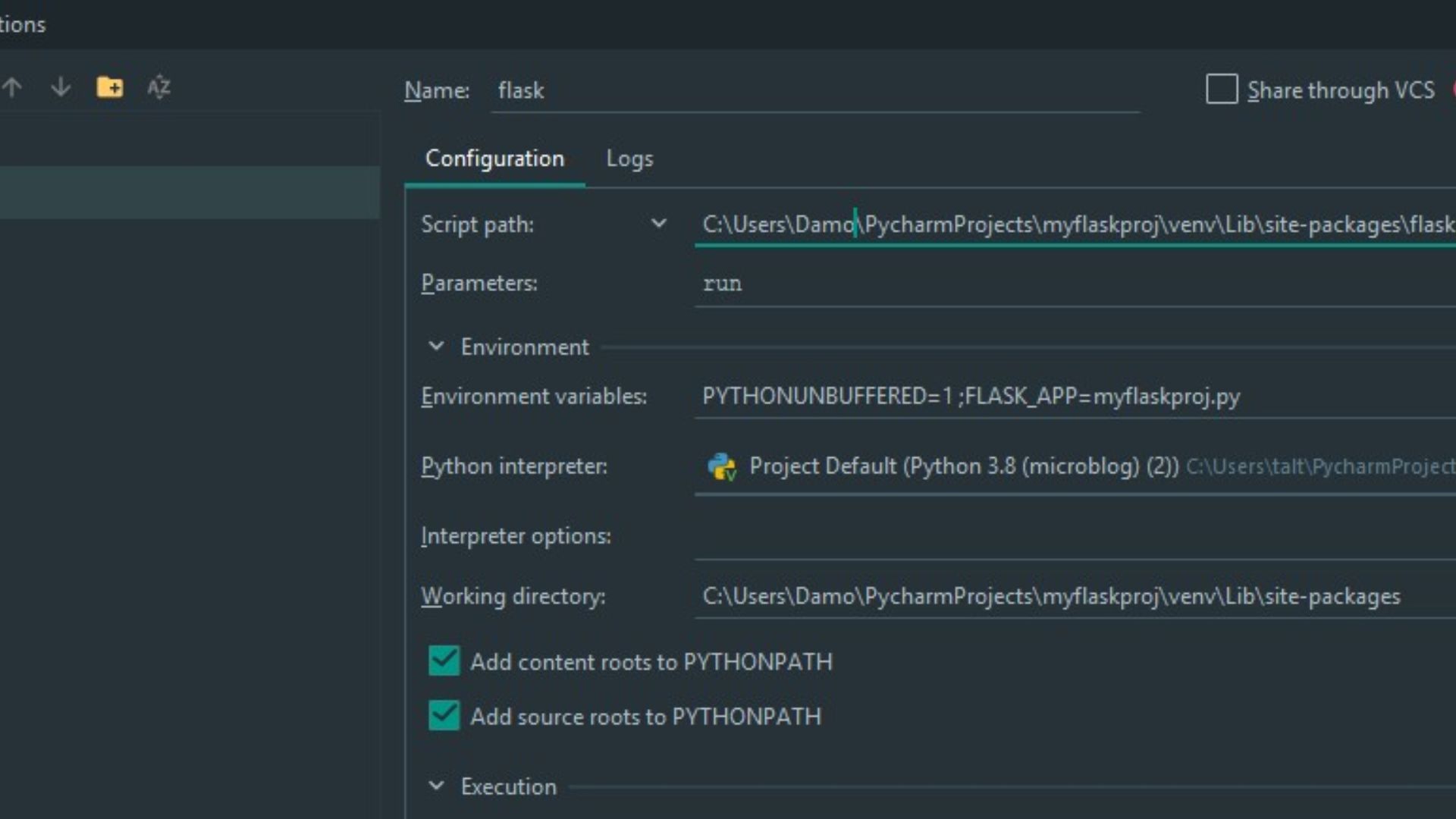
How To Fix The "Attempted Relative Import With No Known Parent Package" Error?
Now that we understand the "attempted relative import with no known parent package" error let's discuss how to fix it.
Add The Parent Package To SYS.Path
The first solution is to add the parent package to the sys.path. ‘sys.path’ is a list of directories that Python searches when trying to import a module.
We can add the parent package to sys.path by adding the following code to the beginning of the script:
- import sys
- import os
- sys.path.append(os.path.abspath(os.path.join(os.path.dirname(__file__), '..')))
This code adds the parent directory of the current file to the sys.path. The os.path.dirname(__file__) function gets the directory name of the current file,os.path.join() joins the current file directory with its parent directory, and os.path.abspath() gets the absolute path of the parent directory. Finally, we append the absolute path to sys.path.
Use Absolute Import
The second solution is to use an absolute import instead of a relative import. An absolute import specifies the full path of the module to be imported.
For example, instead of using the relative import statement:
- from ..subpackage import module2
We can use the absolute import statement:
- from my_package.subpackage import module2
This statement specifies the full path of the module2 module to be imported.
Rename The Parent Package
The third solution is to rename the parent package. If the name of the parent package is causing conflicts, renaming it may solve the problem.
For example, if the parent package is named numpy, which conflicts with the popular NumPy library, we can rename the package to my_numpy.
Use Relative Import With Parent Package
The fourth solution is to use a relative import with the parent package. Instead of using the '.' symbol to represent the current package, we can use the parent package name.
For example, instead of using the relative import statement:
- from ..subpackage import module2
We can use the following relative import statement with the parent package name:
- from my_package.subpackage import module2
How To Structure Packages And Modules In Python?
Organizing your code into modules and packages is an essential part of Python development. A well-organized project structure makes it easier to maintain and extend your code and allows you to reuse code across multiple projects.
In Python, a module is a single file containing Python code, while a package is a directory that contains one or more modules, as well as a special __init__.py file that defines the package's behavior.
To structure your packages and modules in Python, it's important to follow the best practices recommended by the Python community. Here are some guidelines to follow:
- Use descriptive and meaningful names for your modules and packages.
- Use a consistent naming convention, such as lowercase with underscores or CamelCase, for your modules and packages.
- Place your modules and packages in a directory hierarchy that reflects their relationships and dependencies.
- Use the __init__.py file to define the behavior of your package, such as importing modules, defining global variables, and setting up the package's environment.
- Use relative imports to import modules within a package, and use absolute imports to import modules outside of the package.
By following these guidelines, you can create a clear and organized project structure that makes it easy to understand and extend your code.
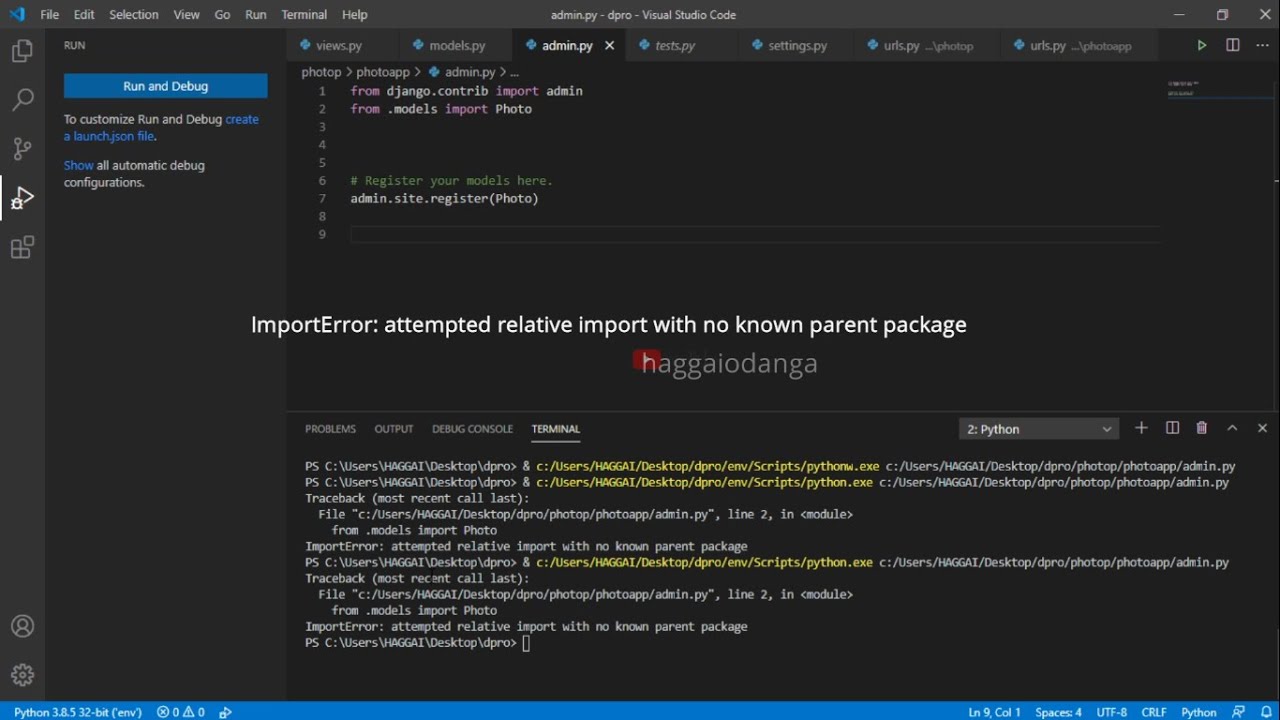
ImportError: attempted relative import with no known parent package- no module 'model'
How To Use Third-Party Libraries In Python Projects?
Third-party libraries are a key part of the Python ecosystem, providing developers with a wide range of tools and functionality to use in their projects. Using third-party libraries can save you time and effort, and allow you to focus on your core functionality.
To use third-party libraries in your Python projects, you first need to install the libraries using a package manager such as pip. Once the library is installed, you can import it into your Python code and use its functions, classes, and variables.
When selecting third-party libraries to use in your projects, it's important to consider factors such as the library's functionality, stability, documentation, and community support. You should also check for compatibility with your Python version and any other libraries you are using.
To ensure that your project remains maintainable and up-to-date, it's important to keep track of the libraries you are using and their dependencies. You can use tools like pipenv or conda to manage your Python environments and dependencies.
People Also Ask
How Can You Contribute To Open-Source Projects In Python?
You can submit bug reports, feature requests, or code contributions to open-source projects in Python.
What Is The Purpose Of A Package Index In Python?
A package index, such as PyPI or conda-forge, allows developers to distribute and share their Python packages with others.
What Is The Purpose Of A Virtual Environment In Python?
A virtual environment allows developers to isolate their Python environment and dependencies from other projects and system-level packages.
Conclusion
We have discussed the meaning of the "attempted relative import with no known parent package" error in this article, which occurs when you try to use a relative import, but Python cannot determine the parent package.
We also discussed several solutions to fix this error, including adding the parent package to sys.path, using an absolute import, renaming the parent package, and using a relative import with the parent package name.
If you encounter this error, don't panic! Try these solutions, and you will be back to coding in no time. Remember, the key to becoming a good developer is to understand and solve errors efficiently.
Jump to
Understanding The Import Mechanism In Python
What Is Relative Import?
What Is The "Attempted Relative Import With No Known Parent Package" Error?
How To Fix The "Attempted Relative Import With No Known Parent Package" Error?
How To Structure Packages And Modules In Python?
How To Use Third-Party Libraries In Python Projects?
People Also Ask
Conclusion

Gordon Dickerson
Author
Gordon Dickerson, a visionary in Crypto, NFT, and Web3, brings over 10 years of expertise in blockchain technology.
With a Bachelor's in Computer Science from MIT and a Master's from Stanford, Gordon's strategic leadership has been instrumental in shaping global blockchain adoption. His commitment to inclusivity fosters a diverse ecosystem.
In his spare time, Gordon enjoys gourmet cooking, cycling, stargazing as an amateur astronomer, and exploring non-fiction literature.
His blend of expertise, credibility, and genuine passion for innovation makes him a trusted authority in decentralized technologies, driving impactful change with a personal touch.

Tyreece Bauer
Reviewer
A trendsetter in the world of digital nomad living, Tyreece Bauer excels in Travel and Cybersecurity. He holds a Bachelor's degree in Computer Science from MIT (Massachusetts Institute of Technology) and is a certified Cybersecurity professional.
As a Digital Nomad, he combines his passion for exploring new destinations with his expertise in ensuring digital security on the go. Tyreece's background includes extensive experience in travel technology, data privacy, and risk management in the travel industry.
He is known for his innovative approach to securing digital systems and protecting sensitive information for travelers and travel companies alike. Tyreece's expertise in cybersecurity for mobile apps, IoT devices, and remote work environments makes him a trusted advisor in the digital nomad community.
Tyreece enjoys documenting his adventures, sharing insights on staying secure while traveling and contributing to the digital nomad lifestyle community.
Latest Articles
Popular Articles