Best Time To Visit Washington DC By Month - Weather & Crowds
Find the best time to visit Washington DC by month based on weather, crowds, and travel tips so you can plan your trip with confidence.
Author:Karan EmeryReviewer:Iram MartinsApr 29, 2026340 Shares6K Views
Picking The Right Month To Visit Washington DC
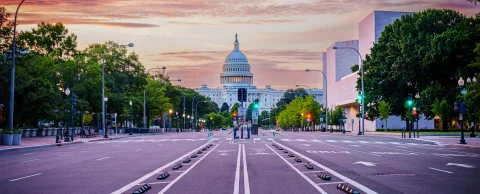
Choosing the best time to visit Washington DC by monthcan make or break your trip. One visit could mean quiet walks along the National Mall; another could mean heavy crowds during cherry blossom season.
For most travelers, the best choices are simple: April for cherry blossoms and October for the best mix of weather and crowds.
But the right month depends on what matters most to you: fewer people, better weather, or lower prices. Timing also shifts each year slightly, especially in spring, so it helps to plan with flexibility.
Quick Answer Box
What’s the Best Month to Visit Washington DC?
If you want a simple answer:
- Best overall: October (great weather, moderate crowds)
- Best for cherry blossoms: Late March to early April
- Best weather: May and October
- Best for fewer crowds: January and February
- Cheapest time: January and February
If you’re unsure, go in October. If you want the most iconic experience, choose early April but expect crowds.
January-February: Quiet, Affordable, And Museum-Focused
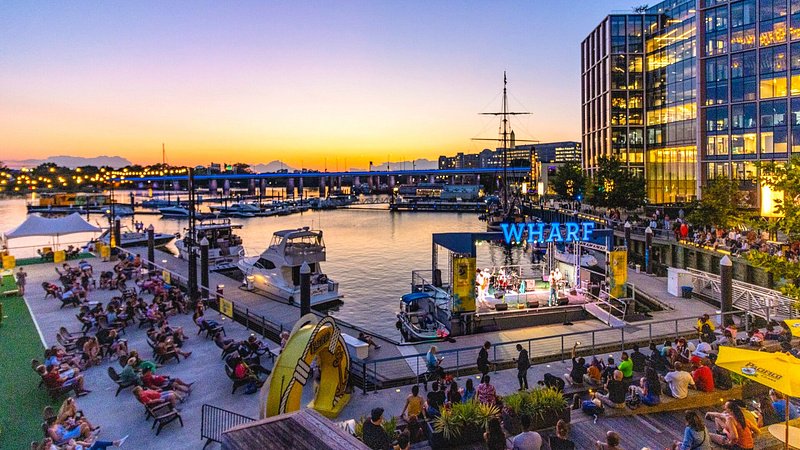
This is the slowest time of year in Washington, DC. Visitor numbers drop after the holidays, which means you can move around the city much more easily.
You’ll notice the difference right away: shorter lines at Smithsonian museums, easier access to major landmarks, and more flexibility in your daily plans.
- Weather:Cold, often between 30-45°F (-1 to 7°C), with occasional snow
- Crowds:Lowest of the year
- Prices:Typically the cheapest for hotels
The main trade-off is comfort. Walking long distances between monuments can feel tiring in cold or windy conditions. However, this is one of the best times if your trip is centered around indoor attractions like museums, galleries, and government buildings.
Best for:Budget travelers, solo visitors, and anyone who prefers a calm, uncrowded experience
March-April: Cherry Blossoms, Peak Energy, And Heavy Crowds
Spring is the most popular time to visit Washington, DC, and for good reason. The cherry blossoms transform the city, especially around the Tidal Basin, creating one of the most recognizable seasonal events in the United States.
During this period, the city feels more vibrant. Outdoor spaces are busy, events increase, and the overall atmosphere becomes more lively.
- Weather:Cool to mild, improving through April (40-70°F / 4-21°C)
- Crowds:Very high, especially during peak bloom
- Prices:High, with limited availability during peak weeks
However, the biggest factor here is crowd density. During peak bloom, popular areas like the Lincoln Memorial and Tidal Basin can become congested, especially from late morning through afternoon.
If you want the spring experience without the intensity, late April is often a better choice. You’ll still get mild weather, but with slightly fewer visitors.
Best for:First-time visitors, photographers, and travelers who want the classic DC experience
May-June: Comfortable Weather And Balanced Travel Conditions
Late spring is one of the most practical times to visit Washington, DC. You get the benefits of good weather without the peak pressure of cherry blossom season.
Walking around the city is easier and more enjoyable during this time. You can spend longer hours outdoors without feeling rushed or uncomfortable.
- Weather:Warm and pleasant (60-80°F / 16-27°C)
- Crowds:Moderate, especially in May
- Prices:Moderate
May stands out as one of the most balanced months. June is still good, but it starts to feel busier as summer travel increases and humidity begins to rise.
This is the kind of timing that works well if you want to explore multiple neighborhoods, monuments, and museums at a steady pace without adjusting your day too much around weather or crowds.
Best for:Sightseeing, walking tours, and first-time visitors who want a smooth experience
July-August: High Heat, Flexible Planning Required
Summer in Washington, DC, is active, but physically demanding if you’re not prepared. The combination of heat and humidity can make long outdoor days tiring.
The city remains busy, especially with families and domestic travelers, but how enjoyable your trip feels depends heavily on how you structure your day.
- Weather:Hot and humid (80-95°F / 27-35°C), often feels hotter
- Crowds:Moderate to high
- Prices:Vary, sometimes slightly lower than spring
A common experience: mornings are comfortable, but afternoons become draining if you’re outside too long. This is why experienced travelers adjust their schedules to outdoor sightseeing early, indoor museums during peak heat, and activities again in the evening.
If you ignore the heat, the trip can feel exhausting. If you plan around it, it can still be enjoyable.
Best for:Travelers who don’t mind heat, flexible itineraries, and museum-heavy trips
September-October: Best Overall Experience For Most Travelers
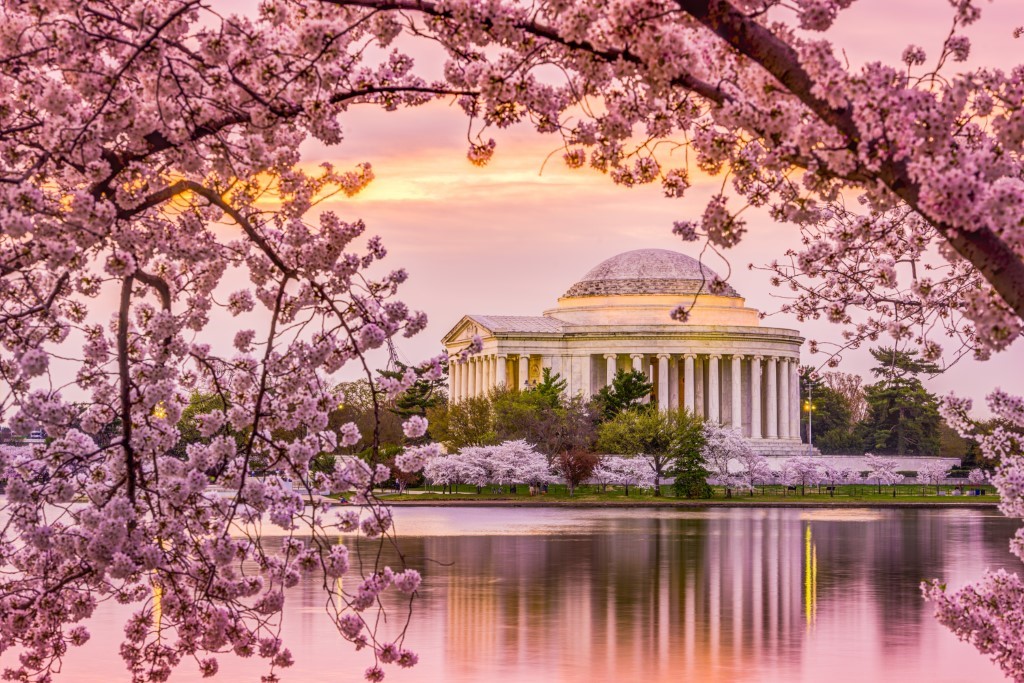
This is the most reliable time to visit Washington, DC. The weather becomes more comfortable, humidity drops, and the city feels easier to navigate.
By this point, peak summer crowds have eased, but the city remains active with events and local life.
- Weather:Mild and comfortable (55-75°F / 13-24°C)
- Crowds:Moderate
- Prices:Moderate
October is especially strong. You can walk long distances without discomfort, spend more time outdoors, and explore at a relaxed pace.
Another advantage is consistency, unlike spring, where timing is tied to short seasonal events, fall offers a stable and predictable experience.
A typical day in October feels balanced: manageable crowds, comfortable weather, and enough activity without feeling overwhelming.
Best for:Most travelers, couples, first-time visits, and anyone wanting the easiest overall experience
November-December: Slower Pace With Seasonal Atmosphere
These months offer a quieter version of Washington, DC. Tourist numbers drop compared to spring and summer, making it easier to explore the city at your own pace.
November feels calm and transitional, while December brings a more festive atmosphere with seasonal decorations and events.
- Weather:Cool to cold (40-60°F / 4-16°C)
- Crowds:Low to moderate
- Prices:Moderate
This period works well if you want a less crowded, more relaxed visit, without going fully into winter conditions like January.
You won’t get peak seasonal highlights like cherry blossoms or fall foliage, but you will get a more comfortable and flexible travel experience. It’s also a great time to explore quieter, more atmospheric spots around the city, including some of the historic and haunted places in Washington DC.
Best for:Repeat visitors, relaxed trips, and travelers who prefer fewer crowds without extreme weather
Best Season To Visit Washington DC
Spring (March-May): Most Popular And Most Iconic
Spring is widely considered the best season to visit Washington, DC, mainly because of the cherry blossoms and mild weather.
The city feels more alive during this time. Parks are full, outdoor spaces are active, and the overall atmosphere is vibrant. Walking between monuments, museums, and neighborhoods is comfortable, especially in April and May.
However, this popularity comes with a trade-off. Crowds peak during cherry blossom season, especially around the Tidal Basin and National Mall. Hotels also book quickly during this period.
What to expect:
- Mild temperatures and comfortable walking conditions
- Peak bloom draws large crowds for a short window
- Higher hotel demand and limited availability
Best for:First-time visitors, photographers, and anyone who wants the classic DC experience
Summer (June-August): Busy And Hot
Summer brings long days, extended sightseeing hours, and a full schedule of events. The city stays active, and many travelers, especially families, visit during this time.
The challenge is the heat and humidity, which can make outdoor sightseeing uncomfortable, especially in the afternoon.
A typical day often requires adjusting your schedule: outdoor activities in the morning, indoor museums during peak heat, and exploring again in the evening.
What to expect:
- Hot, humid weather
- Steady crowds, especially in July
- Longer daylight hours for sightseeing
Best for:Travelers who don’t mind heat and can plan flexible, indoor-outdoor itineraries
Fall (September-November): Best Overall Balance
Fall is often the best season for most travelers. The weather becomes cooler, the humidity drops, and the city is easier to explore.
Crowds are more manageable compared to spring, and you still get a lively atmosphere with events and local activity. Walking around the National Mall or exploring neighborhoods feels more relaxed and comfortable.
October stands out as the strongest month in this season due to its consistent weather and overall ease of travel.
What to expect:
- Cool, comfortable temperatures
- Moderate crowds
- A more relaxed pace compared to spring
Best for:Most travelers, couples, and anyone looking for a smooth, stress-free trip
Winter (December-February): Quiet And Budget-Friendly
Winter is the least crowded season in Washington, DC. The city slows down, making it easier to explore museums, monuments, and major attractions without long waits.
The downside is the cold weather, which can limit how long you spend outdoors. However, DC is one of the best cities for indoor attractions, so this is less of a problem if you plan your itinerary well.
Hotel prices are often lower during this time, making it a good option for budget-conscious travelers.
What to expect:
- Cold weather with occasional snow
- Lowest crowd levels
- Better chances of lower hotel prices
Best for:Budget travelers, museum-focused trips, and visitors who prefer a quieter experience
Washington DC Weather By Season
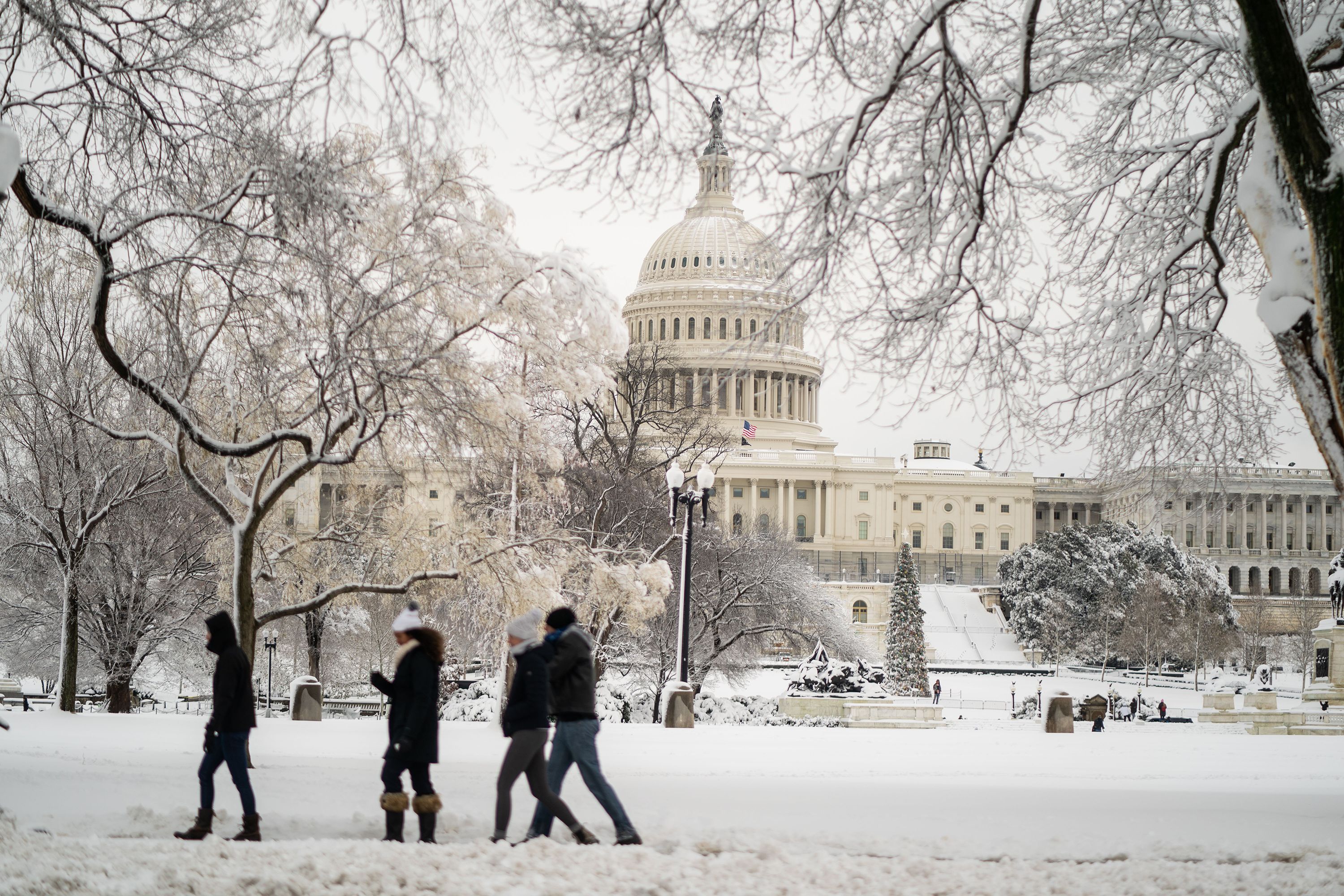
Weather has a direct impact on how comfortable it is to explore Washington, DC, especially since most attractions involve walking.
- Spring (March-May): Spring temperatures are typically mild, with cool mornings and pleasant afternoons. Rain showers are possible, but usually short, and conditions improve steadily toward May.
- Summer (June-August): Summer is hot and humid, with high temperatures and occasional thunderstorms. The heat can feel intense during the afternoon, making breaks and indoor activities important.
- Fall (September-November): Fall brings mild temperatures, low humidity, and stable conditions. Mornings are crisp, afternoons are comfortable, and it’s the easiest season for walking and sightseeing.
- Winter (December-February): Winter temperatures are cold, with occasional wind and light snow. Conditions are manageable with warm clothing, but outdoor time is usually shorter.
Best Time To Visit Washington DC For Sightseeing
If your main goal is sightseeing, walking the National Mall, visiting monuments, and exploring museums, the best time to visit Washington, DC is when the weather is comfortable and crowds are manageable. It also helps to plan ahead and know what to do in Washington DCso you can make the most of your time.
For most travelers, May and October are the best months for sightseeing.
Why May And October Are The Best
Sightseeing in DC involves a lot of walking. The distance between landmarks like the Lincoln Memorial, Washington Monument, and Capitol is larger than many people expect.
In May and October, conditions are ideal:
- Mild temperatures make long walks comfortable
- Lower humidity means you won’t feel drained
- Moderate crowds make it easier to move around and enjoy each stop
This allows you to explore more in a single day without needing long breaks or adjusting your schedule too much.
Spring Sightseeing (Late March-April): Beautiful But Crowded
Spring offers some of the most scenic views in the city, especially during cherry blossom season. The monuments and parks look their best, and the atmosphere feels lively.
However, this comes with a trade-off:
- Popular areas like the Tidal Basin can get very crowded
- Photo spots fill up quickly
- Moving between attractions can take longer
A typical experience: early morning is peaceful, but by midday, the main sightseeing areas become busy.
Best approach:Visit early in the morning or later in the evening to avoid peak crowds.
Summer Sightseeing (June-August): Plan Around The Heat
Sightseeing is still possible in summer, but it requires planning. The heat and humidity can make long outdoor walks uncomfortable, especially in the afternoon.
To make the most of it:
- Visit monuments early in the morning
- Spend midday in indoor attractions like museums
- Continue exploring in the evening
Without this adjustment, sightseeing can feel tiring quickly.
Winter Sightseeing (December-February): Easy But Limited
Winter makes sightseeing easier in terms of crowds but harder in terms of comfort.
- You’ll find shorter lines and open space around major landmarks
- But cold temperatures can limit how long you stay outdoors
This works best if you:
- Focus more on museums
- Plan shorter outdoor visits
Best Time To Visit Washington DC For Events And Festivals
Spring (Late March-April): Biggest And Most Famous Events
Spring is the peak season for major events in Washington, DC. This is when the city hosts its most recognizable festival, the National Cherry Blossom Festival,along with parades, cultural events, and outdoor celebrations.
During this time, the city feels busy and energetic. Public spaces are filled with activity, and there’s always something happening around the National Mall and nearby areas.
- Key highlights:Cherry Blossom Festival, parades, outdoor events
- Atmosphere:Lively and crowded
- Crowds:Very high
This is the best time if you want to experience DC at its most iconic, but expect large crowds and higher demand for hotels.
Best for:First-time visitors, festival lovers, photographers
Summer (June-August): Active But Weather-Dependent
Summer brings a steady stream of events, including concerts, cultural festivals, and Independence Day celebrations (July 4th), which is one of the biggest events in the city.
There’s always something happening, but the heat can affect how much you enjoy it.
- Key highlights:July 4th fireworks, outdoor concerts, cultural events
- Atmosphere:Busy and energetic
- Crowds:Moderate to high
Many events take place in the evening to avoid the heat, which can make summer feel more enjoyable if you plan your schedule well.
Best for:Travelers who don’t mind heat and want a full event calendar
Fall (September-October): Balanced And Comfortable
Fall offers a strong mix of events without the intensity of spring crowds. The weather is more comfortable, which makes attending outdoor festivals much easier.
The city still feels active, but it’s less overwhelming compared to peak spring.
- Key highlights:Food festivals, cultural events, local celebrations
- Atmosphere:Relaxed but lively
- Crowds:Moderate
This is one of the best times if you want to enjoy events without dealing with large crowds or extreme weather.
Best for:Travelers who want a balanced, stress-free festival experience
Winter (November-December): Seasonal And Festive
Winter events in Washington, DC are more focused on seasonal celebrations. The pace slows down, but the city takes on a more festive feel, especially in December.
Events are smaller compared to spring, but the atmosphere is more relaxed.
- Key highlights:Holiday markets, seasonal displays, winter events
- Atmosphere:Calm and festive
- Crowds:Low to moderate
This is a good time if you prefer a quieter setting with fewer people. It is also a great time to follow a structured Washington DC travel guideso you can make the most of longer days and comfortable weather.
Best for:Couples, repeat visitors, and relaxed trips
Worst Time To Visit Washington DC
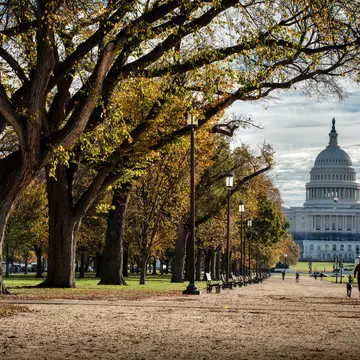
July and August are the most difficult months to visit, with high temperatures and strong humidity that can make walking between attractions feel tiring and uncomfortable.
Late March to early April is the most crowded period due to the cherry blossom season, when popular areas become congested and moving between landmarks takes longer.
January and February are the coldest months, with low temperatures and shorter days that can limit outdoor sightseeing, even though crowds are minimal.
How Long You Need To Visit Washington DC
Most travelers need 2 to 3 days to visit Washington, DC comfortably. This gives you enough time to see the main landmarks without rushing. If you’re planning your itinerary, it helps to map out your travel dates in advance, and a simple date calculatorcan make that much easier.
- 1-2 Days: A short trip works if you focus only on the highlights. You can visit the National Mall, major monuments, and a few museums, but your schedule will feel tight.
- 3 Days (Ideal for Most Visitors): Three days is the best balance. You can explore the main monuments, visit several Smithsonian museums, and still have time to see neighborhoods or relax.
- 4-5 Days: This gives you a slower pace. You can visit more museums, explore areas like Georgetown, and take your time without rushing between attractions.
- 5+ Days: A longer stay is only needed if you want a deep experience or plan day trips outside the city.
Frequently Asked Questions
Is Washington DC Worth Visiting In Winter?
Yes, winter is worth visiting for fewer crowds and lower prices, especially if you focus on indoor attractions like museums.
What Is The Cheapest Time To Visit Washington DC?
For travelers focused on value, winter and late summer generally offer the lowest travel costs. Hotel rates often decrease outside peak seasons, particularly in January, February, and August.
Where To Avoid In DC At Night?
Avoid isolated streets late at night and use rideshare if unsure. Is the Metro safe in Washington DC? Generally yes. Trains and stations are well lit, and transit police are present.
When Is Cherry Blossom Season In Washington DC?
Cherry blossom season usually falls between late March and early April, but exact timing changes each year.
Final Thoughts
The best time to visit Washington, DC, depends on your priorities. October is the most balanced choice, April is the most iconic but crowded, and January-February are best for fewer people and lower prices.
There’s no perfect time, just the right time for your trip. Plan around weather and crowds, and you’ll have a much better experience. If this guide helped, consider sharing it or bookmarking it for your trip planning.
Jump to
Picking The Right Month To Visit Washington DC
Quick Answer Box
January-February: Quiet, Affordable, And Museum-Focused
March-April: Cherry Blossoms, Peak Energy, And Heavy Crowds
May-June: Comfortable Weather And Balanced Travel Conditions
July-August: High Heat, Flexible Planning Required
September-October: Best Overall Experience For Most Travelers
November-December: Slower Pace With Seasonal Atmosphere
Best Season To Visit Washington DC
Washington DC Weather By Season
Best Time To Visit Washington DC For Sightseeing
Best Time To Visit Washington DC For Events And Festivals
Worst Time To Visit Washington DC
How Long You Need To Visit Washington DC
Frequently Asked Questions
Final Thoughts

Karan Emery
Author
Karan Emery, an accomplished researcher and leader in health sciences, biotechnology, and pharmaceuticals, brings over two decades of experience to the table. Holding a Ph.D. in Pharmaceutical Sciences from Stanford University, Karan's credentials underscore her authority in the field.
With a track record of groundbreaking research and numerous peer-reviewed publications in prestigious journals, Karan's expertise is widely recognized in the scientific community.
Her writing style is characterized by its clarity and meticulous attention to detail, making complex scientific concepts accessible to a broad audience. Apart from her professional endeavors, Karan enjoys cooking, learning about different cultures and languages, watching documentaries, and visiting historical landmarks.
Committed to advancing knowledge and improving health outcomes, Karan Emery continues to make significant contributions to the fields of health, biotechnology, and pharmaceuticals.

Iram Martins
Reviewer
Iram Martins is a seasoned travel writer and explorer with over a decade of experience in uncovering the world's hidden gems. Holding a Bachelor's degree in Tourism Management from the University of Lisbon, Iram's credentials highlight his authority in the realm of travel.
As an author of numerous travel guides and articles for top travel publications, his writing is celebrated for its vivid descriptions and practical insights.
Iram’s passion for cultural immersion and off-the-beaten-path adventures shines through in his work, captivating readers and inspiring wanderlust.
Outside of his writing pursuits, Iram enjoys learning new languages, reviewing films and TV shows, writing about celebrity lifestyles, and attending cultural festivals.
Latest Articles
Popular Articles