Best Washington DC Volunteer Networks For Young Professionals
The best volunteer opportunities in Washington DC for young professionals balance flexibility and impact.
Author:Karan EmeryReviewer:Frazer PughDec 03, 20255.1K Shares81.6K Views
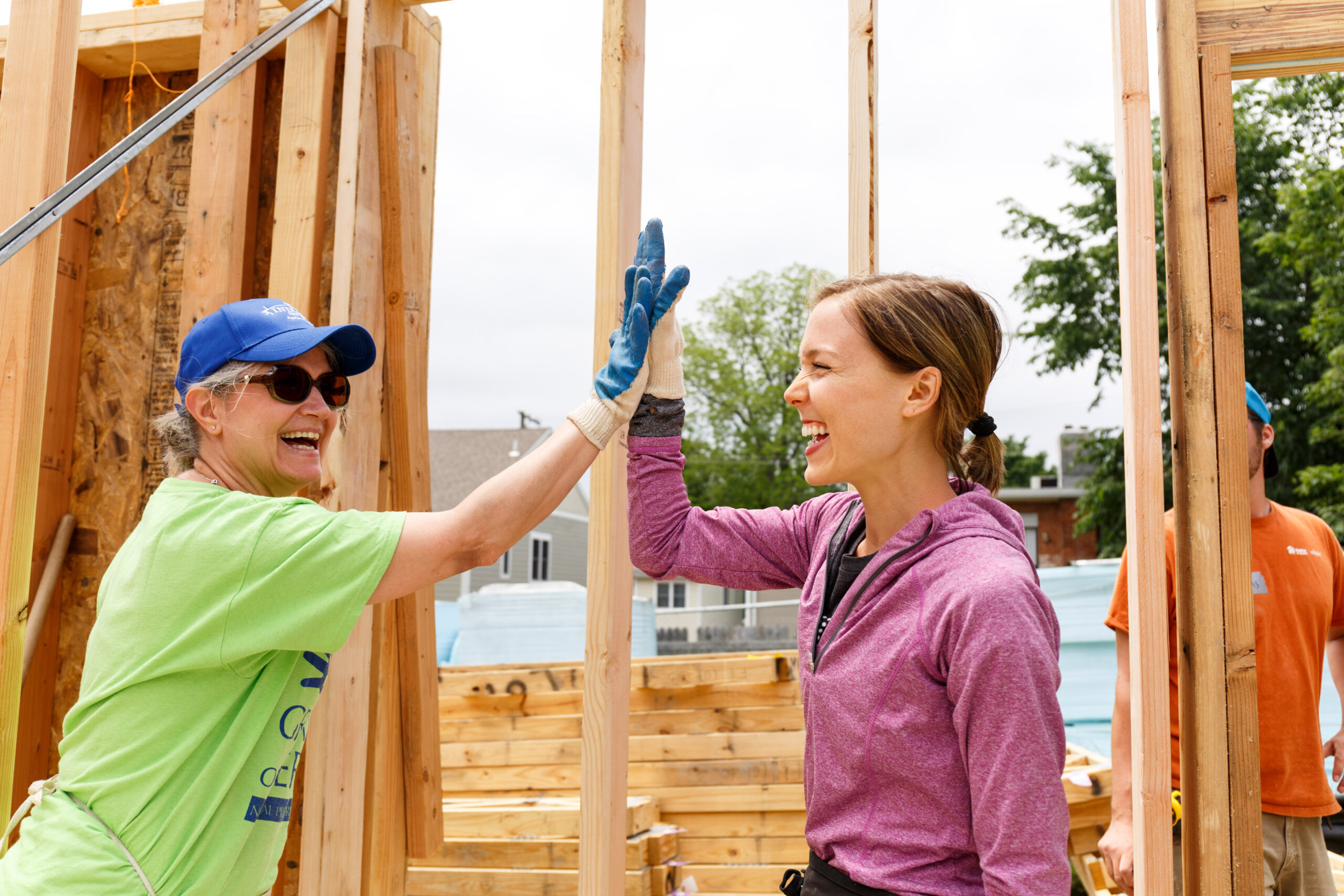
Washington DC’s volunteer scene is changing fast. Volunteering is no longer just about showing up to help out. It’s about finding opportunities that match your skills, help you grow, and make a real difference, all while fitting into your busy life.
People who volunteer often feel more satisfied at work, develop stronger leadership skills, and grow their professional networks. In a city where job titles dominate conversations, volunteering offers a more meaningful way to connect. The real question isn’t if you should volunteer. It’s how to find the opportunity that best matches your goals, skills, and schedule.
Understanding The Young Professional Volunteer Ecosystem In DC
Young professional volunteer groups in DC are creating new ways to give back and grow. They host networking events, skill-building workshops, and mentorship programs that connect members with experienced leaders. These groups understand that professionals in their 20s and 30s want more than traditional volunteering. They’re looking for career growth, meaningful relationships, and chances to use their skills to make a difference; especially as they navigate balancing full-time job with volunteer work, a challenge many young professionals share.
In DC, volunteering usually takes three main forms. There’s skills-based consulting, where you use your professional expertise to help organizations. There’s direct service, where you work hands-on with local communities. And there’s leadership development, where you can serve on boards or committees to shape important initiatives. Choosing the right path for your goals can make your volunteer experience much more rewarding.
Together, DC’s young professional networks have raised millions of dollars for local causes. They also give members access to unique volunteer opportunities, leadership training, and fun social events. These groups know that building connections through shared service often leads to more genuine relationships than typical networking events.
Skill-Based Volunteering: Where Your Expertise Creates Maximum Impact
Compass Pro Bono: Professional Consulting For Nonprofits
Compass Pro Bono matches skilled professionals with nonprofits needing expertise in strategy, finance, marketing, and operations through structured consulting projects. Rather than sorting donations, you might redesign a nonprofit's fundraising strategy or develop performance metrics for a youth development program.
Volunteers report utilizing existing skills while mastering new methodologies, working directly with nonprofit executives, and developing lasting professional relationships through these engagements. Projects typically run 8-12 weeks with 3-5 hour weekly commitments, making them manageable alongside full-time work.
What sets Compass apart is the caliber of both volunteers and nonprofit partners. You'll work on teams with professionals from top DC employers, tackling real business challenges that directly impact organizational effectiveness. The organization provides comprehensive onboarding, clear scope definition, and thoughtful team matching to ensure meaningful contributions.
Pro Bono Legal Services: Justice Through Your J.D.
The DC Bar Pro Bono Center offers extensive training and ongoing mentorship to attorneys providing pro bono services in areas outside their usual practice. Even transactional lawyers can serve through programs supporting community nonprofits and small businesses with legal needs.
Volunteer attorneys receive recorded trainings, practice materials, expert mentors, and malpractice insurance for representation in family law, housing, consumer law, and social security matters. The support infrastructure means you're never working alone, even on complex cases.
For non-attorneys, the Pro Bono Center welcomes law students and paralegals to assist with intake, logistics, and translation services at quarterly clinics. These one-day commitments provide exposure to public interest law without long-term obligations.
Urban Alliance: Professional Skills Meet Youth Development
Urban Alliance offers several ways for professionals to make a real difference in students’ lives. Each fall, volunteers can join College Essay Day, a one-day event where you work one-on-one with high school interns as they write their college application essays. It’s a great way to use your communication and writing skills to support future college students.
Throughout the year, professionals also join career panels to share insights about their industries, career journeys, and lessons learned. Others take part in mock interviews, helping students identify their strengths and areas for improvement. These short, structured activities don’t require much time but can have a huge impact. A 30-minute interview could help a student land their first internship.
Alumni volunteers stay involved by leading summer workshops on networking, interviewing, and resume building. If you remember how challenging career transitions can be, this is a meaningful way to help the next generation navigate theirs with more confidence.
Young Professional Networks
SOME Young Professionals Network
The SOME Young Professionals Network (YPN) brings together people aged 21 to 40 who want to make a real difference in their community. Members volunteer, fundraise, advocate, and serve as ambassadors for the organization. Since it began, YPN has raised over $3 million to help DC residents build paths out of poverty.
Members gain access to professional development programsthat can open doors to nonprofit leadership roles. They also enjoy social and networking events throughout the year and help organize major fundraisers like the annual Spring Fling Gala. You’re not just serving meals-you’re helping shape the organization’s strategy and fundraising efforts.
The network includes professionals from finance, consulting, technology, and government. Many members say that the relationships they’ve built through YPN have led to new career opportunities and business collaborations. The shared mission to fight poverty fosters meaningful connections that last long after each event.
Habitat Young Professionals DC-NOVA
Habitat Young Professionals members receive access to quarterly HYP-only build days, monthly events, leadership development opportunities, and exclusive invitations to home dedications and member socials. The membership structure creates consistent touchpoints with the same group of committed professionals.
Members make positive impact through fundraising efforts, volunteer days, advocacy campaigns, and social engagements while connecting with like-minded individuals committed to affordable housing. The quarterly builds provide hands-on construction experience without requiring ongoing weekday commitments.
Annual membership fees support the program but remain accessible to early-career professionals. The investment pays dividends through networking, skill development, and the tangible satisfaction of seeing families move into homes you helped build.
United Way NCA Young Philanthropists
Young Philanthropists, a group for professionals up to age 40, offers meaningful ways to give back while building valuable connections. Members take part in volunteer projects, exclusive networking and social events, and leadership development opportunities, all within the larger Leaders United community.
The program includes a giving commitment, but the benefits are significant. Members gain access to United Way’s wide regional network and leadership programs while supporting causes they care about, such as helping veterans or addressing homelessness. Contributions can take many forms, including financial support, volunteer time, creativity, or other resources.
Monthly events combine community service, professional growth, and social interaction. With its mix of ambitious and community-minded professionals from many fields, this network is especially valuable for newcomers to DC who want to make an impact and build strong connections.
YNPNdc: Building Future Nonprofit Leaders
YNPNdc offers networking events, skill-building workshops, and inspiring guest speakers, along with its annual mentorship program that pairs young professionals with experienced nonprofit leaders. It is an ideal network for anyone exploring or advancing a career in the nonprofit sector.
Volunteers can build valuable experience by joining committees focused on Communications, Volunteer Engagement, or Membership. These roles offer real leadership and portfolio-building opportunities. You might manage YNPNdc’s social media, coordinate member events, or design professional development programs while connecting with other emerging nonprofit professionals.
Membership provides free access to events and exclusive resources. The goal is simple: invest in your nonprofit career while building a strong network of DC’s next generation of nonprofit leaders.
Direct Service Organizations Making Immediate Impact
DC Central Kitchen
DC Central Kitchen offers morning volunteer shifts starting at 9 a.m. and weekday evening shifts from 6 to 8 p.m. in the CoBank Volunteer Zone, with registration available up to three months in advance. The evening options make it easy for full-time professionals to get involved without giving up their weekends.
Volunteers work alongside dedicated staff and culinary job, training students to cut, chop, peel, and prepare fresh produce for nutritious community meals. No cooking or food service experience is needed. You’ll see immediate results as the meals you help prepare feed hundreds that same day, and you’ll also contribute to long-term change through the job training program.
The kitchen welcomes volunteers with dietary restrictions or allergies and provides special assignments when needed. Group shifts can include up to 30 participants, making it a great option for corporate volunteering. DC Central Kitchen’s innovative model tackles poverty by combining hunger relief with workforce development, creating lasting community impact.
Martha's Table: Multi-Generational Community Support
Martha’s Table runs McKenna’s Wagon, a mobile food service that distributes meals every day of the year at two downtown DC locations. Volunteers help by serving food, driving the van, and unloading supplies starting at 4:30 p.m. The evening schedule makes it easy for working professionals to participate.
In addition to meal distribution, Martha’s Table operates on-site markets, Joyful Food Markets at more than 50 elementary schools, and Martha’s Outfitters, a clothing boutique. Market volunteers assist shoppers with groceries, restock shelves, and connect with community members at locations in both Southeast and Northwest DC.
With a range of volunteer roles, there’s something for everyone. Outgoing volunteers might enjoy interacting with shoppers, while detail-oriented volunteers can focus on organizing inventory. Martha’s Table takes a holistic approach, addressing immediate needs while helping strengthen the community for the long term.
SOME: Comprehensive Services Addressing Poverty
SOME offers a wide range of volunteer opportunities for professionals who want to make a difference. Volunteers can lead counseling groups, tutor workforce development students, review resumes, conduct mock interviews, host students for workplace externships, teach classes on personal finance or mental wellness, or provide administrative help.
Because there are so many ways to get involved, professionals from any background can contribute meaningfully. Finance experts can teach budgeting workshops, HR specialists can lead interview training sessions, and therapists can facilitate support groups. Skills-based volunteering lets you use your professional experience to help adults working toward financial independence and stability.
SOME serves breakfast and lunch every day, no matter the weather or school schedule. This consistency means volunteers are truly needed. Your time and effort directly support the organization’s daily operations and impact.
Bread For The City: Holistic Support For Low-Income Residents
Bread for the City's primary volunteer needs center on food pantry work, with volunteers helping clients select items, restocking shelves, bagging groceries, and supporting weekly farmers markets. Spanish and Mandarin speakers are particularly needed at the Northwest Center.
The Southeast location offers clothing boutique volunteering where volunteers sort, hang, and arrange donations while providing customer service to clients during open hours. Both centers are accessible via Metro, removing transportation barriers for car-free professionals.
Standard opportunities run Monday-Friday with flexible shift scheduling through their online portal. Groups under 30 can register individually through the system, making it easy to volunteer with colleagues without complex coordination.
Maximizing Your Volunteer Impact And Professional Growth
Strategic Opportunity Selection
Choose opportunities aligning with three criteria: cause resonance, skill utilization, and schedule compatibility. The best volunteer experience leverages your strengths while addressing issues you care deeply about. Don't force yourself into roles that drain rather than energize.
Consider how organizational culture supports volunteers as some nonprofits increasingly recognize the power of workday integration, making it easier for employees to engage in short, meaningful contributions during the workday without disrupting productivity.
Timing matters significantly. Evening and weekend opportunities accommodate full-time work schedules, while some organizations offer flexible remote volunteering. Single-day engagements like College Essay Day or networking events provide low-commitment entry points for exploring volunteer interests.
Building Genuine Professional Connections
The strongest professional networks grow from shared purpose, not surface-level interactions. Volunteering with others reveals who they truly are, their character, work ethic, and values. Connections built in community-focused spaces often feel more authentic.
Organizations that value thoughtful environments understand the importance of workplace design, whether in physical volunteer spaces, meeting rooms, or hybrid collaboration settings. A well-designed environment strengthens teamwork, communication, and overall volunteer satisfaction.
Go beyond your assigned role. Offer to help plan events, share ideas during meetings, or mentor new volunteers. Taking initiative stands out, and many board and committee leaders began as regular volunteers who stepped up to help more.
Follow up thoughtfully. When you meet volunteers who inspire you, exchange contact information and follow up with a personal note. Mention a specific experience you shared instead of sending a generic LinkedIn request.
Developing Leadership Capabilities
Volunteer roles offer leadership experiences that are often hard to find in day-to-day jobs. An analyst at a large company might lead a Compass Pro Bono consulting team. A junior attorney could manage a Pro Bono Center clinic. An entry-level professional might chair a YNPNdc committee.
These opportunities strengthen your resume and help you build key skills. You will practice delegation, conflict resolution, strategic thinking, and stakeholder management while collaborating with dedicated peers who offer valuable feedback.
Keep track of your work. Record your volunteer hours, projects completed, funds raised, or people served. These details show your impact during performance reviews or job interviews. Many organizations also offer formal recognition or reference letters that can support your future career goals.
As you grow, take on more responsibility step by step. Begin with individual volunteer shifts, move up to leading teams, then join committees, and eventually consider board positions. Each stage builds new skills and helps you discover where you contribute best.
Common Challenges And Practical Solutions
Time Constraints
The “too busy” excuse is common and often understandable. Many professionals working long hours find it hard to make time for volunteering. The key is to prioritize carefully.
Start small by choosing monthly instead of weekly commitments. Quarterly events may work best if your schedule changes often. Virtual volunteering, such as reviewing resumes, leading webinars, or offering strategic advice, is another great option since it removes commute time.
Look for ways to fit volunteering into your existing routine. If you already spend Saturday mornings in Northwest DC, consider adding a shift at a Martha’s Table market afterward. You can also turn a team-building budget into a volunteer day, combining service with professional bonding.
Remember that saying no to some opportunities allows you to say yes to the right ones. It is better to fully commit to one organization a few times a year than to spread yourself too thin across many.
Finding The Right Fit
Many professionals try volunteering once, feel unsatisfied, and stop altogether. The issue usually is not volunteering itself but finding the right fit.
Use volunteer matching platforms such as VolunteerMatch or Serve DC to search by your skills, interests, schedule, and location. NeighborGood, a DC-specific platform, connects residents with meaningful opportunities and helps nonprofits find skilled volunteers.
Before committing, attend an orientation or information session. Most organizations offer these to give you a clear idea of what to expect. Talk with current volunteers as well, since they can provide honest insights that you will not find in brochures or online descriptions.
Start by exploring different types of experiences. Join a one-day event with SOME, volunteer for a single Compass project, or take part in a Habitat build day. Sampling a few styles helps you discover what kind of volunteering feels most rewarding to you.
Sustaining Motivation
Initial enthusiasm often wanes when volunteering becomes routine. Protecting motivation requires intentional effort.
Connect regularly with impact. Read organizational newsletters showcasing program outcomes. Attend home dedications, graduation ceremonies, or client celebrations where you witness transformation firsthand. These moments renew purpose when energy flags.
Develop genuine friendships with fellow volunteers. The social connection becomes its own motivation even when the work feels routine. Form volunteer "accountability partnerships" where you commit to attending together.
Vary your involvement. If food pantry shifts feel repetitive, try special events or one-time projects. Most organizations welcome volunteers wearing different hats across programs.
Know when to step back. Burnout helps no one. Better to take breaks and return refreshed than continue bitterly and ineffectively.
Navigating Virtual And Hybrid Opportunities
The pandemic permanently expanded remote volunteering, making it easier for professionals with unpredictable schedules or mobility challenges to get involved.
Skills-based virtual volunteering has grown through Compass Pro Bono projects that focus on strategic thinking instead of in-person work. Resume reviews, mock interviews, and mentoring conversations now happen effectively over video calls.
YNPNdc and other professional networks offer hybrid events that mix in-person and virtual participation. This makes volunteering more accessible while keeping a sense of community connection.
Some organizations such as Catchafire specialize in matching professionals with remote volunteer opportunities based on their skills. You might design marketing materials, build websites, develop business plans, or create training programs, all from your home office.
Virtual volunteering is a great fit for people who prefer independent work or smaller interactions. Still, it is important to make time for occasional in-person service to build stronger relationships and community ties.
Seasonal And Special Event Opportunities
Major events provide concentrated volunteer experiences without ongoing commitment, perfect for professionals testing interest before regular involvement.
United Way NCA's Project Community Connect occurs annually each October, connecting people experiencing homelessness with essential services. The signature event focuses on providing services to those at risk of or experiencing homelessness and the ALICE population through multiple community events.
Stuff the Bus campaign provides backpacks filled with grade-appropriate school supplies to middle school students at United Way's Community Schools through in-person volunteer packing events. These typically occur in late summer and accommodate large groups.
Holiday-focused opportunities abound November through December. Organizations need additional capacity during peak demand periods while professionals often have flexible schedules around year-end holidays.
Spring and fall often feature fundraising galas, fun runs, and awareness campaigns requiring volunteer support with event logistics, registration, or outreach. These provide networking-rich environments with lighter service components.
Understanding DC's Unique Volunteer Landscape
Washington’s volunteer ecosystem reflects the city’s unique character: highly educated, civically engaged, and mission-driven. The presence of nonprofits, government agencies, and purpose-oriented companies creates a one-of-a-kind environment for community engagement.
Federal employees bring policy knowledge, global experience, and a broad understanding of how sectors connect. Consultants contribute strategic thinking and project management skills. Legal professionals offer expertise in navigating complex regulations. Tech workers provide digital tools and insights that many nonprofits need. Whatever your background, it can meet real organizational needs.
The city faces visible and urgent challenges such as affordable housing shortages, income inequality, food insecurity east of the Anacostia River, and education gaps. While suburban volunteering often focuses on enrichment activities, many DC efforts address essential needs. The impact feels greater because the needs are immediate.
DC’s professional community is highly transient. Many people come for fellowships, government roles, or early-career opportunities and move on after a few years. This creates turnover among volunteers but also brings new perspectives and energy. Local organizations are well prepared to welcome newcomers and accommodate different commitment levels.
Networking is deeply rooted in DC culture, and volunteering is no exception. There is nothing wrong with combining professional growth and community service. In fact, volunteering often strengthens both your network and your sense of purpose.
Getting Started: Your First Steps
Ready to begin? Follow this progression for successful volunteer engagement:
Research thoroughly.Visit organization websites, read volunteer descriptions, and understand missions before reaching out. Platforms like VolunteerMatch allow viewing postings from nearly 90,000 organizations worldwide, while One Brick combines volunteering with social atmosphere by inviting participants to gather at restaurants after events.
Attend orientations.Most organizations offer these monthly or quarterly. You'll learn operational details, meet coordinators, and assess fit before committing.
Start small.Commit to a single shift or one-time event initially. Successful experiences naturally lead to increased involvement.
Communicate clearly.Respond promptly to coordinator emails, arrive punctually, and notify organizations if you can't attend committed shifts. Reliability matters enormously to under-resourced nonprofits.
Request feedback.Ask coordinators how you're doing and what would increase your impact. This demonstrates seriousness and facilitates improvement.
Expand strategically.After several successful experiences with one organization, consider adding a second complementary commitment or pursuing leadership roles with the first.
Reflect regularly.Schedule quarterly check-ins assessing whether your volunteering still aligns with your goals and brings fulfillment.
FAQs
How Much Time Should Young Professionals Commit To Volunteering?
Start with one shift or event monthly-typically 2-4 hours. Many successful volunteers maintain this level indefinitely.
Can I Volunteer If I Work Unpredictable Hours?
Seek organizations with flexible scheduling or last-minute opportunities. DC Central Kitchen posts open volunteer shifts up to three months in advance, letting you claim spots during predictable periods.
What If I Don't Have Specialized Skills To Offer?
Direct service opportunities require no special training. Food pantries, meal services, and clothing boutiques need willing hands and positive attitudes.
How Do I Balance Volunteering With Other Commitments?
Treat volunteer commitments with the same seriousness as professional or personal obligations. Schedule them in your calendar and protect that time.
What If I Try Volunteering And Don't Enjoy It?
Finish your initial commitment, then reflect on what didn't work. Wrong cause, poor fit with the specific role, bad timing, or incompatible organizational culture? Try something different before concluding volunteering isn't for you.
Do Nonprofits Actually Want Young Professional Volunteers?
desperately. Organizations need diverse perspectives, professional capabilities, and fresh energy young professionals provide.
Conclusion
Washington DC offers incredible opportunities for young professionals who want to make a difference through volunteering. You can use your marketing skills to help nonprofits reach new audiences, apply your legal training to ensure low-income residents get access to justice, put your financial knowledge to work strengthening organizations, or simply lend a hand serving meals to your neighbors.
The city faces serious challenges, but it is also home to a strong, active community of people committed to creating change. Your contribution matters not because you have endless time or special qualifications, but because you are willing to show up and help.
Jump to
Understanding The Young Professional Volunteer Ecosystem In DC
Skill-Based Volunteering: Where Your Expertise Creates Maximum Impact
Young Professional Networks
Direct Service Organizations Making Immediate Impact
Maximizing Your Volunteer Impact And Professional Growth
Common Challenges And Practical Solutions
Navigating Virtual And Hybrid Opportunities
Seasonal And Special Event Opportunities
Understanding DC's Unique Volunteer Landscape
Getting Started: Your First Steps
FAQs
Conclusion

Karan Emery
Author
Karan Emery, an accomplished researcher and leader in health sciences, biotechnology, and pharmaceuticals, brings over two decades of experience to the table. Holding a Ph.D. in Pharmaceutical Sciences from Stanford University, Karan's credentials underscore her authority in the field.
With a track record of groundbreaking research and numerous peer-reviewed publications in prestigious journals, Karan's expertise is widely recognized in the scientific community.
Her writing style is characterized by its clarity and meticulous attention to detail, making complex scientific concepts accessible to a broad audience. Apart from her professional endeavors, Karan enjoys cooking, learning about different cultures and languages, watching documentaries, and visiting historical landmarks.
Committed to advancing knowledge and improving health outcomes, Karan Emery continues to make significant contributions to the fields of health, biotechnology, and pharmaceuticals.

Frazer Pugh
Reviewer
Frazer Pugh is a distinguished expert in finance and business, boasting over 6 years of experience. Holding an MBA in Finance from Stanford University, Frazer's credentials underscore his authority and expertise in the field.
With a successful track record in executive roles and as a published author of influential articles on financial strategy, his insights are both deep and practical.
Beyond his professional life, Frazer is an avid traveler and culinary enthusiast, drawing inspiration from diverse cultures and cuisines.
His commitment in delivering trustworthy analysis and actionable advice reflects his dedication to shaping the world of finance and business, making a significant impact through his work.
Latest Articles
Popular Articles