Blood Thinners And Clot Prevention - Guardians Of Circulation
Step into the realm of blood thinners and clot prevention, a critical domain where maintaining a delicate balance between clotting and bleeding is paramount for overall well-being.
Author:Karan EmeryReviewer:Stefano MclaughlinMar 07, 202443.3K Shares1M Views
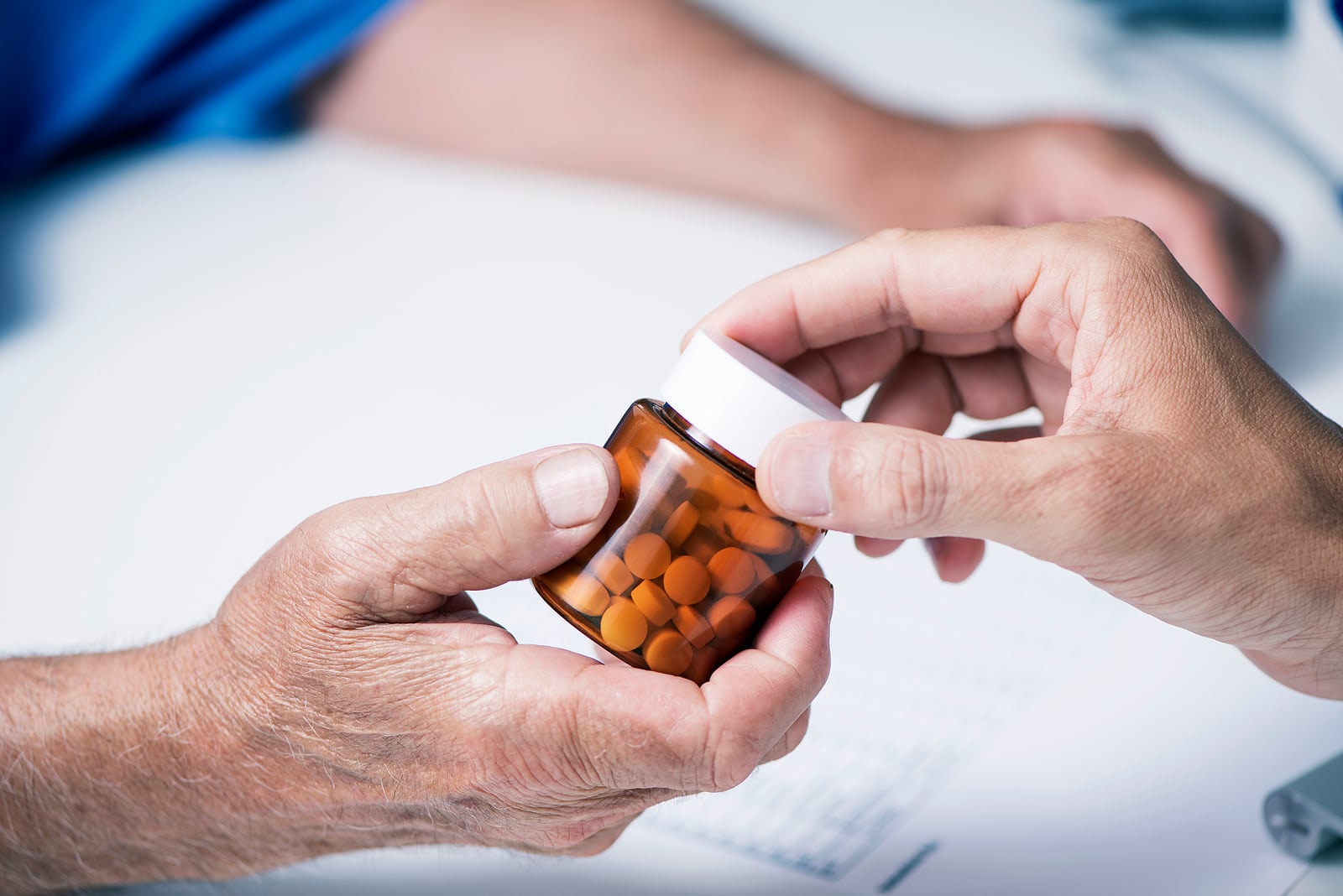
Step into the realm ofblood thinners and clot prevention,a critical domain where maintaining a delicate balance between clotting and bleeding is paramount for overall well-being. Blood thinners, or anticoagulants, play a pivotal role in safeguarding against harmful blood clots that can lead to severe conditions like strokes and heart attacks.
In this article, we'll embark on a straightforward journey exploring the basics of blood clotting, the different types of available blood thinners, and the indispensable role they play in managing specific medical conditions.
What Are Blood Thinners?
Blood thinners are medicines that help your blood move smoothly in your veins and arteries. They prevent blood clots from forming or getting larger. Doctors use them to treat certain heart problems and defects, as well as other conditions that might make you more likely to have dangerous clots.
These medications are good for preventing heart attacks and strokes, but they have some downsides. For example, if you get a cut, you might bleed more than usual.
Even though these drugs can save lives, it's crucial to know about both the good and not-so-good things before you begin taking them.
How Do They Work?
Blood thinners step in to address this issue by targeting various parts of the blood clotting process. Imagine your bloodstream as a busy highway, and blood clots as unexpected roadblocks. Blood thinners act like traffic controllers, ensuring a smooth flow and preventing these roadblocks from causing trouble.
- Interference With Clotting Factors - Some blood thinners work by meddling with the production of clotting factors. Think of these factors as construction workers responsible for building the roadblocks (clots). By putting a pause on their work, blood thinners make it harder for these roadblocks to form, reducing the risk of traffic jams in your blood vessels.
- Inhibition Of Clot Formation Proteins - There are blood thinners that act more like bodyguards, directly inhibiting specific proteins involved in clot formation. These proteins, like troublemakers in the construction crew, are essential for creating the roadblocks. By stopping their actions, blood thinners prevent these clots from growing larger and causing potential blockages.
- Disrupting The Clotting Choreography - Think of the blood clotting process as a well-choreographed dance. Blood thinners step in and disrupt the routine, preventing the dancers (clotting factors and proteins) from moving seamlessly and creating intricate patterns. Without this coordination, the chances of harmful clots forming or becoming larger are significantly reduced.
- Ensuring Smooth Blood Flow - Blood thinners act as peacekeepers in the bloodstream, ensuring a smooth flow without unexpected interruptions. They maintain the balance between allowing the necessary clotting for healing injuries and preventing the formation of troublesome clots inside blood vessels.
4 Types Of Blood Thinner
- Warfarin (Coumadin) -Warfarin is one of the oldest and most commonly used blood thinners. It works by blocking the action of vitamin K, a key player in the clotting process. However, warfarin requires careful monitoring and regular blood tests to ensure that the dosage is correct, as too much or too little can lead to serious complications.
- Heparin -Heparin is another commonly used blood thinner that works by enhancing the activity of antithrombin, a natural substance in the body that helps to prevent blood clots. It is often given as an injection in a hospital setting to quickly prevent or treat blood clots.
- Direct Oral Anticoagulants (DOACs) -DOACs, such as dabigatran, rivaroxaban, apixaban, and edoxaban, are newer blood thinners that work by directly inhibiting specific clotting factors in the blood. They are taken orally and generally do not require regular blood tests for monitoring, making them more convenient for many patients.
- Antiplatelet Drugs -While not technically blood thinners, antiplatelet drugs like aspirin work to prevent blood clots by inhibiting the aggregation of platelets, which are small cell fragments involved in clot formation.
Who Needs Blood Thinners?
Blood thinners are prescribed to individuals who are at an increased risk of developing blood clots. This includes people with conditions such as atrial fibrillation (an irregular heartbeat), deep vein thrombosis (blood clots in the legs), pulmonary embolism (blood clots in the lungs), or those who have undergone certain surgeries like hip or knee replacement.
Additionally, individuals with mechanical heart valves or a history of stroke may also require blood thinners to reduce their risk of clot-related complications.
Managing Blood Thinners
Proper management of blood thinners is crucial for ensuring their effectiveness while minimizing the risk of complications. This includes:
- Regular Monitoring -Depending on the type of blood thinner prescribed, regular blood tests may be necessary to monitor its effectiveness and adjust the dosage as needed.
- Consistent Dosage -It's essential to take blood thinners exactly as prescribed by your healthcare provider. Missing doses or taking too much can increase the risk of complications.
- Dietary Considerations -Some blood thinners, like warfarin, interact with certain foods that are high in vitamin K. It's important to maintain a consistent intake of vitamin K-rich foods and notify your healthcare provider of any significant changes in your diet.
- Avoiding Injury -Since blood thinners increase the risk of bleeding, it's important to take precautions to avoid injury. This may include using caution when participating in activities that carry a risk of injury and using protective gear when necessary.
Risks And Side Effects
While blood thinners are highly effective at preventing blood clots, they also come with certain risks and side effects. The most significant risk associated with blood thinners is bleeding. Since these medications interfere with the body's ability to form clots, even minor injuries can lead to excessive bleeding that may be difficult to control.
Other side effects of blood thinners may include:
- Bruising easily
- Nosebleeds
- Bleeding gums
- Heavy menstrual bleeding
- Blood in the urine or stool
Clot Prevention Strategies
In addition to taking blood thinners, there are several lifestyle changes and preventive measures that individuals can take to reduce their risk of blood clots.
- Stay Active -Regular exercise helps to improve blood circulation and reduce the risk of blood clots. Aim for at least 30 minutes of moderate-intensity exercise most days of the week.
- Quit Smoking -Smoking damages blood vessels and increases the risk of blood clots. Quitting smoking can significantly reduce this risk.
- Maintain A Healthy Weight -Being overweight or obese increases the risk of blood clots. Adopting a healthy diet and lifestyle can help to achieve and maintain a healthy weight.
- Stay Hydrated -Dehydration can make the blood thicker and more prone to clotting. Drink plenty of water throughout the day to stay hydrated.
- Take Breaks When Traveling -Long periods of immobility, such as during long flights or car rides, can increase the risk of blood clots. Take breaks to stretch your legs and move around periodically.
Blood Thinners And Clot Prevention - FAQs
What Drug Is Used To Help Prevent Blood Clots?
Anticoagulants. Anticoagulants, such as heparin, warfarin, dabigatran, apixaban, and rivaroxaban, are medications that thin the blood and help to dissolve blood clots.
Why Do Doctors Prescribe Blood Thinners?
Your doctor has prescribed a medicine called a blood thinner to prevent blood clots. Blood clots can put you at risk for heart attack, stroke, and other serious medical problems. A blood thinner is a kind of drug called an anticoagulant (an-te-ko-AG-u-lent).
Is There A Supplement To Prevent Blood Clots?
Vitamin K is used to prevent and treat certain blood clotting (coagulation) issues. It's also used to prevent severe bleeding (hemorrhagic disease) in newborns. Vitamin K may be used in cases of ongoing IV feeding. It may also be used when antibiotics have killed bacteria in the intestines that make vitamin K.
Final Thoughts
Blood thinners and clot prevention play a crucial role in reducing the risk of serious health complications. By understanding how these medications work, who may benefit from them, and how to manage them safely, individuals can take an active role in protecting their health.
Additionally, adopting healthy lifestyle habits and preventive measures can further reduce the risk of blood clots and promote overall well-being. If you have concerns about blood clot prevention or are considering blood thinners, be sure to consult with your healthcare provider for personalized guidance and recommendations.

Karan Emery
Author
Karan Emery, an accomplished researcher and leader in health sciences, biotechnology, and pharmaceuticals, brings over two decades of experience to the table. Holding a Ph.D. in Pharmaceutical Sciences from Stanford University, Karan's credentials underscore her authority in the field.
With a track record of groundbreaking research and numerous peer-reviewed publications in prestigious journals, Karan's expertise is widely recognized in the scientific community.
Her writing style is characterized by its clarity and meticulous attention to detail, making complex scientific concepts accessible to a broad audience. Apart from her professional endeavors, Karan enjoys cooking, learning about different cultures and languages, watching documentaries, and visiting historical landmarks.
Committed to advancing knowledge and improving health outcomes, Karan Emery continues to make significant contributions to the fields of health, biotechnology, and pharmaceuticals.

Stefano Mclaughlin
Reviewer
Stefano Mclaughlin is a Psychologist focused on mental health, emotional well-being, and healthcare policy. He studied Psychology and Public Health at the University of Massachusetts Amherst, gaining a deep understanding of the intersection between mental health and public policy.
Stefano's mission is clear: he aims to destigmatize mental health discussions, improve access to mental healthcare, and promote emotional well-being for all. Drawing from personal experiences with anxiety and depression, Stefano shares real stories to make mental health topics more relatable and less intimidating.
In addition to his advocacy work, Stefano enjoys delving into books, experimenting in the kitchen, and embarking on new adventures. These hobbies fuel his creativity and inspire fresh perspectives for his advocacy work.
Latest Articles
Popular Articles