Can My Deck Be Resurfaced? What Contractors Check Before Giving A Quote
The most common call a deck resurfacing contractor gets goes something like this: "The boards look rough, and I want to replace them.
Author:Paolo ReynaReviewer:James PierceMay 15, 20260 Shares24 Views
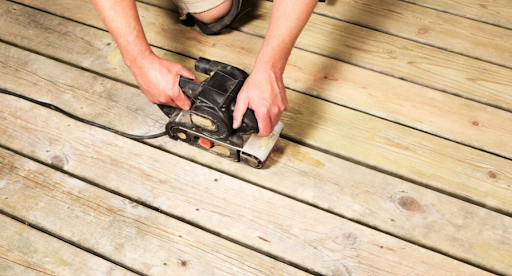
The most common call a deck resurfacing contractorgets goes something like this: "The boards look rough, and I want to replace them. Can you just swap them out?" It's a fair question. The answer, though, doesn't depend on the boards. It depends entirely on what's underneath them. A contractor who gives you a quote based on photos or a quick look from the patio isn't doing their job. The real evaluation starts below the surface, and here's exactly what it involves.
Why the Frame Is the Whole Conversation
Resurfacing means replacing the deck boards, railings, and fascia. Everything structural stays: the posts, beams, joists, and ledger board attached to the house. If any of those components are compromised, putting new boards on top doesn't fix anything. It's cosmetic work over a structural problem.
The price difference between a resurfacing job and a full rebuild is significant, sometimes two to three times the cost. A contractor who skips the frame inspection before quoting either doesn't understand the work or is avoiding an uncomfortable conversation. An honest one tells you what they find before they take any money.
The Ledger Board: First Stop on Every Inspection
The ledger is the board bolted directly to the rim joist of your house. One entire edge of the deck rests on it. It's the most critical connection in the structure, and it's also the one most likely to have hidden damage.
A contractor inspecting for resurfacing eligibility checks the ledger for fastener type, flashing condition, corrosion, and any separation from the house wall. In humid climates like Georgia, a ledger installed without proper metal flashing will eventually rot from the inside out. That damage often isn't visible from the outside until it's advanced. In freeze-thaw climates like Illinois, moisture cycling accelerates fastener corrosion and wood decay at the ledger ends.
If the ledger is compromised, resurfacing alone doesn't solve it. The ledger needs repair or replacement, and that changes the scope of the entire project.
Joists and Beams: The Layer Nobody Sees
Joists are the horizontal framing members that the deck boards sit on. Most homeowners have never actually looked at them because they're hidden under the decking. A contractor either lifts a few boards to inspect them directly or crawls underneath if there's clearance.
What they're looking for:
- Rot at joist ends, especially where the joist meets the beam or the ledger hanger.
- Insect damage, particularly in the South, where termite activity is common.
- Cracks, splits, or excessive deflection when pressure is applied.
- Corrosion on metal joist hangers and other connectors, which is common on older decks in wet or shaded areas.
The general threshold contractors use: if more than 20 to 30 percent of the joists need replacement, a full rebuild often makes more financial sense than a partial repair combined with resurfacing. The math changes when labor costs for selective joist replacement start adding up against the cost of starting fresh.
Posts and Footings: Checking the Foundation
Posts carry all the vertical load of the deck. A contractor checks each post base for signs of rot, especially at the bottom where the post connects to the footing. Post bases are supposed to hold the wood above the concrete surface to prevent direct moisture contact. When that connection fails, rot works its way up faster than most homeowners realize.
Footings get a different kind of scrutiny depending on the region. In Illinois, the concern is whether footings were poured below the frost line depth. Footings that stop above the frost line will heave during freeze cycles and cause the whole deck to shift. In Georgia, the concern is movement from red clay soil expansion and contraction. A tilted post or a visibly raised footing is an immediate prompt for deeper investigation before any resurfacing decision gets made.
Surface-Level Checks: What Shows Without Digging
Beyond the structural evaluation, a contractor walks through everything visible:
- Deck boards: degree of warping, splitting, rot at board ends, and any fasteners backing out of the surface
- Railings: whether railing posts move when pushed, baluster condition, and height compliance (most codes require at least 36 inches)
- Stairs: stringer integrity, overall stability, and rise-to-run ratio against local code requirements
- Flashing along the house wall: whether it's present, intact, and showing no signs of water intrusion behind it
All of these observations feed into the final scope and the accuracy of the quote. A contractor who skips any of these is handing you a number that will likely change once work begins.
Resurface, Partial Repair, or Full Rebuild?
After a thorough inspection, the verdict typically falls into one of three categories:
- Frame is solid throughout: resurfacing is the right call and a straightforward project.
- Frame has isolated issues: resurfacing with targeted joist or post repair is possible, and the contractor should specify exactly what gets replaced.
- The frame is significantly compromised: a full rebuild is the only responsible recommendation.
The contractor who takes a quick look from ground level and immediately says, "yeah, resurfacing will work" without checking the ledger, crawling underneath, or physically testing the railing posts isn't giving you an evaluation. They're giving you a number.
What to Ask Before You Accept a Quote
Before accepting any quote from a deck resurfacing contractor, ask them to walk you through what they actually inspected. Specifically, ask whether they checked the ledger connection, looked at the joist ends, and tested the post bases. If they can answer those questions with specific observations about your deck, you're dealing with someone who did the work. If the answers are vague, get another opinion before signing anything.
Jump to

Paolo Reyna
Author
Paolo Reyna is a writer and storyteller with a wide range of interests. He graduated from New York University with a Bachelor of Arts in Journalism and Media Studies.
Paolo enjoys writing about celebrity culture, gaming, visual arts, and events. He has a keen eye for trends in popular culture and an enthusiasm for exploring new ideas. Paolo's writing aims to inform and entertain while providing fresh perspectives on the topics that interest him most.
In his free time, he loves to travel, watch films, read books, and socialize with friends.

James Pierce
Reviewer
James Pierce, a Finance and Crypto expert, brings over 15 years of experience to his writing. With a Master's degree in Finance from Harvard University, James's insightful articles and research papers have earned him recognition in the industry.
His expertise spans financial markets and digital currencies, making him a trusted source for analysis and commentary. James seamlessly integrates his passion for travel into his work, providing readers with a unique perspective on global finance and the digital economy.
Outside of writing, James enjoys photography, hiking, and exploring local cuisines during his travels.
Latest Articles
Popular Articles