A Complete Breakdown Of Cosmetology School Costs In Washington State
Stepping into the world of beauty is thrilling, but it needs to be an informed step. By understanding the full Cosmetology School Cost In Washington State and by diligently pursuing the available financial aid, you can start your career with minimal debt and maximum confidence.
Author:Frazer PughReviewer:Karan EmeryNov 13, 202519.1K Shares314.6K Views
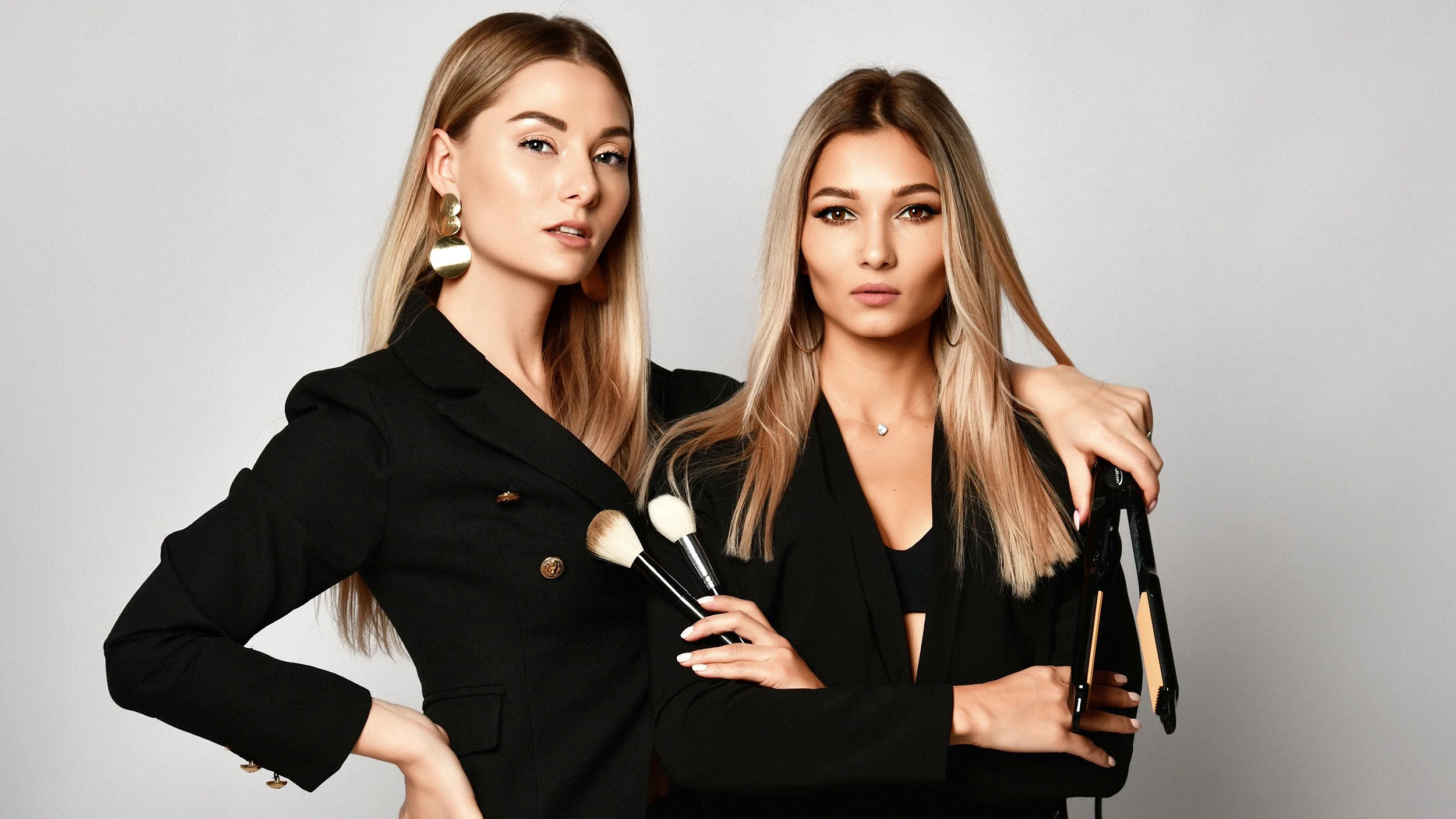
Your Investment in Beauty: Cosmetology School Cost In Washington State
Deciding whether to pursue cosmetology school is exciting, but I know the financial side can feel overwhelming. When you're thinking about investing in your future, the cost matters. I've noticed many prospective students face the same questions: How much will this actually cost me? What am I paying for? Can I afford it? The answers depend on several factors specific to Washington State, and I'm going to walk you through every cost component so you can make an informed decision without surprises.
Key Takeaways
- Cosmetology school in Washington State costs an average of $16,502, including tuition, kits, and licensing fees.
- Washington tuition ranges from $12,000 to $18,000, depending on the school type (community college vs. private).
- Total costs include tuition ($14,382 average), cosmetology kits ($2,085 average), and state licensing fees ($35).
- Multiple financing options exist: federal student loans through FAFSA, grants, scholarships, and payment plans.
- Washington cosmetologists earn an average starting salary of $22,000 to $28,000, with experienced professionals earning $40,000+.
Understanding Washington's Cosmetology Program Requirements
Before diving into specific costs, it is essential to understand why Washington's requirements influence the price tag on your education.
Why Washington Requires 1600 Hours
Washington State mandates that all cosmetology students complete 1600 hours of supervised training before licensing. This isn't arbitrary; it reflects the complexity of cosmetology work.
Those 1600 hours cover hair cutting and styling, chemical treatments, color theory, client consultation, sanitation, and business fundamentals. The hour requirement ensures that graduates possess comprehensive, hands-on competency before entering the profession.
The 1600-hour threshold directly translates to program length and, consequently, cost. A full-time student attending class five days per week typically completes the program in 9-12 months. Part-time students may take 18-24 months, which affects the total tuition paid.
How Program Length Affects Cost
Program length primarily affects tuition, the largest cost component. If a school charges $15,000 for a full-time program completed in 10 months, the monthly cost is approximately $1,500. A part-time program taking 18 months at the same school might charge $18,000 total because of extended facility usage and instructor time. However, some students prefer part-time enrollment because they can work while studying, offsetting education costs through earned income.
State Licensing Requirements & Timeline
After completing your 1600 hours, Washington requires you to pass two exams: a written exam ($180) and a practical exam ($120), totaling $300 in state licensing fees. These fees, significantly lower than many states, reflect Washington's approach to professional regulation. Once you pass, you receive your license and can legally work as a cosmetologist in Washington.
Breaking Down Cosmetology School Costs In Washington
Tuition Costs At Washington Schools
Tuition is your largest expense. In Washington State, average tuition for a cosmetology program ranges from $12,000 to $18,000, depending on whether you attend a public community college or a private institute.
- Community colleges: offer the most affordable option, typically charging $12,000 to $14,000in tuition. Schools like Everett Community College and Wenatchee Valley Technical School provide quality education at lower price points because they receive state funding and operate on a non-profit model.
- Private beauty schools:They charge $15,000 to $22,000in tuition. Established names like Paul Mitchell and Evergreen Beauty College command higher prices due to brand reputation, facility quality, and instructor expertise. These schools often provide more personalized attention and potentially stronger industry connections.
- Public vocational technical schools: They represent a middle ground, with tuition typically falling between $13,000 and $16,000. These institutions often focus heavily on technical skills and may offer strong job placement assistance.
Required Kit, Books, And Administrative Fees
Every student must acquire mandatory tools and cover various administrative charges that are notincluded in the base tuition price. These costs add an estimated $1,500 to $3,000 to the total expense.
- Student Kit and Supplies: This is the most significant non-tuition cost, typically ranging from $1,300 to $2,500. This kit is essential for training and must contain all the professional equipment, such as high-quality cutting shears, clippers, blow dryers, curling irons, brushes, mannequin heads, and initial professional-grade products like color and styling agents. The price varies based on the brand quality selected by the school.
- Textbooks and Digital Access: Students are required to purchase necessary textbooks, most commonly the Milady Standard Cosmetology book, along with corresponding workbooks. Many modern programs also require access to a digital kit or e-learning platform, which can add several hundred dollars to the cost.
- Enrollment and Registration Fees:A one-time, non-refundable administrative fee, usually ranging from $100 to $300, is charged upon application or acceptance to cover processing and initial setup costs.
- Uniforms and Apparel: Schools typically mandate a specific dress code, often requiring branded smocks or colored scrubs. The cost for these uniforms and required closed-toe shoes must be factored in.
State Licensing And Examination Costs
After completing the 1,600 hours of training, the final steps involve demonstrating competency to the state and paying for the license itself.
- Examination Fees: The state requires passing both a written exam (testing theoretical knowledge) and a practical exam (testing hands-on skills). These exams are administered by a third-party testing agency, and the combined fees can total approximately $180 to $240 (the written exam is often around $60, and the practical exam is around $120).
- Initial Licensing Fee: Once all exams are passed, the final fee to apply for the initial cosmetologist license from the Washington State Department of Licensing (DOL)is currently around $35.
Other Potential And Hidden Costs
Many students overlook expenses beyond tuition and kits:
- Lab fees: Most schools charge $75 to $100 per quarterfor practice mannequins and supplies that wear out throughout the program.
- Malpractice insurance: Expect $24 to $50 annuallyto cover liability while practicing on clients during supervised training.
- Professional licensing renewal: After obtaining your license, you'll pay $35 every two yearsto renew it (not an immediate cost, but important for long-term planning).
- Continuing education requirements: Washington requires 12 hours of continuing education every two yearsto maintain your license. Courses cost $100 to $300annually, though many are affordable or free.
- Salon startup costs(if opening your own business): This isn't school-related, but matters for career planning. Initial startup costs for a small salon chair rental or mobile service range from $2,000 to $10,000.
How Much Does Cosmetology School Cost At Top Washington Schools
Budget-Friendly Options ($12,000–$14,500)
Everett Community College
- Tuition: ~$13,000
- Kit: $1,367
- Total: ~$14,367
- Type: Public community college
- Best for: Budget-conscious students who value quality public education
Everett CC provides accredited cosmetology training with experienced instructors and access to federal financial aid. The program takes 3 quarters (9 months) full-time.
Wenatchee Valley Technical School
- Tuition: ~$12,500
- Kit: ~$1,500
- Total: ~$14,000
- Type: Public vocational technical school
- Best for: Students in central/eastern Washington seeking affordable quality
Mid-Range Schools ($15,000–$18,000)
Evergreen Beauty College (Multiple Washington locations)
- Tuition: ~$15,500 to $17,000
- Kit: $2,000 to $2,200
- Total: ~$17,500 to $19,200
- Type: Private beauty school
- Best for: Students wanting more personalized instruction and flexible scheduling
Evergreen operates multiple locations across Washington with evening and weekend options, making it accessible for working students.
Paul Mitchell The School (Spokane location)
- Tuition: ~$17,500
- Kit: $2,100
- Total: ~$19,600
- Type: Private brand-affiliated school
- Best for: Students seeking brand-name education and strong industry connections
Paul Mitchell schoolsemphasize hands-on experience and job placement support.
Premium Programs ($18,000–$24,000)
Aveda Institute (Seattle area)
- Tuition: ~$20,000 to $23,000
- Kit: $2,500
- Total: ~$22,500 to $25,500
- Type: Private luxury brand school
- Best for: Students prioritizing premium brand affiliation and upscale salon connections
Aveda emphasizes sustainable beauty practices and attracts clients interested in organic, eco-conscious services.
Read Also: Best Cosmetology Schools In America
Financial Aid Options For Washington Cosmetology Students
Federal Pell Grants And FAFSA
The Free Application for Federal Student Aid (FAFSA)opens doors to grants you never have to repay. Pell Grants award up to $7,395 annually based on financial need, and many Washington cosmetology students qualify for at least partial grants that cover 30% to 70% of tuition costs.
Completing your FAFSA takes about an hour and requires tax returns, but this single application determines eligibility for federal grants, work-study programs, and subsidized loans. Submit it as early as October 1st, before the school year you'll attend, because some schools distribute aid on a first-come basis.
Washington State-Specific Grants
The Washington College Grant provides funding for low and middle-income residents attending eligible trade schools. Awards vary based on family income and school costs, but many cosmetology students receive $1,000 to $3,000 annually through this program.
The State Need Grant and Opportunity Scholarship also serves Washington residents pursuing vocational education. These programs specifically target students from lower-income backgrounds or those entering high-demand fields where beauty professionals qualify in certain regions.
Industry Scholarships And Awards
Beauty Changes Lives offers multiple scholarships ranging from $1,000 to $5,000 specifically for cosmetology students nationwide. The Professional Beauty Association Education Fund provides similar opportunities, with awards given quarterly to students demonstrating financial need and career commitment.
Many local salons and beauty supply companies offer smaller scholarships, $500 to $2,000, that students overlook because they're not widely advertised. Contact Washington State Cosmetology Association chapters in your area and ask about locally available funding opportunities.
Payment Plans And Private Loans
Most schools offer in-house payment plans, letting you spread tuition over 12 to 24 months with little or no interest. These plans typically require a down payment of $1,000 to $3,000 and monthly payments ranging from $300 to $800, depending on your total balance.
Private student loans through banks or specialized lenders serve as a last resort when grants and scholarships don't cover your needs. Interest rates vary from 6% to 13% based on creditworthiness, and unlike federal loans, private lenders offer less flexibility if you struggle with repayment after graduation.
School-by-School Cost Comparison
Let me give you specific numbers from actual Washington schools so you can compare apples to apples. Evergreen Beauty College in multiple Washington locations charges approximately $16,500 for their 1,600-hour cosmetology program, including kit and most supplies.
Paul Mitchell The School in Seattle runs about $18,000 to $20,000 for their complete program with kit included, positioning themselves as a premium option with extensive salon placement services. Gary Manuel Aveda Institute charges similarly at $17,000 to $19,000, but includes high-end Aveda products in its training kit.
Bates Technical College in Tacoma offers one of the most affordable options at roughly $9,000 to $11,000 for in-state residents, though you'll need to purchase your kit separately for about $2,500. Clover Park Technical College provides similar pricing at $8,500 to $10,500 plus kit expenses.
The Apprenticeship Alternative
Washington offers a completely different path: apprenticeship programs where you work under a licensed cosmetologist while completing required training hours. Instead of paying tuition, you earn wages while learning, though you'll need to complete 3,244 hours, more than double the school requirement, to qualify for licensing.
The financial advantage seems obvious: earning money instead of paying tuition. However, apprenticeship programs require finding a licensed professional willing to mentor you, and your hourly training counts only when you're directly supervised performing cosmetology services.
The trade-off comes down to time versus money. Apprenticeships take 24 to 36 months to complete while working full-time, compared to 10 to 12 months in school. You'll earn minimum wage or slightly better during an apprenticeship, but you won't receive the concentrated education, networking opportunities, or career placement services that formal schools provide.
Return On Investment: What You'll Earn
Washington cosmetologists earn a median wage of approximately $35,000 to $40,000 annually in their first few years, with significant variation based on location and specialization. Seattle-area stylists in established salons often earn $45,000 to $55,000 within three to five years, while rural areas typically see lower but still livable wages.
If you invest $15,000 in your education and earn $40,000 in your first full year, you're looking at recovering your educational investment within six to nine months of working full-time. This calculation assumes you're building clientele and not immediately earning top commissions, which is realistic for most new graduates.
Career growth potential significantly impacts your return on investment. Specialized services like color correction, extensions, or bridal styling command premium prices. Many Washington cosmetologists eventually transition to salon ownership, education, or platform artistry, where annual incomes exceed $60,000 to $100,000.
Career Advancement Opportunities
Cosmetology opens doors beyond salon work:
- Salon manager or owner: Earn $50,000 to $100,000+ annually
- Educator/instructor: Teach at beauty schools ($35,000 to $50,000+)
- Product specialist: Work for beauty brands like Redken, Bumble and bumble ($35,000 to $55,000+)
- Session stylist: Work with photographers and media companies ($40,000 to $80,000+)
- Franchise owner: Establish multiple salon locations (significant income potential)
Strategies To Reduce Your Cosmetology School Costs
Take Advantage Of High School Programs
Washington high schools often offer dual-enrollment cosmetology programs where students earn both high school credit and college credit. Completing 500 to 700 cosmetology hours in high school reduces post-secondary program length, saving $3,000 to $7,000 in tuition.
Choose Community College Options
Public community colleges and technical schools offer the same state-recognized licensing preparation as private schools, but at $3,000 to $8,000 lower tuition.
Apply For Multiple Scholarships
Don't assume you won't qualify. Apply for every scholarship available:
- School-specific scholarships (ask each school's financial aid office)
- State grants (Washington State Higher Education Grant Program)
- Federal grants (Pell Grants via FAFSA)
- Professional organization scholarships (AACS, state beauty associations)
- Corporate scholarships (some beauty product companies offer education funding)
Securing even three $500 scholarships reduces out-of-pocket costs by $1,500.
Negotiate Payment Plans
Many schools have flexibility around tuition. Ask about:
- Discounts for full upfront payment(typically 5% to 10%)
- Extended payment planswithout interest
- Employer partnershipsoffering tuition reductions
- Referral bonuses(some schools pay $200 to $500 for student referrals)
Look For Employer Sponsorship
If you're currently employed, propose that your employer sponsor your education in exchange for staying with the company for a set period. Many employers offer $2,000 to $5,000 in education assistance.
See Also: Best Cosmetology Schools In The World
Frequently Asked Questions
What's The Average Total Cost For Cosmetology School In Washington?
The average total cost in Washington is $16,502, comprising tuition ($14,382), a student kit ($2,085), and state licensing fees ($35). However, costs vary significantly based on school type and location, ranging from $12,000 at community colleges to $24,000+ at premium private schools.
Does Financial Aid Cover Cosmetology School In Washington?
Yes, but only at accredited schools. Schools must be Title IV eligible to offer federal financial aid through FAFSA. Most established beauty schools and all community colleges qualify. Private beauty schools should confirm accreditation before enrolling. Financial aid can cover 40% to 100% of costs, depending on financial need.
Can I Pay For Cosmetology School With Student Loans?
Absolutely. Federal student loans have interest rates of 5% to 8%, significantly lower than private loans. PLUS loans allow parents to borrow on your behalf. Repayment begins six months after graduation, giving you time to establish employment. Monthly payments typically range from $150 to $350, depending on loan amount and repayment plan.
What If I Fail The Licensing Exam?
Washington allows unlimited retakes, with each attempt requiring payment of the relevant exam fee ($180 for written, $120 for practical). Most students pass on the first attempt, but retaking costs between $120 $300, depending on which exam you retake.
Can I Work While Attending Cosmetology School?
Many students work part-time during school. Full-time programs (9-12 months) make this challenging but not impossible, especially if your employer offers flexible scheduling. Part-time programs (18-24 months) explicitly accommodate working students, though they extend your total cost by spreading tuition over a longer period.
Are Continuing Education Costs Included After I Graduate?
No. After licensing, Washington requires 12 hours of continuing education every two years, costing $100 to $300 annually. However, many courses are affordable or free through professional organizations and schools.
What's The Difference In Cost Between Community College And Private Beauty Schools?
Community colleges typically charge $12,000 to $14,500, while private schools charge $15,000 to $24,000. The quality of education is comparable (both meet state requirements), but private schools often offer specialized curricula, stronger industry connections, and more flexible scheduling. Choose based on budget and learning preferences rather than assuming private schools are inherently better.
Do Washington Cosmetology Schools Offer Scholarships?
Yes. Schools offer merit-based scholarships, need-based assistance, and employer partnership programs. Additionally, state and federal grants, professional organization scholarships, and corporate funding are available. Contact each school's financial aid office for current opportunities.
How Long Until I Recoup My Cosmetology School Investment?
Starting at $26,000 annually with a $16,500 investment, you break even within 8 months of full-time employment. Most graduates earn back their entire investment by the end of their first year, after which income becomes genuine profit.
Is Salon Chair Rental Cheaper Than Salon Employment, And How Does It Affect Costs?
Salon chair rental requires initial startup costs of $2,000 to $10,000 for furniture and supplies. However, self-employment offers higher earning potential (45% to 60% of services vs. salon employee splits). The math varies by location and clientele, but established stylists typically earn 20% to 40% more as independent operators despite initial overhead.
Conclusion
Investing $16,500 in cosmetology education is significant, but the math is straightforward. You recoup your investment within months and build a career path offering flexibility, creativity, and solid earning potential.
If you enjoy working with people, appreciate creativity, value independence, and want a profession offering genuine advancement opportunities, this investment pays dividends far beyond dollars.
Start by researching schools through campus tours, connecting with current students, and exploring financial aid options. The cost drops significantly when you layer scholarships, grants, and payment plans. Take the first step today, your future self will thank you for it.
Jump to
Your Investment in Beauty: Cosmetology School Cost In Washington State
Key Takeaways
Understanding Washington's Cosmetology Program Requirements
Why Washington Requires 1600 Hours
Breaking Down Cosmetology School Costs In Washington
Required Kit, Books, And Administrative Fees
How Much Does Cosmetology School Cost At Top Washington Schools
Financial Aid Options For Washington Cosmetology Students
School-by-School Cost Comparison
The Apprenticeship Alternative
Return On Investment: What You'll Earn
Career Advancement Opportunities
Strategies To Reduce Your Cosmetology School Costs
Frequently Asked Questions
Conclusion
Frazer Pugh
Author
Frazer Pugh is a distinguished expert in finance and business, boasting over 6 years of experience. Holding an MBA in Finance from Stanford University, Frazer's credentials underscore his authority and expertise in the field.
With a successful track record in executive roles and as a published author of influential articles on financial strategy, his insights are both deep and practical.
Beyond his professional life, Frazer is an avid traveler and culinary enthusiast, drawing inspiration from diverse cultures and cuisines.
His commitment in delivering trustworthy analysis and actionable advice reflects his dedication to shaping the world of finance and business, making a significant impact through his work.
Karan Emery
Reviewer
Karan Emery, an accomplished researcher and leader in health sciences, biotechnology, and pharmaceuticals, brings over two decades of experience to the table. Holding a Ph.D. in Pharmaceutical Sciences from Stanford University, Karan's credentials underscore her authority in the field.
With a track record of groundbreaking research and numerous peer-reviewed publications in prestigious journals, Karan's expertise is widely recognized in the scientific community.
Her writing style is characterized by its clarity and meticulous attention to detail, making complex scientific concepts accessible to a broad audience. Apart from her professional endeavors, Karan enjoys cooking, learning about different cultures and languages, watching documentaries, and visiting historical landmarks.
Committed to advancing knowledge and improving health outcomes, Karan Emery continues to make significant contributions to the fields of health, biotechnology, and pharmaceuticals.
Latest Articles
Popular Articles