17 Distilleries In Washington | Top Farm-to-Glass Spots
Washington distilleries use nearby crops and hands-on methods to make one-of-a-kind spirits. Bring a short list of bottles to try and ask about limited editions sold only on site.
Author:Paolo ReynaReviewer:James PierceAug 04, 202520 Shares20.4K Views
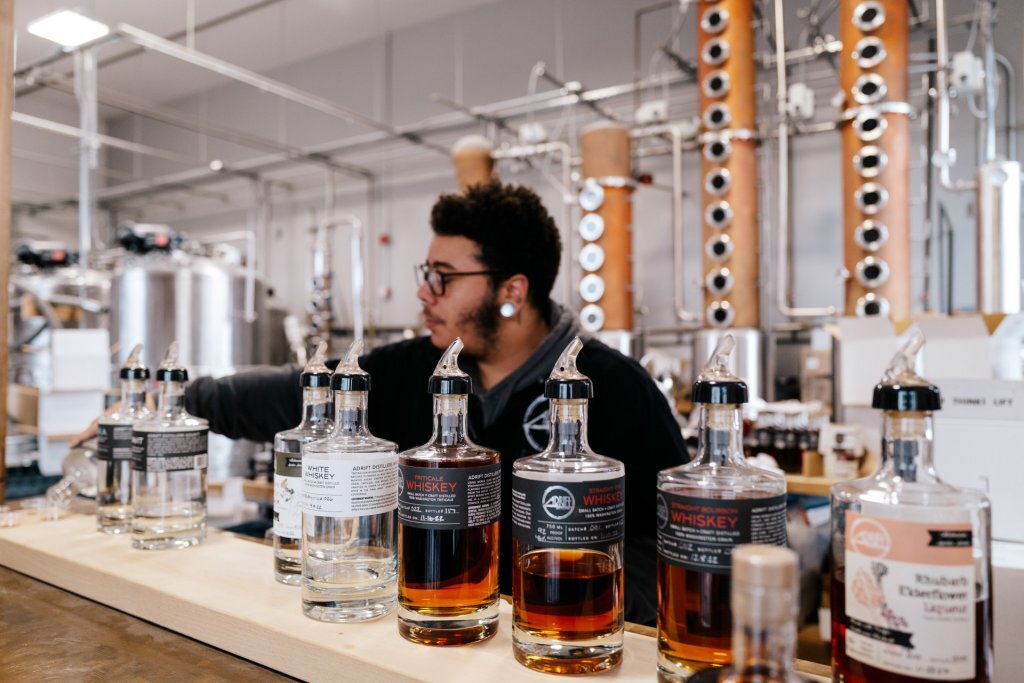
Washington State has quietly become America’s craft spirits center. It now has more than 100 craft distilleries, up from just eight in 2008. Washington leads the nation in distilling. Farms across the region give producers ingredients hard to find elsewhere.
The state is second in U.S. wine production and hosts over 1,800 craft breweries, a strong fermentation culture that naturally supports spirit making. The distilleries featured here represent top products, different regions and memorable tours and tastings.
1. Westland Distillery
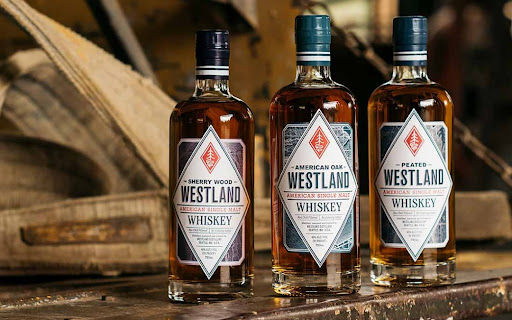
Westland helped start the American single malt movement. They make a sherry-oak finished malt, a peated malt and a flagship unpeated malt, all have won awards. The distillery sits in Seattle’s SODO neighborhood near the stadiums and was making this style before it became widely known.
Westland uses only Skagit Valley grain. One special line uses Skagit barley malted with Washington peat, giving flavors tied to the Pacific Northwest rather than Scotland. Their limited Native Oak Garryana releases come from Garry oak casks, a local wood used only when a tree loses a limb or dies, showing their focus on local ingredients.
The tasting room has indoor and outdoor seating and staff who explain how each bottle was made and what to expect on the palate. You can build a flight and pick the four samples you want.
2. Copperworks Distilling Company
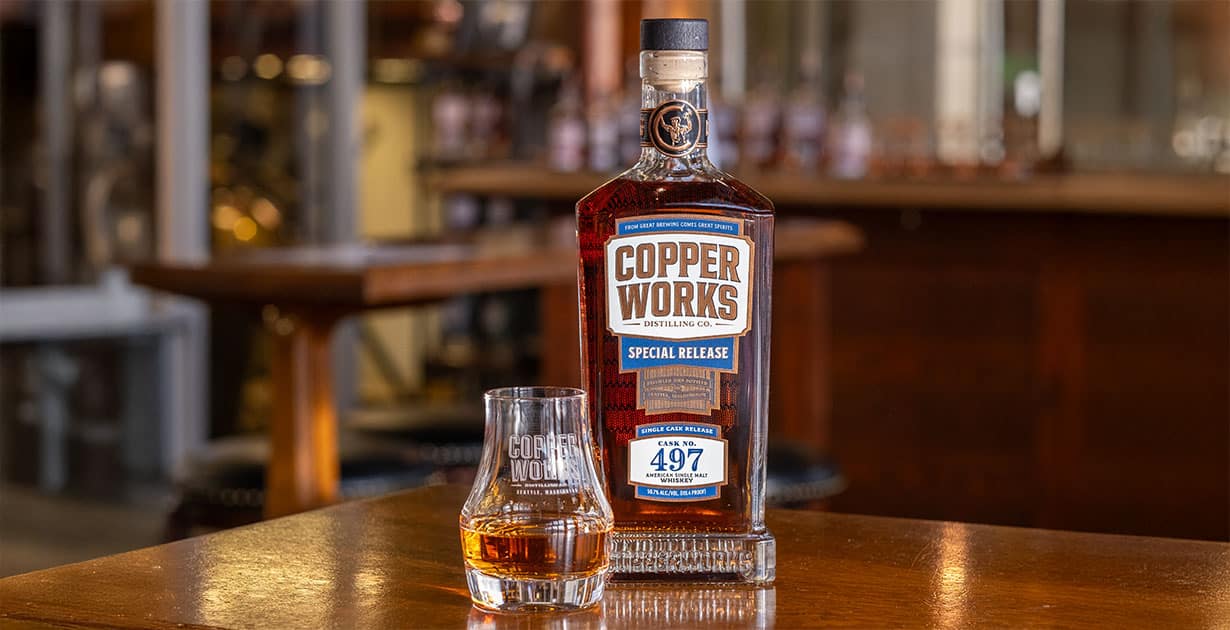
Copperworks sits on the Seattle waterfront near Pike Place Market. Parking can be tricky, but it’s easy to reach if you’re already downtown. The distillery’s polished copper stills and clean design are visible through large windows, giving the space an industrial-chic feel.
They concentrate on American single malt with tight technical control over each batch. The location is close to the Seattle Great Wheel and the Seattle Art Museum, so it’s simple to pair a visit with other sights. A newer Kenmore outpost, just off the Burke-Gilman Trail, has a full cocktail bar and offers pet-friendly indoor and outdoor seating.
3. OOLA Distillery
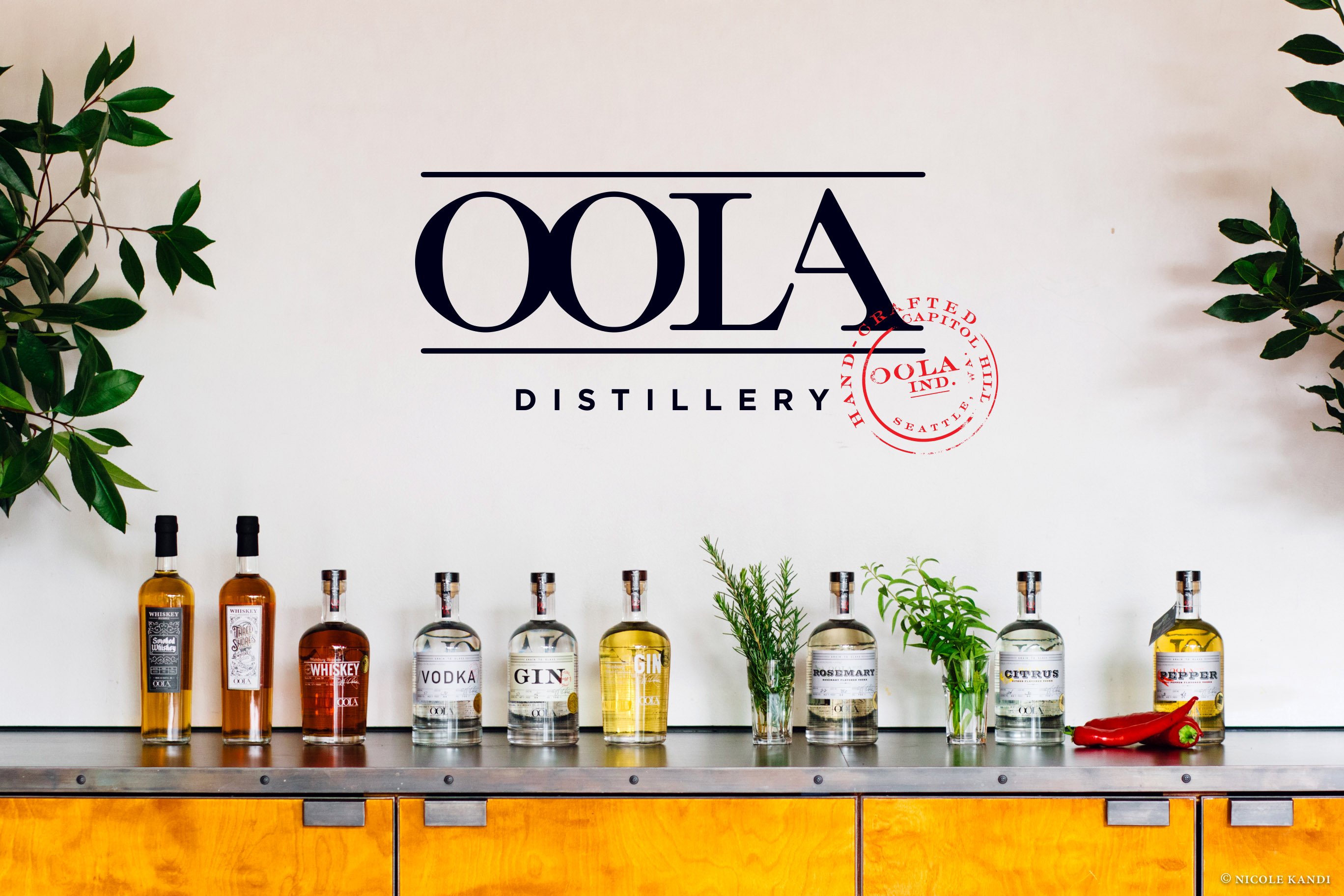
OOLA is a small, award-winning distillery in Capitol Hill with a cozy tasting room and a pretty patio. Their lineup includes a bright chili-pepper vodka, a fragrant barrel-finished gin, and a fierce cask-strength Waitsburg bourbon at 116 proof.
They make vodka, gin, and bourbon with creative flavors. The intimate setting lets visitors meet the makers and feel part of the process. They run a craft cocktail class on the second Wednesday of each month.
The kitchen serves Pacific Northwest small plates, such as gin-cured steelhead with fresh horseradish. For a deeper look, you can book a tour of their larger 12,000-square-foot Georgetown production facility.
4. Fremont Mischief Distillery
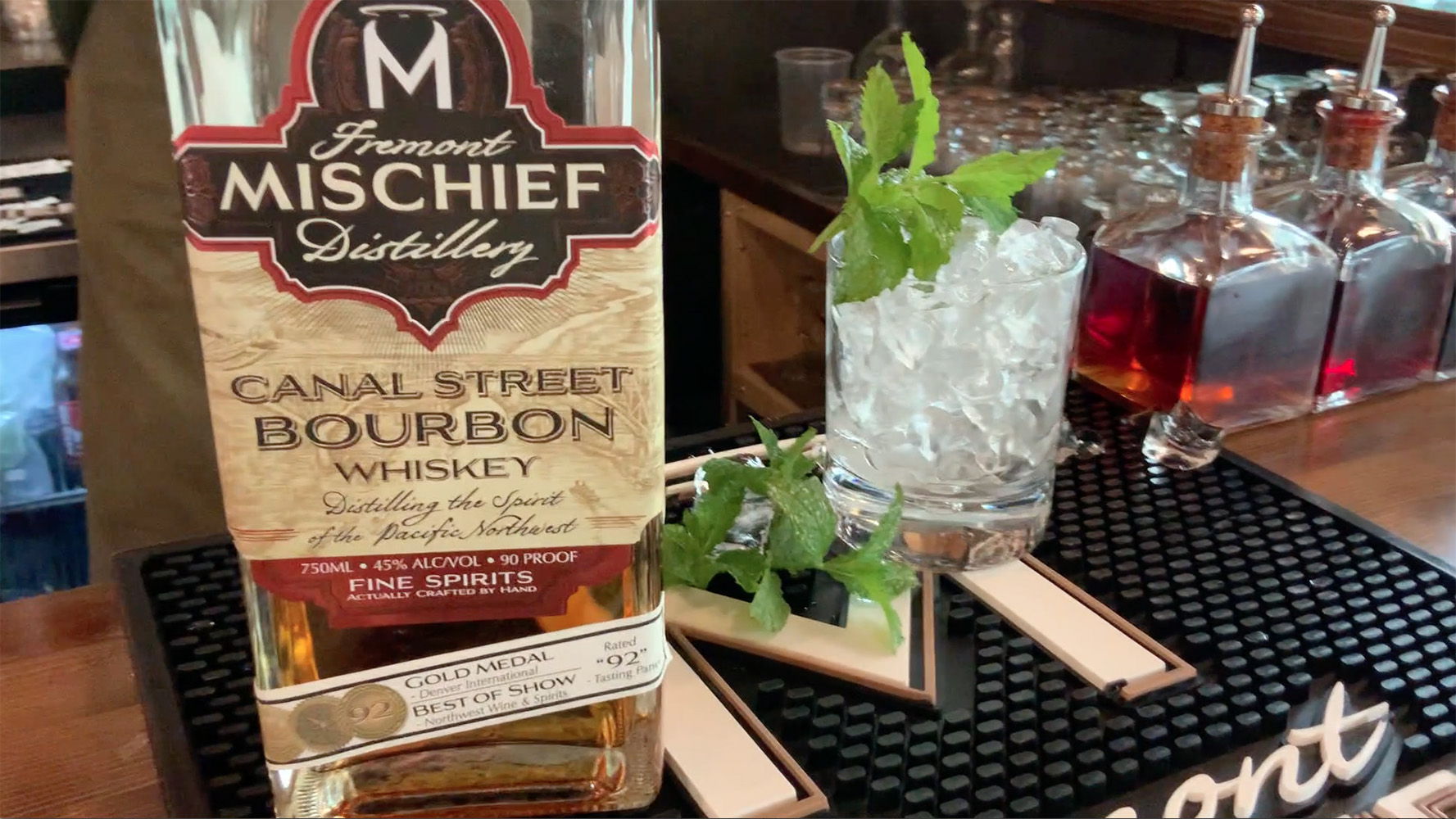
Mike Sherlock and his wife Patti built Fremont Mischief facing the Lake Washington Ship Canal in Seattle. The place uses wood siding and dark metal crow decorations, giving it a steampunk feel that reflects Mike’s past running a shipyard and working as a commercial fisherman.
Their John Jacob Rye Whiskey follows Patti’s grandfather’s recipe: 90% Pacific Northwest rye and 10% malted barley. Using family recipes and local grain makes their spirits feel personal and tied to the region. Mischief combines a distillery, bottle shop, farm-to-table restaurant and music venue.
The mixed-use layout makes it easy to taste spirits, eat and enjoy live music in one visit. They are also known for organic vodkas and whiskies. After a tasting, you can cross the street to the park and watch boats move through the Fremont Cut between Puget Sound and Lake Washington.
5. Sound Spirits
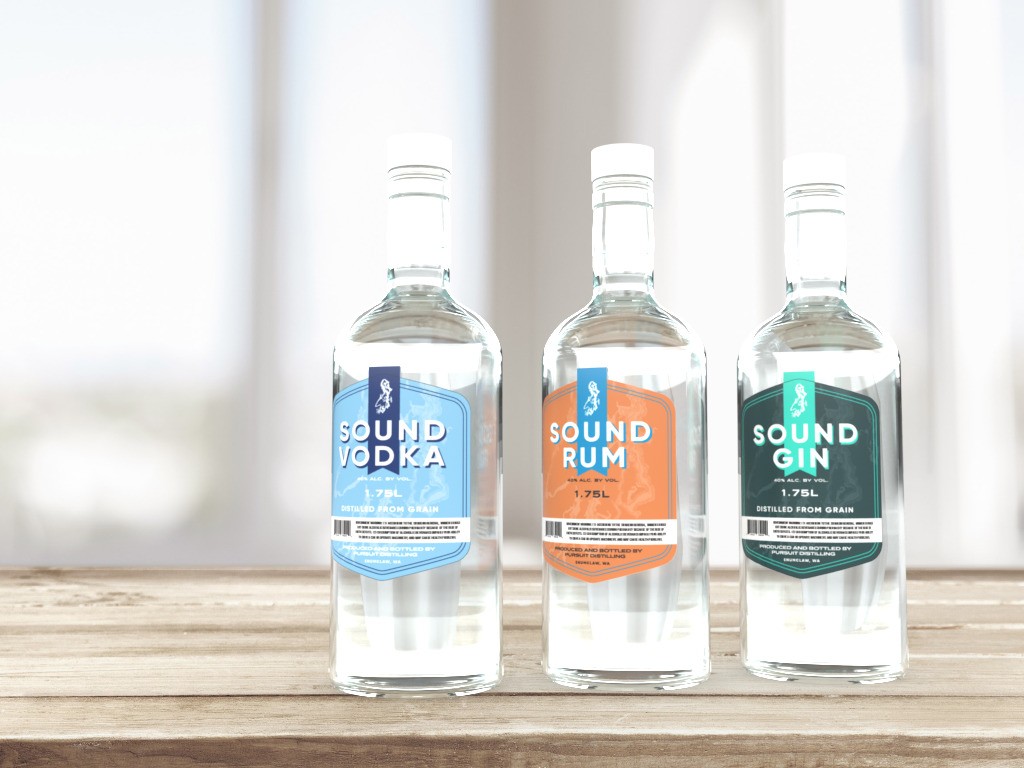
Sound Spirits was the first craft distiller licensed in Seattle since prohibition. From their small Interbay location they make a fine Old Tom–style gin, aquavit and a rich cacao liqueur that pairs well with coffee or ice cream. That early license gives them a special place in Seattle’s modern craft spirits scene.
They later added Madame Damnable, the distillery’s first whiskey, expanding beyond gin and liqueurs. The Interbay spot also stocks bitters and cocktail supplies, so it’s a go-to for home bartenders and fans of small-batch spirits.
6. Batch 206 Distillery
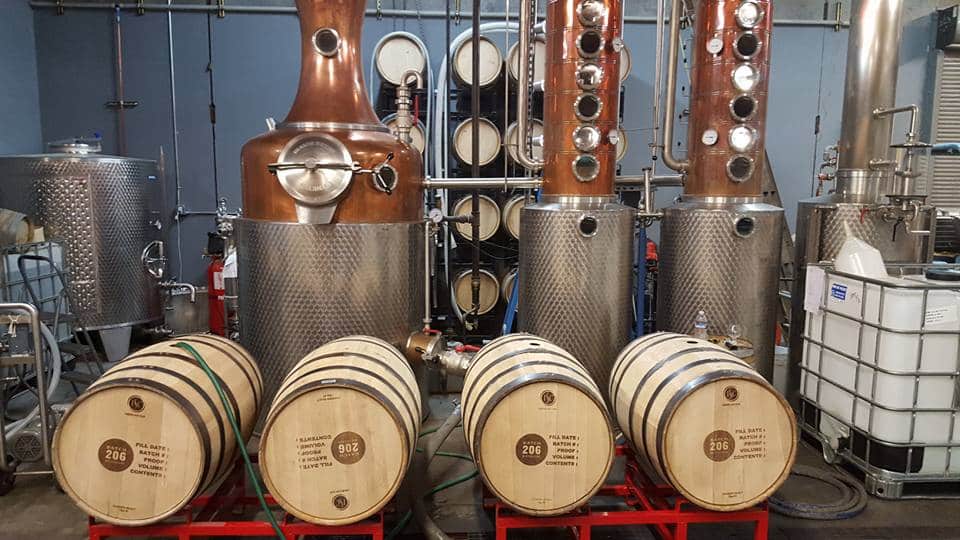
Batch 206 is known for award-winning gin and vodka and for a grain-to-glass approach. All their grain is grown in Washington and they use water from the Cascade Mountains east of Seattle. Their first in-house bourbon uses a mash of 51% corn and 49% barley, is run through a combination still and ages 19–26 months in new, charred American oak.
This marks a shift from buying bourbon to making it themselves. The bourbon’s name, Old Log Cabin, nods to a long American whiskey tradition while grounding the spirit in Washington-grown ingredients.
7. Woodinville Whiskey Co.
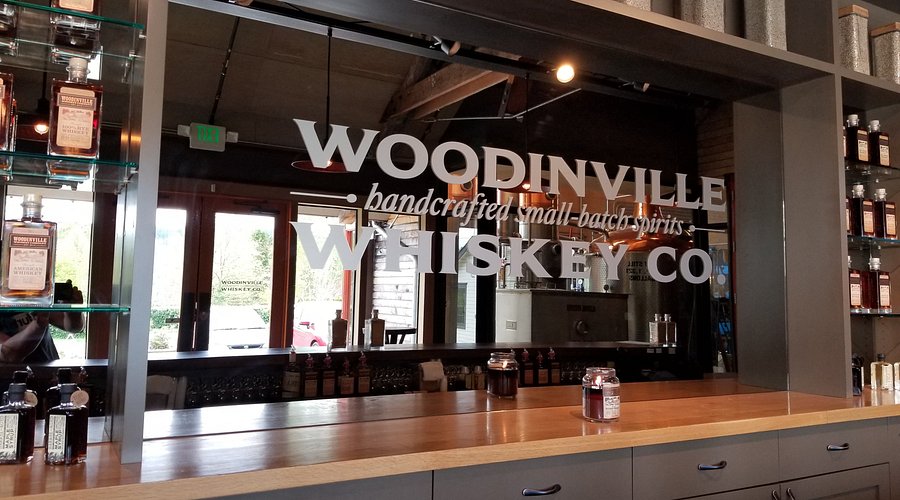
The tasting room is open daily from 11:00 am to 6:00 pm. No reservation is needed. Orlin Sorensen and Brett Carlisle founded Woodinville Whiskey Company with the goal of making top-quality craft whiskey. They worked with David Pickerell, who spent 14 years as master distiller at Maker’s Mark.
Their spirits use a high-rye bourbon and a straight rye made from 100% rye. They also make wine-finished bourbons, including Moscatel and Sherry finishes that take advantage of the nearby wine region and they mention the health benefits of cbd wine in some special releases.
Woodinville Wine Country offers a Spirit Trail Pass that includes Monson Ranch Distillers, Northwest Spirits, Puget Sound Rum Company, Wildwood Spirits, Wohlfert Craft Distilling and Woodinville Whiskey.
8. Wildwood Spirits Co.
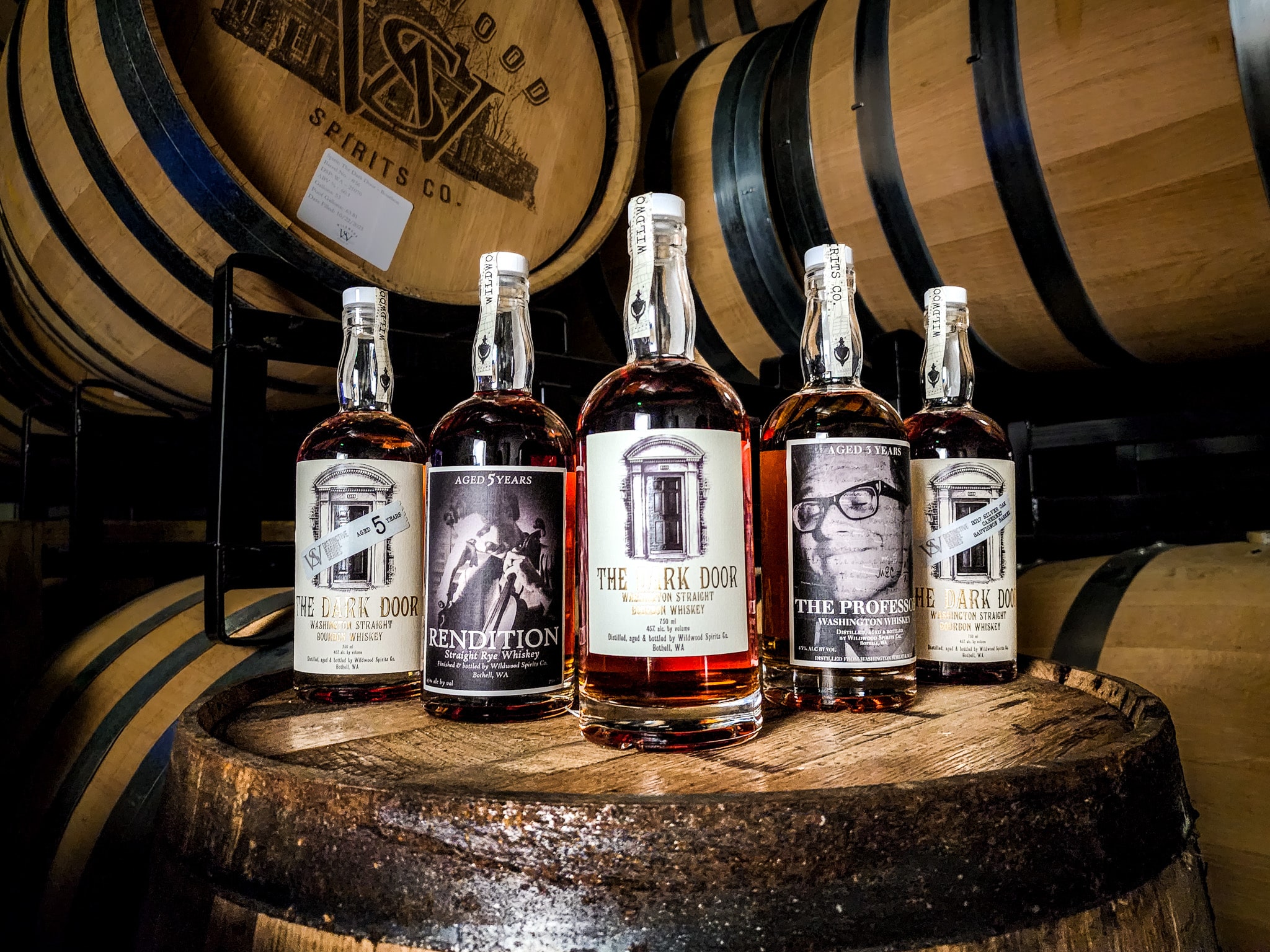
Wildwood Spirits sits in Woodinville’s warehouse district and makes vodka, gin, whiskey, and liqueurs. They use Northwest ingredients and new techniques in small-batch production, so each spirit gets careful attention.
The tasting room points out their range and the distillery is part of the Spirit Trail Pass, making it easy to visit with other local producers.
9. Washington Creek Distillery
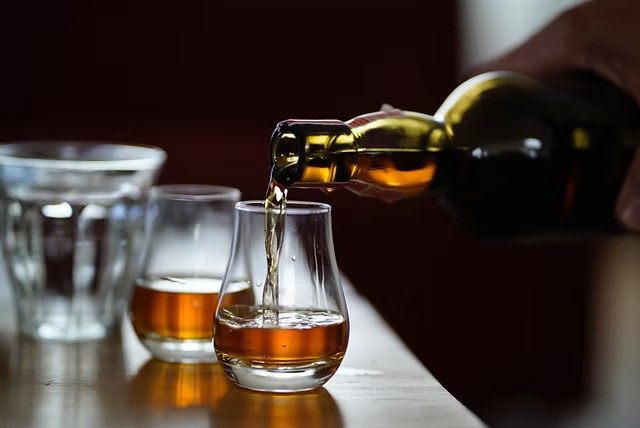
Washington Creek Distillery is in the Warehouse District of Woodinville. The tasting room is open five days a week: Wednesday to Friday from 3:00 pm to 7:30 pm and Saturday and Sunday from 11:00 am to 6:00 pm.
They focus on giving guests a quality tasting experience rather than long hours. Staff guide tastings for both experienced drinkers and those new to spirits. The venue also hosts corporate events and private celebrations.
Washington Creek specializes in bourbon and rye, aiming to raise standards for fine spirits. Their location places them among many local craft beverage makers.
10. Dry Fly Distilling
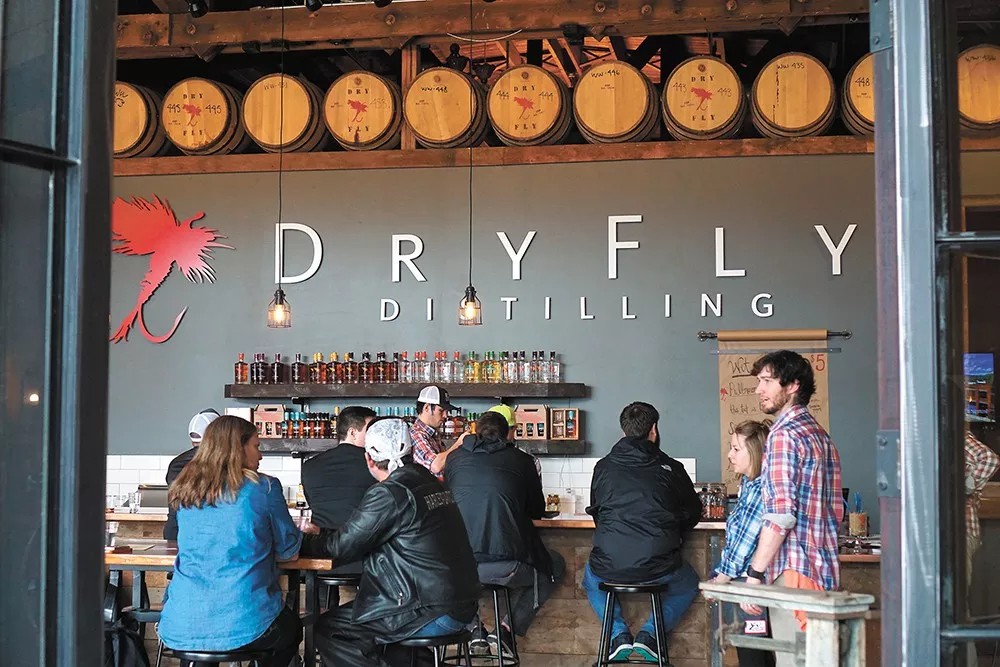
Kent Fleischmann and a small team fought to change state laws so distilleries could grow. Their push made Dry Fly the first craft distillery in Washington. Without that effort, the state’s distillery scene might not exist.
Fleischmann was unhappy that some so-called craft distilleries bought alcohol elsewhere and only aged it locally. He built Dry Fly to use ingredients from nearby farms, mostly within a 30-mile radius and to age its whiskeys at least three years.
They follow a grain-to-glass approach and refuse shortcuts. The distillery has several award-winning whiskeys. One is Straight Triticale, a rye-wheat blend finished in huckleberry port barrels from a local winery. They also make a true 10-year Single Malt. Their Bourbon 101 was the first legal bourbon made in Washington.
11. Distillarium
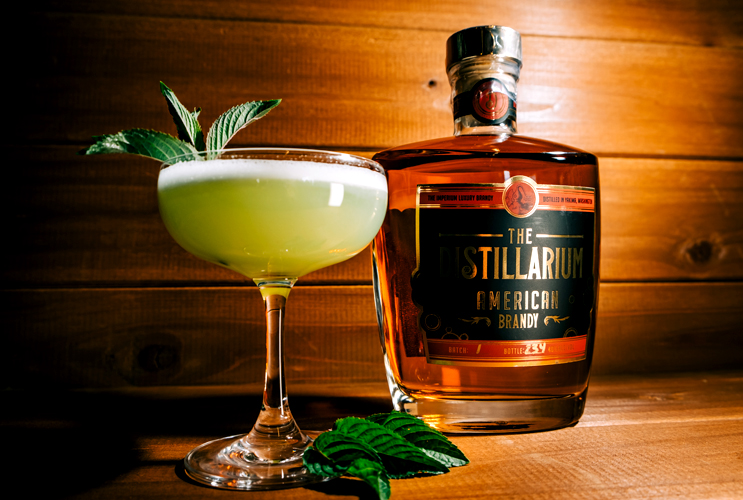
Distillarium draws its ingredients from the Yakima Valley. The distillery uses local corn for its cask-strength bourbon, riesling and chardonnay grapes for a smooth VSOP American brandy, and rhubarb for a lightly sweet flavored vodka.
Sited just across the Yakima River downtown, the space is a modern warehouse with indoor and outdoor seating. A restaurant on site pairs well with cocktails and serves dishes like braised short ribs with a whiskey-infused sauce.
Tours explain how valley soil and climate shape each spirit. By combining distillery, restaurant, and tasting room, Distillarium offers a full beverage experience instead of only brief tastings.
12. Bainbridge Organic Distillers
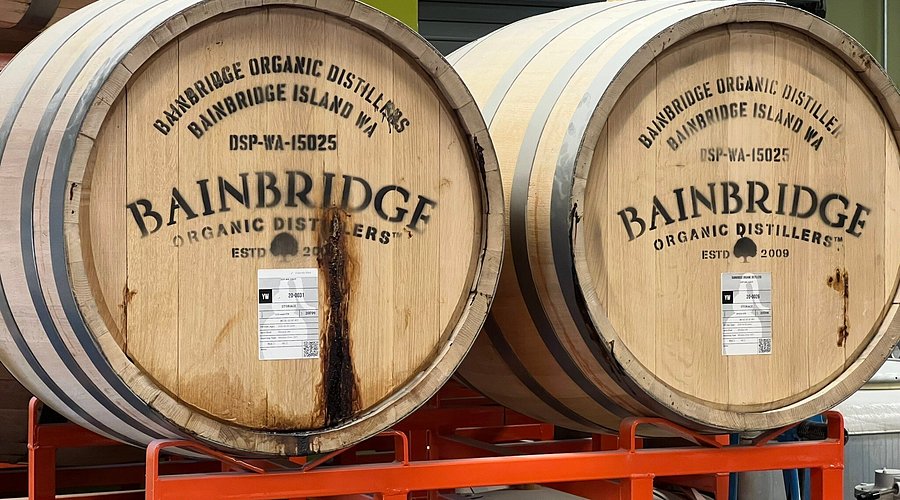
Bainbridge Organic Distillers was the first certified organic distillery in Washington. They buy organic grain from farms in Walla Walla, Skagit and Snohomish counties. The distillery sits on Bainbridge Island, just west of Seattle and the short ferry ride adds to the visit.
Prospective distillers can also find guidance on getting a distilling license in the united states, including federal and state permit requirements and the steps to apply. Their line includes a single-grain wheat whiskey that is double distilled and aged two years in new No.3 charred ten-gallon American white oak barrels.
13. Chuckanut Bay Distillery
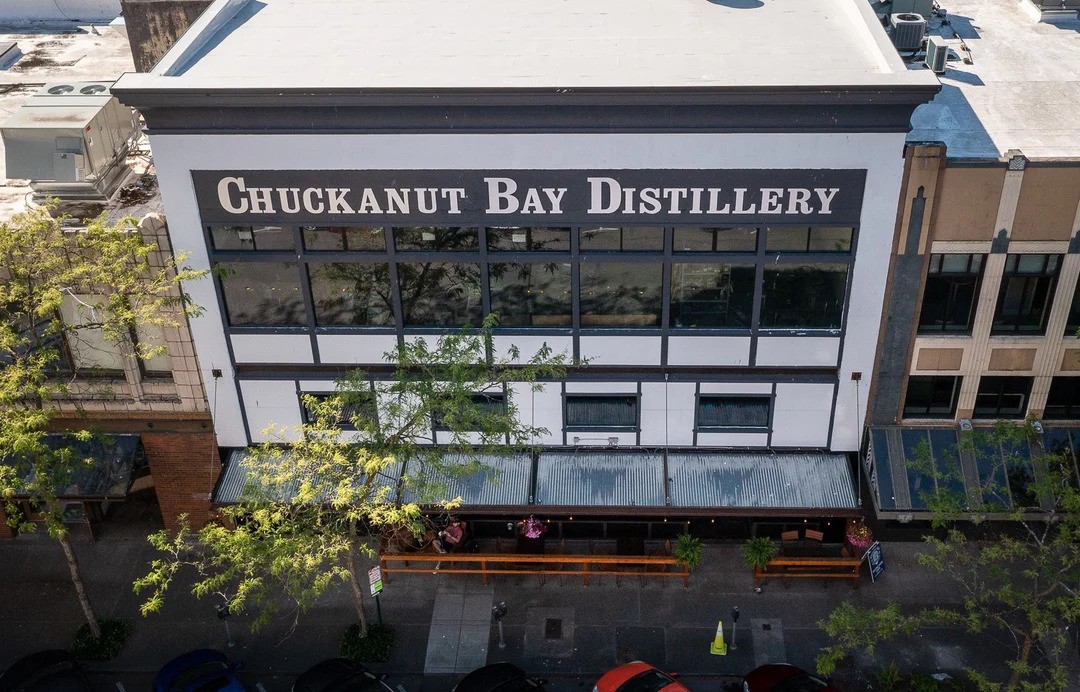
Located in an elegant downtown building, Chuckanut Bay runs one-hour tours that include two small cocktails; booking online is recommended.
The spot is easy to pair with Bellingham’s restaurants, shops and waterfront. They make bourbon, rye, vodka and gin, plus unusual items like a hops-infused schnapps and Madame Richelieu absinthe.
The space also houses the two-story Penny Farthing Bar & Restaurant, where dishes use the distillery’s spirits, think whiskey queso dip, bourbon crab bisque and tiramisu soaked in coffee liqueur. The menu shows how their products work beyond drinks.
14. Heritage Distilling Co.
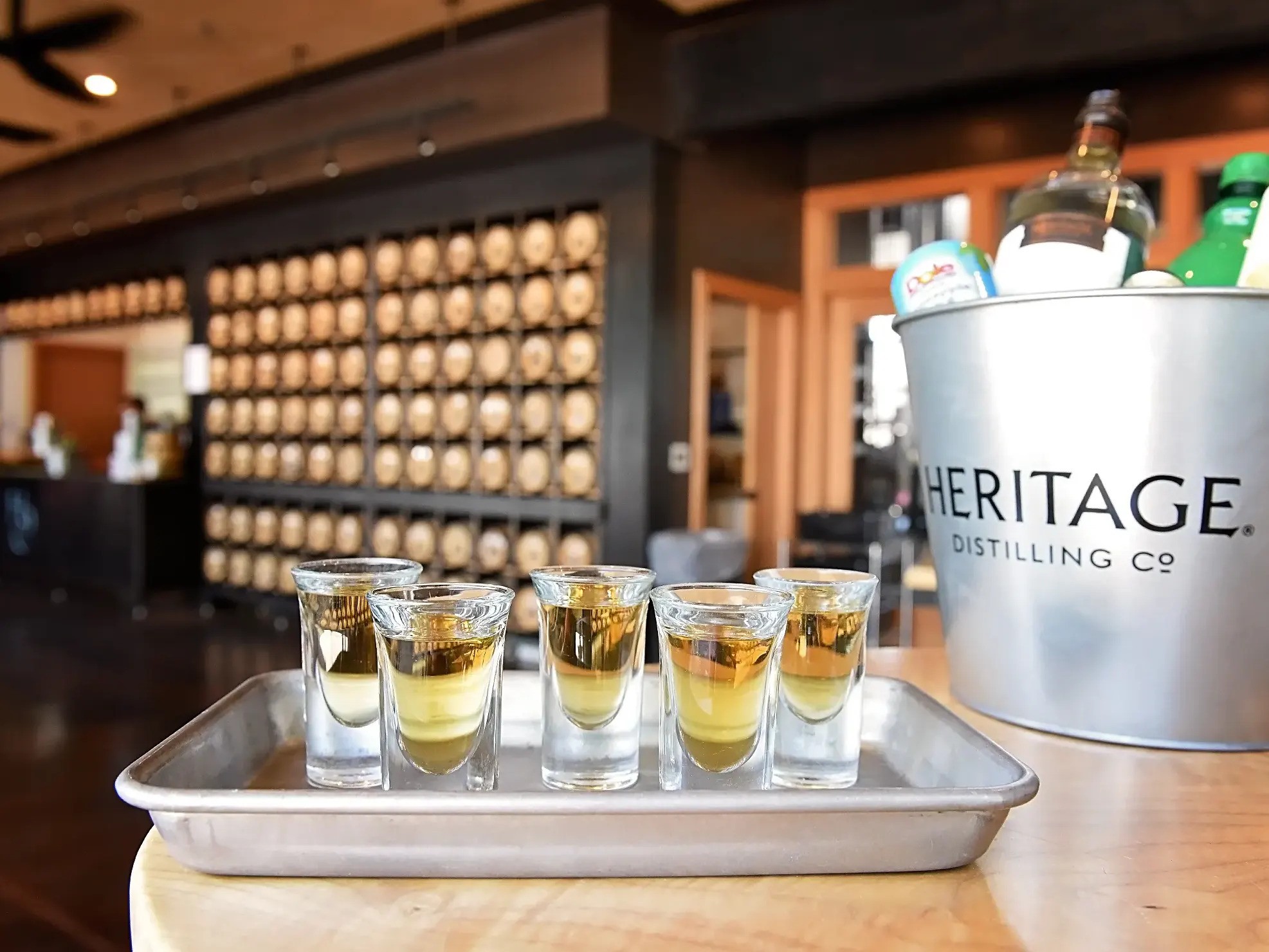
Heritage is known for friendly staff and solid spirits. Visitors enjoy tours, tastings and bottle sales while staff explain how each product is made and what to expect on the palate.
Its location near Suncadia Resort draws guests on vacation looking for a local craft experience. Their bourbon, vodka and gin reflect strong technique across styles. Combined with warm service and a charming small-town setting, visits tend to stick in the memory.
15. Sandstone Distillery
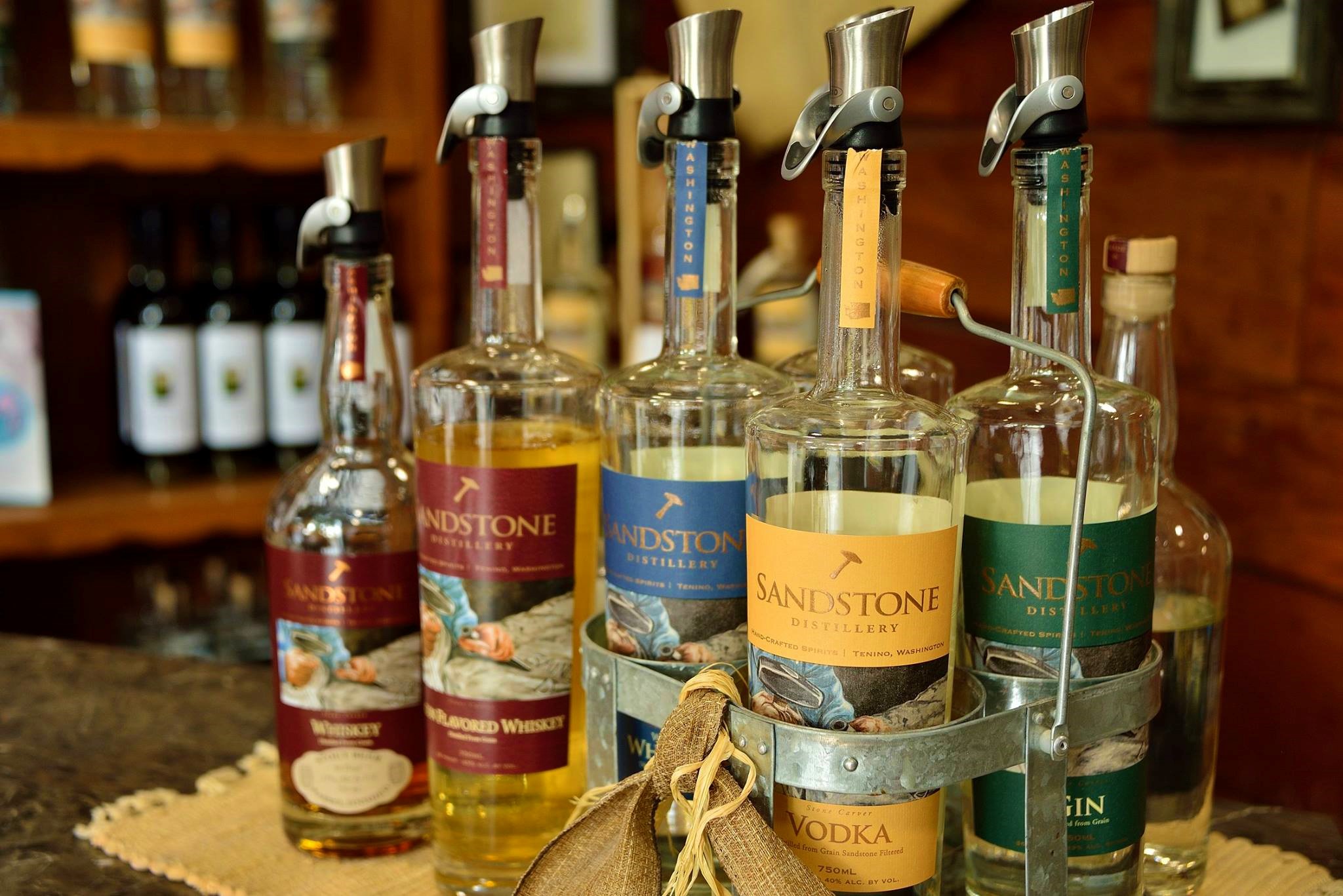
Set in green fields just outside Tenino, Sandstone Distillery invites visitors for tasting flights and behind-the-scenes tours. The name honors the area's sandstone quarry past, and the quiet setting offers a calm break from busy city tasting rooms.
With a 5.0 Google rating, visitors praise the friendly service and strong attention to quality. Flights show the range of spirits and tours walk guests through small-batch production in clear, easy terms.
16. Wishkah River Distillery
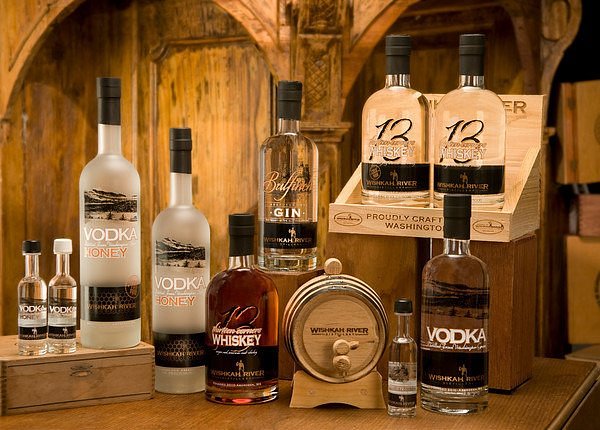
On Washington’s Olympic Peninsula in Aberdeen, Wishkah River sits beside the river that gives it its name. It serves travelers visiting the rugged west coast.
The team makes an American malt whiskey from Washington malted barley, soft white winter wheat, and malted rye. They say more than 95% of their grains come from the state, a real commitment to local sourcing.
17. Whidbey Island Distillery
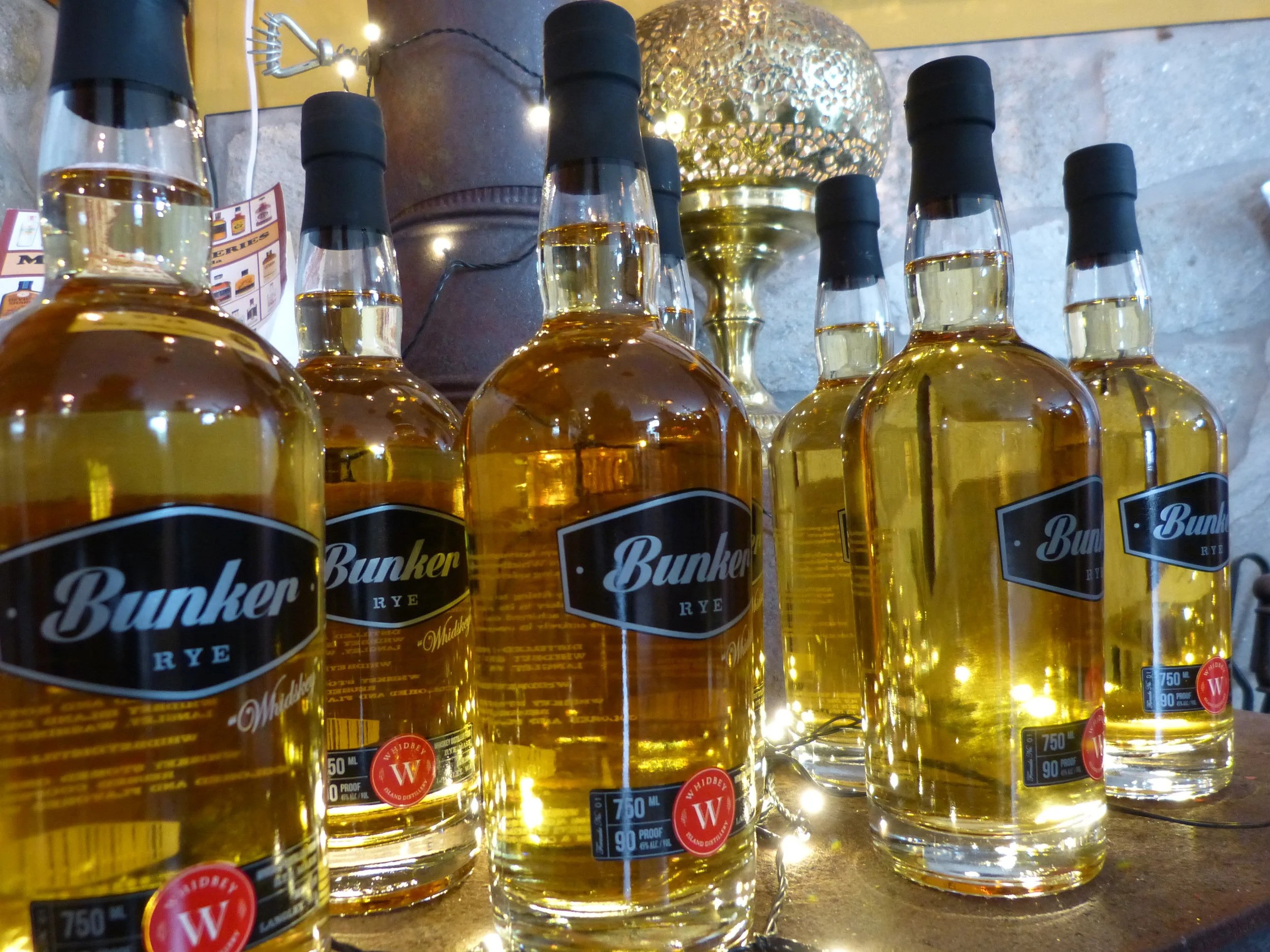
Located in Langley, Whidbey Island Distillery holds a 4.9 Google rating and stays open until about 7:00 PM most evenings. Reaching the spot by ferry adds a scenic touch to visits.
The makers blend island farming traditions and maritime influence into their spirits, giving them a distinct Puget Sound character. Staff focus on warm hospitality and clear explanations of how the spirits are made, so guests leave with a better understanding and taste for small-batch craft.
FAQs About Washington Distilleries
How Many Distilleries Are Open In Washington State?
There are now more than 100 craft distilleries across Washington.
What Kinds Of Spirits Do Washington Distilleries Make?
Washington producers make many spirits, bourbon, rye, single malt whiskey, vodka, gin, rum, brandy, liqueurs and absinthe.
Do Distilleries In Washington Run Tours?
Many sites give short behind-the-scenes visits or longer one-hour tours. Some require reservations, others accept walk-ins.
Can I Buy Bottles At Washington Distilleries?
Washington law lets distilleries sell bottles at their tasting rooms. Most offer on-site sales and often have limited releases or tasting-room exclusives you can’t find in stores.
What Makes Washington Spirits Different From Other States?
The state has rich farms and orchards, lots of grain, apples, cherries and pears. Distillers use these local crops to make spirits with a regional feel.
How Can I Learn About The Distilling Process During A Visit?
Join a tour or ask the tasting room staff questions. Staff commonly explain how spirits are made, where ingredients come from and how flavors develop.
Final Thoughts
Washington State has more distilleries than any other state, with over 100 small producers from Seattle out to the Olympic Peninsula. They make many kinds of spirits. Each maker offers something different, a rare ingredient, a new way of aging or a fresh twist on an old recipe.
What ties them together is a focus on top-quality products, using local crops when possible and inventing rather than copying. The distilleries featured here are standouts across styles and regions. Some helped change laws that opened the door for smaller producers. .
Also Check Out: Wine Tasting In France
Jump to
1. Westland Distillery
2. Copperworks Distilling Company
3. OOLA Distillery
4. Fremont Mischief Distillery
5. Sound Spirits
6. Batch 206 Distillery
7. Woodinville Whiskey Co.
8. Wildwood Spirits Co.
9. Washington Creek Distillery
10. Dry Fly Distilling
11. Distillarium
12. Bainbridge Organic Distillers
13. Chuckanut Bay Distillery
14. Heritage Distilling Co.
15. Sandstone Distillery
16. Wishkah River Distillery
17. Whidbey Island Distillery
FAQs About Washington Distilleries
Final Thoughts

Paolo Reyna
Author
Paolo Reyna is a writer and storyteller with a wide range of interests. He graduated from New York University with a Bachelor of Arts in Journalism and Media Studies.
Paolo enjoys writing about celebrity culture, gaming, visual arts, and events. He has a keen eye for trends in popular culture and an enthusiasm for exploring new ideas. Paolo's writing aims to inform and entertain while providing fresh perspectives on the topics that interest him most.
In his free time, he loves to travel, watch films, read books, and socialize with friends.

James Pierce
Reviewer
James Pierce, a Finance and Crypto expert, brings over 15 years of experience to his writing. With a Master's degree in Finance from Harvard University, James's insightful articles and research papers have earned him recognition in the industry.
His expertise spans financial markets and digital currencies, making him a trusted source for analysis and commentary. James seamlessly integrates his passion for travel into his work, providing readers with a unique perspective on global finance and the digital economy.
Outside of writing, James enjoys photography, hiking, and exploring local cuisines during his travels.
Latest Articles
Popular Articles