Dr. John DenBoer On Rethinking Aging, Innovation, And How Families Can Shape What’s Next
During his time in practice, Dr. John DenBoer frequently worked with older adults showing early signs of memory loss. One theme kept coming up: by the time they reached him, it was often too late to make a real difference.
Author:Daniel JamesReviewer:Karan EmeryJun 26, 20251.8K Shares110.1K Views
Introduction
People are living longer, but not necessarily better. With age comes a host of challenges—cognitive decline, financial uncertainty, and shifting family roles among them. It’s no longer enough to react when problems appear. Increasingly, the conversation is shifting to how we can prepare early and intentionally.
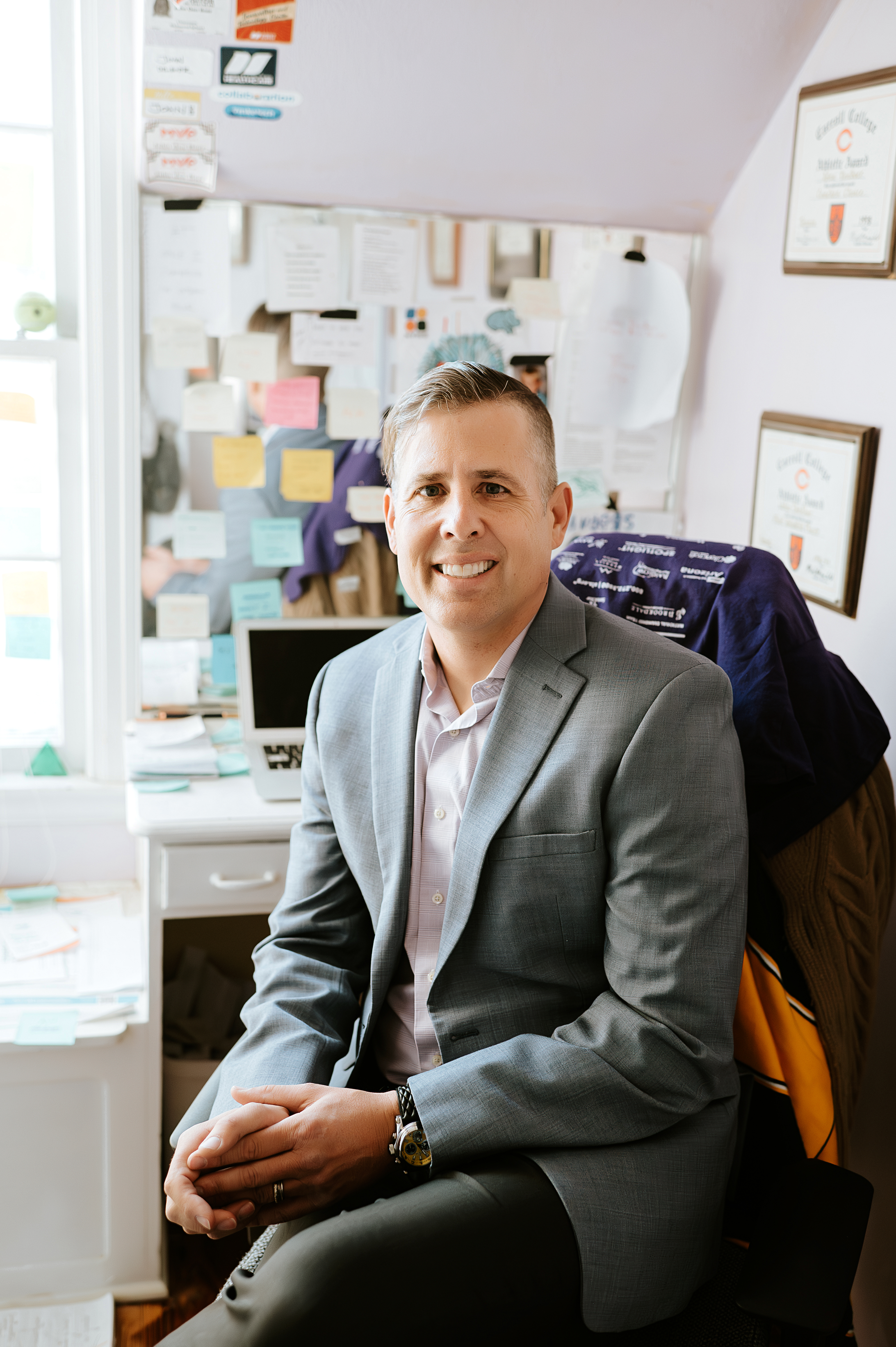
That question drives much of the work done by Dr. John DenBoer. A former clinical neuropsychologist and adjunct professor at the University of Wisconsin–Milwaukee, he has spent years studying the way we approach aging, from how the brain changes to how wealth is preserved across generations.
His path connects healthcare, education, and strategy—three areas that don’t always meet, but probably should.
Understanding The Brain, Before It Slips Away
During his time in practice, Dr. John DenBoer frequently worked with older adults showing early signs of memory loss. One theme kept coming up: by the time they reached him, it was often too late to make a real difference.
That realization shifted his focus toward prevention. He began working on programs that could help people strengthen cognitive function before things began to slide. These efforts included exercises built around memory, attention, and processing speed, delivered through digital platforms for easy access.
Research partnerships, including work with UCLA, revealed something promising: people who used these methods regularly appeared to delay the onset of dementia for more than two years,
in some cases. The programs didn’t cure anything, but they gave people more independence, less confusion, and a stronger sense of control.
Grants from the Arizona Commerce Authority and the Flinn Foundation helped bring those tools to a wider group.
From The Clinic To The Public
In 2019, Dr. John DenBoer released a book called This Is Dementia: My Journey Through Dementia. It wasn’t a medical manual. It was written for the people in the waiting rooms—spouses, kids, and caregivers who are left to navigate the complexities of aging without much clear guidance.
That same year, the book was adapted into a documentary by Netflix. It featured interviews, real stories, and practical explanations of what happens when memory fades and how families cope. The film added visibility to a topic that many still find difficult to talk about.
Since then, his voice has appeared in Forbes, Newsweek, and other national outlets. He’s also spoken at events focused on healthcare, longevity, and impact investing.
A Shift Toward Systems: Family Offices And Innovation
More recently, John DenBoer’s focus has expanded beyond the clinic and into the systems that influence how we age, specifically, the structures that manage long-term wealth and legacy.
Family offices, which oversee the assets of ultra-wealthy individuals and families, have long centered their work on financial stability. That often means avoiding risk and sticking to what’s known. But with generational turnover, new priorities are emerging: sustainability, social impact, technology, and health.
In his academic and advisory work, Dr. DenBoer explores how these offices can adopt innovation models that align with evolving values. One option that’s gained attention: the venture studio.
A Different Model For Building
A venture studio isn’t like a VC fund. Instead of betting on someone else’s startup, a studio builds businesses from the inside. It starts with an idea, then brings in the people, tools, and
funding to test and develop it. The entire process—from concept to launch—happens under one roof.
This approach appeals to family offices for a few reasons:
● They retain more control over direction
● The companies built can reflect their values
● The risk can be spread across several ventures
● It’s more hands-on than passive investing, without being chaotic
It also fits the mindset of many younger family members, who often seek purpose-driven work and impact, not just returns.
Where It’s Already Happening
This isn’t just theory. Some well-known families have already started to experiment with these models.
The Waltons, through ZomaLab, are working with venture studios focused on education and climate technology. The Pritzker Group blends private equity and studio practices to build companies in manufacturing and healthcare. Other smaller families are setting up in-house studios aimed at revitalizing rural economies or developing aging-focused tech.
It’s a quiet trend, but one with long-term implications. Instead of just passing wealth down, families are building structures that allow them to shape the future more directly.
Bridging Two Cultures
Family offices and startup studios come from different worlds. One is cautious and generational. The other moves fast and breaks things.
To make this work, Dr. John DenBoer suggests finding ways to connect the two. That could mean setting up small internal teams focused on innovation, creating advisory roles for younger family members, or partnering with experienced studio operators.
The goal isn’t to turn the whole office into a lab. It’s to make space for experimentation, while still honoring the values that built the family’s foundation.
A Map For Families Who Want To Start
In his work, Dr. John DenBoer outlines a flexible structure for families considering the venture studio route:
1. Start with themes – Identify areas that matter most: aging, clean energy, digital health, etc.
2. Decide on the setup – Will the studio be in-house or a partnership with an external group?
3. Find your people – Studios need operators, builders, and creatives.
4. Clarify decision-making – Make sure governance roles are clearly defined.
5. Track what matters – Metrics like time to product launch or return on investment help guide next steps.
6. Plan your exits – Not every company built will be a long-term hold. That’s okay.
The point isn’t perfection. It’s learning what works, adapting along the way, and being willing to try.
Where It All Connects
At first glance, brain health and venture innovation may seem unrelated. But for Dr. John DenBoer, they reflect the same concern: What are we doing today to prepare for what’s coming?
His career has involved helping individuals and families navigate the aging process with more dignity and more options. That now includes building strategies that give families the tools to invest in the future they want, not just financially, but structurally.
There’s no one-size-fits-all plan. But thinking in systems—about health, money, technology, and legacy—is a start.
About Dr. John DenBoer
Dr. John DenBoer was born on August 15, 1977, in Waukesha, Wisconsin. A former Geriatric Neuropsychologist, he has dedicated his career to understanding the complexities of aging and cognitive health. His clinical training took place at the VA Boston Healthcare System, affiliated with Boston University School of Medicine and Harvard Medical School, followed by postdoctoral work at the Barrow Neurological Institute, a leading center in neuroscience research.
Today, Dr. John DenBoer blends his clinical expertise with an entrepreneurial spirit, working to develop innovative approaches that help families and systems prepare thoughtfully for the future of aging. His work bridges brain health, technology, and legacy planning, offering practical solutions to meet the challenges of today and tomorrow.
Jump to
Daniel James
Author
Daniel James is a distinguished gerontologist, author, and professional coach known for his expertise in health and aging.
With degrees from Georgia Tech and UCLA, including a diploma in gerontology from the University of Boston, Daniel brings over 15 years of experience to his work.
His credentials also include a Professional Coaching Certification, enhancing his credibility in personal development and well-being.
In his free time, Daniel is an avid runner and tennis player, passionate about fitness, wellness, and staying active.
His commitment to improving lives through health education and coaching reflects his passion and dedication in both professional and personal endeavors.
Karan Emery
Reviewer
Karan Emery, an accomplished researcher and leader in health sciences, biotechnology, and pharmaceuticals, brings over two decades of experience to the table. Holding a Ph.D. in Pharmaceutical Sciences from Stanford University, Karan's credentials underscore her authority in the field.
With a track record of groundbreaking research and numerous peer-reviewed publications in prestigious journals, Karan's expertise is widely recognized in the scientific community.
Her writing style is characterized by its clarity and meticulous attention to detail, making complex scientific concepts accessible to a broad audience. Apart from her professional endeavors, Karan enjoys cooking, learning about different cultures and languages, watching documentaries, and visiting historical landmarks.
Committed to advancing knowledge and improving health outcomes, Karan Emery continues to make significant contributions to the fields of health, biotechnology, and pharmaceuticals.
Latest Articles
Popular Articles