Electric Vehicles And Their Impact On The Environment
If we need to give a short answer, electric vehicles are overall better for the environment. While working they emit zero emission but this does not mean they are completely harmless to the environment.
Author:Tyreece BauerReviewer:Gordon DickersonMar 07, 2024104.8K Shares1.8M Views

Electric Cars Or Fossil Fuel-powered Cars - Which Is Better?
If we need to give a short answer, electric vehicles are overall better for the environment. While working they emit zero emission but this does not mean they are completely harmless to the environment.
We need to take two other important factors: the manufacturing process and the source of energy they take. For example, if you use coal-fired power stations, your EV might generate a lot of greenhouse gas emissions.
Studies have shown that even with the consideration of gases from the generation of electricity, the greenhouse gases produced by an electric car are significantly lower than those produced by an ICE car in its whole lifetime.
The “greenest” way to drive an electric vehicle is when you charge it with electricity from renewable sources. Such are wind, solar, hydro, and biofuels. One way to become completely independent and emission-free is by deploying solar panels in your house. This will reduce your electricity bills and you will contribute to the greener means of transport.
Do Electric Vehicles Decrease Emissions?
Yes, EVs emit less emission than fossil fuel vehicles. Research has proved that compared to conventional vehicles, EVs have lower lifecycle emissions, even when these are considered together with emissions from battery manufacture and electricity generation, with the evidence pointing in the direction that lifecycle emissions from electric vehicles will still be lower as renewable energy uptake gets a boost in the grid mix.
Is Electric Cars Manufacturing Green?
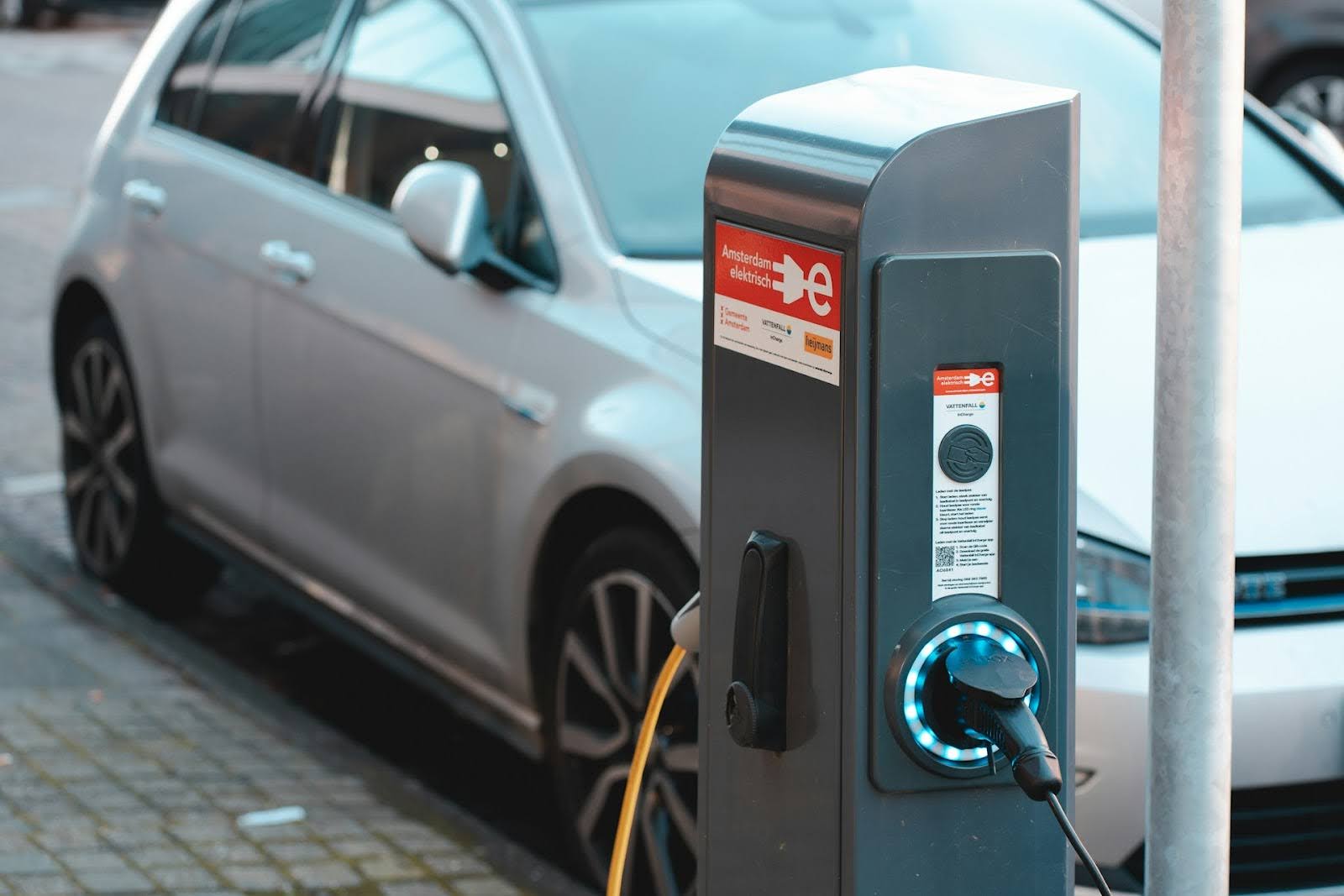
A 2021 study by Transport & Environment (T&E) study states that average life cycle emissions from a mid-sized EV in the U.S. add up to 60-68% less than that of a similar gasoline car.
Alternatively, in the study, the production emissions of a car are shown to be about 36% higher for an EV than for a gasoline car, primarily due to battery manufacture. The T&E study estimated that battery production contributes to about 23% of the total life cycle emissions of an EV in the U.S.
The procedure of car manufacturing is not so eco-friendly in any kind of vehicle but more in the case of EVs than in the case of conventional vehicles in the U.S. market. An EV emits higher emissions during production than gasoline cars, but the lower operating emissions over the lifetime compensate for that.
The environmental aspect of EVsis going to be further improved with the adoption of more sustainable ways in the production and application of EVs. So, the biggest problem with the electric vehicle manufacturing industry is battery production. You may now think, in this regard, whether these batteries are recycled.
What Happens With Electric Car Batteries?
Yes, the battery of an electric car can be recycled. As has been described before, an electric car battery includes lithium-ion cells that have different kinds of metals such as lithium, cobalt, nickel, manganese, and aluminum.
These metals are of high value and easily get recovered for recycling for several other purposes.
Recycling electric car batteries helps save valuable resources, reduces the requirement of fresh material mining, and saves the environment by avoiding the entrance of health hazardous substances into landfills.
Are EV Cables and EV Adapters Eco-friendly?
There are two important accessories for an electric car: EV cablesand EV adapters. Most owners must have them to use and charge their cars seamlessly. It is safe to say that both of these accessories are eco-friendly for 2 main reasons.
First, any of these accessories rarely break. To disrupt the functionality of these products you need to literally destroy them. These products can withstand pressure of 2 tons and more so destroying them is quite hard.
The second reason why these products are considered eco-friendly is their recyclability. These products are mainly made of copper and alloy which are easily recyclable.

Tyreece Bauer
Author
A trendsetter in the world of digital nomad living, Tyreece Bauer excels in Travel and Cybersecurity. He holds a Bachelor's degree in Computer Science from MIT (Massachusetts Institute of Technology) and is a certified Cybersecurity professional.
As a Digital Nomad, he combines his passion for exploring new destinations with his expertise in ensuring digital security on the go. Tyreece's background includes extensive experience in travel technology, data privacy, and risk management in the travel industry.
He is known for his innovative approach to securing digital systems and protecting sensitive information for travelers and travel companies alike. Tyreece's expertise in cybersecurity for mobile apps, IoT devices, and remote work environments makes him a trusted advisor in the digital nomad community.
Tyreece enjoys documenting his adventures, sharing insights on staying secure while traveling and contributing to the digital nomad lifestyle community.

Gordon Dickerson
Reviewer
Gordon Dickerson, a visionary in Crypto, NFT, and Web3, brings over 10 years of expertise in blockchain technology.
With a Bachelor's in Computer Science from MIT and a Master's from Stanford, Gordon's strategic leadership has been instrumental in shaping global blockchain adoption. His commitment to inclusivity fosters a diverse ecosystem.
In his spare time, Gordon enjoys gourmet cooking, cycling, stargazing as an amateur astronomer, and exploring non-fiction literature.
His blend of expertise, credibility, and genuine passion for innovation makes him a trusted authority in decentralized technologies, driving impactful change with a personal touch.
Latest Articles
Popular Articles