"If Not Now, When?" - Emotional Call For Indigenous Referendum In Australia
Australian Prime Minister Anthony Albanese has announced emotional call for Indigenous Referendum in Australia in the country's constitution. The announcement was made in a moving speech at the National Press Club on Wednesday.
Author:Dexter CookeReviewer:Hajra ShannonMar 24, 2023472 Shares471.6K Views
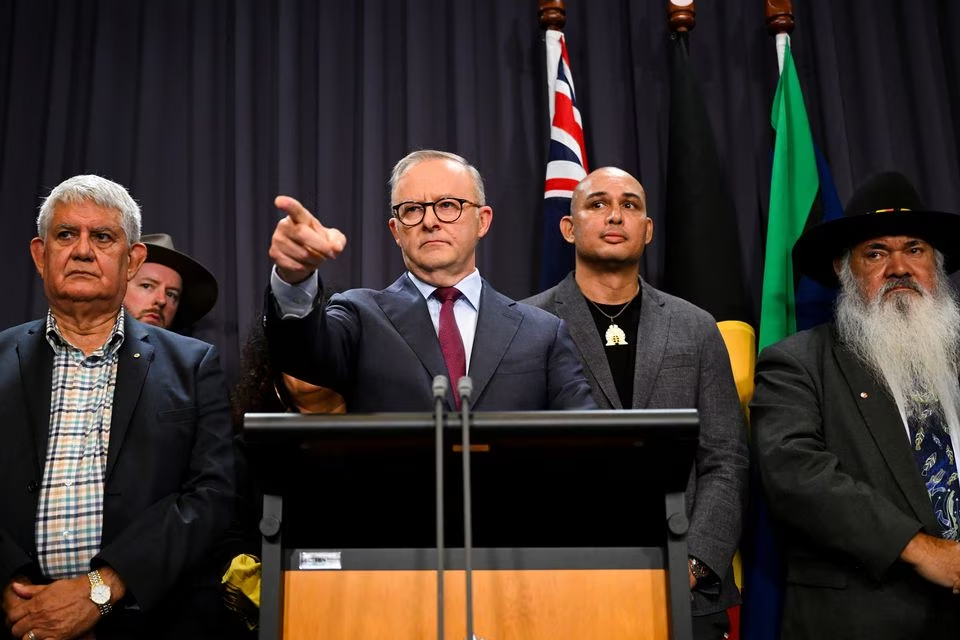
Australian Prime Minister Anthony Albanese has announced emotional call for Indigenous Referendum in Australiain the country's constitution. The announcement was made in a moving speech at the National Press Club on Wednesday.
Albanese acknowledged the country's "unfinished business" with its Indigenous population, saying that the proposed referendum was a crucial step towards reconciliation.
To rally support for what he called a "long overdue vote," Prime Minister Anthony Albanese gave an impassioned speech in which he unveiled the question the government plans to ask in the referendum later this year.
“„For many ... this moment has been a very long time in the making.- Prime Minister Anthony Albanese
“„Yet they have shown such patience and optimism through this process, and that spirit of cooperation and thoughtful, respectful dialogue has been so important at arriving at this point in such a united fashion.- Prime Minister Anthony Albanese
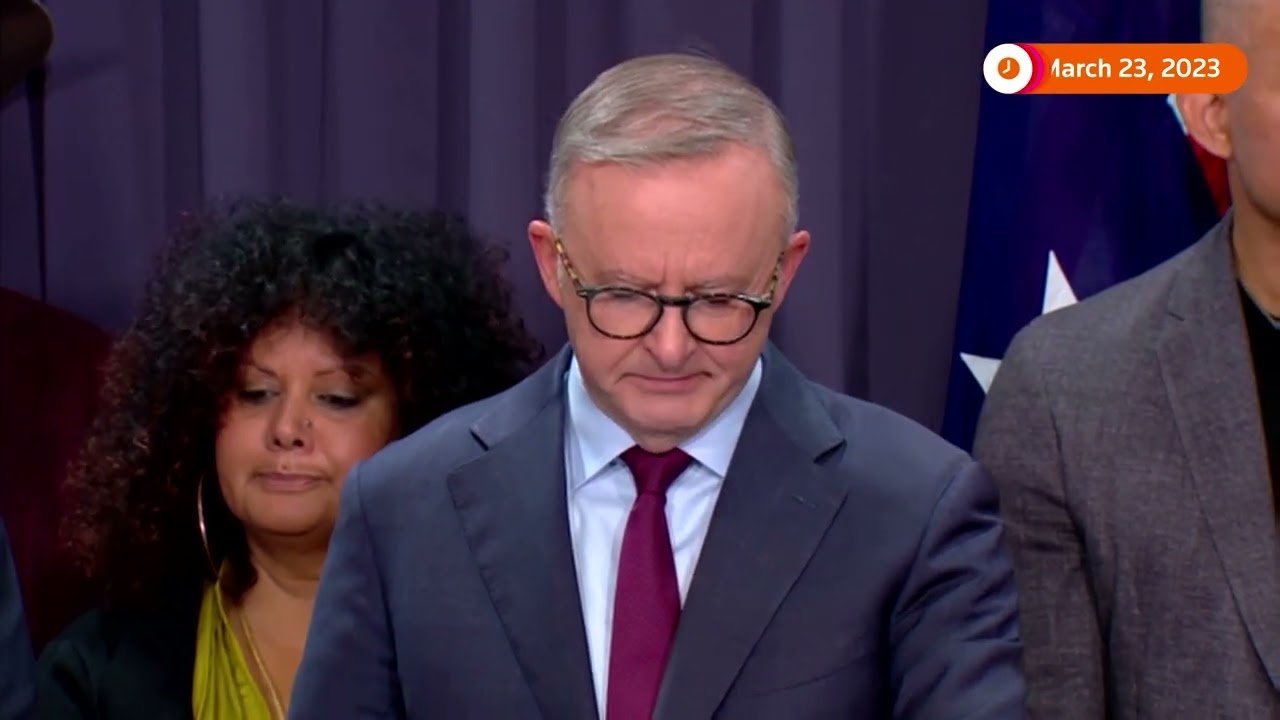
Australian PM emotional over Indigenous referendum
Background
The referendum proposal comes after years of discussion and debate over Indigenous recognition in Australia. Indigenous Australians, who make up around 3% of the population, have long been calling for greater recognition and rights.
The push for a referendum gained momentum following the release of the Uluru Statement from the Heart in 2017.
The statement, which was drafted by Indigenous leaders and community members, called for a "First Nations Voice" to be enshrined in the constitution, as well as a "Makarrata Commission" to oversee a process of agreement-making between Indigenous and non-Indigenous Australians.
Emotional Speech
In his speech on Wednesday, Albanese spoke about his personal connection to Indigenous issues, citing his work with Indigenous communities in his early career.
“„I'm not here as a politician today. I'm here as a fellow Australian. I'm here as someone who is proud to call this continent home, and I'm here as someone who has always believed that our nation will never reach its full potential until we recognise the unique place of First Nations people at the heart of our national story.- Prime Minister Anthony Albanese
Albanese became emotional during the speech, particularly when talking about the impact of Indigenous disadvantage on children.
Proposed Referendum
The proposed referendum would seek to enshrine the "First Nations Voice" in the constitution, and establish a "Makarrata Commission" to oversee agreement-making and truth-telling processes.
"This is about healing, and it is about hope," Albanese said. "It is about acknowledging the past, and it is about moving forward together as a nation."
The prime minister also acknowledged the importance of Indigenous-led decision-making, saying that the proposed referendum was an opportunity for non-Indigenous Australians to "walk alongside" their Indigenous counterparts.
Response
The proposed referendum has been met with mixed reactions, with some Indigenous leaders expressing cautious optimism, while others have criticized the proposed wording of the referendum question.
Regardless, Albanese's emotional speech has brought the issue of Indigenous recognition back into the national spotlight, and the proposed referendum represents a significant step towards reconciliation and healing in Australia.
Final Words
The issue of Indigenous recognition in Australia is a crucial one, and the current government is taking steps to address it.
The announcement of a proposed referendum is a significant development, and it remains to be seen how it will be received by the public and Indigenous communities.
However, the emotional speech by Prime Minister Albanese signals a strong commitment to reconciliation and a willingness to tackle this issue head-on.
The road ahead may not be easy, but with continued dialogue and engagement with Indigenous leaders and communities, Australia can move towards a more inclusive and equitable future.
Dexter Cooke
Author
Dexter Cooke is an economist, marketing strategist, and orthopedic surgeon with over 20 years of experience crafting compelling narratives that resonate worldwide.
He holds a Journalism degree from Columbia University, an Economics background from Yale University, and a medical degree with a postdoctoral fellowship in orthopedic medicine from the Medical University of South Carolina.
Dexter’s insights into media, economics, and marketing shine through his prolific contributions to respected publications and advisory roles for influential organizations.
As an orthopedic surgeon specializing in minimally invasive knee replacement surgery and laparoscopic procedures, Dexter prioritizes patient care above all.
Outside his professional pursuits, Dexter enjoys collecting vintage watches, studying ancient civilizations, learning about astronomy, and participating in charity runs.

Hajra Shannon
Reviewer
Hajra Shannona is a highly experienced journalist with over 9 years of expertise in news writing, investigative reporting, and political analysis.
She holds a Bachelor's degree in Journalism from Columbia University and has contributed to reputable publications focusing on global affairs, human rights, and environmental sustainability.
Hajra's authoritative voice and trustworthy reporting reflect her commitment to delivering insightful news content.
Beyond journalism, she enjoys exploring new cultures through travel and pursuing outdoor photography
Latest Articles
Popular Articles