Female Crocodile Self-fertilizes And Becomes Pregnant
A groundbreaking discovery has been made at a zoo in Costa Rica, where scientists have identified the first documented case where a female crocodile self-fertilizes and becomes pregnant, which is called virgin birth or asexual reproduction.
Author:Karan EmeryReviewer:Daniel JamesJun 08, 2023141.1K Shares2.1M Views
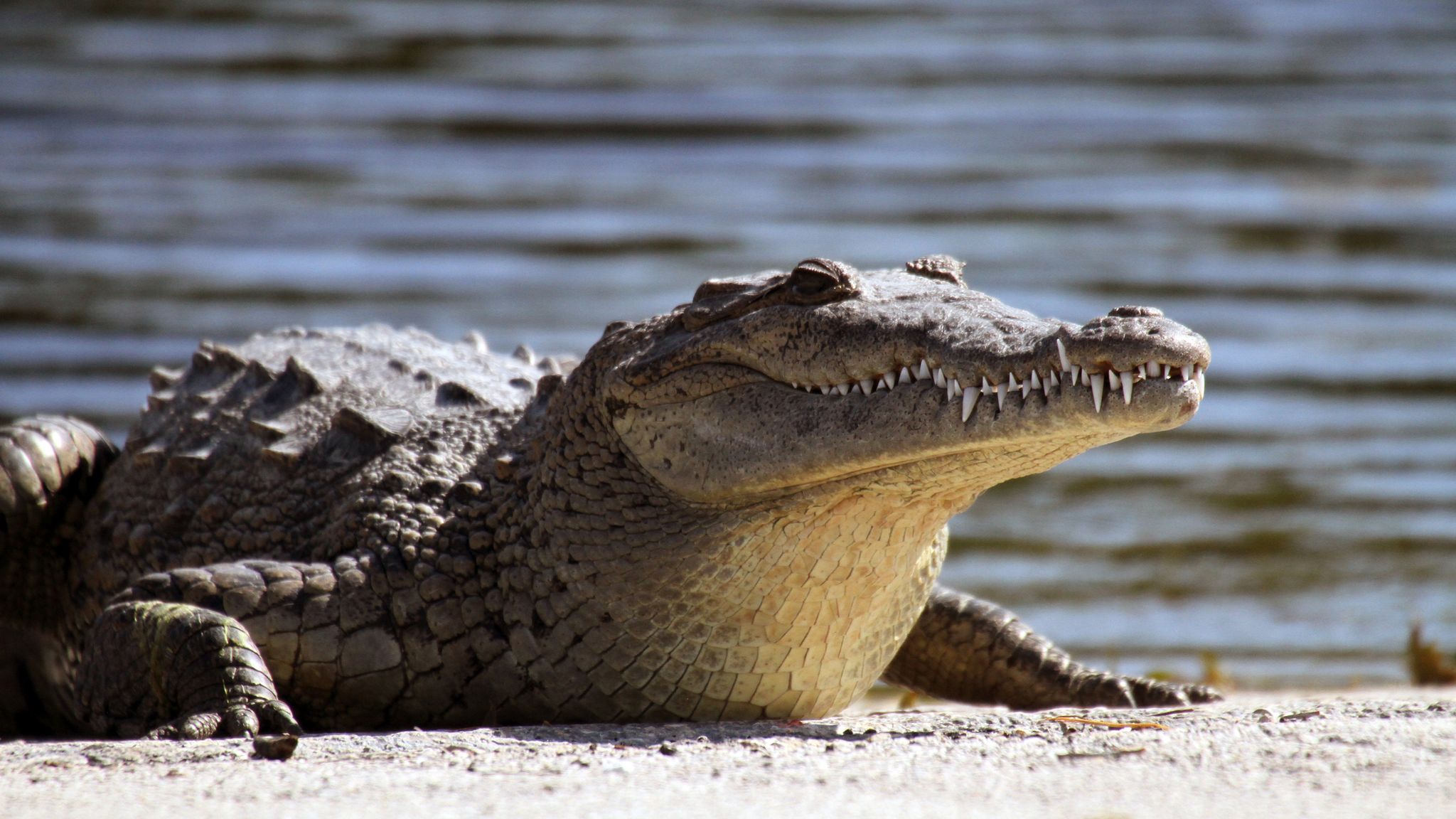
A groundbreaking discovery has been made at a zoo in Costa Rica, where scientists have identified the first documented case where a female crocodile self-fertilizes and becomes pregnant, which is called virgin birth or asexual reproduction.
This phenomenon involves an organism producing offspring without the need for fertilization by a male individual. While virgin birth has been observed in certain species of birds, fish, and other reptiles, it had never been documented in crocodiles until now.
In this particular instance, the crocodile in question was able to produce a fetus that shared an astonishing 99.9% genetic similarity with itself. This finding provides fascinating insights into the potential reproductive capabilities of crocodiles and raises intriguing questions about the evolutionary history of this ancient reptilian lineage.
According to the scientists involved in the research, it is possible that this ability for asexual reproduction may have been inherited from an evolutionary ancestor. This suggests that even dinosaurs, which are believed to be distant relatives of modern crocodiles, might have possessed the capacity for self-reproduction. If this hypothesis proves accurate, it would revolutionize our understanding of dinosaur reproduction and provide new avenues for studying the ancient past.
The research documenting this exceptional crocodile case has been published in the prestigious Royal Society journal, Biology Letters. This publication ensures that the scientific community and the wider public can access and scrutinize the findings, contributing to the advancement of knowledge in this field.
In January 2018, a remarkable event took place at Parque Reptilania, where an 18-year-old female American crocodile laid an egg. However, the egg did not hatch, and upon examination, it was discovered that the fetus inside was fully formed but stillborn. What made this occurrence truly extraordinary was that the crocodile had reproduced through a process called parthenogenesis, commonly known as "virgin birth."
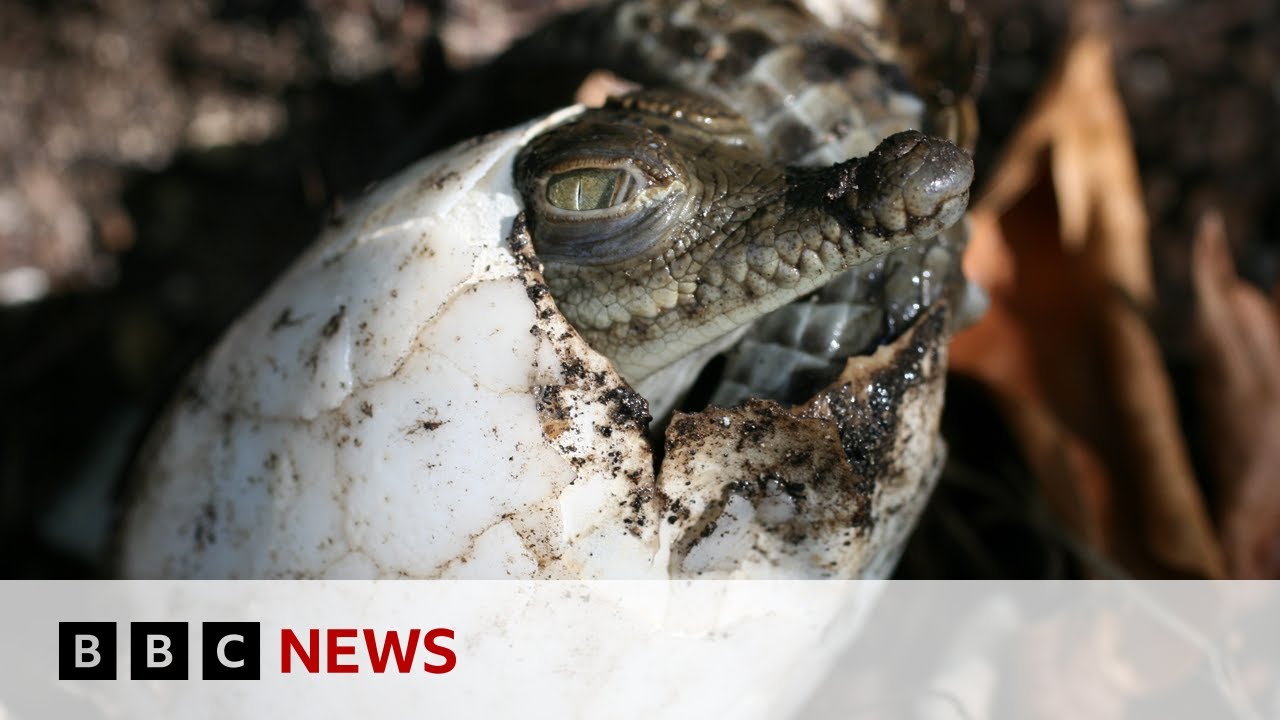
Crocodile makes herself pregnant in Costa Rica zoo - BBC News
Throughout her entire life, the crocodile had been kept separate from other individuals of her species. This isolation prompted the scientific team at the park to seek the expertise of Dr. Warren Booth, originally from Belfast and currently affiliated with Virginia Tech in the United States. Dr. Booth has dedicated 11 years of his career to studying parthenogenesis, and his knowledge was instrumental in unraveling the mysteries of this unique case.
Upon analyzing the fetus, Dr. Booth made a fascinating discovery - the genetic analysis revealed that the fetus was over 99.9% genetically identical to its mother. This finding conclusively confirmed that the fetus had been produced without the contribution of a male counterpart, reaffirming the occurrence of parthenogenesis in this American crocodile.
According to a statement by Dr. Booth:
“„We see it in in sharks, birds, snakes and lizards and it is remarkably common and widespread.- Dr. Warren Booth, affiliated with Virginia Tech in the United States
It has been suggested that the absence of documented cases of parthenogenesis in crocodiles may be attributed to a lack of focused investigation on the subject matter.
''There was a big increase in reports of parthenogenesis when people started keeping pet snakes. But your average reptile keeper doesn't keep a crocodile," he said.
According to one theory, parthenogenesis may occur in species capable of this reproductive method when their populations face a decline, such as when they are on the brink of extinction. Dr. Booth, in an interview with BBC News, proposed that this phenomenon might have occurred in certain dinosaur species as their numbers dwindled due to environmental changes.
Conclusion
The remarkable similarity in the mechanism of parthenogenesis across diverse species implies that it is an ancient trait that has been inherited throughout evolutionary history. This observation lends support to the notion that dinosaurs could have potentially reproduced through parthenogenesis as well.
Jump to

Karan Emery
Author
Karan Emery, an accomplished researcher and leader in health sciences, biotechnology, and pharmaceuticals, brings over two decades of experience to the table. Holding a Ph.D. in Pharmaceutical Sciences from Stanford University, Karan's credentials underscore her authority in the field.
With a track record of groundbreaking research and numerous peer-reviewed publications in prestigious journals, Karan's expertise is widely recognized in the scientific community.
Her writing style is characterized by its clarity and meticulous attention to detail, making complex scientific concepts accessible to a broad audience. Apart from her professional endeavors, Karan enjoys cooking, learning about different cultures and languages, watching documentaries, and visiting historical landmarks.
Committed to advancing knowledge and improving health outcomes, Karan Emery continues to make significant contributions to the fields of health, biotechnology, and pharmaceuticals.

Daniel James
Reviewer
Daniel James is a distinguished gerontologist, author, and professional coach known for his expertise in health and aging.
With degrees from Georgia Tech and UCLA, including a diploma in gerontology from the University of Boston, Daniel brings over 15 years of experience to his work.
His credentials also include a Professional Coaching Certification, enhancing his credibility in personal development and well-being.
In his free time, Daniel is an avid runner and tennis player, passionate about fitness, wellness, and staying active.
His commitment to improving lives through health education and coaching reflects his passion and dedication in both professional and personal endeavors.
Latest Articles
Popular Articles