Hotel-to-Hotel Shuttle Diplomacy Paving The Way For Potential Release Of American Prisoners In Iran
Hotel-to-hotel shuttle diplomacy paving the way for potential release of American prisoners in Iran as US and Iranian delegations converged on separate hotels in Doha, Qatar, mere sightlines apart but with an insurmountable gap in communication.
Author:Dexter CookeReviewer:Hajra ShannonAug 14, 202319.5K Shares698.1K Views
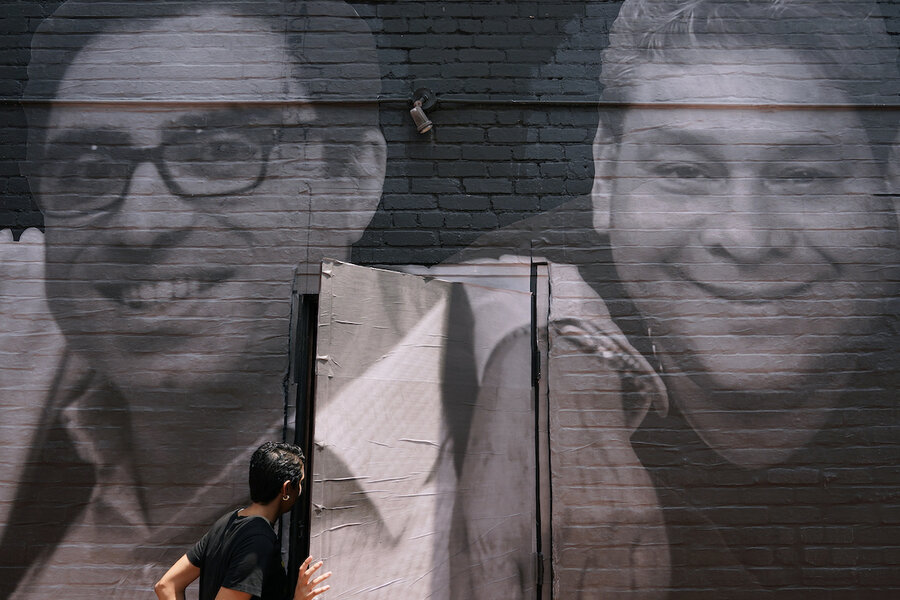
Hotel-to-hotel shuttle diplomacy paving the way for potential release of American prisoners in Iranas US and Iranian delegations converged on separate hotels in Doha, Qatar, mere sightlines apart but with an insurmountable gap in communication.
The Qatari diplomats, serving as intermediaries, shuttled back and forth, tirelessly striving to bridge the divide and broker a deal that has been elusive for over a year.
Silent Conversations Through Intermediaries
Throughout this protracted negotiation, not a single face-to-face meeting occurred between the US and Iranian representatives, a method marked by discreet messages exchanged between the two parties via Qatari officials and even a text thread involving US diplomats.
These indirect talks formed the backbone of a two-year process that culminated in a potential breakthrough, heralding the release of four Americans from Iran's notorious Evin Prison into house arrest.
The foundation of this intricate deal began taking shape around six months ago in Doha, Qatar, following years of intermittent and indirect discussions between Washington and Tehran.
The result was evident this week, as four American detainees took their first steps toward potential freedom. Secretary of State Antony Blinken expressed optimism while acknowledging that the process is still in motion.
Navigating the intricate path to this breakthrough wasn't without challenges. With no diplomatic ties between the United States and Iran, direct engagement was an unattainable option.
Instead, the negotiation relied on a network of intermediaries including Qatar, Oman, the United Kingdom, and Switzerland, each playing their part over the past two and a half years.
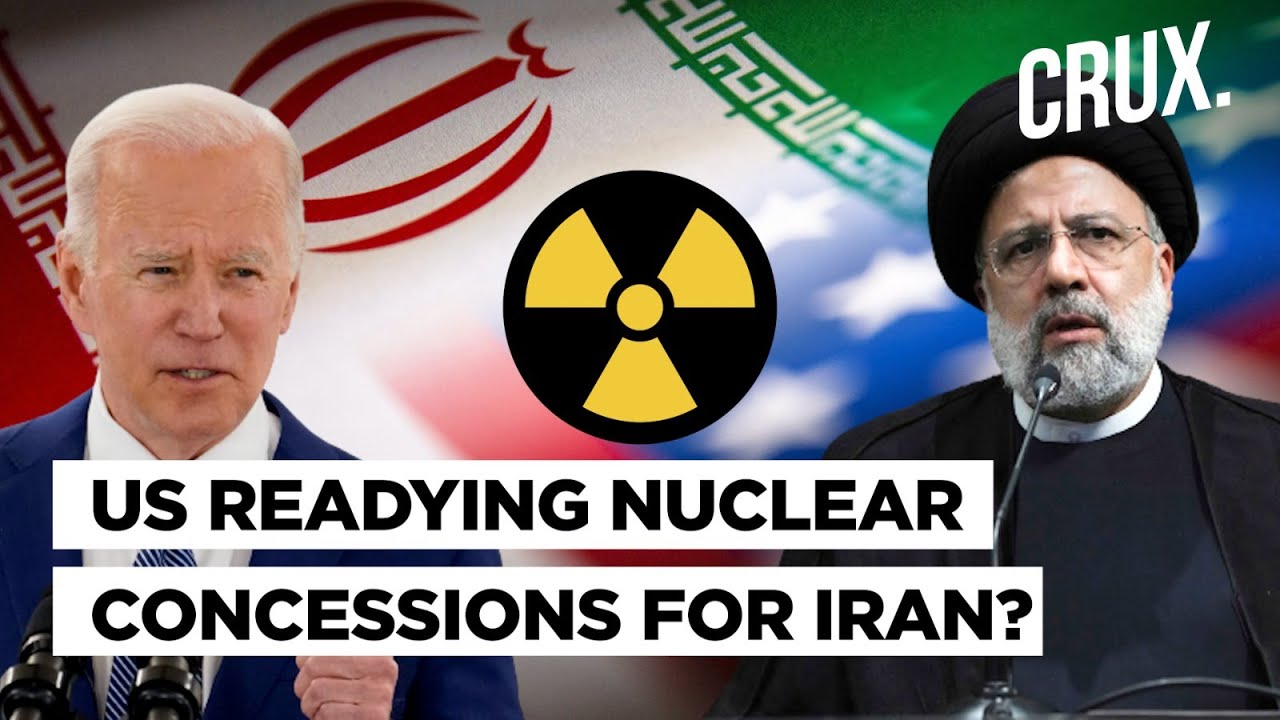
Qatar Brokers US-Iran Deal on Prisoner Swap & Frozen Money, Renewed Nuclear Agreement Next?
Turning Point Amidst Uncertainty
The intricate negotiation, spanning multiple avenues and involving a complex network of partners, could signify a turning point in US-Iran relations.
As Iran's nuclear program and human rights issues continue to create friction, the possibility of diplomacy offers a glimmer of hope.
The deal, far from being a single leap, is unfolding in a careful and step-by-step manner. It encompasses a potential prisoner swap and aims to unlock $6 billion of Iranian funds in South Korea, earmarked for "non-sanctionable trade." Facilitated by Qatar, these funds will eventually make their way through Switzerland.
Overcoming Hurdles In Implementation
While the path forward holds promise, it isn't without obstacles. The involvement of the US Treasury adds complexity, ensuring rigorous oversight while navigating stringent sanctions.
Transferring Iranian funds to Qatar will demand time, as the US Treasury remains vigilant in maintaining control.
For the detained Americans – Siamak Namazi, Morad Tahbaz, Emad Shargi – and their families, the journey to freedom has been fraught with uncertainty.
Yet, the Biden administration remains cautiously optimistic that their release marks the beginning of the end of their ordeal.
In the sprawling landscape of international relations, this quiet negotiation stands as a testament to the power of intermediaries and the potential for dialogue even among long-standing adversaries.
Final Words
Amidst a world of strained relations and diplomatic hurdles, the recent indirect negotiations between the US and Iran, facilitated by intermediaries in Qatar and other nations, offer a glimmer of hope for a potential breakthrough.
The intricate web of discussions, spanning over two years, culminated in the release of detained Americans and the unlocking of Iranian funds.
As cautious optimism prevails, this quiet diplomacy underscores the power of intermediaries and the possibility of dialogue even in the most complex and challenging circumstances.
Dexter Cooke
Author
Dexter Cooke is an economist, marketing strategist, and orthopedic surgeon with over 20 years of experience crafting compelling narratives that resonate worldwide.
He holds a Journalism degree from Columbia University, an Economics background from Yale University, and a medical degree with a postdoctoral fellowship in orthopedic medicine from the Medical University of South Carolina.
Dexter’s insights into media, economics, and marketing shine through his prolific contributions to respected publications and advisory roles for influential organizations.
As an orthopedic surgeon specializing in minimally invasive knee replacement surgery and laparoscopic procedures, Dexter prioritizes patient care above all.
Outside his professional pursuits, Dexter enjoys collecting vintage watches, studying ancient civilizations, learning about astronomy, and participating in charity runs.
Hajra Shannon
Reviewer
Hajra Shannona is a highly experienced journalist with over 9 years of expertise in news writing, investigative reporting, and political analysis.
She holds a Bachelor's degree in Journalism from Columbia University and has contributed to reputable publications focusing on global affairs, human rights, and environmental sustainability.
Hajra's authoritative voice and trustworthy reporting reflect her commitment to delivering insightful news content.
Beyond journalism, she enjoys exploring new cultures through travel and pursuing outdoor photography
Latest Articles
Popular Articles