How AI Time Tracking Tools Like WebWork Can Eliminate Micromanagement
Keeping track of a whole batch of employees worldwide puts pressure on managers to stay informed about their employees’ daily tasks and productivity.
Author:Gordon DickersonReviewer:Tyreece BauerJan 12, 20264.6K Shares88.6K Views
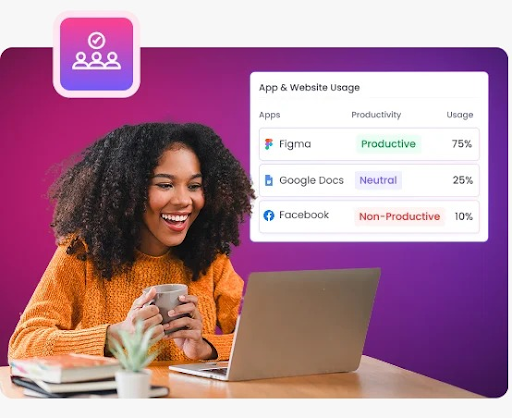
In the world of modern workplace management, “micromanagement” is a dirty word for many employees. At the mention of micromanagement, images of overbearing supervisors, frustrating workplace discussions, and poor workplace morale instantly spring to mind. While micromanaging bosses may feel like they are helping the final product by making sure every part of their workplace’s operations are up to their standards, business scholars agree that micromanagement results in a net loss of productivity, inventiveness, and morale, making it toxic to any workplace pursuing success and innovation.
Despite most people’s shared understanding of the negative effects of micromanagement, the temptation to micromanage is stronger than ever in the era of remote work and ever-increasing digitalization. Keeping track of a whole batch of employees worldwide puts pressure on managers to stay informed about their employees’ daily tasks and productivity. Many time tracking apps and software have been created to address this growing need, but some of them unwittingly serve to increase micromanagement rather than reducing it.
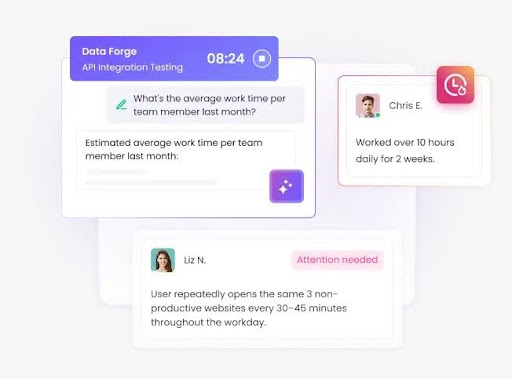
San Francisco-based WebWork Time Trackeris one of the newer companies using cutting-edge technology to help eliminate micromanagement in increasingly digital workplaces. Since its founding by software engineer Vahagn Sargsyan in 2016, WebWork has experienced a full evolution from traditional time tracking software to an AI-powered time tracking, workplace management, and productivity tracking platform that is designed to help managers transition from manual tracking to a more automated and effortless style of management.
The platform leverages data-driven analysis to give supervisors a clear overview of productivity across all employees, removing the need for tedious hourly check-ins. WebWork also uses a screenshot capture feature designed to monitor employee activity without being invasive or disrespecting employees’ privacy. As a multipurpose platform and app, WebWork also includes automation for functions such as payroll, invoices, and attendance tracking, which frees up supervisors from operational micromanagement.
This case study illustrates how automation and AI-powered technologies are not causes for alarm or toxic trends in modern workplaces. By reducing and/or eliminating micromanagement through automation and near-instantaneous analysis of data by software algorithms, managers can focus on dealing with people honestly and productively instead of worrying about every little task and detail. Accurate AI analysis ensures that managers do not have to manually encode data, and AI-created summaries of employee activity ensure that managers do not miss the forest for the trees when it comes to employee contributions. These summaries prevent managers from misjudging the totality of employees’ performance based on a few mistakes or extenuating circumstances.
As the modern workplace shifts further and further into the future, the message of WebWork’s story could not be clearer: the road out of micromanaging an organization consists of more intelligent technology solutions, not more draconian management. By assuming the burden of collecting and reporting data with the aid of AI technology solutions, organizations create a setting that encourages management decisions based not on subjective guesswork but on observable facts.
Employees derive benefits too. They do not feel that their progress remains under scrutiny; on the contrary, their staff gain confidence that their performance is being judged appropriately. This attribute of productivity analytics, reporting automation, and unobtrusive performance measurement ensures that accountability is accurately implemented without compromising the issue of trust. This environment promotes an organization that encourages workers to contribute more creatively to their respective departments.
Indeed, the fact that AI-powered platforms like WebWork are on the rise proves that technology could well emerge as a facilitating force that brings about healthier and more harmonious environments in the workplace. Indeed, with the intelligent automation of human oversight, the business world could well create cultures based on the principles of clarity, autonomy, and respect at the workplace. This could well happen at a time when virtual organizations operate on different continents.

Gordon Dickerson
Author
Gordon Dickerson, a visionary in Crypto, NFT, and Web3, brings over 10 years of expertise in blockchain technology.
With a Bachelor's in Computer Science from MIT and a Master's from Stanford, Gordon's strategic leadership has been instrumental in shaping global blockchain adoption. His commitment to inclusivity fosters a diverse ecosystem.
In his spare time, Gordon enjoys gourmet cooking, cycling, stargazing as an amateur astronomer, and exploring non-fiction literature.
His blend of expertise, credibility, and genuine passion for innovation makes him a trusted authority in decentralized technologies, driving impactful change with a personal touch.

Tyreece Bauer
Reviewer
A trendsetter in the world of digital nomad living, Tyreece Bauer excels in Travel and Cybersecurity. He holds a Bachelor's degree in Computer Science from MIT (Massachusetts Institute of Technology) and is a certified Cybersecurity professional.
As a Digital Nomad, he combines his passion for exploring new destinations with his expertise in ensuring digital security on the go. Tyreece's background includes extensive experience in travel technology, data privacy, and risk management in the travel industry.
He is known for his innovative approach to securing digital systems and protecting sensitive information for travelers and travel companies alike. Tyreece's expertise in cybersecurity for mobile apps, IoT devices, and remote work environments makes him a trusted advisor in the digital nomad community.
Tyreece enjoys documenting his adventures, sharing insights on staying secure while traveling and contributing to the digital nomad lifestyle community.
Latest Articles
Popular Articles