Beyond The Scalpel: How Kevin Kruse Is Building The Future Of Shoulder Care
Texas-based orthopedic surgeon Kevin Kruse’s background provides an ideal blueprint for medical professionals seeking to elevate the field of shoulder surgery to a widespread, respected specialization.
Author:Elisa MuellerReviewer:Emily SanchezSep 09, 20256.6K Shares276.3K Views
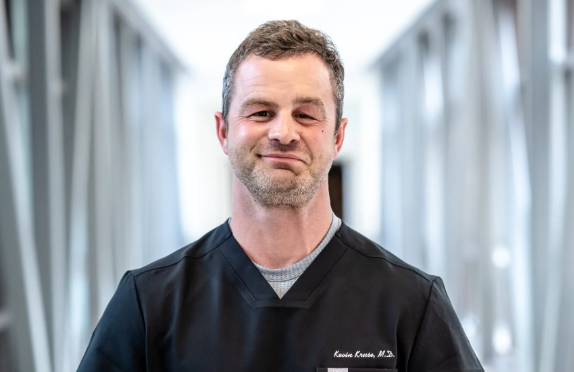
Texas-based orthopedic surgeon Kevin Kruse’s background provides an ideal blueprint for medical professionals seeking to elevate the field of shoulder surgery to a widespread, respected specialization. For orthopedic surgeons, it is no secret that shoulder surgery has become rare and highly specialized. Less than 1% of surgeons consider themselves shoulder surgery specialists. However, through a mix of extensive training and embracing new innovations, Kevin Kruse is pushing for more eyes on this important field, especially as the U.S. population continues aging and experiencing the aches and pains associated with old age.
A medical study published in the Journal of Shoulder and Elbow Surgery estimated that by 2025, the number of annual shoulder replacement surgeries in the United States could range from 174,000 to 350,000 surgeries per year. If one factors in not only shoulder replacements, but also other shoulder surgery procedures such as rotator cuff repair, the number of procedures requiring the expertise of a good shoulder surgeon could be even higher. Luckily, shoulder surgeons like Kevin Kruse have put in the time to learn the intricacies of this often-injured joint.
On paper, Dr. Kruse’s training appears fairly comprehensive. He graduated from Indiana University with his undergraduate and medical degrees, while also finding time to step into the red uniform of the Indiana Hoosiers football team as a linebacker. He went on to train at the Greenville Health Center University Medical Center in South Carolina and Greenville’s Steadman Hawkins Clinic of the Carolinas, while also completing residencies at the University of Pittsburgh Medical Center and the Centre Orthopédique Santy in Lyon, France. However, according to Dr. Kruse, some of his most valuable training came from a different source.
Dr. Kruse is known for fondly recounting a story from his early career to illustrate the lengths he went to in order to specialize in shoulder procedures. In addition to his training from the aforementioned institutions, he also built an anatomical model that he could use to practice shoulder arthroscopy procedures at home. Furthermore, he also spent his nights and weekends in cadaver labs in order to get some extra practice and refine his surgical techniques.
When asked what he learned from these experiences, Dr. Kruse said, “Self-training gave me the confidence and competence to take on complex surgeries early in my career and build trust with top surgeons.”
Despite the lessons learned from his past experiences, Dr. Kruse also touts the importance of looking towards the future for the sake of his growing field. He says that shoulder surgeons should be inspired, but not constrained by tradition. He adds that a willingness to embrace new technologies that improve patient outcomes will be essential for new professionals’ survival in the field.
As only the third surgeon worldwide to adopt the ZuriMed SpeedPatch and its associated FiberLocker system, Dr. Kruse has demonstrated the technology’s efficacy for improving health rates and patient recovery. Dr. Kruse’s adoption of the technology is the natural result of his stated goal to provide concierge-level care at his private practices in Dallas and Plano. However, his use of cutting-edge technologies and innovations also teaches an important lesson to aspiring medical professionals.
Building a foundation on strong fundamentals and a robust knowledge of anatomy and surgical techniques is essential for any budding shoulder surgery specialist. However, it is equally important to look for new ways to enhance existing procedures and improve patient outcomes. “My mission is to offer better patient outcomes and to innovate in a field that I believe has a tremendous impact on quality of life,” Dr. Kruse says. An eye for innovation can help revitalize the field of shoulder surgery, ensuring that specialists are prepared to treat the growing number of shoulder issues that America’s aging population faces every day.

Elisa Mueller
Author
Elisa Mueller, a Kansas City native, grew up surrounded by the wonders of books and movies, inspired by her parents' passion for education and film.
She earned bachelor's degrees in English and Journalism from the University of Kansas before moving to New York City, where she spent a decade at Entertainment Weekly, visiting film sets worldwide.
With over 8 years in the entertainment industry, Elisa is a seasoned journalist and media analyst, holding a degree in Journalism from NYU. Her insightful critiques have been featured in prestigious publications, cementing her reputation for accuracy and depth.
Outside of work, she enjoys attending film festivals, painting, writing fiction, and studying numerology.

Emily Sanchez
Reviewer
Emily Sanchez, a Fashion Journalist who graduated from New York University, brings over a decade of experience to her writing. Her articles delve into fashion trends, celebrity culture, and the fascinating world of numerology.
Emily's unique perspective and deep industry knowledge make her a trusted voice in fashion journalism.
Outside of her work, she enjoys photography, attending live music events, and practicing yoga for relaxation.
Latest Articles
Popular Articles