How Mobile Games Are Used In Physical Therapy
Mobile games have revolutionized physical therapy by transforming traditional rehabilitation exercises into engaging, interactive experiences that increase patient motivation and improve treatment adherence.
Author:Karan EmeryReviewer:Daniel JamesSep 22, 20251.5K Shares109.6K Views
How Mobile Games Transform Physical Therapy Recovery
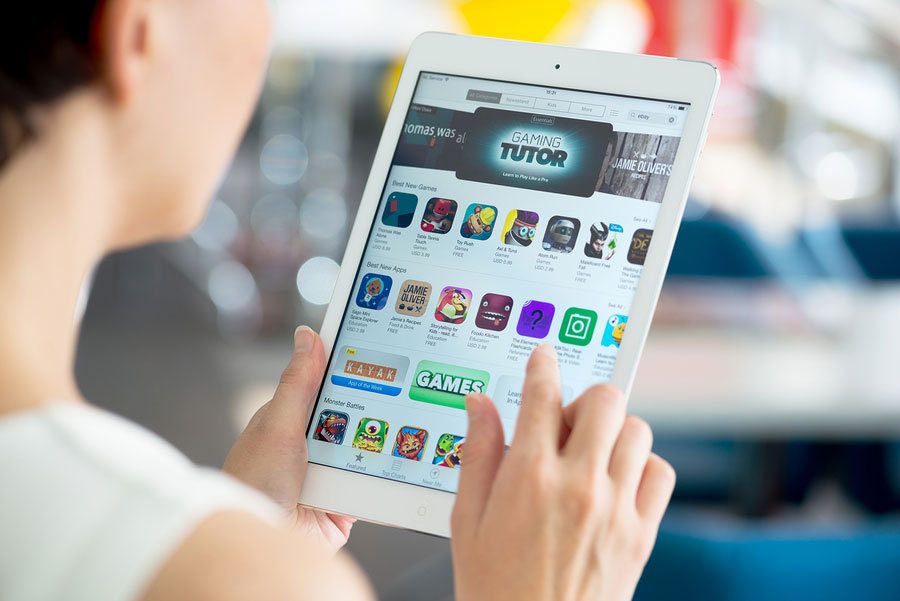
Physical therapy has undergone a remarkable transformation in recent years, with mobile games emerging as powerful therapeutic tools that are reshaping how patients approach their recovery journey. Gone are the days when rehabilitation meant monotonous exercises in sterile clinical settings.
Today's patients can engage in targeted therapeutic activities through their smartphones and tablets, turning necessary but often tedious recovery work into engaging, measurable, and highly effective treatment sessions.
Mobile games bring valuable outcomes, including innovation, low-cost approaches, and time efficiency in both clinical and home settings, fundamentally changing the rehabilitation landscape. By transforming repetitive exercises into interactive experiences with immediate feedback and goal-oriented challenges, mobile games tap into intrinsic motivation mechanisms that sustain long-term therapeutic engagement.
Key Takeaways
- Mobile games leverage neuroplasticity principles to accelerate motor learning and functional recovery.
- Gaming-based therapy shows superior outcomes in balance training, motor function, and patient adherence compared to traditional methods.
- Smartphone accessibility enables therapeutic gaming to be available 24/7, extending treatment beyond traditional clinical sessions.
- Real-time data collection enables precise progress tracking and personalized treatment adjustments.
- Cost-effectiveness and scalability make mobile therapeutic games viable for diverse healthcare settings.
- Integration with conventional therapy amplifies treatment intensity without proportional cost increases.
The Science Behind Gaming In Rehabilitation
Vision-Based Serious Games for Motor Rehabilitation: A Research Methodology
Neuroplasticity And Motor Learning Enhancement
The effectiveness of mobile games in physical therapy stems from their ability to harness neuroplasticity, the brain's capacity to reorganize and form new neural connections. Research suggests that gameplay can induce neuroplastic reorganization that leads to long-term retention and transfer of skill, creating lasting improvements that extend beyond the gaming session itself.
Mobile games excel at providing the repetitive, task-specific practice essential for motor learning while maintaining the cognitive engagement necessary for neuroplastic changes. The interactive nature of gaming creates multimodal sensory experiences that strengthen neural pathways more effectively than passive exercises.
When patients navigate virtual environments, respond to visual cues, and coordinate movements with digital feedback, they activate multiple brain regions simultaneously. The variable challenge levels inherent in gaming platforms create optimal learning conditions through progressive difficulty adjustment.
This adaptive approach ensures patients remain within their "zone of proximal development", challenged enough to promote growth but not overwhelmed to the point of frustration or failure.
Motivation And Engagement Psychology
The introduction of video games into therapy has revolutionized treatment by turning exercises into games, making sessions less about repetition and more about achievement, challenge, and fun. This transformation addresses one of physical therapy's most persistent challenges: maintaining patient motivation throughout extended recovery periods.
Mobile games leverage several psychological principles that enhance therapeutic engagement. Achievement systems provide immediate positive reinforcement through points, badges, and level progression.
Social features enable peer comparison and support, creating accountability networks that extend beyond clinical settings. Real-time feedback satisfies the human need for immediate results, maintaining engagement during periods when physical improvements may seem gradual.
The gamification elements tap into intrinsic motivation by providing autonomy (choice in activities), mastery (progressive skill development), and purpose (clear therapeutic goals). This psychological foundation creates sustainable engagement patterns that persist even when direct clinical supervision is unavailable.
Mobile Games Vs Traditional Therapy Methods
Accessibility Revolution
Mobile gaming platformsoffer unprecedented accessibility advantages that traditional therapy methods cannot match. Patients carry their therapeutic tools with them everywhere, enabling consistent treatment that extends far beyond scheduled clinic visits. This constant availability transforms episodic clinical interactions into continuous therapeutic engagement.
Geographic barriers disappear when therapy moves to mobile platforms. Rural patients who previously faced hours of travel to reach specialized facilities can now access sophisticated therapeutic programs from their homes.
Similarly, patients with mobility limitations, transportation challenges, or scheduling conflicts can maintain consistent treatment regimens without the logistical complications that often derail traditional therapy programs.
The democratization of advanced therapy techniques through mobile platforms means that specialized interventions previously available only in major medical centers become accessible to broader patient populations. High-quality therapeutic games can deliver evidence-based interventions with remarkable consistency, regardless of location or local healthcare infrastructure.
Cost-Effectiveness And Healthcare Economics
Evidence suggests that using video games and applicationscan reduce patient recovery time while providing financial savings, creating compelling economic arguments for mobile gaming integration. The cost structure of mobile therapeutic games fundamentally differs from traditional therapy models, offering scalable solutions that reduce per-session expenses while maintaining or improving clinical outcomes.
Traditional physical therapy requires significant resource allocation: specialized facilities, professional time, equipment maintenance, and administrative overhead. Mobile gaming platforms amortize development costs across thousands of users, creating economies of scale that dramatically reduce per-patient treatment costs.
Once developed, therapeutic games can serve unlimited patients simultaneously without proportional increases in operational expenses. The efficiency gains extend beyond direct cost savings. Automated progress tracking reduces administrative burden on healthcare providers.
Standardized exercise protocols ensure consistent treatment delivery. Real-time data collection eliminates manual documentation time, allowing therapists to focus on high-value clinical decision-making rather than routine monitoring tasks.
Real-Time Feedback And Data Analytics
Mobile platforms excel at providing immediate, objective feedback that traditional therapy methods cannot match. Sensors in smartphones and tablets capture movement patterns, timing, accuracy, and consistency with precision that surpasses human observation capabilities.
This data-rich environment enables evidence-based treatment adjustments that optimize therapeutic outcomes. The feedback loop in mobile games operates at multiple levels simultaneously. Immediate visual and auditory responses maintain moment-to-moment engagement. Session-level progress reports provide short-term motivation.
Long-term trend analysis reveals recovery patterns that inform treatment strategy adjustments. This multi-layered feedback systemaddresses both immediate motivational needs and long-term clinical objectives. Advanced analytics capabilities enable personalized treatment optimization, which is impossible in traditional settings.
Machine learning algorithms can identify subtle patterns in patient performance, predicting optimal exercise timing, intensity modifications, and potential adherence challenges before they impact recovery outcomes.
Proven Benefits Of Mobile Gaming In Physical Therapy

Motor Function Improvement
A study published in the Journal of Rehabilitation Research and Practice found that video game-based therapy was effective in improving upper extremity function in stroke patients, demonstrating measurable superiority in motor recovery outcomes. Mobile gaming platforms excel at targeting specific motor functions through precisely controlled movement patterns that traditional exercises cannot replicate.
The interactive nature of mobile games creates complex movement sequences that challenge multiple motor systems simultaneously. Patients develop coordination, timing, and precision through engaging activities that feel more like entertainment than medical treatment. This psychological reframing reduces resistance to therapeutic activities while maintaining rigorous movement standards necessary for recovery.
Touch-screen interfaces provide unique advantages for fine motor skill development. The precise finger movements required for mobile game interaction directly target the dexterous manipulative skills essential for activities of daily living. Patients improve grip strength, finger independence, and hand-eye coordination through gameplay that translates directly to functional improvements.
Balance And Coordination Enhancement
Patients with osteoarthritis undergoing therapy with Nintendo Wii Fit achieved important clinical results such as improved muscle strength, physical performance, balance, and reduced risk of falls, while promoting good retention rates (83%) and adherence (78%). These outcomes demonstrate the superior effectiveness of gaming-based balance training compared to traditional methods.
Mobile games designed for balance improvement utilize sophisticated motion detection to provide real-time postural feedback. Patients receive immediate visual cues about weight distribution, center of gravity shifts, and stability patterns. This continuous feedback loop accelerates balance learning by providing information about body position that patients cannot perceive through traditional proprioceptive awareness alone.
The progressive difficulty adjustment in gaming platforms ensures optimal challenge levels for balance training. Games automatically adapt to patient capabilities, preventing both understimulation that fails to promote improvement and overstimulation that creates safety risks. This adaptive approach maximizes therapeutic benefit while maintaining safety standards essential for balance-impaired populations.
Cognitive Rehabilitation Integration
Mobile gaming platforms uniquely combine physical and cognitive rehabilitation in a single intervention. Patients simultaneously work on motor recovery and cognitive functions such as attention, memory, and executive function. This dual-target approach addresses the complex interplay between physical and cognitive deficits common in neurological conditions.
The cognitive demands of gaming create beneficial complexity that mirrors real-world functional requirements. Patients must process visual information, make rapid decisions, coordinate movements, and maintain attention across multiple task elements simultaneously. These cognitive-motor integration skills directly transfer to improved functional independence in daily activities.
Gaming platforms can systematically adjust cognitive load independently of physical demands, enabling precise therapeutic targeting. Patients with primarily motor deficits can engage in cognitively simple games, while those with cognitive impairments can participate in physically demanding but cognitively straightforward activities. This flexibility enables personalized treatment approaches impossible with traditional one-size-fits-all exercise programs.
Pain Management Through Distraction
Video games can provide a psychologically soothing environment, aiding physical recovery and offering significant advantages for pain management during rehabilitation. The immersive nature of gaming creates powerful distraction effects that reduce perceived pain intensity during therapeutic activities.
The neurological mechanisms underlying gaming-based pain relief involve attention allocation and endogenous pain modulation systems. When patients focus intently on game objectives, fewer cognitive resources remain available for pain processing. This attention-based analgesia enables patients to tolerate higher exercise intensities and longer treatment sessions than possible with traditional pain management approaches alone.
Gaming platforms can incorporate biofeedback elements that teach patients active pain management strategies. Heart rate variability training, breathing pattern modification, and muscle relaxation techniques become engaging game elements rather than tedious medical procedures. Patients develop self-management skills that extend pain relief benefits beyond gaming sessions.
Challenges And Limitations In Digital Physical Therapy
Access And Digital Literacy Barriers
Not every patient has the necessary technology to engage with digital physical therapy. A significant portion of the population, particularly older adults, may not own a smartphone or tablet, or they may lack reliable internet access. Beyond simple ownership, there's the challenge of digital literacy. Many people may struggle with the basic adoption and correct usage of apps and devices, which can be a hurdle to starting and continuing their therapy.
Safety And Oversight Concerns
The absence of a physical therapist can pose a significant risk. Without a trained professional present to correct form, patients may perform movements incorrectly. This not only makes the therapy less effective but can also lead to injury. Insufficient oversight is a major limitation, as it's difficult to monitor a patient's progress and technique in real time, which is something an in-person session provides automatically.
Issues With Patient Adherence And Motivation
Initial motivation is often high when using new technology, but this "novelty effect" can fade quickly. Adherence to a home exercise program is a common struggle for many patients, and this challenge is compounded in a digital format. Without the external support or social accountability that comes from regular in-person appointments, patient engagement can easily drop off.
The Need For More Clinical Evidence
While digital physical therapy shows great promise, the clinical evidence is still limited in many areas. Although some studies have demonstrated that these apps are feasible for use, more randomized controlled trials are needed to document their long-term outcomes and compare their effectiveness to traditional in-person therapy. The long-term efficacy and safety of these digital tools are still being researched and documented.
Privacy And Regulatory Hurdles
The use of digital health data introduces complex issues. Key questions surrounding data privacy and security are often underexplored. For instance, who truly owns the health and motion data collected by these devices? How is this data being used, and is it being protected from unauthorized access? These regulatory issues are a major challenge that the industry is still working to address to build trust and ensure patient safety.
Specific Conditions Where Mobile Games Excel
Stroke Recovery Applications

Stroke rehabilitation represents one of the most compelling applications for mobile gaming technology. Studies show significant motor function improvement in stroke patients using Nintendo Wii games, establishing strong evidence for gaming-based stroke interventions. The repetitive, goal-directed movements required in therapeutic games directly address the motor relearning needs of stroke survivors.
Mobile games designed for stroke recovery target specific deficits common in this population: hemiparesis, coordination problems, balance instability, and cognitive-motor integration challenges. Touch-screen games can accommodate varying levels of motor impairment, from gross motor movements for severely affected patients to fine motor precision tasks for those in advanced recovery stages.
The motivation-enhancing effects of gaming prove particularly valuable for stroke patients, who often face months or years of rehabilitation. Traditional therapy programs frequently result in declining engagement over time, but gaming platforms maintain interest through variable challenges, achievement systems, and social features that sustain long-term participation.
Orthopedic Rehabilitation Advantages
Orthopedic conditions benefit significantly from mobile gaming applications that target range of motion, strength building, and functional movement patterns. Post-surgical patients can begin gentle range-of-motion exercises through gaming interfaces that provide objective feedback about movement quality and progress toward established goals.
The precise movement tracking capabilities of mobile devices enable accurate assessment of joint mobility and strength progression. Patients receive immediate feedback about exercise form, preventing compensatory movement patterns that could impede recovery or create secondary problems. This real-time guidance replicates the supervision benefits of one-on-one therapy while enabling independent home practice.
Gaming platforms excel at maintaining exercise consistency essential for orthopedic recovery. The engaging nature of games helps patients adhere to prescribed exercise frequencies and intensities, even when motivation wanes. Achievement systems provide external motivation that sustains participation through challenging recovery periods.
Neurological Condition Management
Patients with progressive neurological conditions such as Parkinson's disease, multiple sclerosis, and cerebellar ataxia benefit from gaming platforms that adapt to changing functional capabilities. The adjustable difficulty levels in therapeutic games enable continued engagement despite progressive symptom changes.
Gaming interventions for neurological conditions focus on maintaining existing function while addressing specific symptom patterns. Parkinson's patients can work on amplitude scaling and rhythm training through games that provide external cuing. Multiple sclerosis patients can target fatigue management and heat sensitivity through carefully controlled exercise intensities.
The data collection capabilities of mobile platforms prove particularly valuable for neurological conditions with fluctuating symptoms. Detailed activity logs help healthcare providers identify patterns in symptom severity, medication timing effects, and optimal exercise parameters for individual patients.
Pediatric Therapy Innovation
Pediatric physical therapy presents unique challenges that mobile gaming addresses exceptionally well. Children naturally gravitate toward gaming interfaces, eliminating the compliance issues common with traditional pediatric therapy approaches. The play-based nature of gaming aligns perfectly with child development principles and therapeutic objectives.
Mobile games designed for pediatric populations can target age-specific developmental milestones while maintaining engaging, developmentally appropriate interfaces. Young children can work on basic motor skills through simple touch and swipe games, while adolescents can engage with more complex challenges that address advanced coordination and strength requirements.
The family engagement potential of mobile gaming platforms extends therapeutic benefits beyond individual treatment sessions. Parents and siblings can participate in gaming activities, creating supportive environments that reinforce therapeutic goals while strengthening family relationships around positive, health-focused activities.
Specific Mobile Apps And Platforms Used In Physical Therapy
1) Kaia Health: Digital MSK & Pain Program

Kaia is a clinician-backed mHealth app focused on musculoskeletal pain (back, neck, joint) that blends guided exercises, breathing/CBT tools, and coach support. It personalizes exercise programs based on user input and feedback.
Kaia is mainly offered through employers and insurers (so many users access it at no direct cost); retail/subscription access varies by region. Strong clinical framing for MSK pain, integrates movement + mind-body coaching, good for home-based exercise.
Works well as a supplement to PT. Not universally available direct-to-consumer; advanced features and human coaching are usually tied to employer/insurer arrangements.
2) Hinge Health: Digital MSK Clinic And Exercise Therapy
A full digital MSK care program combining guided exercise sessions, wearable sensors, on-screen instruction, one-to-one coaching, and virtual PT visits. It aims to reduce pain and avoid surgeries for joint and spine conditions.
Primarily delivered via employer/insurer benefits; cost is usually covered for eligible members (not typically a direct consumer subscription). Clinical oversight (PTs + coaches), strong employer adoption, clear focus on durable behavior change, and measurable outcomes. Limited direct retail availability; best for people who have access through workplace or health plan.
3) Sword Health: AI-driven Digital Physiotherapy Platform

A clinical digital-therapy platform delivering personalized movement plans, virtual PT support, and AI monitoring to treat MSK and pelvic health conditions. Vendor claims strong cost savings and clinical outcomes.
iOS and Android apps are usually provided through employers or health plans. Public messaging emphasizes “no out-of-pocket” for members under a sponsor plan; commercial pricing is enterprise-level.
High-touch clinical model, strong enterprise adoption, evidence of health-economic impact in published material. Not consumer-grade direct purchase; clinicians/patients rely on organizational access.
4) Jintronix: Virtual/interactive Rehab & Gamified Therapy
Jintronix provides interactive virtual-rehab games and exercises used in clinics, hospitals, skilled-nursing, and home-health settings. It targets mobility, balance, and upper/lower limb recovery with tracked metrics for therapy teams.
Enterprise/clinic platform; used on PCs, tablets, and sometimes with motion capture sensors or camera tracking. Pricing is typically enterprise (facility-level) rather than individual.
Strong for clinic-based gamified rehab, robust reporting, and a therapist dashboard, suitable for older adults and stroke/orthopedic rehab. Requires clinic purchase or licensing; home use often needs a clinician setup or a program deployed by a provider.
5) FitMi (Flint Rehab): Hardware + Software Home Rehab System
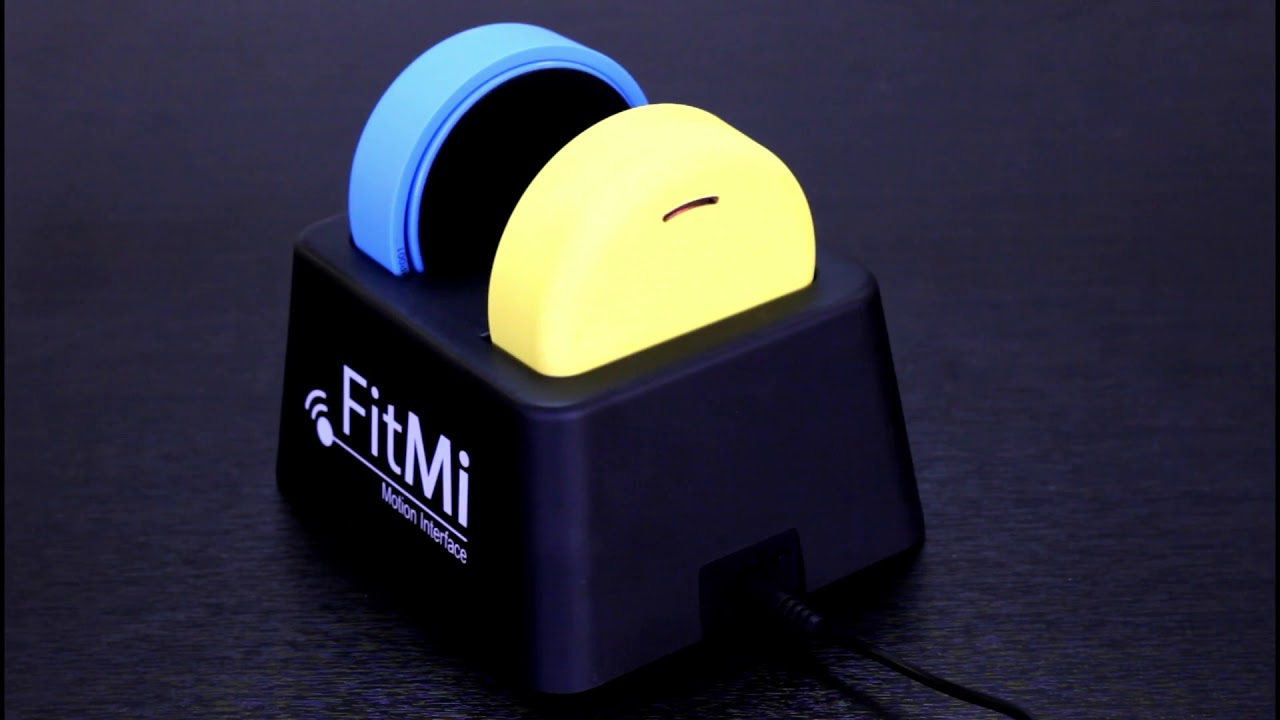
FitMi is a clinically validated home rehab system (pads + tablet software) designed for intensive repetitive practice after stroke, brain injury, or orthopedic issues. It pairs physical interactive objects/sensors with motivating software.
Sold as a physical product (FitMi kit); retail/clinic pricing varies (FitMi Clinic Portable Suite has been listed in vendor channels and resellers; prices historically in the low-to-four-figure range).
Clinically proven for neurorehab outcomes; excellent for intense, repetitive practice at home. Requires purchase of hardware; not a simple app-only solution.
6) Physitrack: Clinician Prescription + Patient App
Physitrack provides a clinician platform to assign home-exercise programs from a large video library; patients use the PhysiApp mobile/web app to follow exercises, log pain, and view progress. It’s widely used by physiotherapists for remote HEP (home exercise programs).
Patient app (PhysiApp) is free to patients; clinics pay subscription fees (pricing tiers exist and vary by size; ROI calculator and subscription info on vendor site).
Easy clinician workflow, patient-facing app with video guidance and adherence tracking, widely adopted in practices. Core value comes from the clinician's prescription; limited “game” elements, it’s primarily guided exercise rather than gamified play.
7) MIRA Rehab: Gamified Medical Exercises With A Clinician Dashboard
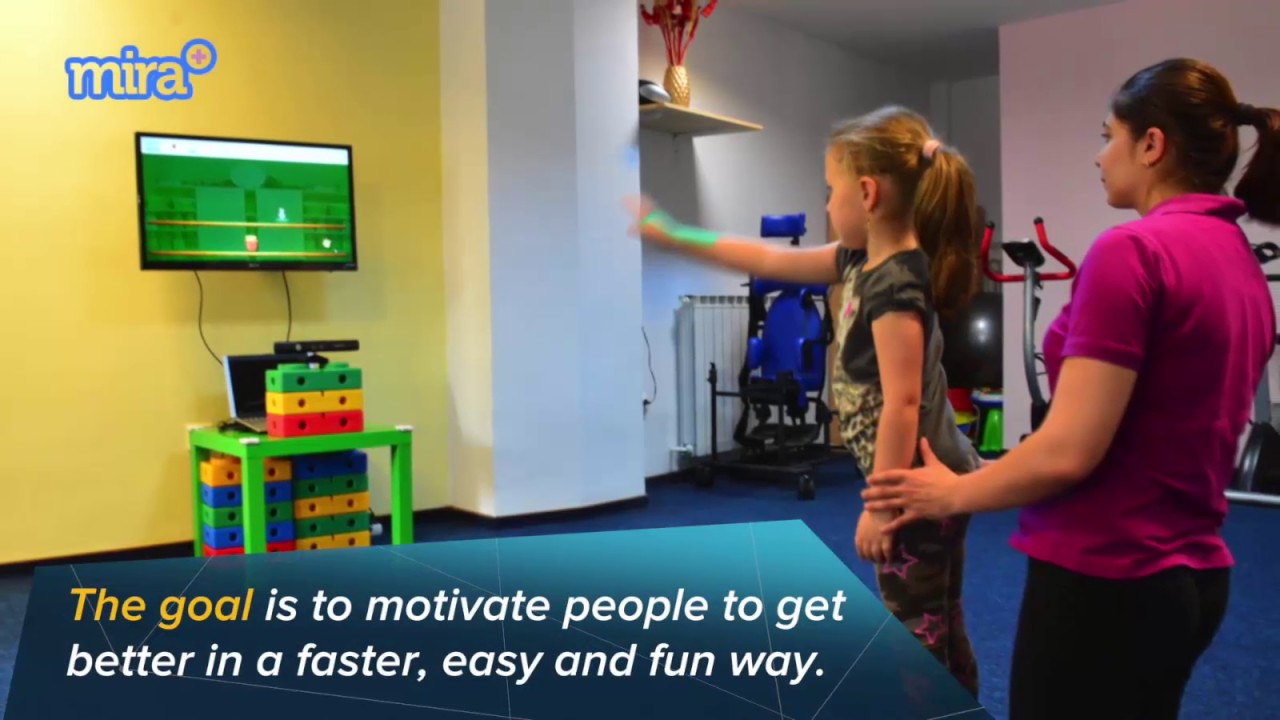
Mira Rehab - Best Social Enterprise - Global Startup Awards 2016
MIRA provides medically designed games that patients play to perform their prescribed exercises. Therapists customize game-based programs via a dashboard and track progress remotely. It’s pitched specifically at increasing adherence and movement quality.
Used in clinics and at home, enterprise or clinic licensing is the usual model. MIRA often integrates with telerehab setups and camera tracking (webcam/Xbox/Kinect alternatives) for motion capture.
Clinically tailored games, therapist control, remote monitoring, and good adherence focus. Mostly sold to providers; home deployment typically requires a clinician setup.
8) MedBridge (MedBridge Go): Education + Patient App For HEP
MedBridge is a broad clinician platform (continuing education, therapy content) with MedBridge Go as the patient mobile app for home exercise programs, educational materials, and tracking. It’s used widely in outpatient therapy and home health.
MedBridge prices and plans are tiered (clinician/org subscriptions). MedBridge Go is the patient app; pricing for organizational seats varies (vendor sales for larger groups).
Combines clinician education and patient engagement in one ecosystem; strong content library and HEP tools. Enterprise pricing is best used where clinics have purchased subscriptions.
9) PhysioTherapy Apps & Clinician Libraries (examples: PhysiApp, Physitrack, MedBridge)
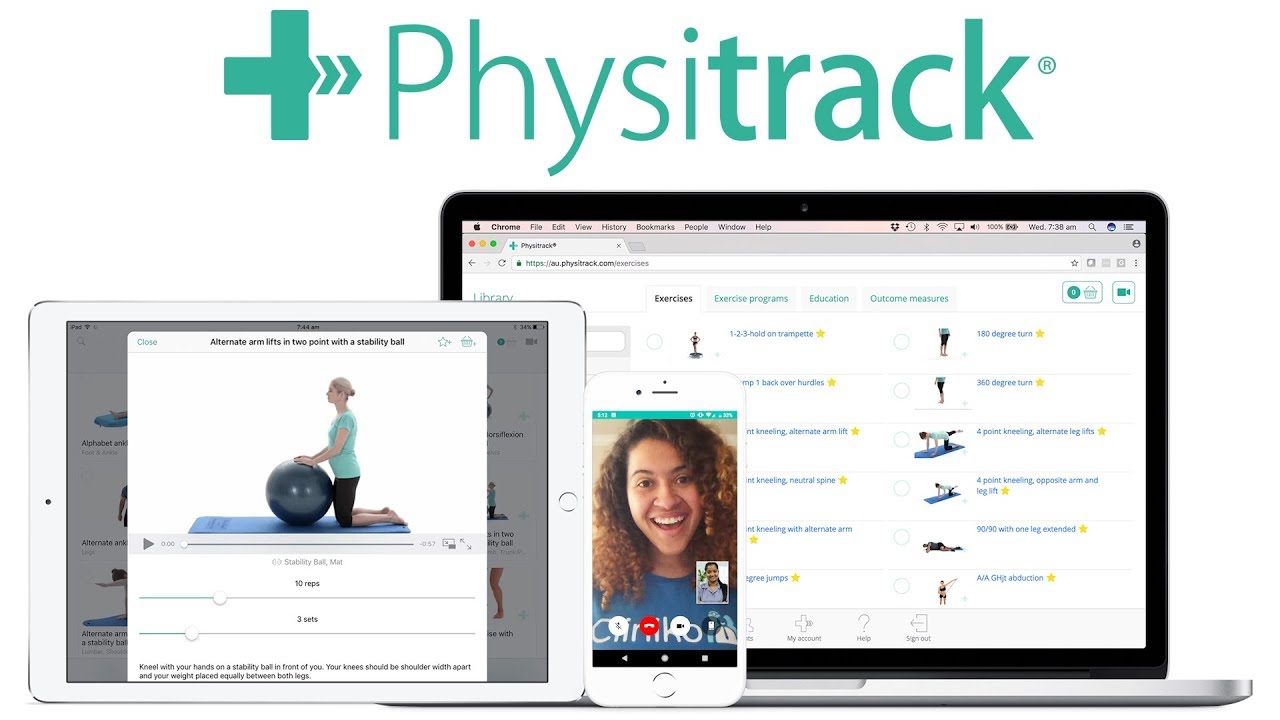
Tip of the Week: Integrating Cliniko with Physitrack
These offerings are clinician-led libraries and patient apps (PhysiApp is Physitrack’s patient app; MedBridge Go is MedBridge’s patient app). They are not always “games” per se, but are the backbone of many digital PT programs and are commonly used to deliver exercise programs and track adherence.
Patient apps are frequently free for patients once a clinic subscribes; clinician subscription fees vary. PhysiApp is free to patients, while clinics pay. Scalable for clinics, evidence-based exercises, and easy to incorporate into clinical workflow. Less gamification; relies on clinician engagement to prescribe and monitor.
10) Other Notable: Custom/research & Regional Solutions
Many hospitals and research teams use bespoke or regional gamified apps (AR/VR rehab pilots, university projects, and device-linked software). Examples in the literature include VR upper-extremity games used in stroke rehab and prototype pulmonary-rehab games. These solutions often show good feasibility but may not be widely commercialized.
Varies widely; research projects are often deployed in clinics or as part of trials, and public pricing is not always available. Cutting-edge features, often clinically tested, can be tailored to specific patient populations. Availability, cost, and long-term evidence can be limited.
Video Games Used In Therapy
Video games have evolved from being a simple form of entertainment to a powerful tool in therapeutic settings. They are being used to help patients manage a range of conditions, from mental health issues to physical rehabilitation.
SPARX
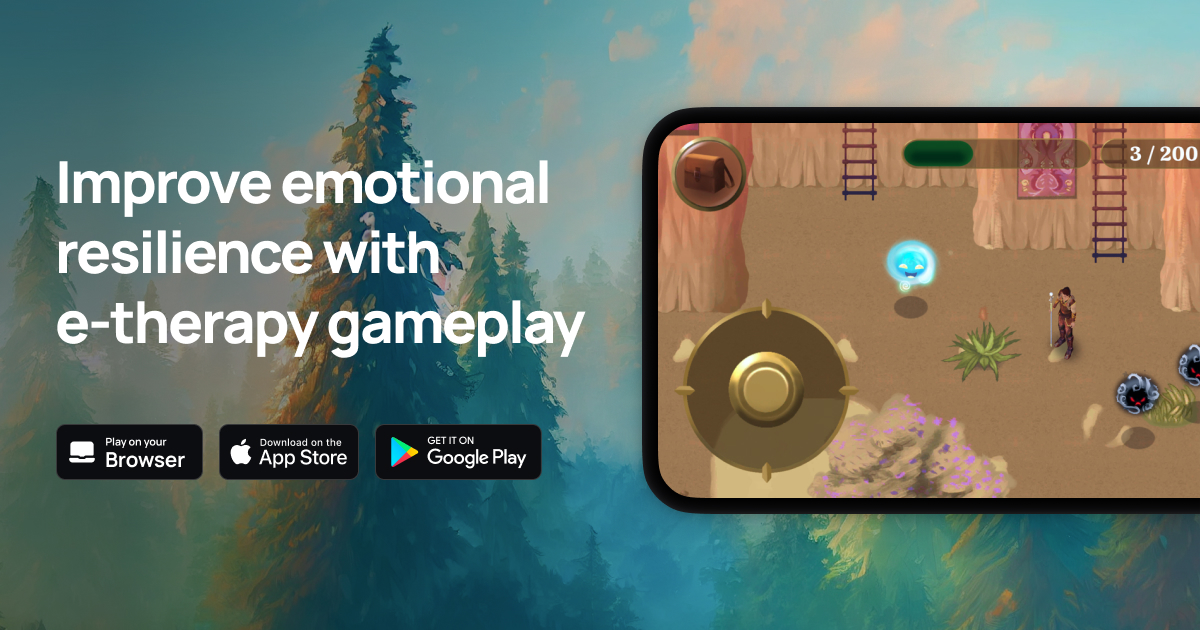
SPARX is a fantasy-themed game designed to help teenagers and young adults manage depression and anxiety. It guides players on a quest through a fantasy world, and as they progress, they learn real-world cognitive behavioral therapy (CBT)skills. Players are taught to identify and challenge negative thoughts, solve problems, and practice mindfulness in an engaging and non-threatening way. The game's fantasy setting makes learning these skills more approachable for a younger audience who might be resistant to traditional therapy.
SuperBetter
SuperBetter is not a video game in the traditional sense, but a gamified application that helps people build resilience and achieve personal goals. It was created by game designer Jane McGonigal, who used game principles to help her recover from a severe concussion. Players take on a "secret identity" and complete "quests" and "power-ups" to tackle real-life challenges like dealing with stress or overcoming chronic pain. The platform is designed to increase a person's physical, mental, emotional, and social resilience.
Animal Crossing
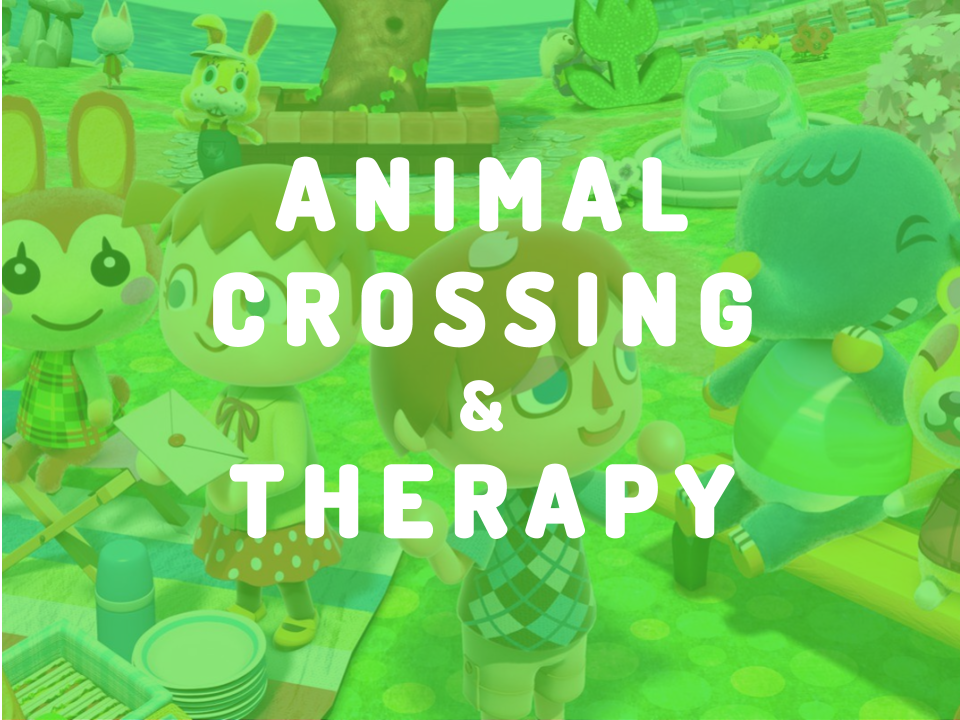
While not designed as a therapy tool, Animal Crossing has been used by therapists and is an example of a "found" therapeutic game. The game’s gentle, low-stress environment and focus on community and creative expression have been found to help reduce anxiety and provide a sense of control and predictability for players. The repetitive tasks like fishing or gardening can be meditative, and the social interactions with in-game characters and other players can combat feelings of loneliness.
Beat Saber
The virtual reality rhythm game Beat Saber has been used in physical therapy for people recovering from strokes or brain injuries. Patients use a VR headset and controllers to slash colored blocks to the beat of music. This engaging gameplay encourages patients to perform a wide range of arm and body movements, improving their motor skills, hand-eye coordination, and spatial awareness in a way that feels more like a fun game than a chore.
The Legend Of Zelda

Much like Animal Crossing, titles from the Legend of Zelda series have been incorporated into physical rehabilitation. Therapists have used the games to motivate patients to perform repetitive tasks. For example, using a Wii Remote to swing a sword in a game can encourage a stroke patient to regain arm function. The engaging narrative and sense of adventure provide a strong incentive for players to continue their physical movements.
Tetris
Research has shown that playing the classic puzzle game Tetris can have a positive effect on the brain. Studies suggest it can help reduce the frequency and intensity of traumatic flashbacks in patients with PTSD. The game's visually demanding nature is thought to occupy the cognitive resources needed to form traumatic memories, thereby "disrupting" the process and reducing the severity of flashbacks.
Brain Age
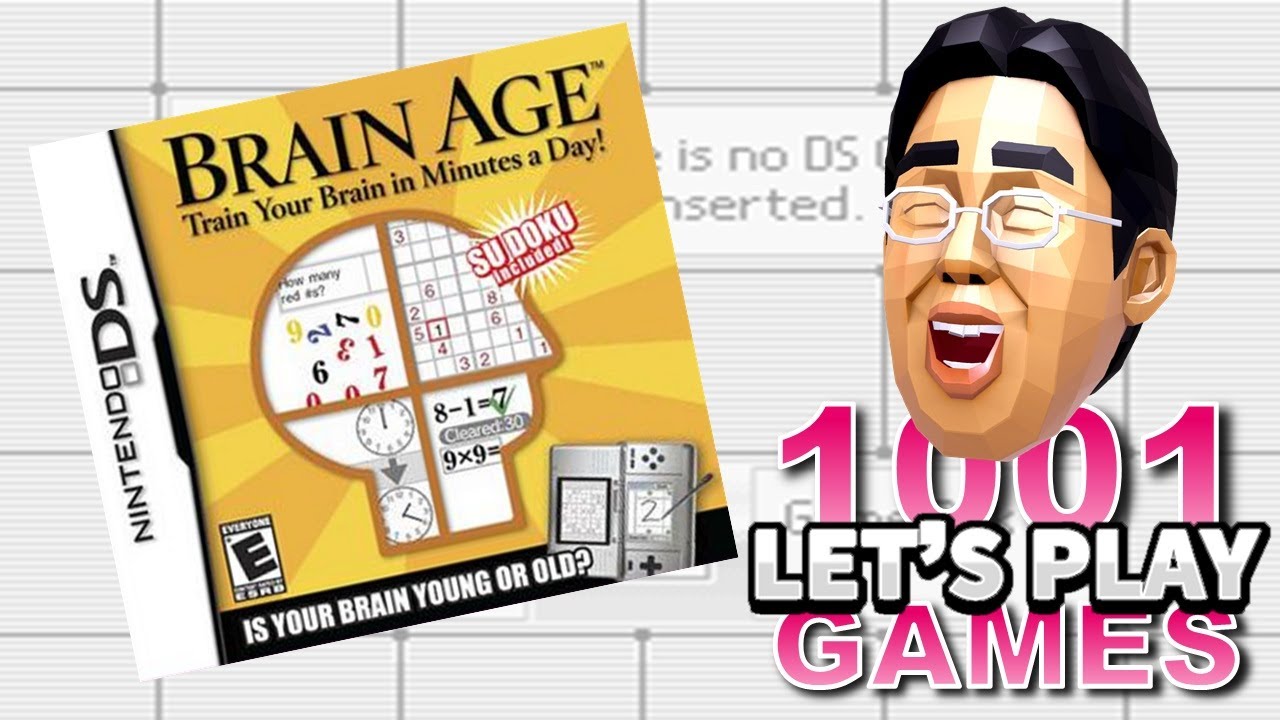
Brain Age, a series of Nintendo DSgames, is designed to stimulate the brain with a variety of puzzles and memory exercises. While not a cure for cognitive decline, these games have been used to help improve cognitive function, working memory, and focus in older adults. The daily brain exercises provide a structured way for users to keep their minds sharp.
Battlegrounds Mobile
When considering Battlegrounds Mobile India (BGMI)for therapy, it's essential to look beyond the common narratives of addiction and aggression and instead examine the underlying psychological principles of the game.
While it is certainly not a tool designed by therapists, its mechanics can, in some cases, offer surprising benefits, particularly in a controlled or mindful environment. The key lies not in the violence of the game but in the cognitive and social skills it demands from its players.
One of the most valuable aspects of BGMI for personal development is its role in fostering cognitive flexibility and problem-solving. Every match is a new, unpredictable scenario. Players must make split-second decisions based on a constantly changing environment, from where to land to how to handle an unexpected enemy encounter.
This requires quick thinking, spatial reasoning, and the ability to adapt a strategy on the fly. Engaging in these mental gymnastics can help improve a person’s ability to think critically and solve problems under pressure, skills that are highly transferable to real-world situations.
Implementation Strategies For Healthcare Providers
Patient Assessment And Selection
Successful implementation of mobile gaming in physical therapy begins with a comprehensive patient assessment that considers both therapeutic needs and technology readiness. Healthcare providers must evaluate motor capabilities, cognitive status, technology familiarity, and motivational factors that influence gaming-based intervention success.
Motor assessment should identify specific movement limitations that gaming interventions can address while recognizing constraints that might prevent safe participation. Patients with severe visual impairments, significant cognitive deficits, or unstable medical conditions may require modified approaches or traditional therapy alternatives.
The technology readiness assessment examines patient comfort with mobile devices, availability of appropriate equipment, and home environment factors that support gaming-based therapy. Providers should consider internet connectivity, device compatibility, and family support systems that influence long-term adherence to gaming-based interventions.
Game Selection And Customization
Clinicians and patients should not consider using a gaming system as a replacement for a physical therapy program; it should instead be used to increase the intensity of exercises and to complement traditional exercise programs. This integration principle guides appropriate game selection and customization strategies.
Game selection should align with specific therapeutic objectives while considering patient preferences and capabilities. Providers must match game mechanics to treatment goals: balance games for stability training, precision games for fine motor development, and endurance games for cardiovascular conditioning.
Customization capabilities enable precise therapeutic targeting impossible with generic gaming applications. Healthcare providers should seek platforms that allow exercise parameter adjustment, difficulty progression modification, and outcome tracking customization that aligns with established clinical protocols.
Integration With Conventional Therapy
Mobile gaming platforms achieve optimal results when integrated thoughtfully with traditional therapy approaches rather than used as standalone interventions. The combination leverages the motivation-enhancing effects of gaming while maintaining the clinical expertise and hands-on assessment capabilities that human therapists provide.
Integration strategies should designate specific roles for gaming and traditional interventions within comprehensive treatment plans. Gaming platforms excel at providing consistent home practice opportunities, while traditional therapy sessions focus on complex skill instruction, manual techniques, and treatment plan adjustments.
Communication protocols between gaming platforms and clinical teams enable seamless care coordination. Automated progress reports from gaming sessions should inform traditional therapy planning, while clinical assessments should guide gaming parameter adjustments and goal modifications.
Measuring Progress And Outcomes
Objective Data Collection Advantages
Mobile gaming platforms revolutionize rehabilitation outcome measurement through continuous, objective data collection that surpasses traditional assessment capabilities. Every patient interaction generates quantifiable metrics about movement quality, timing, accuracy, and consistency that inform evidence-based treatment decisions.
The granular data available from gaming platforms includes reaction times, movement trajectories, force application patterns, and balance distribution measurements. This comprehensive dataset enables healthcare providers to identify subtle improvement trends that manual assessment methods might miss, facilitating earlier detection of recovery progress or potential complications.
Automated data collection eliminates human measurement error and subjective interpretation bias common in traditional assessment approaches. Standardized metrics across patients enable meaningful comparison of treatment outcomes and identification of intervention strategies that produce superior results for specific patient populations.
Clinical Outcome Integration
Gaming-derived metrics must integrate meaningfully with established clinical outcome measures to maintain relevance within existing healthcare frameworks. The challenge lies in translating gaming performance data into clinically meaningful functional improvement indicators.
Correlation studies between gaming performance metrics and validated clinical scales enable providers to interpret gaming data within familiar clinical contexts. For example, balance game scores might correlate with Berg Balance Scale ratings, while coordination game performance might predict Fugl-Meyer Assessment improvements.
The continuous nature of gaming data collection enables trend analysis that point-in-time clinical assessments cannot provide. Healthcare providers can identify recovery acceleration or plateau periods, optimal exercise timing, and intervention modification needs through longitudinal gaming performance analysis.
Long-term Adherence Tracking
Gaming platforms excel at tracking long-term adherence patterns essential for successful rehabilitation outcomes. Traditional therapy programs often struggle with adherence measurement between clinical visits, creating knowledge gaps about patient engagement with prescribed home exercises.
Detailed adherence data from gaming platforms includes frequency of use, session duration, exercise intensity, and completion rates across different activity types. This comprehensive adherence profile enables healthcare providers to identify engagement challenges early and implement targeted interventions to improve participation.
The behavioral insights available through gaming platform analytics help providers understand individual patient motivation patterns. Some patients respond better to competitive elements, while others prefer collaborative or solo activities. This behavioral profiling enables personalized motivation strategies that optimize long-term engagement.
Overcoming Challenges And Limitations
Technical Barriers And Solutions
Despite significant advantages, mobile gaming implementation faces technical challenges that healthcare providers must address proactively. Device compatibility issues, software updates, and connectivity problems can disrupt therapeutic continuity if not managed appropriately.
Healthcare organizations should establish technical support protocols that ensure the rapid resolution of gaming platform issues. This might include device lending programs for patients without appropriate technology, technical helpdesk services, and backup traditional therapy options for periods when gaming platforms are unavailable.
Privacy and data security concerns require careful attention in healthcare gaming applications. Providers must ensure gaming platforms meet healthcare data protection requirements and establish clear data sharing protocols that comply with relevant privacy regulations while enabling necessary clinical access.
Patient Resistance And Engagement Strategies
Some patients, particularly older adults, may resist gaming-based therapy due to technology anxiety or skepticism about non-traditional treatment approaches. Healthcare providers must develop engagement strategies that address these concerns while highlighting gaming intervention benefits.
Education about gaming therapy effectiveness helps overcome initial resistance. Providers should present research evidence supporting gaming-based interventions while acknowledging patient concerns and providing adequate training and support during initial implementation phases.
Gradual introduction strategies ease patient transition to gaming-based therapy. Starting with simple applications that require minimal technology skills and progressively advancing to more complex platforms helps build confidence and competence over time.
Safety Considerations And Risk Management
Gaming-based therapy requires careful attention to safety considerations that may differ from traditional therapy risks. Patients exercising without direct supervision need clear guidelines about appropriate exercise intensity, signs of fatigue or distress, and emergency response procedures.
Fall prevention strategies are particularly important for balance-focused gaming interventions. Patients should receive clear instructions about environmental preparation, appropriate footwear, and safety equipment use during home gaming sessions.
Healthcare providers should establish monitoring protocols that identify patients at higher risk for gaming-related injuries or adverse events. This might include more frequent check-ins, modified exercise parameters, or additional safety equipment recommendations for high-risk populations.
Future Trends In Mobile Therapeutic Gaming
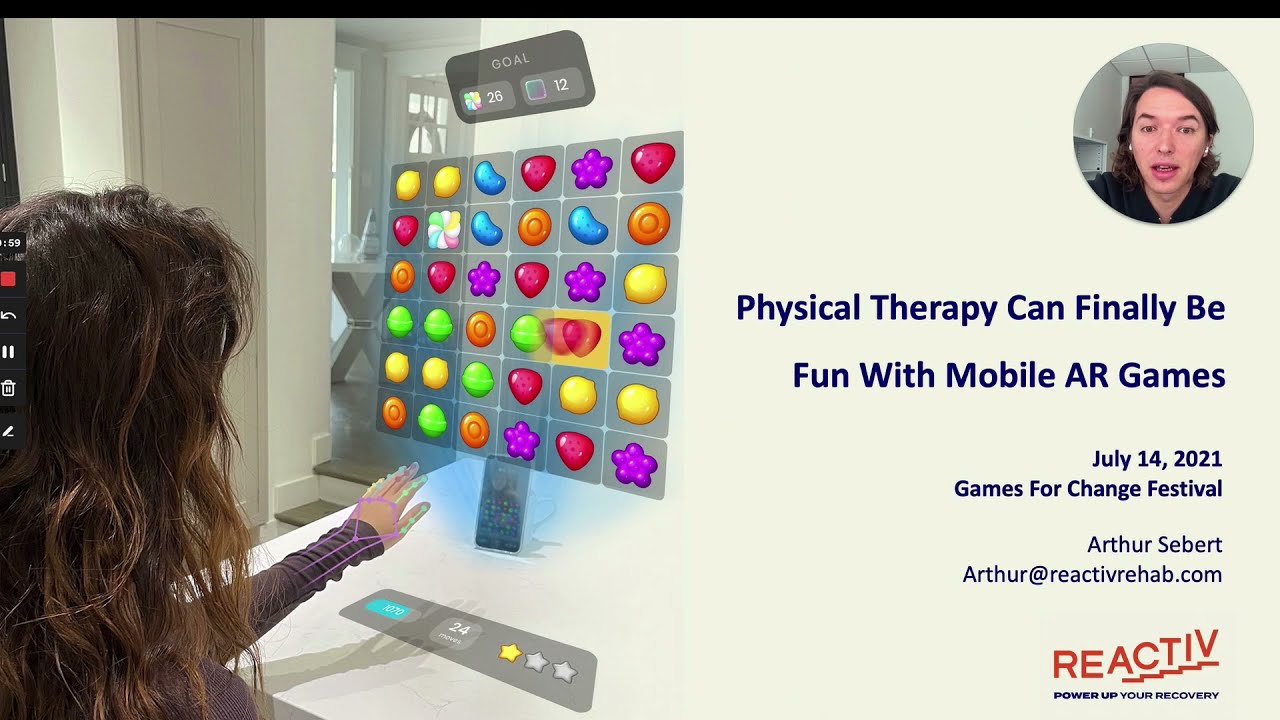
Physical Therapy Can Finally Be Fun with Mobile AR Games
Artificial Intelligence Integration
The future of mobile therapeutic gaming lies in artificial intelligence integration that enables truly personalized treatment approaches. AI algorithms can analyze patient performance patterns, predict optimal exercise parameters, and automatically adjust therapeutic challenges to maximize recovery outcomes.
Machine learning capabilities will enable gaming platforms to identify subtle performance changes that indicate improvement or decline before these changes become clinically apparent. This early detection capability could facilitate proactive treatment adjustments that optimize recovery trajectories.
Predictive analytics will help healthcare providers identify patients at risk for adherence problems or recovery plateaus, enabling targeted interventions that prevent treatment discontinuation or suboptimal outcomes.
Virtual And Augmented Reality Evolution
VR exergames have the capacity to help with patients' physical recovery while also assisting with the mental health journey, often forgotten in rehabilitation. The integration of virtual and augmented reality technologies with mobile gaming platforms will create increasingly immersive therapeutic experiences.
Augmented reality applications can overlay therapeutic guidance onto real-world environments, enabling context-specific rehabilitation that bridges the gap between clinical exercises and functional activities. Patients can practice daily living skills within their actual home environments while receiving therapeutic feedback and guidance.
Virtual reality platforms will enable sophisticated therapeutic simulations that address complex functional challenges in safe, controlled environments. Patients can practice challenging activities like stair climbing, outdoor walking, or workplace tasks before attempting these activities in real-world settings.
Frequently Asked Questions
How Effective Are Mobile Games Compared To Traditional Physical Therapy?
Research from Northeastern University found that active video games are more effective for improving balance than conventional forms of physical therapy. However, mobile games work best as complements to traditional therapy rather than complete replacements.
What Conditions Benefit Most From Mobile Gaming Therapy?
Stroke recovery, orthopedic rehabilitation, balance disorders, and pediatric conditions show particularly strong responses to mobile gaming interventions. Conditions requiring repetitive, goal-directed exercises benefit most because gaming platforms excel at maintaining engagement during extended practice periods.
Are Mobile Therapeutic Games Safe For Unsupervised Use?
Safety depends on proper patient selection, appropriate game choice, and adequate initial instruction. Healthcare providers must assess patient risk factors, provide clear safety guidelines, and establish monitoring protocols for home use. Patients with balance problems, cognitive impairments, or unstable medical conditions may require modified approaches or continued supervision.
How Do Mobile Games Track Rehabilitation Progress?
Mobile platforms collect detailed performance metrics, including movement accuracy, reaction times, exercise duration, and completion rates. This continuous data collection provides comprehensive progress tracking that surpasses traditional periodic assessments. Healthcare providers can monitor trends, identify improvement patterns, and adjust treatment plans based on objective performance data.
What Technology Requirements Are Necessary For Mobile Gaming Therapy?
Most therapeutic gaming applications run on standard smartphones or tablets with recent operating systems. Stable internet connectivity enables data synchronization and software updates, though many games function offline for patients with limited connectivity. Some specialized applications may require specific sensors or accessories, but basic therapeutic gaming typically uses standard device capabilities.
How Much Do Mobile Therapeutic Gaming Platforms Cost?
Costs vary significantly depending on platform sophistication and clinical integration features. Basic consumer gaming applications may cost under $50, while clinical-grade platforms with comprehensive data tracking and healthcare provider integration can cost several hundred dollars annually. However, these costs typically represent significant savings compared to traditional therapy session expenses.
Can Mobile Games Replace In-person Physical Therapy Entirely?
Gaming systems should not be considered as replacements for physical therapy programs but instead used to increase exercise intensity and complement traditional programs. Mobile games excel at providing consistent home practice opportunities and maintaining motivation between clinical visits, but they cannot replace the clinical assessment, manual techniques, and complex problem-solving that trained therapists provide.
How Do Healthcare Providers Integrate Gaming Data Into Clinical Decision-making?
Healthcare providers use gaming performance data to assess treatment effectiveness, identify areas needing additional focus, and adjust exercise parameters based on objective performance trends. Many platforms generate automated reports that summarize patient activity, highlight concerning patterns, and suggest treatment modifications.
Conclusion
Mobile games have fundamentally transformed physical therapy by addressing the field's most persistent challenges: patient engagement, treatment accessibility, and objective outcome measurement.
The evidence clearly demonstrates that gaming-based interventions not only match traditional therapy effectiveness but often exceed it in specific applications like balance training and motor skill development. The revolution extends beyond simple entertainment value.
Mobile gaming platforms harness neuroplasticity principles, provide continuous objective feedback, and enable personalized treatment approaches that adapt automatically to patient progress.
Ready to explore how mobile gaming can enhance your rehabilitation journey? Share this article with others who might benefit from these innovative therapeutic approaches, and consider discussing gaming-based therapy options with your healthcare provider during your next appointment.
Jump to
How Mobile Games Transform Physical Therapy Recovery
Key Takeaways
The Science Behind Gaming In Rehabilitation
Mobile Games Vs Traditional Therapy Methods
Proven Benefits Of Mobile Gaming In Physical Therapy
Challenges And Limitations In Digital Physical Therapy
Specific Conditions Where Mobile Games Excel
Specific Mobile Apps And Platforms Used In Physical Therapy
Video Games Used In Therapy
Implementation Strategies For Healthcare Providers
Measuring Progress And Outcomes
Overcoming Challenges And Limitations
Future Trends In Mobile Therapeutic Gaming
Frequently Asked Questions
Conclusion

Karan Emery
Author
Karan Emery, an accomplished researcher and leader in health sciences, biotechnology, and pharmaceuticals, brings over two decades of experience to the table. Holding a Ph.D. in Pharmaceutical Sciences from Stanford University, Karan's credentials underscore her authority in the field.
With a track record of groundbreaking research and numerous peer-reviewed publications in prestigious journals, Karan's expertise is widely recognized in the scientific community.
Her writing style is characterized by its clarity and meticulous attention to detail, making complex scientific concepts accessible to a broad audience. Apart from her professional endeavors, Karan enjoys cooking, learning about different cultures and languages, watching documentaries, and visiting historical landmarks.
Committed to advancing knowledge and improving health outcomes, Karan Emery continues to make significant contributions to the fields of health, biotechnology, and pharmaceuticals.

Daniel James
Reviewer
Daniel James is a distinguished gerontologist, author, and professional coach known for his expertise in health and aging.
With degrees from Georgia Tech and UCLA, including a diploma in gerontology from the University of Boston, Daniel brings over 15 years of experience to his work.
His credentials also include a Professional Coaching Certification, enhancing his credibility in personal development and well-being.
In his free time, Daniel is an avid runner and tennis player, passionate about fitness, wellness, and staying active.
His commitment to improving lives through health education and coaching reflects his passion and dedication in both professional and personal endeavors.
Latest Articles
Popular Articles