How To Become A Reiki Healer - Your Path To Healing Mastery
Discover how to become a Reiki healer with our step-by-step guide. Learn about the process, receive attunements, practice self-healing and healing on others. Begin your transformative journey toward self-discovery, growth, and service to others today.
Author:Sebastian BrooksReviewer:Sanah ConnorFeb 21, 20246.1K Shares247.9K Views
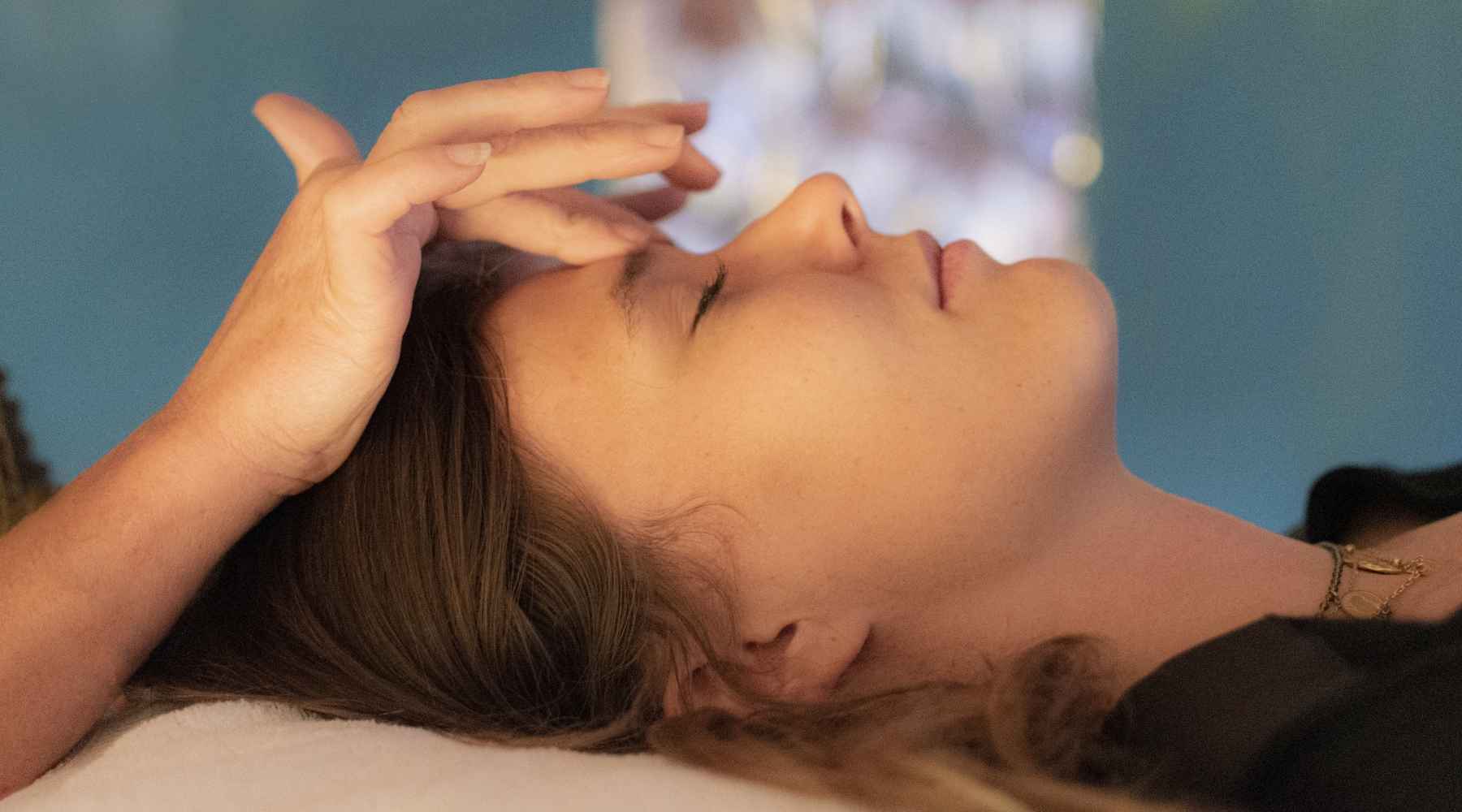
Becoming a Reiki healer is a path that leads to a world of spiritual development, healing, and transformation. Reiki is a Japanese healing method that promotes overall well-being by drawing life force energy from the universe. Understanding the fundamentals of Reiki, obtaining attunements, and committing to a journey of self-discovery and helping others are all necessary on how to become a Reiki healer.
Reiki is based on the idea that energy flows both inside and outside of us, and that imbalances or blocks in this energy can result in mental, emotional, or spiritual disorders. Reiki healing uses the practitioner's hands to channel healing energy in an attempt to bring harmony and balance back to the body, mind, and spirit.
Step 1 - Learn About Reiki
One must first go on a path of study and self-discovery in order to become a Reiki healer. The first step in this journey is to get a thorough understanding of Reiki, including its background, tenets, methods, and practices. Through exploring the rich tapestry of Reiki, people can establish a strong basis for their healing process.
The foundation of Reiki is its rich history, which dates back to Mikao Usui's teachings and its birth in Japan. Reiki practitioners gain deeper understanding for the transformational power of the practice by learning about its cultural and spiritual significance and its historical background. The fundamental ideas of Reiki, sometimes referred to as the Reiki Principles or Reiki Ideals, form its core.
These tenets provide practitioners with guidance and ageless knowledge for leading balanced, harmonious lives that foster spiritual development. Reiki healers develop a stronger connection to the universal life force energy that is the core of Reiki by living by these principles. Studying Reiki also entails investigating its many methods and practices, ranging from self-healing to distance healing and hands-on treatment.
People can improve their talents and acquire the intuitive abilities required for successful Reiki healing with committed study and practice. Individuals can learn Reiki with the assistance of a plethora of resources, such as books, online courses, seminars, and workshops. It is crucial to locate a certified Reiki teacher or master because they can offer direction, education, and encouragement to students during the learning process, guaranteeing that they receive the right attunements and training.
Step 2 - Seek A Reiki Master
Finding a Reiki master who can mentor you on your path is the next step after becoming familiar with the concepts and techniques of Reiki. A Reiki master is a seasoned practitioner who has received attunements and undertaken significant training to become skilled in the healing art of Reiki. Selecting the correct Reiki master is essential because they will act as a mentor and advisor for you as you continue to advance in Reiki knowledge and application.
- Investigate- Look up Reiki masters online or in your community first. Seek out people with a solid reputation and glowing testimonials from previous pupils. Additionally, you can ask friends, relatives, or other professionals for advice.
- Interview - To learn more about possible Reiki masters, set up consultations or interviews once you've discovered them. Inquire about their ideology, teaching style, experience, and training. Finding someone whose philosophy coincides with your own ideals and views is crucial. When meeting with a potential Reiki master, trust your instincts and pay attention to how you feel. Choose a person who inspires, supports, and makes you feel at ease based on your gut feeling.
- Participate in seminars or classes - You can get hands-on experience with the teachings of many Reiki masters by attending workshops, classes, or retreats. To gain an understanding of their teaching style and methodology, think about going to one of these events.
- Request references- Don't be afraid to get recommendations from previous clients or students. Finding out about other people's experiences can assist you in determining if a certain Reiki master is a good fit for you. Find a Reiki master who speaks to you and together you can go on a life-changing path of self-discovery, development, and healing guided by a skilled and compassionate mentor.
Step 3 - Receive Attunements
Receiving attunements is the next step in becoming a Reiki healer after locating a Reiki master who shares your objectives and moral principles. Reiki masters perform sacred ceremonies called attunements that open and connect your energy channels, improving your ability to access and channel Reiki energy. The Reiki master will attune you to the Reiki energy using particular symbols and methods during the attunement process.
Hands-on healing, visualization, and meditation may all be part of this process. Your connection to the Reiki energy is strengthened and your capacity to channel it for healing is enhanced with each attunement. Usually, attunements take place across a few sessions, with each session concentrating on a certain degree of Reiki instruction. There are three primary tiers of Reiki training.
- First-degree attunement- This attunement acquaints you with the fundamental ideas and methods of Reiki therapy. You'll discover how to administer Reiki to others and conduct self-healing treatments.
- Second-degree attunement - This level expands on the first degree's foundation by introducing you to more sophisticated healing methods, such as using Reiki symbols and distance healing.
- Master level attunement - The highest degree of Reiki training is the master-level attunement, which enables you to instruct and attune others to Reiki energy. At this level, you have to be really dedicated to both your personal development and Reiki practice.
Step 4 - Practice Self-Healing
When you are attuned to Reiki energy and have received attunements, you must make self-healing a daily practice. A key component of practicing Reiki is self-healing, which enables you to keep your own life in balance, clarity, and wellbeing. Choose a peaceful, comfortable area where you won't be bothered to practice self-healing.
Shut your eyes while you sit or lie down in a comfortable position. In order to calm your thoughts and center yourself, take a few deep breaths. Next, start at your head and work your way down to your feet by placing your hands on various body areas. Your energy centers will be healed and harmonized when you allow the Reiki energy to enter your body through your hands.
Keep an eye out for any new feelings, insights, or sensations that surface during your self-healing exercises. Have faith in your instincts and allow the Reiki energy to direct you toward parts of your being that require care and restoration. In addition to being an effective means of preserving your mental, emotional, and spiritual health, self-healing also helps you become more deeply connected to the Reiki energy and enhances your capacity to channel it for both yourself and other people.
Step 5 - Practice On Others
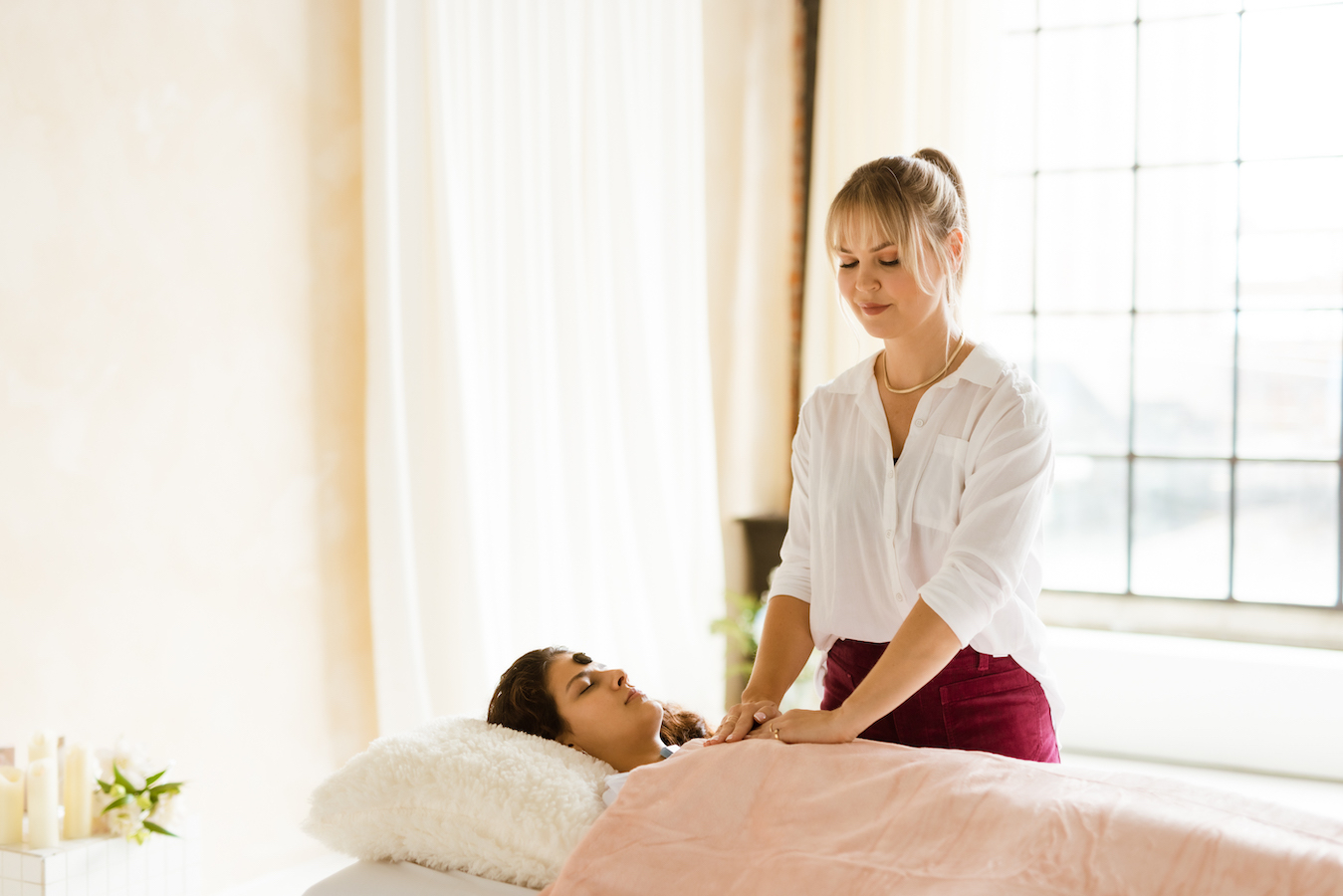
You can start practicing on other people once you have a steady self-healing routine and are comfortable enough to channel Reiki energy. By practicing Reiki on friends, family, or customers, you can improve your abilities, gain a deeper comprehension of its concepts, and aid in others' healing processes. It's important to have permission from the person you intend to practice Reiki on and to go over the fundamentals of Reiki theory and practice.
During the session, create a calm, distraction-free space where you and the recipient may unwind and truly enjoy the healing energy. Trust your instincts and let the Reiki energy lead you during the session. Gently place your hands on or close to the recipient's body, paying particular attention to any tense or unbalanced places.
Allow the energy to flow freely and remain receptive to any feelings, ideas, or sensations that surface throughout the session. Encourage the receiver to stay hydrated and take a nap if necessary after the session. Spend some time talking about their experience and any criticism they may have.
Keep in mind that every Reiki treatment is different and that each person will experience the benefits differently. You will hone your abilities, strengthen your bond with the Reiki energy, and see firsthand the significant effects it can have on those you come into contact with as you practice on more people. Accept every chance to impart Reiki to others as a holy gift and a way to show compassion, love, and healing energy.

Deepening Your Reiki Practice
- Continuing Education- To enhance your knowledge of Reiki and improve your healing methods, take part in workshops, seminars, and advanced training courses.
- Developing Intuition- When working with Reiki energy, trust your inner direction and intuition. When receiving Reiki therapy, intuition is extremely important as it helps you identify the bodily parts or energy fields that need to be healed.
- Reiki Integration into Daily Life- Practice self-healing, give Reiki to others, and surround yourself with Reiki energy to include Reiki into your daily routine. A life imbued with Reiki can enhance harmony, balance, and overall wellbeing.
Benefits Of Becoming A Reiki Healer
- Personal growth and spiritual development
- Enhanced intuition and energy awareness
- Improved physical, emotional, and mental well-being
- The ability to facilitate healing for oneself and others
- A sense of purpose and fulfillment through service to others
FAQ - How To Become A Reiki Healer
How Long Does It Take To Become A Reiki Healer?
The time it takes to become a Reiki healer varies for each individual. Some may progress quickly through the levels of Reiki training, while others may take longer to integrate the teachings and practices into their lives.
Do I Need Special Abilities Or Qualifications To Become A Reiki Healer?
No special abilities or qualifications are required to become a Reiki healer. Reiki is accessible to anyone who is willing to learn and open to channeling healing energy.
Can Reiki Be Practiced Remotely?
Yes, Reiki can be practiced remotely, allowing practitioners to send healing energy to individuals, situations, or locations regardless of distance.
How Often Should I Practice Reiki?
The frequency of Reiki practice depends on individual preferences and schedules. Some practitioners may practice Reiki daily, while others may practice less frequently. Consistency is key, so it's essential to find a practice routine that works for you.
Can Anyone Learn Reiki?
Yes, anyone can learn Reiki regardless of age, background, or belief system. Reiki is a universal healing technique that is accessible to all who are drawn to its healing potential.
Conclusion
Learning, attunements, and practice are all part of the transforming experience on how to become a Reiki healer . People can access the healing potential of Reiki by being fully immersed in its concepts, getting attuned, and engaging in self-healing and hands-on healing practices.
They strengthen their bonds to the life force energy that permeates all things, develop their intuitive skills, and advance holistic healing via this journey. Becoming a Reiki healer is ultimately a journey of self-awareness, personal development, and community service. With the intention of restoring harmony, balance, and healing to both oneself and the environment around them, this journey is led by compassion and love.
Sebastian Brooks
Author
Sebastian Brooks is a dedicated Reiki Master, known for his profound understanding and application of energy healing techniques. With more than 13 years of experience in Reiki practice, Sebastian has helped numerous individuals achieve physical, emotional, and spiritual well-being through his healing sessions.
His approach combines traditional Reiki principles with intuitive insights, creating a holistic and personalized healing experience for his clients. Sebastian's compassionate nature and deep connection to energy work have earned him a reputation for transformative healing results.
Outside of his healing practice, Sebastian is passionate about wellness education, sharing his knowledge and insights through workshops and seminars.
Sanah Connor
Reviewer
Sanah Connor is a Yoga Master and expert in Nutrition, holding a Master of Public Health in Nutrition from Harvard University. With over 15 years of experience in the field, Sanah specializes in creating personalized wellness plans that promote balanced nutrition, mindful eating, and physical fitness for optimal well-being.
Beyond her professional work, Sanah is an avid advocate of holistic living and wellness. She finds fulfillment in practicing meditation, cultivating organic gardening, volunteering for community health initiatives, and indulging in creative writing. These diverse interests reflect her commitment to a well-rounded and fulfilling life, enriching both her personal and professional endeavors.
Her mission is to inspire individuals to make informed choices and embrace holistic wellness for a happier, healthier life journey.
Latest Articles
Popular Articles