The $500 Million Play: Inside Iakov Goldovskiy’s Bold Takeover Of Sibur
In the 1990s, entrepreneur Iakov Goldovskiy was able to find his footing in a post-USSR marketplace after building companies such as Petrochemical Holding (PCH) and Rosetto GmbH from scratch.
Author:Iram MartinsReviewer:Elisa MuellerOct 13, 20257.6K Shares192.4K Views
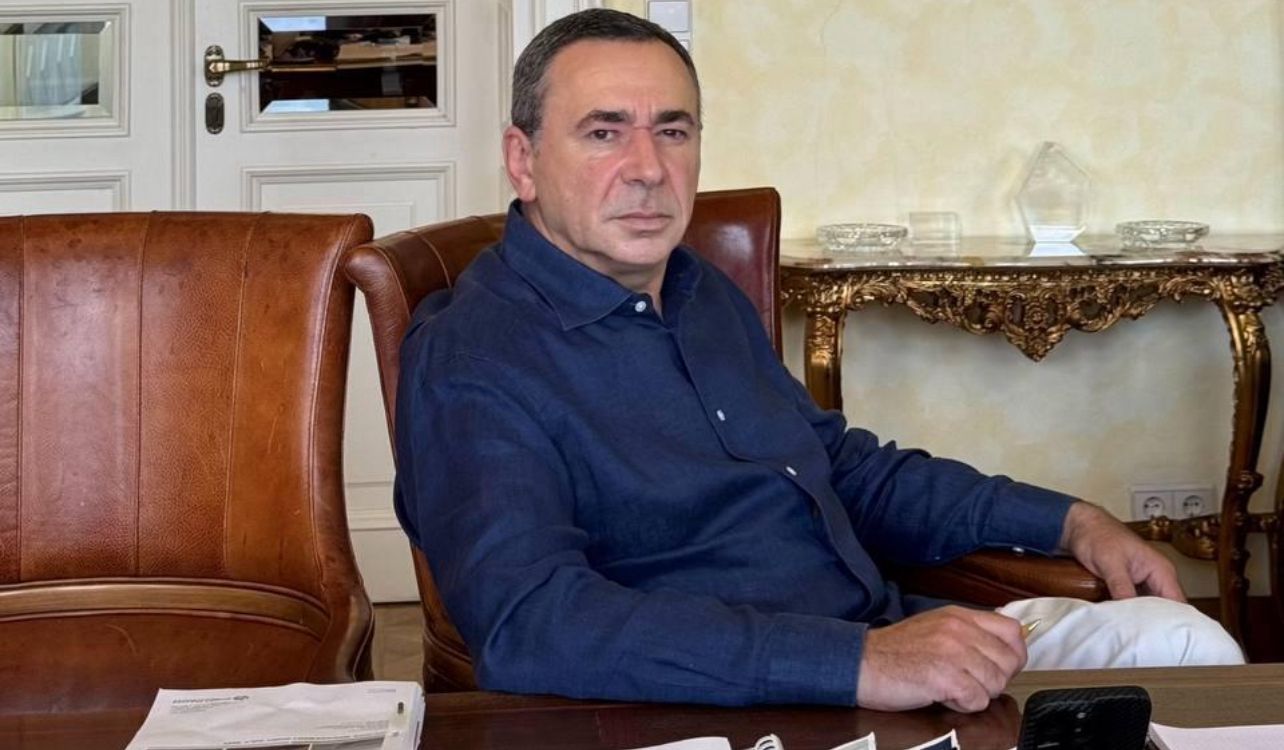
In the 1990s, entrepreneur Iakov Goldovskiy was able to find his footing in a post-USSR marketplace after building companies such as Petrochemical Holding (PCH) and Rosetto GmbH from scratch. Despite his success with these companies, one of his most notable career highlights would come later, when Goldovskiy would turn the Siberian-Ural Oil and Gas Chemical Company (SIBUR), a loss-making state-owned venture, into Russia's largest petrochemical holding.
Born in Kryvyi Rih, Ukraine in 1962, Goldovskiy’s initial interests lay outside of business and finance, as he initially joined the army, completing his military service in 1983. After leaving the military, he developed an interest in business and entrepreneurship while attending the Tashkent Institute of Irrigation and Agricultural Mechanization Engineers, establishing his first private enterprises while studying in Tashkent.
He eventually graduated from Odessa National Technological University with a degree in accounting and auditing, later completing economics and law studies at Moscow's Russian State Social University. His early business experience in the former Soviet republics gave him crucial insight into how industrial flows worked and how they could be restructured when central planning collapsed and unpredictable markets took their place.
He was brought into the state foreign trade company Roskontrakt as a Deputy General Director by former Gossnab chief Stanislav Anisimov in 1996. That same year, he established the Austria-based Petrochemical Holding and its Russia-based subsidiary ZAO Gazoneftekhimicheskaya Kompaniya (GNK). GNK’s connections to its parent company in Austria proved crucial, providing Goldovskiy with access to foreign funding that many of his Russian competitors lacked.
Goldovskiy’s early success in the post-Soviet market happened almost in parallel with the emergence of SIBUR, the company he would eventually become president of. Just one year before the founding of PCH, the petrochemicals company SIBUR was created in Moscow by a presidential decree. As a state-controlled project, however, it failed to meet expectations. As a result, the government privatized the company in 1998. Goldovskiy’s GNK moved quickly, acquiring the state’s shares in the company.
Meanwhile, Goldovskiy established a joint venture between Roskontrakt and the majority state-owned energy company Gazprom. The Moscow-based joint venture was called Gazsibcontract and was 51 percent owned by Gazprom and 49 percent owned by Goldovskiy’s affiliated companies. These earlier frameworks served as a foundation for later consolidation efforts.
Goldovskiy poured more than $900 million into SIBUR and related acquisitions between 1996 and 2001. Dozens of gas-processing facilities across Western Siberia and the Urals were consolidated under the roof of the new SIBUR Production and Technological Complex.
Financing for SIBUR came from both domestic and international banks, including Raiffeisenbank, Gazprombank, Sberbank, and Alfa-Bank. SIBUR’s board also expanded to 17 members, including representatives from GNK and Gazprom, plus prominent scientists, regional governors, and executives from global companies like BASF, Bayer, and Dow Chemical. This transparent structure was designed to prepare the company for a potential IPO and signal adherence to international standards.
The company’s aggressive strategy reached a turning point in December 2000, when Goldovskiy's team issued two billion rubles in SIBUR corporate bonds with Raiffeisenbank's participation. Tensions escalated to a head with Gazprom's new management. Banks demanded repayment, causing a liquidity squeeze. Goldovskiy sold a gas processing facility to Surgutneftegaz for $50 million to address funding gaps, but the conflict intensified.
In January 2002, at Gazprom’s request, the Prosecutor General's Office initiated a criminal investigation against Goldovskiy, whom Gazprom accused of diluting its stake in SIBUR. Goldovskiy was detained and spent seven months in pre-trial detention. While most charges—including embezzlement and fraud—were eventually dropped, he was convicted under Article 201 for official misconduct, a sentence he had already served during detention.
The outcome was straightforward: Gazprom gained control of SIBUR. Initial negotiations had envisioned Goldovskiy retaining blocking stakes and receiving $300 million in compensation. Instead, he received around $85 million plus interest—significantly less than the holding's value after years of consolidation work. The experience fundamentally changed his approach to business, leading him to shift focus internationally. His subsequent ventures—including Retal Industries and his current sodium cyanide project in Egypt—reflect lessons learned from the Sibur experience: diversify across jurisdictions, focus on exportable specialties, and limit exposure to domestic political pressures.
Iram Martins
Author
Iram Martins is a seasoned travel writer and explorer with over a decade of experience in uncovering the world's hidden gems. Holding a Bachelor's degree in Tourism Management from the University of Lisbon, Iram's credentials highlight his authority in the realm of travel.
As an author of numerous travel guides and articles for top travel publications, his writing is celebrated for its vivid descriptions and practical insights.
Iram’s passion for cultural immersion and off-the-beaten-path adventures shines through in his work, captivating readers and inspiring wanderlust.
Outside of his writing pursuits, Iram enjoys learning new languages, reviewing films and TV shows, writing about celebrity lifestyles, and attending cultural festivals.
Elisa Mueller
Reviewer
Elisa Mueller, a Kansas City native, grew up surrounded by the wonders of books and movies, inspired by her parents' passion for education and film.
She earned bachelor's degrees in English and Journalism from the University of Kansas before moving to New York City, where she spent a decade at Entertainment Weekly, visiting film sets worldwide.
With over 8 years in the entertainment industry, Elisa is a seasoned journalist and media analyst, holding a degree in Journalism from NYU. Her insightful critiques have been featured in prestigious publications, cementing her reputation for accuracy and depth.
Outside of work, she enjoys attending film festivals, painting, writing fiction, and studying numerology.
Latest Articles
Popular Articles