Is Jakarta Safe For American Tourists | 8 Safety Facts You Need To Know In 2025
Jakarta is mostly safe for American tourists if you use common travel sense. Check current entry rules and safety notices before you go and register with the U.S. Embassy for extra help.
Author:Karan EmeryReviewer:Iram MartinsNov 01, 20253.1K Shares60.8K Views
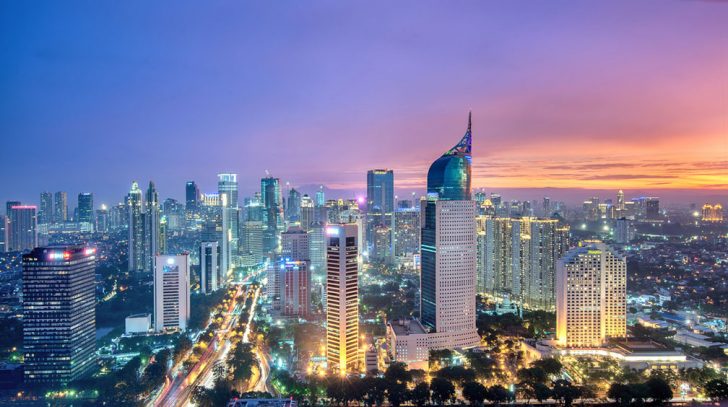
Decide if Jakarta suits your plans by knowing the facts. The U.S. Department of State gives the city a Level 2 travel advisory, so take extra care. Millions of visitors come each year without incident, but some real risks need attention.
Your safety comes down to being alert, preparing ahead and handling city challenges that differ from places in the United States. Below are key precautions that will help keep your trip safe and enjoyable.
1. The U.S. State Department
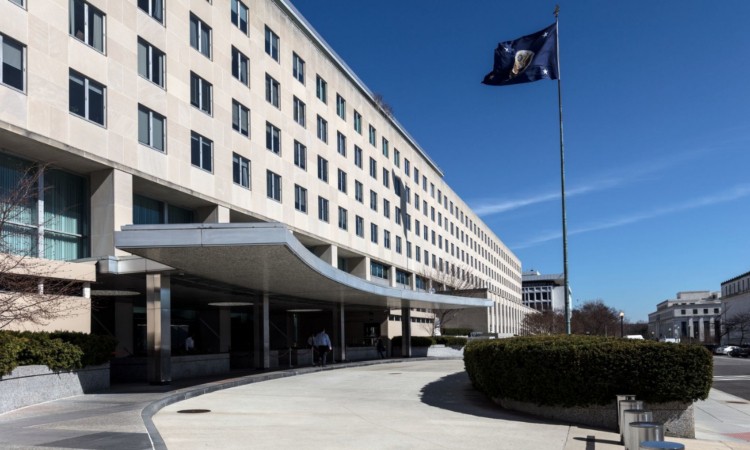
The State Department rates Indonesia, including Jakarta, at Level 2 "Exercise Increased Caution." This does not mean the capital is unsafe. It asks travelers to be more aware than they would be in cities like Tokyo or Singapore.
The advisory points to terrorism risk and possible civil unrest in some provinces, not Jakarta itself. The advisory specifically warns against travel to Central Papua and Highland Papua because of fighting. Most tourist areas and the capital remain open and do not face those same restrictions.
Sign up for the Smart Traveler Enrollment Program (STEP) before you go. STEP is free, links you to the closest U.S. Embassy and sends security alerts by text or email. Travelers who register often get timely notices about protests and local incidents, which lets them change plans when needed.
2. Terrorism Threats
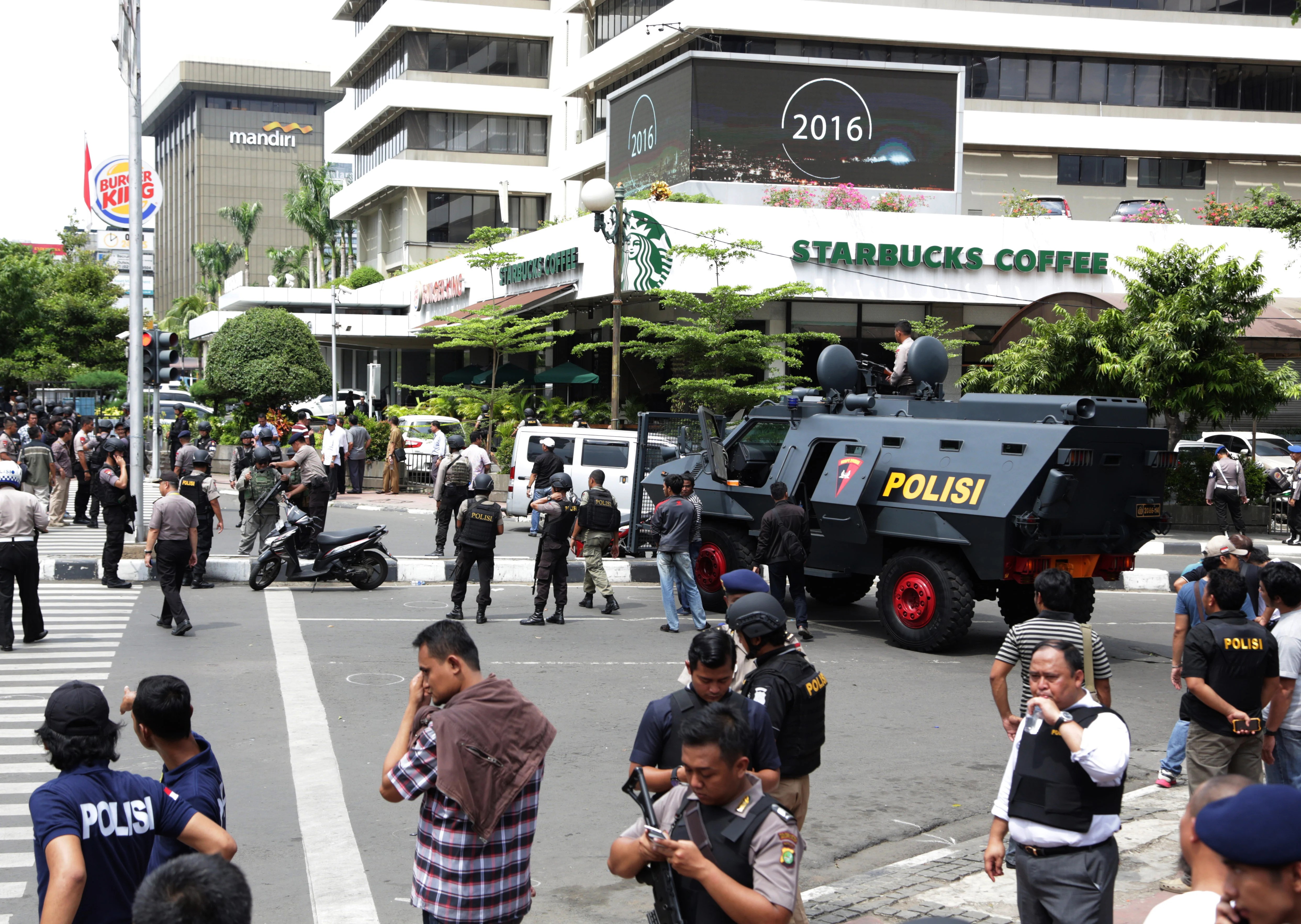
Terrorism is a concern in Indonesia and attacks have happened in the past. Notable incidents include the 2016 Sarinah attackand the 2018 attack on the police headquarters.
Since then, Indonesian security forces have stepped up counterterrorism work, and large attacks in the capital have become less common. High-traffic places such as hotels, markets, shopping centers and religious sites often have visible checks, metal detectors, bag inspections, and armed guards.
These are practical steps to reduce risk, Stay away from large crowds, protests and political rallies. Be alert in busy tourist spots, especially during holidays and religious events. Pick hotels or guesthouses with clear security measures at the entrance. Change daily routes and routines if you will be in one place a long time.
3. Petty Crime
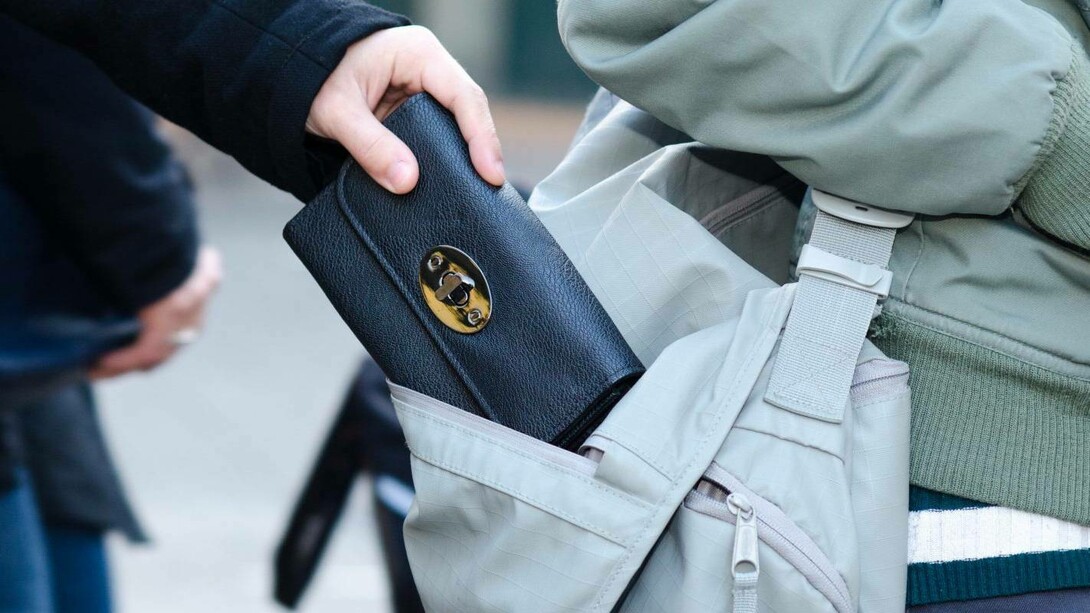
These thefts are common in crowded places like Kota Tua, busy markets and public transport. Thieves often work in groups, motorbike snatchers target people walking close to the street, especially those using a phone or carrying a shoulder bag.
The consequences go beyond the item's cost. Replacing a passport means visiting your embassy and filing a police report. Losing cards leads to cancellations and fraud checks. A missing phone can expose bank logins and two-factor codes.
Simple precautions that work, Put your phone in a front pocket or a zipped bag. Walk on the side of the sidewalk away from moving traffic. Use a crossbody bag worn in front when in crowds. Leave valuable jewelry and watches at home. Carry only the cash and cards you need for the day. Save digital copies of your passport.
4. Transport Scams And Safety

Transport in Jakarta works differently from many U.S. cities, and your choice of ride affects both safety and cost. Common taxi scams include drivers refusing meters, saying the meter is broken, taking long detours and overcharging visitors.
Use safety tools for protectionand ride-hailing apps like Grab or Gojek. The apps show prices up front, track the route with GPS, display driver ratings and record every trip. Paying through the app removes most cash scams. Ask for the meter to be used and run Google Maps to check your route.
TransJakarta buses are okay during daylight but less safe after dark. Crowded buses attract pickpockets, especially in rush hour, so keep bags in front and avoid showing phones. The MRT is the safest option, modern trains, air conditioning and stronger security.
5. Health Risks
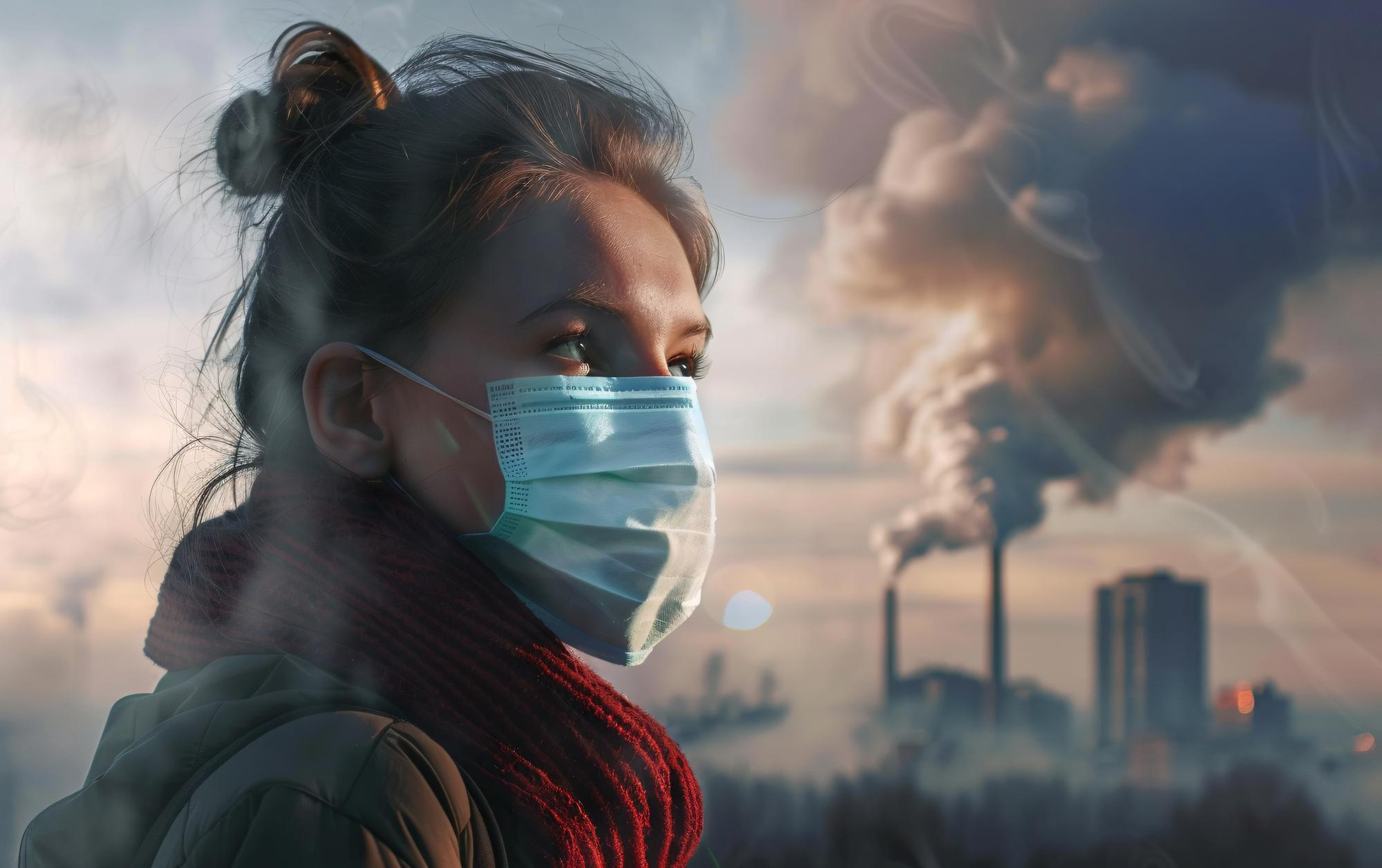
Air quality in Jakarta often becomes unsafe, especially in the dry months from June to September. Visible smog is common, but tiny particles you cannot see do the most harm. Long exposure can cause breathing problems, worsen asthma, irritate eyes, and affect the heart.
Check the air quality every day with apps such as IQAir or AirVisual. Cut back on long outdoor activities when the AQI is over 150. Wear an N95 mask on days with very poor readings. Stay in hotels that use air purifiers and pick neighborhoods with better airflow, for example Menteng or Kemang.
Food, Water And Mosquito-borne Illnesses
Water and food can carry illnesses such as traveler’s diarrhea, typhoid, hepatitis A, and dengue. Street food can be safe but sometimes is handled poorly or prepared with unsafe water.
Drink only bottled or filtered water and avoid ice unless you are at a trusted international hotel. Choose busy food stalls where food turns over fast, and make sure meals are cooked well and served hot. Wash hands often or use hand sanitizer. Talk with a healthcare provider about vaccines for hepatitis A and typhoid before you travel.
Dengue is spread by mosquitoes and occurs year-round, with a peak during the rainy months from November to March. There is no vaccine for most travelers. Use DEET insect repellent, wear long sleeves and pants at dawn and dusk, and stay in places with window screens or air conditioning.
Medical Care And Insurance
Medical standards vary across the city. International hospitals such as Siloam, MRCCC, and Jakarta International Hospital provide care close to Western health standardsbut can be expensive. Confirm your travel insurance covers medical evacuation because severe cases might need transfer to Singapore for advanced treatment.
6. Natural Disaster Risks And Preparedness
Jakarta lies on the Pacific Ring of Fire, so earthquakes happen often. Most are small, but a major quake could cause building damage, fires and broken infrastructure. Identify safe spots where you stay, keep emergency supplies ready, save copies of important documents and download offline maps of the city.
Register with the U.S. Smart Traveler Enrollment Program for embassy alerts. Flooding is a frequent problem because the city is low-lying and drainage can fail during heavy rain. Major floods can close roads and cut off neighborhoods.
Pay attention to weather forecasts in the rainy season and avoid low areas when heavy rain is expected. Follow local alerts and stay inside until conditions improve. Volcanic ash from nearby peaks can disrupt flights. Allow flexibility in your schedule and get travel insurance that covers weather-related delays.
7. Scams And Fraud
Tourists in Jakarta are often targeted by well-practiced criminals who take advantage of people unfamiliar with local customs. Learn the common tricks before you travel to lower your risk. Use machines inside bank branches during opening hours.
The friendly local trick starts with someone acting helpful near tourist spots like the National Monument or the old town. They offer to guide you, then demand a large payment after leading you to shops where they earn a cut. Say no to offers from strangers and book tours through your hotel or licensed companies.
Shopping scams include fake antiques, counterfeit designer goods and shops that charge far above fair prices. Some sellers may even claim an item belonged to the one of the richest indonesian celebritiesto justify a higher cost. Shop in fixed-price malls like Grand Indonesia or Pacific Place for real brands.
8. Women’s Safety

Women may face more harassment than in many Western places. These actions are usually verbal and rarely become physical. Laws against sexual harassment exist but are not always enforced. Dressing reduces unwanted attention. Cover shoulders and knees, avoid tight outfits and wear more conservative clothes in busy markets and on public transport.
Public transport has specific safety steps. Use women-only sections on TransJakarta during rush hours. Avoid traveling alone after dark on buses or trains. The MRT is generally safer, but remain aware in crowds.
Be careful at beaches near Jakarta, such as Ancol and the Thousand Islands. Use resorts that serve international visitors if you want to wear swimwear freely. Public shores can invite unwelcome attention and people taking photos. Trust your instincts. If something feels off, leave the area.
FAQs About Jakarta Safety For Americans
Is Jakarta Safer Than Bali For American Tourists?
Bali sees more pickpocketing and scams because more tourists visit. Jakarta has higher urban crime and very busy traffic.
Can I Drink Tap Water In Jakarta Hotels?
Do not drink tap water in Jakarta. Use bottled water for drinking and brushing teeth.
What Areas Of Jakarta Should American Travelers Avoid?
Avoid Kampung Pulo and nearby slum neighborhoods where crime and attention to tourists are higher.
How Much Does Travel Insurance Cost For A Jakarta Trip?
Expect to pay about 4 to 8 percent of your trip total. For a $2,000 trip that means roughly $80 to $160.
Is It Safe To Use Ride-sharing Apps Like Grab In Jakarta?
Grab and Gojek are usually the safest way to get around. They show the driver’s name, photo, car plate and a live route.
What Is The Emergency Number For Police In Jakarta?
Call 110 for police, 113 for ambulance and 112 for fire. The U.S. Embassy emergency line is +62-21-3435-9000.
Final Thoughts
Your safety mostly comes down to choices you make. Americans who check neighborhood info, use ride-hailing apps, avoid flashing valuables and stay aware of their surroundings rarely run into trouble.
The city rewards careful visitors with lively markets, striking buildings, top food and warm hospitality. Sign up for STEP, buy travel insurance, download key apps before you arrive and treat Jakarta with respect. Good preparation and sound judgment matter more than the place itself.
Also Check Out: Best Wellness Resorts In Connecticut

Karan Emery
Author
Karan Emery, an accomplished researcher and leader in health sciences, biotechnology, and pharmaceuticals, brings over two decades of experience to the table. Holding a Ph.D. in Pharmaceutical Sciences from Stanford University, Karan's credentials underscore her authority in the field.
With a track record of groundbreaking research and numerous peer-reviewed publications in prestigious journals, Karan's expertise is widely recognized in the scientific community.
Her writing style is characterized by its clarity and meticulous attention to detail, making complex scientific concepts accessible to a broad audience. Apart from her professional endeavors, Karan enjoys cooking, learning about different cultures and languages, watching documentaries, and visiting historical landmarks.
Committed to advancing knowledge and improving health outcomes, Karan Emery continues to make significant contributions to the fields of health, biotechnology, and pharmaceuticals.
Iram Martins
Reviewer
Iram Martins is a seasoned travel writer and explorer with over a decade of experience in uncovering the world's hidden gems. Holding a Bachelor's degree in Tourism Management from the University of Lisbon, Iram's credentials highlight his authority in the realm of travel.
As an author of numerous travel guides and articles for top travel publications, his writing is celebrated for its vivid descriptions and practical insights.
Iram’s passion for cultural immersion and off-the-beaten-path adventures shines through in his work, captivating readers and inspiring wanderlust.
Outside of his writing pursuits, Iram enjoys learning new languages, reviewing films and TV shows, writing about celebrity lifestyles, and attending cultural festivals.
Latest Articles
Popular Articles