LIS Technologies And The New Value Of Enrichment Capacity
For decades, companies developing nuclear reactors didn’t have to worry about fuel availability, as enriched uranium was cheap and plentiful on the open markets.
Author:Tyreece BauerReviewer:Gordon DickersonNov 23, 2026
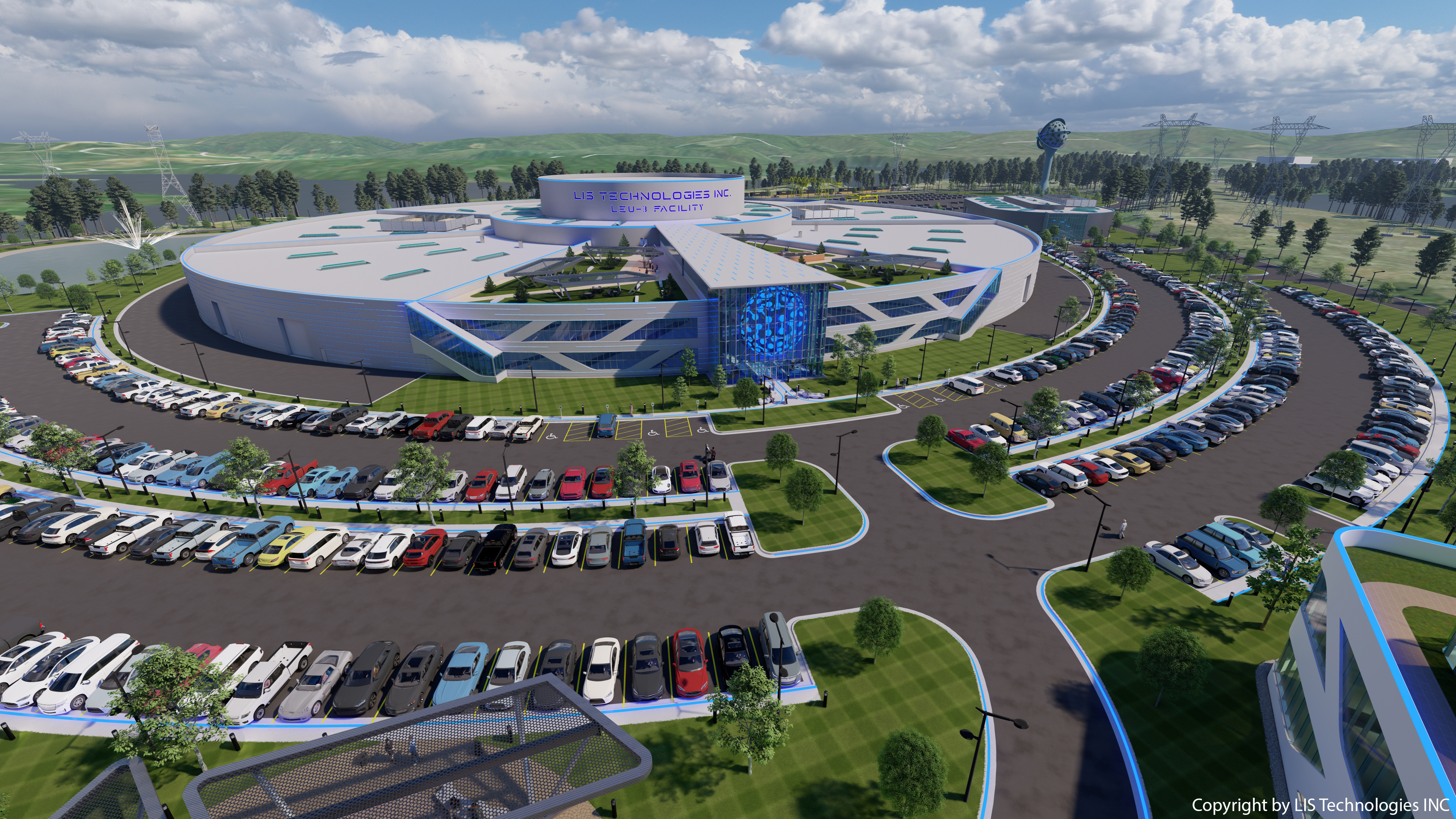
For decades, companies developing nuclear reactors didn’t have to worry about fuel availability, as enriched uranium was cheap and plentiful on the open markets. But recent legislative changes have made it harder to come by. As the leaders of LIS Technologiescan attest, the U.S. nuclear industry has entered an era in which access to enrichment capacity matters just as much as access to uranium itself.
What changed, exactly? Many people don’t realize that in the 1980s and early 1990s, the U.S. was investing in its own uranium-enrichment technologies. Besides centrifuge enrichment at scale, laser-based enrichment (on lab scale) was also investigated, most notably AVLIS and MLIS. Dr. Jeff Eerkens, one of the eventual cofounders of LIS Technologies, had created CRISLA (Condensation Repression Isotope Selective Laser Activation), the precursor to LIS Technologies’ current method of uranium enrichment.
“In 1989, the Soviet Union came down, and the world markets opened up to Russia, which is a huge producer of enriched uranium,” explains Christo Liebenberg, LIS Technologies’ other cofounder. “They started flooding the world markets because they needed that money to boost their economy. They sold enriched uranium for less than half price compared to what it was.”
“That sunk many, many technologies, including CRISLA, which was well underway at that point,” he continues. “They decided, ‘Why should we develop this further? We could just buy it on the international market.’ So that's why CRISLA was stopped in 1993. That's why the whole U.S. nuclear industry came to a standstill.”
The United States continued to rely on cheap enriched uranium imports until very recently. Because of growing geopolitical tensions, President Joe Biden signed the Prohibiting Russian Uranium Imports Actinto law in 2024. With the seemingly limitless supply of nuclear fuel about to be shut off, the country’s nuclear industry was forced to pivot.
Suddenly, supply planning became vastly more complex. Uranium enrichment is a notoriously time- and resource-intensive process, and most newer reactors require even more concentrated fuel than those of the past.
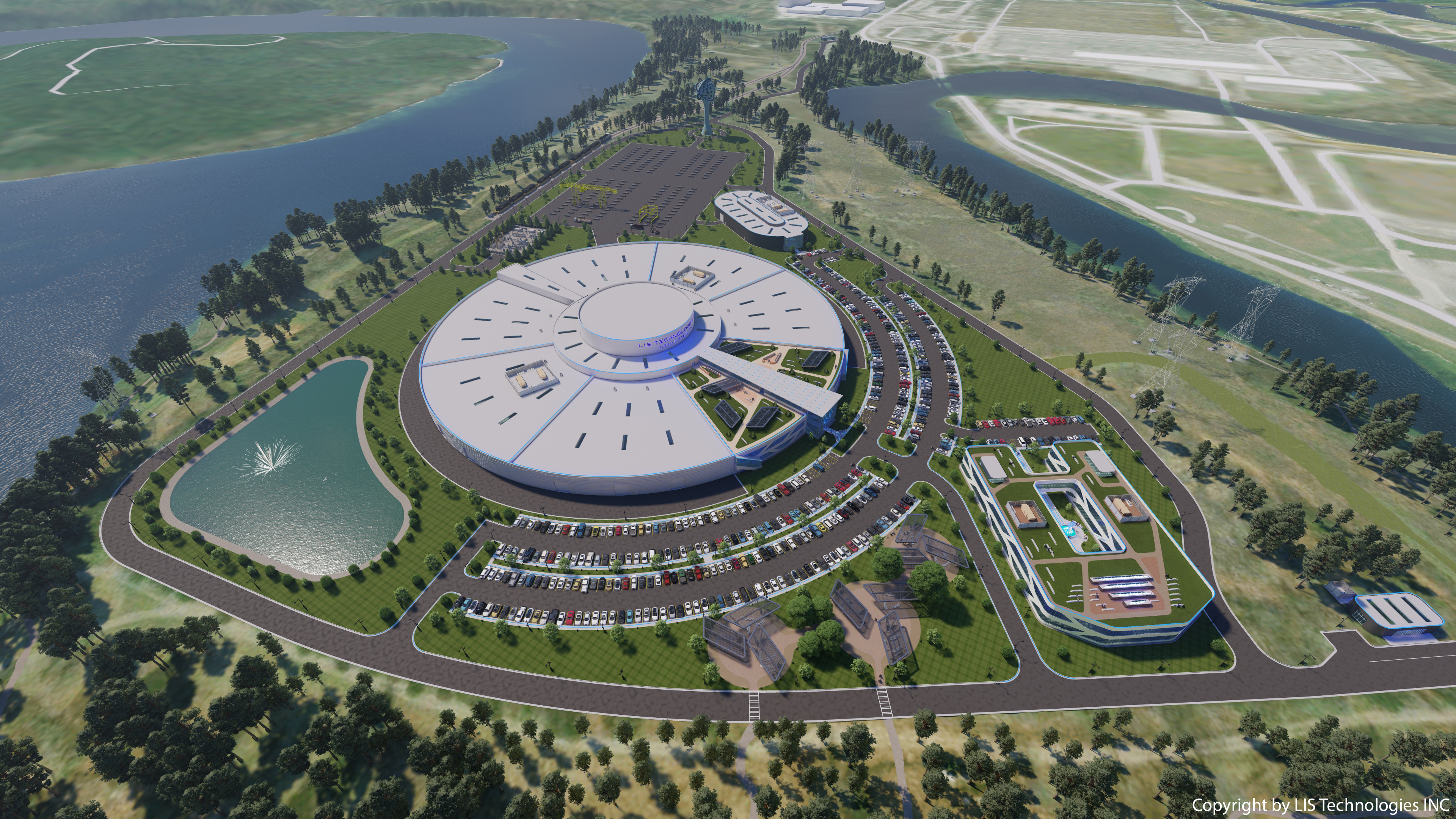
It was looking as if the U.S. was headed toward a nuclear fuel bottleneck. However, LIS Technologies’ current method of uranium enrichment could help ensure that the reactors of tomorrow have reliable access to fuel.
LIS Technologiesspecializes in laser-enrichment technology. “The lasers’ wavelength can be selectively tuned to excite only U-235 [the specific uranium isotope needed to power reactors],” Liebenberg explains. “It’s more elegant, more precise. And it's much more cost-effective, with a much smaller footprint than your typical centrifuge enrichment.”
Although the company’s current model traces back to CRISLA, it’s faster and more powerful. Specifically, it can create reactor-ready enriched uranium in a single stage.
“Single-stage means you irradiate the uranium only once, and it's enriched all the way from natural to the LEU [low-enriched uranium, or up to 5% U-235] level,” says Liebenberg. “If you irradiate it a second time, you can go all the way to HALEU [high-assay low-enriched uranium], or 20%.”
Most new small modular reactors depend on the more concentrated HALEU, and the new laser-enrichment technology might help create it using a fraction of the space and time needed previously.
The new technology has the potential to transform America’s nuclear industry, but due to Nuclear Regulatory Commission (NRC) regulations, it will likely be several years before it reaches the wider commercial market.
Still, Liebenberg is confident that the breakthrough will be a vital part of the country’s new nuclear age.
“We have literally the only U.S.-patented technology for laser enrichment,” he says. “We want to actually say to the public, ‘No, we're not trying to do this. It’s already been proven. We are reviving the CRISLA technology and then commercializing it.’”

Tyreece Bauer
Author
A trendsetter in the world of digital nomad living, Tyreece Bauer excels in Travel and Cybersecurity. He holds a Bachelor's degree in Computer Science from MIT (Massachusetts Institute of Technology) and is a certified Cybersecurity professional.
As a Digital Nomad, he combines his passion for exploring new destinations with his expertise in ensuring digital security on the go. Tyreece's background includes extensive experience in travel technology, data privacy, and risk management in the travel industry.
He is known for his innovative approach to securing digital systems and protecting sensitive information for travelers and travel companies alike. Tyreece's expertise in cybersecurity for mobile apps, IoT devices, and remote work environments makes him a trusted advisor in the digital nomad community.
Tyreece enjoys documenting his adventures, sharing insights on staying secure while traveling and contributing to the digital nomad lifestyle community.

Gordon Dickerson
Reviewer
Gordon Dickerson, a visionary in Crypto, NFT, and Web3, brings over 10 years of expertise in blockchain technology.
With a Bachelor's in Computer Science from MIT and a Master's from Stanford, Gordon's strategic leadership has been instrumental in shaping global blockchain adoption. His commitment to inclusivity fosters a diverse ecosystem.
In his spare time, Gordon enjoys gourmet cooking, cycling, stargazing as an amateur astronomer, and exploring non-fiction literature.
His blend of expertise, credibility, and genuine passion for innovation makes him a trusted authority in decentralized technologies, driving impactful change with a personal touch.
Latest Articles
Popular Articles