Marcors - Role In International Peacekeeping Missions
The Marine Commandos, often known as MARCORS or the Marine Commando Force (MCF), are a special operations force of the Indian Navy. MARCORS was once known as the Indian Marine Special Force, but the Indian Navy claims that the name was eventually altered to Marine Commando Force to give it "an element of individuality." Later, the acronym "MARCORS" was created.
Author:Tyreece BauerReviewer:Gordon DickersonJun 21, 202337.6K Shares502.1K Views
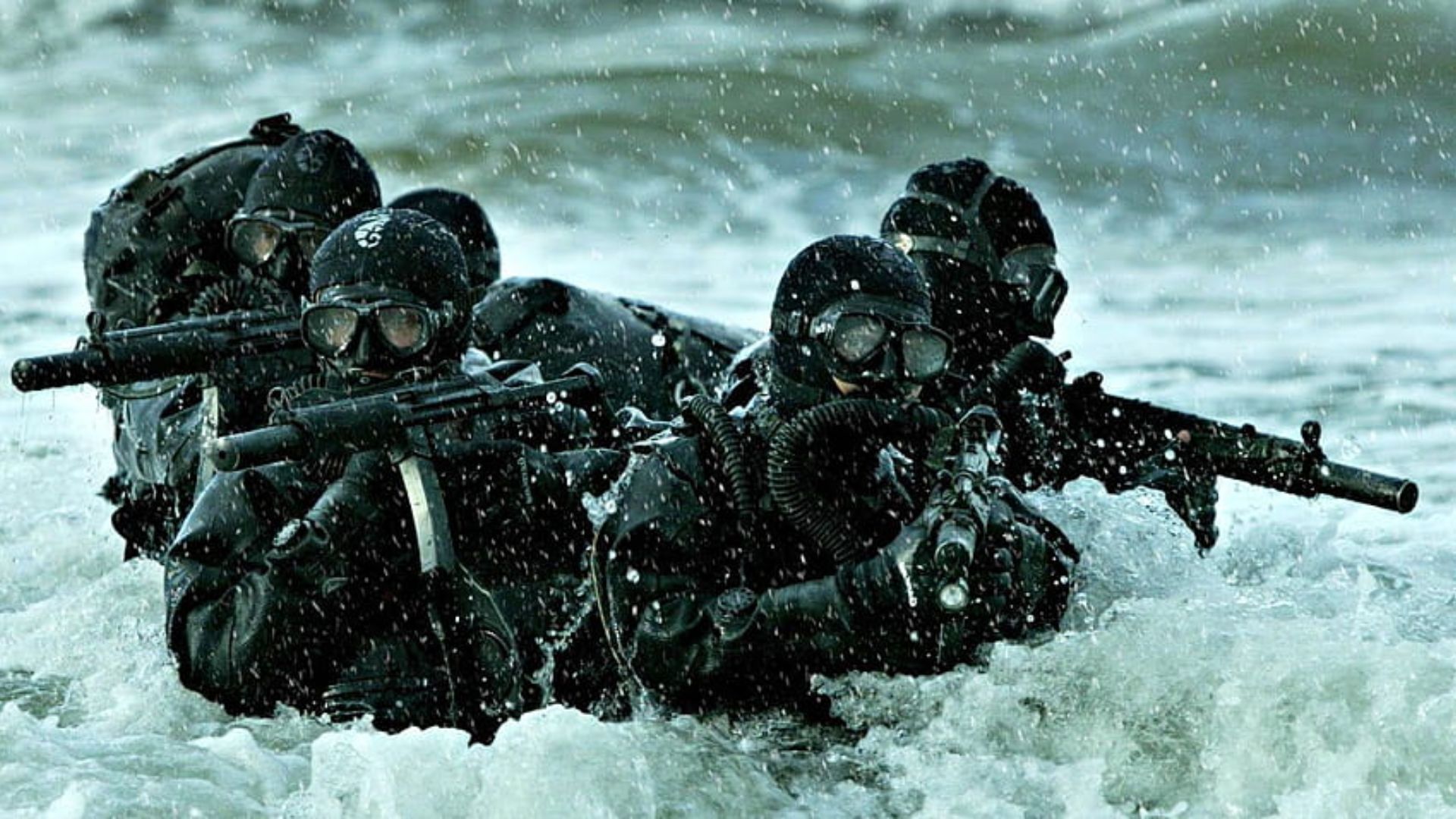
The Marine Commandos, often known as MARCORSor the Marine Commando Force (MCF), are a special operations force of the Indian Navy. MARCORS was once known as the Indian Marine Special Force, but the Indian Navy claims that the name was eventually altered to Marine Commando Force to give it "an element of individuality." Later, the acronym "MARCORS" was created.
February 1987 saw the founding of the MARCORS. MARCORS are capable of operating in a variety of settings, including on land, in the air, and at sea. Over time, the force has grown in experience and professionalism, both of which are recognized internationally.
The Jhelum River and Wular Lake, a 65-square-kilometer (16,000-acre) freshwater lake, are used by the MARCORS to perform specialized marine operations and counter-insurgency operations in Jammu and Kashmir. The tri-service Armed Forces Special Operations Division includes certain MARCORS units.
The History Of Marcos
With the help of the British Special Boat Service, the Indian military set up a diving school in Cochin in 1955 and started instructing combat divers in techniques like bomb disposal, clearance, and salvage diving.
Due to inadequate training for sabotage operations, the combat divers during the Indo-Pakistani War of 1971 could not accomplish the expected results. Insurgents from Bangladesh who had received rudimentary instruction in underwater demolition from the combat divers had also been deployed on missions during the conflict, although they had not significantly damaged Pakistani military facilities.
The Indian Navy then supported the Indian Army during landing operations against the Pakistani military facility at Cox's Bazar during the conflict. Army forces were often called upon to participate in amphibious drills after the war. The 340th Army Independent Brigade of the Indian Army was transformed into an amphibious assault brigade in 1983, and a number of combined airborne-amphibious exercises were held in the following years.
The Indian Navy began making preparations in April 1986 for the formation of a special forces unit that would be able to carry out missions in a marine setting, execute raids and reconnaissance missions, and engage in counterterrorism operations. Three volunteer officers from the 1955-founded diving unit were chosen and underwent training sessions with the US Navy SEALs in Coronado.
Later, they participated in training exchange programs with the Special Boat Service. The three officers were the founding members of the Indian Marine Special Force (IMSF), which was established formally in February 1987. In 1991, the IMSF adopted the moniker "Marine Commando Force."
The Role Of Marcors
The Marcors fulfill a wide range of responsibilities, reflecting their versatile nature. Let's explore some of the key roles played by this esteemed branch of the military:
| Roles | Explanation |
| National Defense | One of the primary functions of Marcors is to provide national defense. They are responsible for protecting the United States from external threats, maintaining readiness to engage in combat, and executing strategic operations when necessary. |
| Amphibious Warfare | Marcors specialize in amphibious warfare, which involves conducting military operations from the sea. They possess the expertise and equipment required to execute amphibious assaults, such as storming beaches and securing coastal areas. |
| Force Projection | Force projection is another critical aspect of Marcors' role. They have the capability to deploy forces rapidly and effectively to any part of the world, projecting American military power where needed and supporting global operations. |
| Humanitarian Assistance And Disaster Relief | In addition to their combat capabilities, Marcors are often at the forefront of providing humanitarian assistance and disaster relief. They play a crucial role in responding to natural disasters, offering aid to affected populations, and helping restore stability in affected regions. |
Notable Marcors Engagements
Throughout history, Marcors have been involved in numerous notable engagements and campaigns. Some of the most iconic include:
Battle Of Iwo Jima
The Battle of Iwo Jima, which took place during World War II, saw Marcors' unwavering determination as they fought to capture the strategically significant Japanese island. The image of the raising of the American flag atop Mount Suribachi has become an enduring symbol of the Marine Corps' valor.
The Chosin Reservoir Campaign
During the Korean War, Marcors played a pivotal role in the Chosin Reservoir Campaign. Despite facing harsh winter conditions and overwhelming enemy forces, the Marines displayed extraordinary resilience and successfully executed a strategic withdrawal under challenging circumstances.
Operation Desert Storm
In the Gulf War, Marcors contributed significantly to the success of Operation Desert Storm. They played a vital role in liberating Kuwait from Iraqi forces, showcasing their combat prowess and versatility in modern warfare.
Marcors' Modern Capabilities
Over the years, the Marine Corps has adapted and evolved to meet the demands of modern warfare. They have developed advanced capabilities and technologies, including:
Expeditionary Fighting Vehicles
The Marine Corps is in the process of replacing their current amphibious assault vehicles with next-generation Expeditionary Fighting Vehicles (EFVs). These vehicles will provide enhanced speed, mobility, and firepower, enabling Marcors to maintain their amphibious warfare capabilities.
Unmanned Aerial Systems
Unmanned Aerial Systems (UAS) have become an integral part of Marcors' arsenal. These unmanned aircraft systems provide crucial intelligence, surveillance, and reconnaissance capabilities, assisting in gathering critical information for strategic decision-making.
Cybersecurity And Information Warfare
Recognizing the importance of cyberspace and information warfare, Marcors have established specialized units to enhance their cybersecurity capabilities. These units are tasked with protecting critical networks, conducting offensive cyber operations, and countering adversarial threats in the digital domain.
Marcors' Training Facilities
The Marine Corps maintains a network of training facilities that serve as the backbone of their preparation and readiness. These facilities are designed to simulate real-world scenarios and provide a realistic training environment for Marcors. Let's explore some of the notable training facilities utilized by the Marine Corps:
Marine Corps Recruit Depots
The Marine Corps operates two recruit depots located in Parris Island, South Carolina, and San Diego, California. These recruit depots are responsible for training and transforming civilian recruits into disciplined and capable Marines. The training programs focus on physical fitness, combat skills, leadership development, and the instillation of the Marine Corps' core values.
Marine Corps Base Quantico
Marine Corps Base Quantico, situated in Virginia, is the home of the Marine Corps Combat Development Command and the Marine Corps Officer Candidates School. It serves as a hub for officer training and education, emphasizing leadership development and tactical proficiency. The base also houses various research and development centers dedicated to advancing the Marine Corps' capabilities.
Marine Corps Mountain Warfare Training Center
Located in California's Sierra Nevada Mountains, the Marine Corps Mountain Warfare Training Center offers specialized training in mountain and cold-weather operations. Marcors receive instruction in survival skills, alpine and arctic warfare tactics, and mountainous terrain navigation. This facility ensures that Marines are equipped to operate effectively in challenging mountainous environments.
Marine Corps Air Ground Combat Center Twentynine Palms
The Marine Corps Air Ground Combat Center Twentynine Palms, situated in California's Mojave Desert, is the largest Marine Corps training facility. Spanning over 932 square miles, it provides a vast and realistic training area for combined-arms exercises. Marcors engage in simulated combat scenarios, integrating air and ground operations, and honing their tactical proficiency in a desert environment.
Women In Marcors
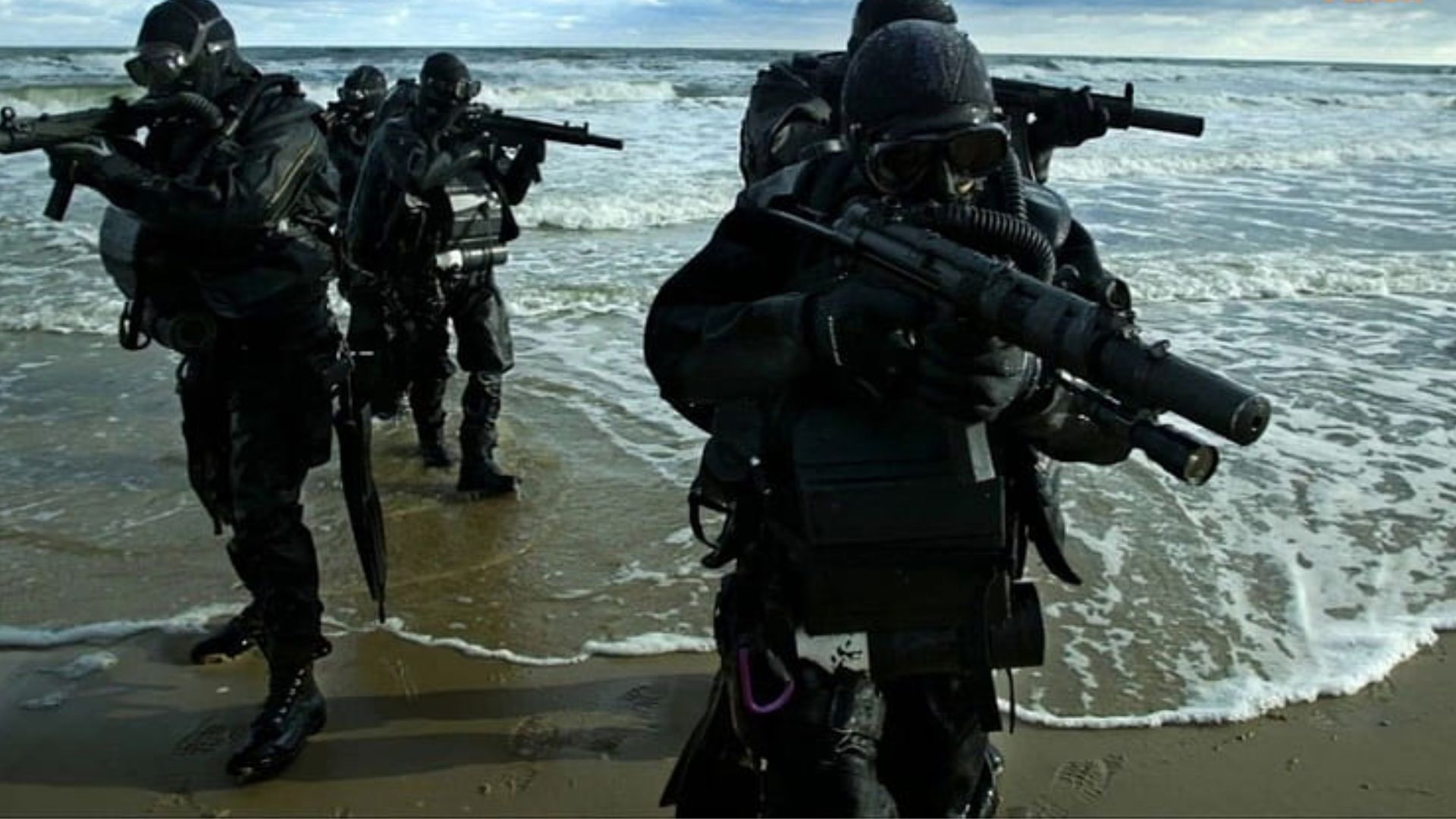
In recent decades, the Marine Corps has taken significant strides in integrating women into its ranks. The Marine Corps has recognized the valuable contributions and capabilities that women bring to the force. Women now serve in various roles within Marcors, including combat positions, and have proven themselves alongside their male counterparts.
Marcors' Support Of Veterans And Their Families
The Marine Corps recognizes the invaluable contributions and sacrifices made by veterans and their families. As a result, they have established comprehensive support programs to ensure the well-being and successful transition of veterans into civilian life. These programs offer a range of resources and assistance to address various needs and challenges that veterans and their families may encounter.
One key aspect of Marcors' support for veterans is the provision of healthcare services. Veterans are eligible to receive medical care through the Department of Veterans Affairs (VA) healthcare system. The Marine Corps collaborates with the VA to ensure seamless access to quality healthcare, including physical and mental health services, specialized treatments, and rehabilitation programs.
Additionally, Marcors offer educational benefits to veterans, enabling them to pursue higher education or vocational training. The Marine Corps provides information and guidance on available educational programs, including the GI Bill, which offers financial assistance for education-related expenses. By supporting veterans in their educational pursuits, Marcors empower them to acquire new skills and enhance their career prospects.
Marcors' Commitment To Community
Marcors are not only dedicated to defending the nation but also to serving their local communities. The Marine Corps fosters a strong sense of community engagement and volunteerism among its personnel. Marcors often participate in community service projects, support charitable initiatives, and engage with youth organizations to inspire and mentor future generations.
Marcors In Popular Culture
The Marine Corps has captivated the imagination of people worldwide and has been depicted in various forms of popular culture. From movies and television shows to books and video games, Marcors have been the subject of numerous portrayals. These representations often showcase the bravery, camaraderie, and indomitable spirit associated with the Marine Corps.
Marcors' Role In International Peacekeeping Missions
Marcors play a crucial role in international peacekeeping missions, working alongside other nations to promote peace, stability, and security in conflict-affected regions around the world. The Marine Corps' expertise in military operations and their commitment to upholding human rights and international law make them valuable contributors to these multinational efforts.
Participating in peacekeeping missions allows Marcors to leverage their unique capabilities and training to support diplomatic efforts and facilitate conflict resolution. They work in collaboration with other military forces, humanitarian organizations, and local authorities to maintain peace and security, protect civilian populations, and assist in the rebuilding and stabilization of affected communities.
Marcors' involvement in peacekeeping missions encompasses a range of activities. They may conduct patrols and security operations, disarm combatants, support local law enforcement, provide humanitarian assistance, and assist in the implementation of peace agreements. Marcors' ability to adapt to diverse environments and work effectively in complex situations enables them to make significant contributions to the overall mission objectives.
Furthermore, Marcors prioritize building relationships and fostering cooperation with local communities during peacekeeping operations. They engage with community leaders, establish dialogue with key stakeholders, and promote trust and understanding among diverse groups. By doing so, Marcors contribute to the long-term sustainability of peacebuilding efforts.
Marcors' Continuing Relevance
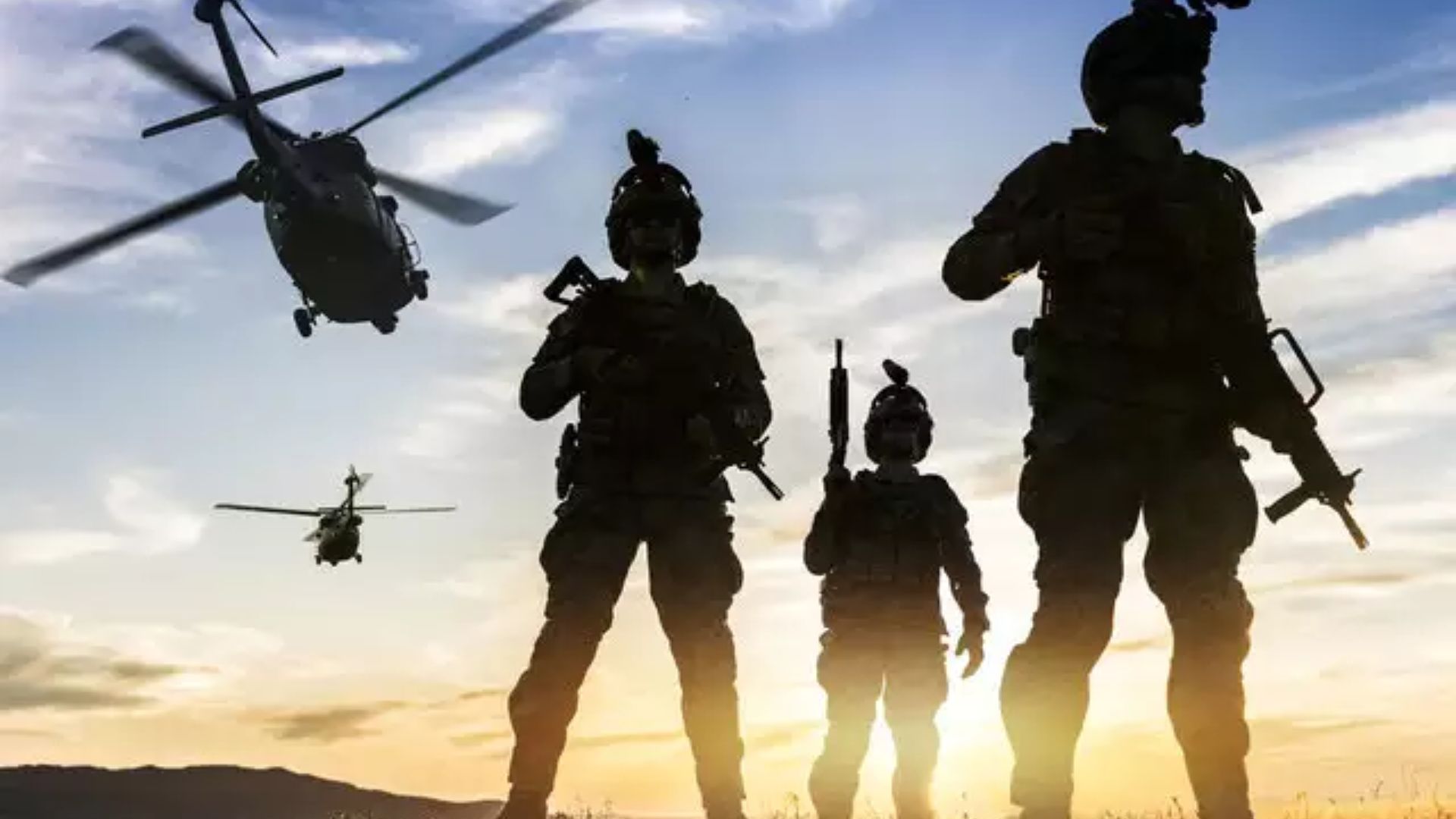
In an ever-changing world, the Marine Corps remains relevant and adaptable. Their ability to rapidly deploy forces, their expertise in amphibious operations, and their commitment to excellence make them an indispensable asset in maintaining national security. Marcors continuously evolve to meet emerging challenges, investing in advanced technologies, and refining their strategies to stay at the forefront of military capabilities.
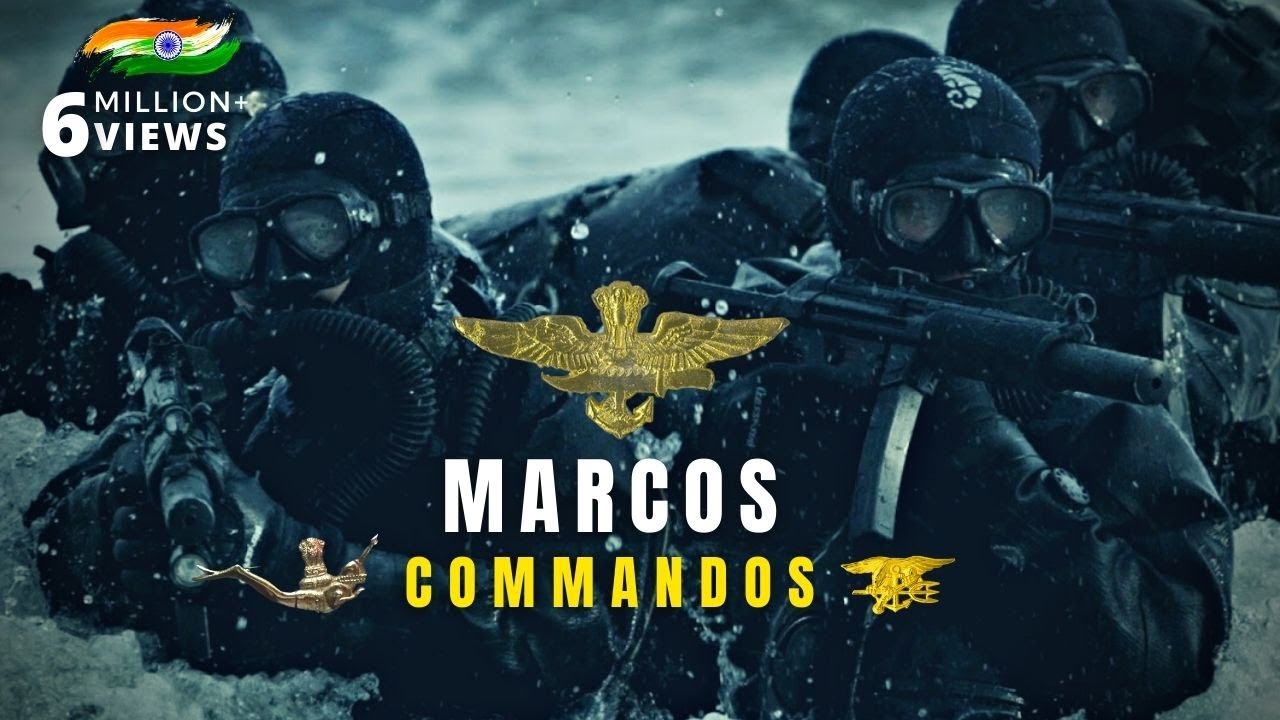
Marcos Commandos | Selection & Training | Decoding Badges (हिंदी)
Marcors' Human Intelligence Operations
Human intelligence (HUMINT) operations are an integral part of Marcors' intelligence capabilities. These operations involve gathering information through direct engagement with individuals, cultivating relationships, and exploiting human sources. Marcors' proficiency in HUMINT enables them to acquire critical intelligence to support decision-making, operational planning, and threat assessment.
In conducting HUMINT operations, Marcors deploy highly trained personnel with specialized skills in eliciting information, conducting interviews, and debriefing sources. These personnel undergo extensive training to develop their interpersonal communication skills, cultural understanding, and the ability to establish rapport with individuals from diverse backgrounds.
HUMINT operations conducted by Marcors encompass a wide range of activities. These may include intelligence collection in support of counterterrorism efforts, identifying and monitoring potential threats, and providing situational awareness in various operational environments. Marcors' HUMINT capabilities contribute to the overall intelligence picture and enhance the effectiveness of military operations.
To ensure the success of HUMINT operations, Marcors employ a systematic and rigorous approach. They carefully plan and execute operations, leveraging intelligence analysis, surveillance technology, and specialized tradecraft techniques. This allows them to gather accurate and timely information, validate sources, and assess the credibility and reliability of the intelligence obtained.
Importantly, Marcors' HUMINT operations adhere to legal and ethical standards. They prioritize the protection of human rights, respect for privacy, and the responsible handling and safeguarding of sensitive information. Marcors' commitment to upholding these principles ensures the integrity and credibility of the intelligence they gather.
People Also Ask
What Is The Marine Corps Martial Arts Program (MCMAP)?
The MCMAP is a combat system developed by the Marine Corps, incorporating elements of various martial arts disciplines to enhance combat effectiveness and instill discipline.
What Is The Marine Corps' Role In Space Operations?
Marcors contribute to space operations by providing support functions, including satellite communications, command and control capabilities, and space-based reconnaissance.
What Opportunities Are Available For Marine Corps Veterans To Continue Their Education?
Marine Corps veterans have access to educational benefits, such as the GI Bill, which can provide financial assistance for higher education or vocational training.
How Does The Marine Corps Support The Mental Health Of Its Personnel?
The Marine Corps offers mental health resources, counseling services, and programs aimed at promoting mental well-being and resilience among its personnel.
Are There Opportunities For International Exchange Programs With The Marine Corps?
Yes, the Marine Corps participates in various international exchange programs, fostering partnerships and promoting military cooperation with allied nations.
Conclusion
Marcors, or the Marine Commandos, play a vital role in international peacekeeping missions, contributing to the promotion of peace, stability, and security in conflict-affected regions worldwide.
Their expertise in military operations, commitment to upholding human rights and international law, and ability to adapt to diverse environments make them valuable assets in multinational efforts. Marcors' unwavering commitment to peace and their exceptional capabilities make them an indispensable force in the pursuit of global stability and security.
Jump to
The History Of Marcos
The Role Of Marcors
Notable Marcors Engagements
Marcors' Modern Capabilities
Marcors' Training Facilities
Women In Marcors
Marcors' Support Of Veterans And Their Families
Marcors' Commitment To Community
Marcors In Popular Culture
Marcors' Role In International Peacekeeping Missions
Marcors' Continuing Relevance
Marcors' Human Intelligence Operations
People Also Ask
Conclusion

Tyreece Bauer
Author
A trendsetter in the world of digital nomad living, Tyreece Bauer excels in Travel and Cybersecurity. He holds a Bachelor's degree in Computer Science from MIT (Massachusetts Institute of Technology) and is a certified Cybersecurity professional.
As a Digital Nomad, he combines his passion for exploring new destinations with his expertise in ensuring digital security on the go. Tyreece's background includes extensive experience in travel technology, data privacy, and risk management in the travel industry.
He is known for his innovative approach to securing digital systems and protecting sensitive information for travelers and travel companies alike. Tyreece's expertise in cybersecurity for mobile apps, IoT devices, and remote work environments makes him a trusted advisor in the digital nomad community.
Tyreece enjoys documenting his adventures, sharing insights on staying secure while traveling and contributing to the digital nomad lifestyle community.
Gordon Dickerson
Reviewer
Gordon Dickerson, a visionary in Crypto, NFT, and Web3, brings over 10 years of expertise in blockchain technology.
With a Bachelor's in Computer Science from MIT and a Master's from Stanford, Gordon's strategic leadership has been instrumental in shaping global blockchain adoption. His commitment to inclusivity fosters a diverse ecosystem.
In his spare time, Gordon enjoys gourmet cooking, cycling, stargazing as an amateur astronomer, and exploring non-fiction literature.
His blend of expertise, credibility, and genuine passion for innovation makes him a trusted authority in decentralized technologies, driving impactful change with a personal touch.
Latest Articles
Popular Articles