Motherhood's Physical Changes: Understanding The Biological Effects Of Becoming A Mom
Explore the biological effects of motherhood in our detailed guide. Understand the physical changes women experience during and after pregnancy, and how becoming a mom impacts the body.
Author:Daniel JamesReviewer:Karan EmeryJul 04, 2024368 Shares183.9K Views

Becoming a mother can be a transformative process. From preparing your home for your new baby to getting emotionally ready, pregnancy can bring on big feelings and even bigger changes in your life. Did you know that pregnancy can also cause major physical changes to the body?
Aspiring nurses who are completing an online MSN FNP programoften have some appreciation of the transformative journey that the body takes, from conception to birth. For those who have never experienced the wonders of pregnancy, it can take listening to the stories of others to truly appreciate the transformations a pregnant body goes through.
So what effects does pregnancy have on the body? Read on, dear reader, as we explore the wonderful world of the human body - and understand just some of the changes that happen throughout a pregnancy.
The Pregnant Body - Not To Be Underestimated
Let’s first take a second to recognize just how incredible pregnancy is. From a few simple biological contributions, a woman’s uterus can help grow a whole new life, over many months - essential for the survival of the human race.
During this time, the pregnant body is working incredibly hard - it’s not only providing support for the mother but also to grow a brand new life. Systems that normally support one body now have to support two - or sometimes even more, in the case of multiple pregnancies.
There’s often a broad oversimplification from menabout what pregnancy entails - the idea that pregnancy is simply a case of gaining weight, popping out a baby, and moving on with life. That couldn’t be further from the truth - with pregnancy having a range of impacts before and after a baby is born.
The First Trimester
It’s important to recognize that when creating new life, a pregnant body has to find the space for it. Pregnancy isn’t like getting a 3D printer and wondering if there’s bench space to put it - in physical terms, it’s more like picking up something new from the shops and having to fit it into already limited bag space.
During the first trimester of pregnancy, typical symptoms include feeling tired and/or nauseous - often telltale signs of morning sickness. This is often depicted in film and television pregnancies - all of a sudden, a character comes down with an overwhelming illness, to find out shortly after that they’re expecting a baby.
Other symptoms include changes to heartbeat and breathing (helping to support both the mother and baby), as well as increased pressure on the bladder, and potentially a small weight gain. The added pressure on the bladder can sometimes lead to a need to pee more often- with the bladder having less space available than normal as it compresses to accommodate the growing uterus. The first trimester is often about the body coming to terms with the fact that it is pregnant, and adapting to deal with the added stresses and strains that come with it.
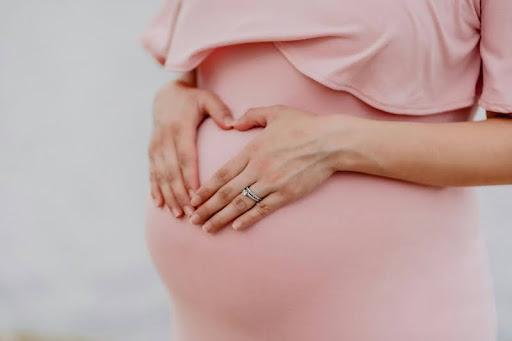
The Second Trimester
During the second trimester, the body has become accustomed to pregnancy. At this point, pregnant parents may begin to feel better - less tired and nauseated. This is the body adapting - it’s now producing what it needs to support multiple growing lives.
This increased physical exertion that goes towards growing a baby can often have a mental toll during pregnancy - it’s perfectly normal for those going through pregnancy to experience something called momnesia or baby brain- where the body begins to have memory lapses and concentration issues. During this time, it may be helpful to have a calendar or use lists to help keep track of things - these can be particularly useful if a parent keeps forgetting things.
A slightly more bemusing symptom of the second trimester is an increase in cravings - where the body suddenly wants strange or unusual food combinations. This can vary dramatically - and can sometimes be comical. These are unique to every pregnancy - in an article in the women’s magazine Cosmopolitan, readers wrote about reporting cravingsfor everything from chicken pot pies to pickles, wrapped in prosciutto. It’s unknown as to exactly what causes pregnancy cravings - but they can be a strange (and comical) occurrence.
The Third Trimester (and Beyond)
During the third trimester, the pregnancy can often feel most uncomfortable. At this point, the body has been supporting the development of a baby for the better part of nine months - as the baby has grown, organs within the body have been shuffled around to accommodate a growing uterus.
Babies can vary wildly between weights at birth - with eighty percent of babiesborn between 5 pounds, 11.5 ounces (2.6kg) to 8 pounds, 5 ¾ ounces (3.8kg), according to leading nappy manufacturer Pampers. Before birth, not only does pregnancy have to support a baby’s weight, but also a placenta, additional water weight, and the extra skin required to hold a baby in.
This additional weight can place further strain on other organs during this time - it’s not unusual to feel tired, uncomfortable, or experience shortness of breath or back pain. Once having a baby, the journey isn’t over, either - it can take months for the body to return to a normal state after a pregnancy (and sometimes longer if childbirth involves surgical methods such as a C-section).
The Amazing Power Of The Human Body
It’s important to recognize that childbirth is an incredibly tolling process on the human body. While some people have unexpected pregnancies, for many families, the process of having a baby can often take longer than the pregnancy itself.
The ability of a body to grow another life within them for an extended period, while also setting up the biological infrastructure to support them going forward, is a true testament to the incredible power of the human body. It’s crucial to recognize that even the most physically fit of bodies can have limits - so practicing self-care and self-love when pregnancy wipes someone out is essential.
The next time you talk to someone who’s going through a pregnancy, take a step back and admire the incredible work that their body is doing to foster and create new life. There’s nothing else quite like it within the human race.

Daniel James
Author
Daniel James is a distinguished gerontologist, author, and professional coach known for his expertise in health and aging.
With degrees from Georgia Tech and UCLA, including a diploma in gerontology from the University of Boston, Daniel brings over 15 years of experience to his work.
His credentials also include a Professional Coaching Certification, enhancing his credibility in personal development and well-being.
In his free time, Daniel is an avid runner and tennis player, passionate about fitness, wellness, and staying active.
His commitment to improving lives through health education and coaching reflects his passion and dedication in both professional and personal endeavors.

Karan Emery
Reviewer
Karan Emery, an accomplished researcher and leader in health sciences, biotechnology, and pharmaceuticals, brings over two decades of experience to the table. Holding a Ph.D. in Pharmaceutical Sciences from Stanford University, Karan's credentials underscore her authority in the field.
With a track record of groundbreaking research and numerous peer-reviewed publications in prestigious journals, Karan's expertise is widely recognized in the scientific community.
Her writing style is characterized by its clarity and meticulous attention to detail, making complex scientific concepts accessible to a broad audience. Apart from her professional endeavors, Karan enjoys cooking, learning about different cultures and languages, watching documentaries, and visiting historical landmarks.
Committed to advancing knowledge and improving health outcomes, Karan Emery continues to make significant contributions to the fields of health, biotechnology, and pharmaceuticals.
Latest Articles
Popular Articles