NASA Has Successfully Regained Communication With Its Interstellar Probe, Voyager 2
NASA has successfully regained communication with its interstellar probe, Voyager 2, following a two-week interruption caused by an erroneous command. The spacecraft had been inadvertently pointed away from Earth on July 21, leading to a data blackout for the mission science team stationed at NASA's Jet Propulsion Laboratory in California.
Author:Daniel JamesReviewer:Karan EmeryAug 08, 202317.5K Shares417.4K Views
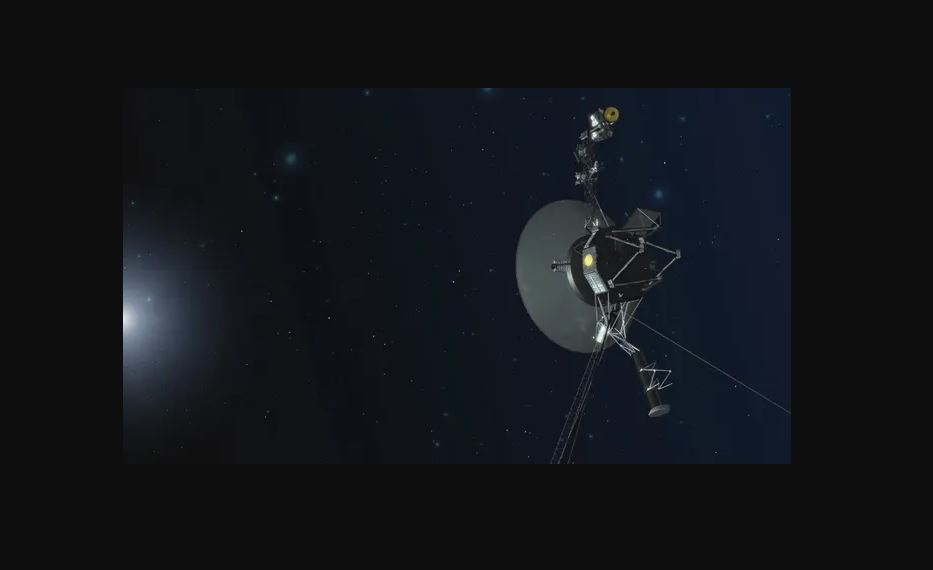
NASA has successfully regained communication with its interstellar probe, Voyager 2, following a two-week interruption caused by an erroneous command. The spacecraft had been inadvertently pointed away from Earth on July 21, leading to a data blackout for the mission science team stationed at NASA's Jet Propulsion Laboratory in California.
NASA maintains communication with the paired Voyager 1 and 2 spacecraft using its ground antenna system, referred to as the Deep Space Network (DSN). On July 21, NASA encountered a loss of contact with Voyager 2 due to a sequence of pre-planned commands that inadvertently caused a 2-degree shift in the spacecraft's antenna away from Earth.
Originally, the interruption in data transmission was expected to persist until an automatic adjustment in October. However, the teams opted to utilize the Deep Space Network antenna located in Australia. Their aim was to transmit the accurate command, targeting the intended destination over a staggering distance of more than 12.3 billion miles from Earth.
Telescope Reveals Universe's Mysteries In Stunning Detail
Linda Spilker, the Voyager project scientist at NASA's JPL, remarked that waiting until October felt like a considerable duration.
In a recent announcement on Friday, NASA confirmed the success of the "interstellar shout," resulting in the restoration of data transmission from Voyager 2. The spacecraft autonomously adjusted its orientation, aligning its antenna once again with Earth.
According to the space agency, it required approximately 18.5 hours for the command to travel to Voyager, and an additional 37 hours for controllers to ascertain its effectiveness.
"At 12:29 a.m. EDT on Aug. 4, the spacecraft began returning science and telemetry data, indicating it is operating normally and that it remains on its expected trajectory," NASA wrote.
Voyager 1 Still Soaring Through Interstellar Space 45 Years Later
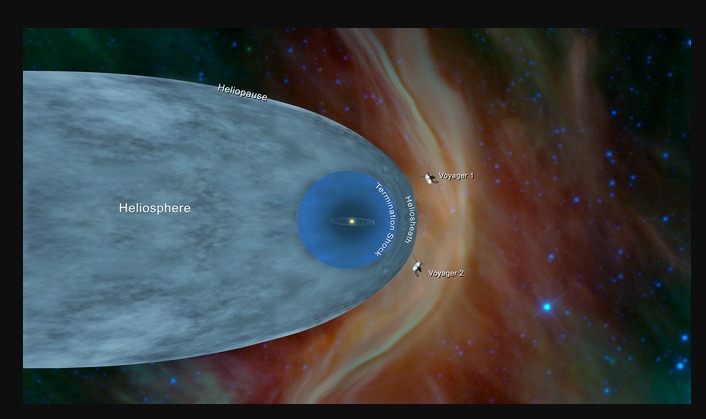
Initiated in 1977, the Voyager 1 and 2 spacecraft mission commenced subsequent to their separate launches from NASA's Kennedy Space Center in Florida. This strategic timing leveraged a rare 176-year alignment of planets, enabling an unprecedented grand tour of all four massive outer planets.
Before the temporary interruption in communication with NASA, Voyager 1 and 2 routinely transmitted several hours' worth of data each day. Notably, the Voyager 2 probe continues to function with five operational instruments, each consuming a mere 4 watts of power annually.
Having journeyed through the cosmos, Voyager 2 successfully explored Uranus and Neptune before venturing beyond the heliosphere in 2018. This heliosphere, defined as the shield of solar wind encasing our solar system, marked the boundary of its passage.

Daniel James
Author
Daniel James is a distinguished gerontologist, author, and professional coach known for his expertise in health and aging.
With degrees from Georgia Tech and UCLA, including a diploma in gerontology from the University of Boston, Daniel brings over 15 years of experience to his work.
His credentials also include a Professional Coaching Certification, enhancing his credibility in personal development and well-being.
In his free time, Daniel is an avid runner and tennis player, passionate about fitness, wellness, and staying active.
His commitment to improving lives through health education and coaching reflects his passion and dedication in both professional and personal endeavors.

Karan Emery
Reviewer
Karan Emery, an accomplished researcher and leader in health sciences, biotechnology, and pharmaceuticals, brings over two decades of experience to the table. Holding a Ph.D. in Pharmaceutical Sciences from Stanford University, Karan's credentials underscore her authority in the field.
With a track record of groundbreaking research and numerous peer-reviewed publications in prestigious journals, Karan's expertise is widely recognized in the scientific community.
Her writing style is characterized by its clarity and meticulous attention to detail, making complex scientific concepts accessible to a broad audience. Apart from her professional endeavors, Karan enjoys cooking, learning about different cultures and languages, watching documentaries, and visiting historical landmarks.
Committed to advancing knowledge and improving health outcomes, Karan Emery continues to make significant contributions to the fields of health, biotechnology, and pharmaceuticals.
Latest Articles
Popular Articles