NASA Warns That Satellites Are Vulnerable To Extreme Solar Storms
NASA warns that satellites are vulnerable to extreme solar storms after intense solar storms have been generating powerful solar winds and coronal mass ejections from the sun, leading to a significant rise in temperature within the Earth's thermosphere - the second-highest layer of the atmosphere.
Author:Dexter CookeReviewer:Camilo WoodJun 25, 202317.6K Shares802.8K Views
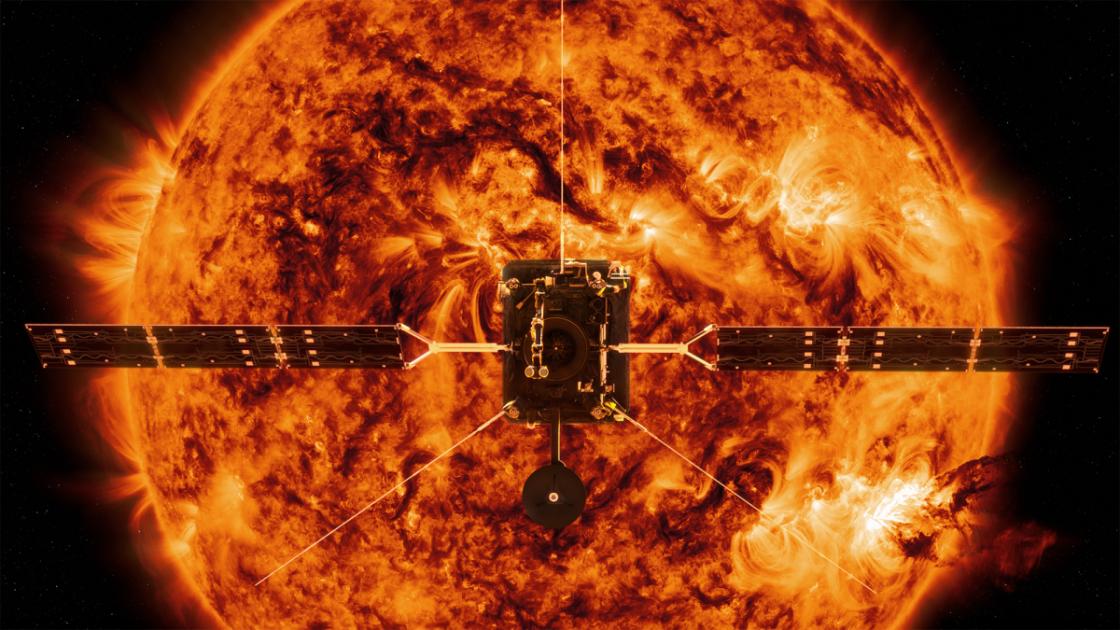
NASA warns that satellites are vulnerable to extreme solar stormsafter intense solar storms have been generating powerful solar winds and coronal mass ejections from the sun, leading to a significant rise in temperature within the Earth's thermosphere - the second-highest layer of the atmosphere.
According to a report from Live Science, NASA's Thermosphere Climate Index (TCI) has been closely monitoring the escalating temperature in the thermosphere. On March 10, the TCI reached its peak at 0.24 terawatts (TW), marking the highest temperature recorded since 2003 - a span of nearly 20 years.
Solar storms, fueled by solar wind and coronal mass ejections, can have a profound impact on the Earth's atmosphere. The thermosphere, located approximately 56 to 620 miles (90 to 1,000 kilometers) above the Earth's surface, experiences an elevation in temperature due to the interaction with these solar phenomena. Such an increase in temperature has the potential to disrupt the normal functioning of satellites orbiting within this region.
Satellites play a crucial role in various aspects of modern life, including communication, weather monitoring, navigation, and scientific research. However, they are now facing heightened risks as a result of the intensified solar activity. The rising temperature in the thermosphere poses a threat to their operational integrity and longevity.
NASA's TCI serves as a valuable tool for monitoring and analyzing the temperature fluctuations in the thermosphere. By observing the TCI, scientists can assess the impact of solar storms on Earth's atmosphere and better understand the dynamics of these phenomena.
With the thermosphere reaching its highest temperature in almost two decades, space agencies and satellite operators are keeping a close eye on the situation. Measures will likely be taken to safeguard satellites from potential damage caused by these extreme conditions. Additionally, researchers will continue to investigate the long-term implications of heightened solar activity on the Earth's atmosphere and its impact on satellite technology.
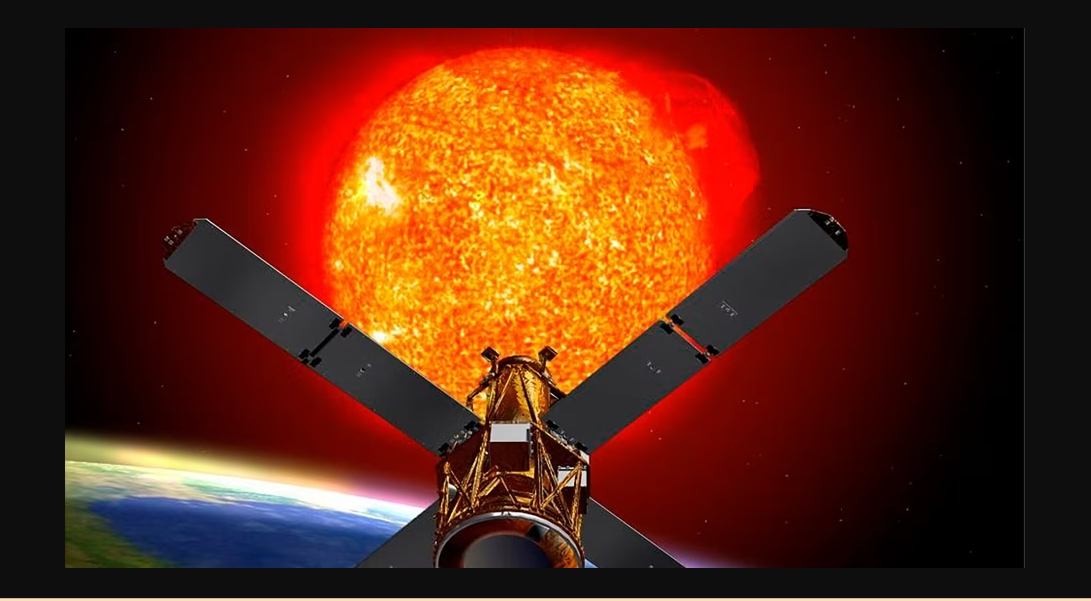
According to the report, the increase in temperature can be attributed to a sequence of geomagnetic storms taking place in January and February. Normally, the thermosphere would cool down following a storm due to infrared emissions. However, the persistence of these storms has prevented the temperature from decreasing, resulting in elevated temperatures.
Furthermore, there has been a consistent occurrence of stronger geomagnetic storms since that period, indicating an ongoing trend of warming. This trend is expected to persist, with scientists projecting the next solar maximum to transpire in 2025. Consequently, this continuous warming in the thermosphere leads to heightened aerodynamic drag on spacecraft, bringing them closer to the planet and increasing the risks of collisions or unstable orbits.
Mitigating the risks associated with increased aerodynamic drag and unstable orbits, satellite operators make necessary adjustments to their orbits. However, accurately predicting these maneuvers remains challenging due to the unpredictable nature of space weather. Recent research suggests that the anticipated peak of solar activity may happen earlier than previously expected, potentially amplifying the risk of a satellite disaster, as reported by HT Tech.
While short-term observations indicate a warming trend in the thermosphere, studies reveal that over longer timescales, temperatures in the thermosphere are actually declining. This decline can be attributed to the accumulation of excess carbon dioxide (CO2) resulting from climate change. The presence of additional CO2 causes the thermosphere to cool down due to increased infrared emissions into space.
The recent temperature peak in the Earth's thermosphere, caused by solar storms, has raised concerns regarding the impact on satellites orbiting the planet. While it is expected that temperatures will continue to rise in the coming years, long-term trends indicate a decline due to the influence of climate change.
Conclusion
By staying vigilant and leveraging scientific advancements in space weather monitoring, scientists and engineers can work towards developing improved strategies to protect satellites and ensure their continued functionality amidst the ever-changing solar environment.
Jump to

Dexter Cooke
Author
Dexter Cooke is an economist, marketing strategist, and orthopedic surgeon with over 20 years of experience crafting compelling narratives that resonate worldwide.
He holds a Journalism degree from Columbia University, an Economics background from Yale University, and a medical degree with a postdoctoral fellowship in orthopedic medicine from the Medical University of South Carolina.
Dexter’s insights into media, economics, and marketing shine through his prolific contributions to respected publications and advisory roles for influential organizations.
As an orthopedic surgeon specializing in minimally invasive knee replacement surgery and laparoscopic procedures, Dexter prioritizes patient care above all.
Outside his professional pursuits, Dexter enjoys collecting vintage watches, studying ancient civilizations, learning about astronomy, and participating in charity runs.

Camilo Wood
Reviewer
Camilo Wood has over two decades of experience as a writer and journalist, specializing in finance and economics. With a degree in Economics and a background in financial research and analysis, Camilo brings a wealth of knowledge and expertise to his writing.
Throughout his career, Camilo has contributed to numerous publications, covering a wide range of topics such as global economic trends, investment strategies, and market analysis. His articles are recognized for their insightful analysis and clear explanations, making complex financial concepts accessible to readers.
Camilo's experience includes working in roles related to financial reporting, analysis, and commentary, allowing him to provide readers with accurate and trustworthy information. His dedication to journalistic integrity and commitment to delivering high-quality content make him a trusted voice in the fields of finance and journalism.
Latest Articles
Popular Articles