45 Proven Passive Income Ideas To Earn Money Without Constant Work
Author:Dexter CookeReviewer:Habiba AshtonOct 16, 202534K Shares466.8K Views

Earn More, Work Less - Build Passive Income
Achieving financial freedom often means finding ways to earn income without exchanging every hour for a paycheck. Passive income provides a practical path toward that goal; you invest time, effort, or money upfront and then continue to receive earnings with minimal ongoing involvement.
Each section explains how the method works, what is required to begin, and how it can fit into your personal financial journey. The ideas are organized from beginner-friendly options to more advanced ventures, making it easier to start wherever you are.
1. High-Yield Savings Accounts
Putting your money into a high-yield online savings account is one of the simplest ways to earn passive income. These accounts pay higher interest rates than traditional banks, often between 3% and 5% per year. All you need to do is open an account with a trusted bank, deposit your money, and let compound interest help your balance grow over time.
The income you earn is completely passive, meaning you do not have to do anything after setting it up. While the returns are smaller than riskier investments, these accounts are FDIC-insured, making them very safe and reliable for protecting your money while earning more than a regular savings account.
2. Certificates Of Deposit (CDs)
Certificates of Deposit, or CDs, are savings accounts that lock your money in for a set period, usually from six months to several years, at a fixed interest rate. They often pay more interest than a regular savings account. To use one, you compare CD rates at different banks or credit unions, deposit your money, and wait until the term ends.
Once it matures, you receive your original amount plus the guaranteed interest, and you can choose to reinvest it. The main downside is that you cannot access the money early without paying a penalty. However, CDs are a stable and predictable way to earn passive income and can help your savings grow faster than inflation.
3. Dividend-Paying Stocks
Dividend-paying stocks let you earn a share of a company’s profits on a regular basis, usually every three months. To start, you buy shares through a brokerage account. When the company pays dividends, you receive cash or more stock automatically.
Beginners should look for strong, well-known companies that have a long history of paying steady dividends, such as large banks or utility companies. Many investors also choose to reinvest their dividends, which helps their investment grow faster through compounding.
The main risk is that stock prices can go up and down, but this can be reduced by investing in index funds or exchange-traded funds (ETFs) that hold many dividend-paying stocks. Focusing on established companies or dividend-focused funds makes this a relatively passive and stable income option.
4. Bonds (Including Bond Ladders)
When you buy a bond, you are lending money to a government or a company. In return, they pay you interest at regular intervals until the bond matures, at which point you get your original money back.
Bonds usually offer returns between 2% and 5% each year and are considered safer than stocks. You can buy individual bonds or invest through bond funds or ETFs. A bond ladder is a simple strategy where you buy several bonds that mature at different times, such as in one year, three years, and five years.
When one bond matures, you reinvest the money in a new bond with a longer term. This creates a steady flow of income while reducing the impact of changing interest rates over time. Bonds are a good choice for investors who want predictable and low-risk passive income.

5. Index Funds And ETFs
Index funds and exchange-traded funds (ETFs) are investment funds that track the performance of a market index, such as the S&P 500. When you invest in one, you own small parts of hundreds of companies at once.
These funds pay dividends and grow in value over time, providing income with very little effort. Historically, broad U.S. index funds have returned about 10% per year on average. To begin, open a brokerage account, choose a low-cost index fund or ETF, and invest regularly.
The fund automatically handles buying and selling, so you do not have to manage individual stocks. Although the market can go up and down, long-term investors usually benefit from steady growth. This makes index funds one of the easiest and most reliable passive income options for beginners.
6. Peer-to-Peer Lending
Peer-to-peer (P2P) lending allows you to lend money directly to individuals or small businesses through online platforms such as Prosperor LendingClub. In return, you earn interest as borrowers repay their loans. After signing up and adding funds, you can choose which loans to support, often spreading your money across many small portions. This diversification helps lower your risk if some borrowers fail to repay.
Typical returns range from 5% to 10% per year, depending on the types of loans you fund. Once your loans are set up, you receive monthly interest payments with very little effort. While the risk of default is higher than with traditional savings, P2P lending can provide a steady semi-passive income if managed carefully.
7. Real Estate Investment Trusts (REITs)
Real Estate Investment Trusts, or REITs, are companies that own and manage income-producing properties such as apartments, offices, and shopping centers. They offer an accessible way to start investing in real estatewithout having to buy or manage property directly. When you buy shares in a REIT, you earn a portion of the rental income and any profits from property sales.
Most REITs pay regular dividends, often between 4% and 10% per year, because they are required by law to share most of their profits with shareholders. You can invest in REITs through a brokerage account, either by buying individual REIT stocks or by purchasing a REIT ETF that holds many of them.
This allows you to earn income from real estate without owning or managing any property yourself. REITs can also increase in value over time as property prices rise, adding more potential profit to your investment.
8. Real Estate Crowdfunding
Real estate crowdfunding lets you invest in property projects with smaller amounts of money through online platforms such as Fundriseor RealtyMogul. These platforms pool money from many investors to buy and manage properties.
You can browse available projects, choose where to invest, and start earning income from rental payments or profits when the property is sold. Minimum investments are usually a few hundred dollars, making it easier for beginners to get started in real estate.
Most projects require you to keep your money invested for several years, often between five and ten. Returns typically range from 5% to 12% annually, depending on the property and the platform’s fees. It is important to research each platform carefully before investing to understand its terms, costs, and level of risk.
9. Crypto Staking And Lending
Some cryptocurrencies, such as Ethereum, allow you to earn rewards through a process called staking. This means locking your coins in the network to help process transactions and maintain the system, and in return, you receive regular payouts.
You can also lend your cryptocurrency on platforms like Coinbase or Gemini to earn interest. Staking and lending returns can vary widely, often between 3% and 10% per year, depending on the coin and the platform.
To get started, you need to buy a cryptocurrency you believe in and hold it for the long term. Your rewards are paid out automatically. However, crypto prices can be very unpredictable, and these assets are not insured by the FDIC. Because of that, it is best to invest only money you can afford to set aside and risk losing.

10. Cash-Back And Reward Programs
Cash-back and reward programs let you earn money from your everyday spending. You can sign up for credit cards or online shopping apps such as Rakuten, Swagbucks, or MyPoints that give you a percentage of your purchase amount back as cash or points.
To earn rewards, simply use the card or app when you make regular purchases and pay your balance in full each month to avoid interest charges. Over time, your rewards will build up automatically, often adding up to hundreds of dollars per year.
This method truly earns passive income since it does not require extra work once you set it up. Just remember to spend only on what you normally would, so you do not lose money by buying unnecessary items.
11. Blogging
Starting a blog on a specific topic is one of the most flexible ways to earn passive income online. You write articles for a target audience, such as people interested in fitness, cooking, travel, or personal finance.
In the beginning, you spend time creating helpful content and building a loyal readership. As your website traffic grows, you can earn money through ads, sponsored posts, and affiliate links. For example, using ad networks like Google AdSense can provide monthly payments based on how many visitors you receive. Some well-established blogs make tens of thousands of dollars per month.
To start, choose a topic you know well, use a simple website builder such as WordPress or Shopify’s blog feature, post valuable content regularly, and apply for advertising or affiliate programs. Over time, your older articles continue to earn income as people keep finding and reading them.
12. YouTube Channel
A YouTube channel works like a video version of a blog. You pick a topic you enjoy, such as gaming, technology, or tutorials, and upload videos regularly. At first, you focus on attracting viewers and subscribers.
Once your channel meets YouTube’s requirements, you can join the YouTube Partner Program and start earning money from ads. Each ad view earns a small amount, usually one to three cents, but income adds up as your videos gain more views. You can also earn from sponsored videos or affiliate links.
YouTube has billions of users every month, so a successful channel can reach a huge audience. Many creators have built entire careers this way, including famous YouTubers from Indianawho started with simple ideas and grew their channels into major sources of income.
The work at the start involves filming, editing, and optimizing your videos, but once your library grows, older videos can keep earning money from new viewers. With consistency, ad revenue can turn into a steady source of passive income.
13. Podcasting
Starting a podcast allows you to share ideas and stories through audio shows while earning passive income. You choose a topic you are passionate about, such as true crime, business, or personal development, and record episodes.
Once uploaded to platforms like Spotify or Apple Podcasts, people can listen anytime. When you build a regular audience, you can earn money through sponsorships, short ad segments, or affiliate promotions. Some podcasts also use listener support systems like Patreon, where fans contribute monthly payments.
The setup requires recording and editing effort at first, but once episodes are published, they can keep attracting new listeners over time. Earnings often start small but can grow as your audience increases. Podcasting suits people who enjoy talking, teaching, or interviewing guests.
14. Social Media Influencer
Being a social media influencer involves creating regular content on platforms like Instagram, TikTok, or Facebook around topics you enjoy, such as fashion, travel, or fitness. You grow a following by posting consistently and engaging with your audience.
Once you have enough followers, brands may pay you to promote their products. Influencers also earn from affiliate links or by selling their own products. On average, companies might pay around one hundred dollars for every ten thousand followers, though rates depend on engagement and niche.
The initial effort comes from content creation and building trust with your audience, but popular posts and videos can continue attracting attention long after posting. Successful influencers often expand their income through partnerships, merchandise, or online courses, creating ongoing earnings from their content and reputation.
15. Affiliate Marketing
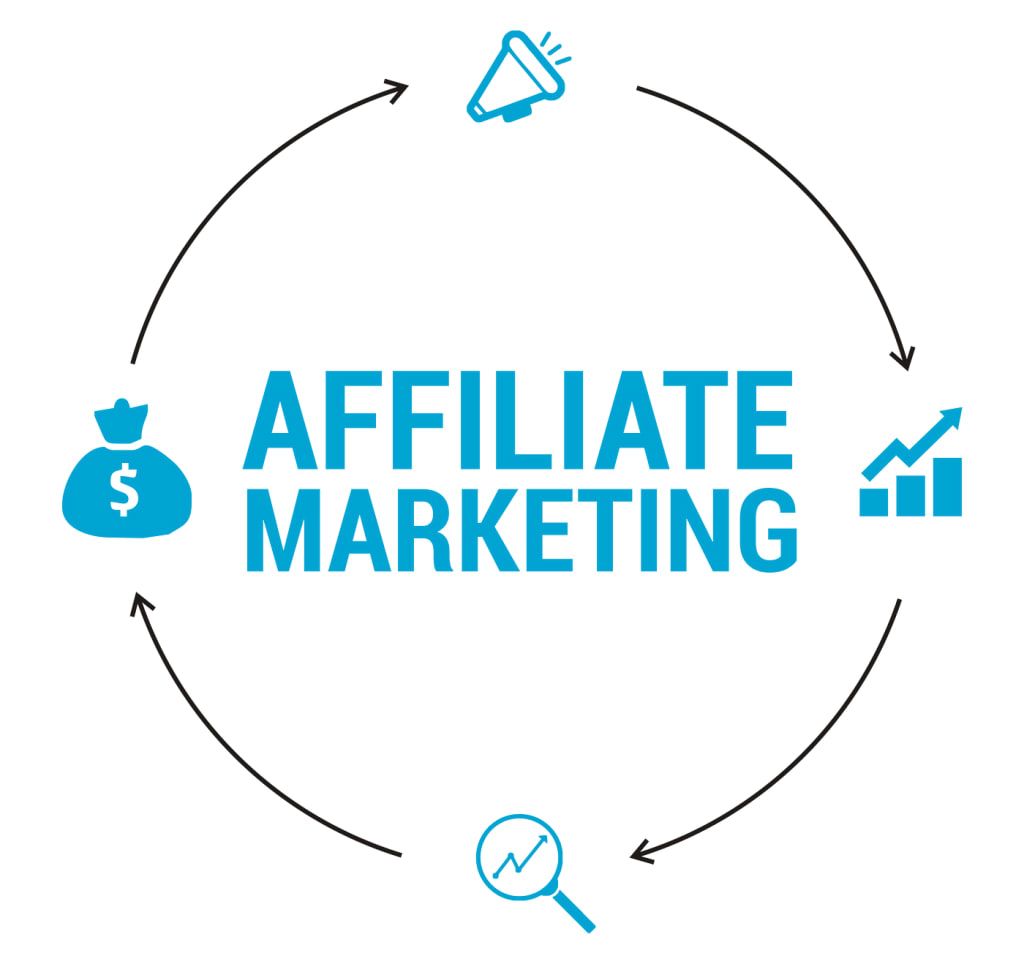
Affiliate marketing allows you to earn commissions by recommending products or services online. You share special links, and when someone makes a purchase through your link, you receive a percentage of the sale, usually between 5% and 30%. Bloggers, YouTubers, and social media creators often use this method.
You can join affiliate programs such as Amazon Associates, ShareASale, or software company partnerships. After placing affiliate links in your articles, videos, or posts, sales generate income automatically. There is no need to create your own products or hold inventory, which makes it a low-risk and low-cost business model.
To begin, choose a niche you understand, join affiliate networks, and write helpful content that naturally includes your links. Once your content ranks in search engines or gains steady traffic, you can continue earning commissions passively.
16. Online Course Creation
If you have strong knowledge or skills in a particular area, creating an online course can be a great source of passive income. You record video lessons, create guides or worksheets, and upload the course to a platform like Udemy or Teachable.
These sites handle payments and student access for you. After you set up the course, it can continue selling for years with little maintenance. On average, instructors on Teachable earn a few thousand dollars per course, while top creators earn much more.
To start, identify a skill people want to learn, organize your lessons, record high-quality videos, and upload your course. Once it is live, promote it through email or social media to bring in students. Over time, each new enrollment provides income with no extra work beyond your original effort.
17. Self-Published EBooks
Writing and self-publishing an eBook allows you to earn royalties from your writing for years. Platforms like Amazon Kindle Direct Publishing make it easy to upload your book and start selling worldwide.
You can write about topics you know well, either fiction or nonfiction, and you set your own price. Amazon handles sales and delivery, paying you royalties that are often around 70% of the book price. The main work is upfront: writing, editing, and formatting your book.
After publishing, you can promote it through your website or social media. A good eBook can continue to sell long after its release, generating passive income with each purchase. Some authors increase their earnings by writing several books in the same niche, so one book helps promote another.
18. Digital Templates And Printables
Selling digital templates or printables is a simple and scalable way to earn online. If you can design useful digital products such as planners, budget trackers, or worksheets, you can sell them on platforms like Etsy or your own website.
Once a customer buys a file, they can download it instantly, and you earn money without needing to ship anything. You can sell the same file an unlimited number of times, which makes each product highly profitable after the initial design work. For example, some sellers have earned over $200,000 in a few years by offering downloadable templates.
To start, identify a need people have, design a helpful template, list it with clear images and descriptions, and set a fair price. You only need to update your designs occasionally or add new ones to keep sales growing.
19. Stock Photography And Video
If you enjoy photography or videography, you can earn passive income by uploading your work to stock platforms such as Shutterstock, Adobe Stock, or Pond5. Businesses and creators buy licenses to use your photos and videos, and you receive a payment each time one is downloaded.
The main effort comes from shooting high-quality content, editing it, and uploading large batches. Popular subjects include business scenes, lifestyle images, travel photos, and natural landscapes. Each individual sale may be small, but a large collection of images can provide consistent income as more people download your work.
The more variety and quality you produce, the higher your potential earnings. Over time, a large portfolio can create a steady stream of income from photos and videos you took long ago.

20. Print-on-Demand Merchandise
Print-on-demand allows you to sell custom-designed products without managing inventory. You create digital designs for items like T-shirts, mugs, or phone cases, then connect with a print-on-demand service such as Printful, TeeSpring, or Merch by Amazon.
When someone places an order, the company prints and ships the product directly to the customer, and you earn the profit from the sale. This model eliminates the need to buy stock upfront. To begin, pick a niche audience, create original designs using design tools, and upload them to your store.
Marketing through social media or search engines helps attract buyers. Successful sellers can earn from a few hundred to several thousand dollars per month, depending on the popularity of their designs. Once your products are live, they can keep selling automatically, generating income for you over time.
21. Digital Art And Designs
Artists can create a steady stream of income by selling digital art and graphic designs online. You can make original illustrations, logos, or patterns and list them on websites such as Creative Market, Etsy, or Behance.
Each digital file can be sold to many customers, allowing you to earn repeatedly from a single piece of work. Some artists also sell digital art as NFTs, which can include royalty payments when their work is resold. Even though NFTs are less predictable, traditional digital art sales and licensing are well-established ways to make money. The main effort is in creating high-quality artwork and uploading it to online marketplaces.
After that, the designs can keep selling automatically. Successful artists on these platforms have reported earning six-figure incomes per year. To increase your chances of success, focus on making attractive, useful designs, writing clear descriptions, and updating your portfolio with new collections from time to time.
22. Rental Properties (Long-Term)
Owning rental real estate is one of the most proven ways to build wealth and earn passive income. You purchase a property, such as a house or apartment, and rent it out to tenants who pay you each month. This rental income becomes a steady cash flow, while the property itself can grow in value over time.
In the United States, landlords have reported average annual earnings around $87,000 in recent years. To keep the process passive, many property owners hire a property management company to handle rent collection, maintenance, and tenant communication.
Getting started usually involves saving for a down payment, applying for a mortgage, and finding suitable tenants. The returns come in two forms: monthly rent and the long-term increase in property value, also known as equity. While it requires significant investment and patience, it remains one of the most reliable long-term income sources.
23. House Hacking (Renting Part Of Your Home)
House hacking is a beginner-friendly way to get into real estate while lowering your living expenses. The idea is to buy a multi-unit property, such as a duplex or triplex, live in one unit, and rent out the others.
You can also rent out spare rooms in your house. The rent from tenants can help cover your mortgage or even provide extra cash each month. Managing tenants requires some effort, but overall, it is a mostly passive form of income. For example, renting one extra bedroom could offset much of your housing cost.
To start, look for a property that fits your budget, move into one section, and list the remaining space for rent on platforms such as Zillow, Craigslist, or Airbnb. Always follow local rental laws and create clear agreements with tenants or roommates. This approach lets you earn money from your home while building property equity at the same time.
24. Short-Term Vacation Rentals (Airbnb)
Short-term rentals through websites like Airbnb or VRBO can be a profitable way to earn from your home or an extra property. You can rent out an entire place or just one room. Although it requires preparation such as cleaning, decorating, and setting up amenities, short-term guests usually pay higher nightly rates than long-term tenants.
Becoming independent on Airbnb without owning a propertyis also possible through methods like rental arbitrage or managing listings for other homeowners. This lets you generate income by hosting or coordinating stays, even if you do not have real estate of your own.
In the United States, hosts earn an average of about $14,000 per year. To begin, take good photos, create a detailed listing, and set fair prices based on other rentals in your area. Keeping high guest ratings helps attract more bookings.
Managing an Airbnb does require some communication and occasional cleaning or maintenance, but it can easily fit around a regular schedule. It is especially convenient for people who travel often and want to rent their homes while they are away.

25. Renting Unused Space (Garages Or Storage)
If you have unused space at home, such as a garage, attic, or shed, you can rent it out for extra income. Websites like Neighbor or StoreAtMyHouse make it easy for people to list available spaces where others can store their belongings, such as furniture, bikes, or seasonal items.
You simply list the space, set your price, and start collecting payments. The platform usually handles contracts and payments, so the process is very hands-off. You may need to make sure the space is clean and secure, but there is little ongoing work.
Renting out storage space can bring in a few hundred dollars per month, depending on location and size. The storage rental market continues to grow each year, making this a simple and nearly passive way to earn money from space you already own.
26. Car Rentals (Peer-to-Peer)
If your car sits unused for long periods, you can rent it to others through car-sharing platforms like Turo. These apps connect you with verified renters, handle payments, and provide insurance coverage.
The setup is easy: clean your car, take clear photos, write a description, and set a daily rental price based on similar cars in your area. Depending on demand and your vehicle type, you can earn several hundred dollars per month.
You meet renters only for pickup and drop-off, while the app manages most other tasks. This makes it a semi-passive source of income. It is a practical option for people who have a reliable car but do not drive it every day.
27. Vehicle Advertising (Car Wraps)
You can earn money just by driving your regular routes with advertisements on your car. Companies such as Wrapify or Carvertise pay drivers to display removable ads on their vehicles.
After applying and being approved, the company matches you with campaigns that fit your driving patterns and location. You get paid based on how much you drive in areas with good visibility. For example, Wrapify reports that active drivers can earn up to around $450 per month in high-traffic areas.
Once the advertisement is applied, you simply drive as usual while the company tracks your mileage. The process requires almost no additional work, though you should always choose reputable companies and review their contracts carefully before participating.
28. Parking Space Rental
If you own a driveway, garage, or private parking spot in a busy area, you can rent it to drivers who need convenient parking. Many commuters and city residents are willing to pay monthly or hourly fees for a guaranteed space. You can advertise locally or use parking apps such as Spacer or JustPark to automate bookings and payments.
Once your space is listed and rented out, there is almost no maintenance required. In crowded cities, parking spots can earn between $100 and $300 per month, depending on location. It is a simple and low-effort way to earn consistent income from unused property.
29. Vending Machines
Owning vending machines can provide a reliable source of passive income if placed in busy locations. You can buy or lease machines that sell snacks, drinks, or small items and set them up in areas such as offices, schools, gyms, or shopping centers.
Once installed, the machines automatically sell products and collect payments. You or a hired service restock the items periodically and collect the earnings. Although the initial cost of buying and placing machines can be high, each machine can generate steady weekly income.
For instance, one report found that a single vending machine can earn about $43 in profit per week. After the setup, the business mainly requires restocking and maintenance visits, making it mostly passive once established.

30. Self-Service Car Wash
A self-service or coin-operated car wash combines an initial investment with ongoing passive income potential. You buy or lease land, install automated washing equipment, and advertise your location.
Customers clean their own cars using your equipment and pay based on time or service used. After setup, your main responsibilities are equipment maintenance and site cleaning, which can often be outsourced. Unlike a staffed car wash, this model does not require you to be present for daily operations.
Research suggests that even small self-service car washes can earn consistent monthly profits once established. Although the startup costs are higher than most passive income ideas, it can become a long-lasting and mostly hands-off business once operational.
31. Subscription Box Services
A subscription box business delivers themed boxes of products, such as snacks, art supplies, books, or pet toys, to customers each month. Subscribers pay a recurring fee, which provides steady income once the service is established. You choose a niche, work with suppliers, and assemble boxes.
Many entrepreneurs use fulfillment centers to handle packing and shipping, making operations easier to manage. Popular categories like beauty, fitness, and gaming show that customers are happy to pay for curated surprises.
To begin, select a theme, find wholesale suppliers, and create a website using a platform such as Shopify. With time, consistent renewals from subscribers can bring in regular passive income after the initial setup and marketing effort.
32. Creating An Online Marketplace
A niche online marketplace can generate income through listing fees or commissions on sales. It works like a smaller version of eBay or Etsy. Vendors post products or services, and you collect a small fee each time an item sells.
For example, you might create a specialized job board where companies pay to post openings, or a handmade goods marketplace where sellers pay for listings. Once the site is running and sellers are active, your earnings grow automatically through their transactions.
Website builders such as WordPress make it easy to create a marketplace using prebuilt themes and plugins. Your main responsibilities are maintaining the site and attracting buyers and sellers.
33. Domain Flipping
Domain flipping is similar to property investment, but for website names. You buy web domains that could become valuable, such as short names, trending topics, or brandable words, and then sell them later for a profit.
Marketplaces like Sedo and GoDaddy Auctions connect buyers and sellers. Most of the work happens in the beginning when you research and purchase domains. After that, you simply renew them each year and wait for the right buyer.
Profits can be large if a business wants a specific name. Successful domain investors follow market trends and industry news to spot future demand. Once purchased, the domains require very little maintenance.
34. Royalties From Creations Or Inventions
If you create something original, such as an invention, book, song, or software, you can license it to others and earn royalties each time it is sold or used. For example, an inventor can license a design to a manufacturer and receive a payment for each product sold.
Authors and musicians receive royalties when their work is purchased or streamed, often between seven and twelve percent of the sale price for books and up to twenty-five percent for music. After your creation is complete and the license is in place, the income continues on its own. Legal protection through patents or copyrights helps ensure that your rights are secure. The effort happens early, but the returns can last for years.
35. Dropshipping E-Commerce Stores
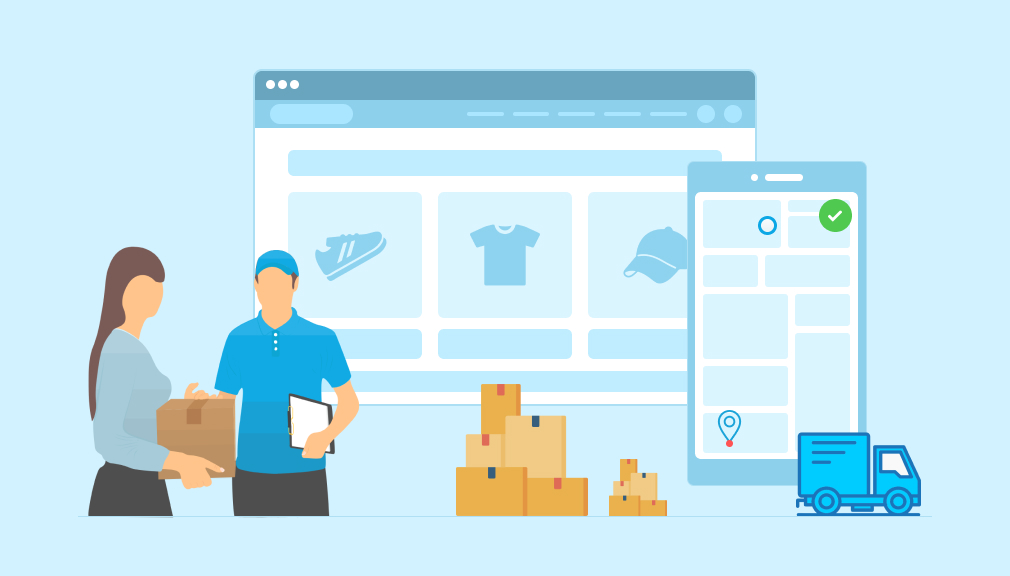
Dropshipping allows you to run an online store without holding inventory. You list products from suppliers on your website, and when a customer places an order, the supplier ships the product directly to them.
You keep the difference between the retail and wholesale prices. Platforms such as Shopify and WooCommerce make it easy to set up a store. While you still handle marketing and customer service, you avoid shipping and storage costs. According to ZipRecruiter, the average dropshipper earns around $41,000 per year.
Success depends on choosing the right niche, finding trustworthy suppliers, and advertising effectively. Once your system is automated, it can operate with very little daily work.
36. Retail Arbitrage (Flipping Products)
Retail arbitrage means buying discounted or clearance products and reselling them for profit, usually online. For example, you could purchase sale items at a retail store and resell them on Amazon or eBay.
Apps such as Amazon Seller let you scan product barcodes to compare prices and estimate profit margins before buying. After listing the items online, orders and payments are processed automatically.
The main effort is sourcing new inventory and restocking when necessary. It requires some initial investment and research but can scale easily over time. Many people start small, reinvest their profits, and eventually turn it into steady income.
37. Buying Existing Websites Or Blogs
You can buy a website or blog that already earns money from ads, affiliate links, or digital products instead of starting from zero. Marketplaces such as Flippa and BizBuySell allow you to review analytics, income reports, and traffic data before purchasing.
Most websites are sold for two to three times their annual profit, allowing buyers to recover their investment in a few years. After the purchase, most of the work is already done.
You may only need to update content occasionally and monitor performance. The existing audience and monetization systems continue to produce passive income with minimal effort.
38. Buying A Local Small Business
Purchasing a local business, such as a laundromat, car wash, or café, can provide long-term passive income. When you buy an established business, you take over existing operations and revenue streams. You can hire managers to handle daily tasks and collect profits as an owner.
Investors often earn between ten and thirty percent of a business’s profits, depending on the agreement. It requires capital and legal support, including a full review of financial statements before purchase. Once the business is operating smoothly, your role becomes more passive, focusing mainly on oversight and profit collection.
39. Franchise Or Self-Service Business Ownership
Franchises and self-service models provide proven systems for generating income with limited effort. Franchises such as small food kiosks or service shops come with brand support and established procedures, while self-service options such as laundromats, vending routes, or automated parking lots require little supervision.
These ventures need initial investment and periodic maintenance, but customers drive most of the activity. The key is choosing the right location and a business type that matches your level of involvement. Once operations are stable, these models produce consistent income with minimal ongoing labor.

40. Mobile Apps
Developing a mobile app or game can create a strong source of passive income. If you can code, or can hire a developer, you can design an app that solves a problem, entertains users, or provides a useful service. Revenue comes from app sales, advertisements, or in-app purchases.
You can also use app builders such as AppyPie or Bubble if you prefer not to code. The main work happens during design, development, and testing. After launch, users continue to download and use the app, generating ongoing income. Updates may be needed occasionally, but most of the revenue continues automatically as the user base grows.
41. Audiobook Narration
If you have a clear speaking voice, you can record audiobooks and earn royalties from each sale. Platforms such as Audible’s ACX connect narrators with authors and publishers. You record a book once, and every sale generates income indefinitely.
Narrators typically earn between ten and five hundred dollars per finished hour of audio, depending on the agreement. The initial work involves recording and editing in a quiet space using a good-quality microphone. Over time, as you build a portfolio of completed titles, each one continues to generate passive income without additional effort.
42. Private Label Digital Products (MRR Or PLR)
With Master Resell Rights or Private Label Rights, you can buy digital products such as eBooks, online courses, or templates, rebrand them as your own, and sell them for profit. Every sale you make is yours to keep. This approach removes the need to create content from scratch.
The key is to choose high-quality, reputable products that provide real value. Once you have set up a website and sales funnel, the products can continue selling through ads, social media, or automated email campaigns. It is an efficient way for beginners to start selling digital products with very little content creation.
43. Selling Stock Music And Soundtracks
Musicians and audio producers can sell their music or sound effects on stock libraries such as AudioJungle, Pond5, or Epidemic Sound. Each time someone licenses a track, you earn a commission. The work is creating and uploading the music once. After that, tracks remain available for purchase indefinitely.
As you expand your catalog, each piece contributes to steady income. Video creators, game developers, and advertisers are always looking for royalty-free audio, which means ongoing demand. This approach works well for anyone who enjoys composing and wants to turn their creative work into a lasting revenue stream.
44. Paid Memberships And Newsletters
Launching a paid membership or subscription-based newsletter allows you to earn recurring income from your knowledge or creative work. You can write about topics such as investing, fitness, or lifestyle and charge subscribers a monthly fee for access to premium content.
Platforms like Substack, Patreon, or Memberful make setup simple. Once members sign up, payments renew automatically. You can choose how often to publish and what benefits to offer, such as private communities or extra materials. Over time, as your subscriber base grows, this model creates predictable monthly income from your audience.
45. ATM Ownership
Owning ATMs can be a reliable source of passive income through transaction fees. You purchase or lease ATMs and place them in high-traffic areas such as malls, gas stations, or convenience stores. Each time someone withdraws cash, you earn a small fee, often between two and five dollars.
To start, secure good locations and negotiate with property owners, sometimes sharing a portion of the earnings. Third-party services can handle maintenance and refilling cash. Once installed, the machines operate continuously and generate income with very little personal involvement.
Frequently Asked Questions
How Do I Choose The Best Passive Income Idea For Me?
The right approach depends on your skills, available capital, and time. If you have savings but limited free time, consider investment options such as dividend stocks, index funds, or high-yield savings accounts.
Are Passive Incomes Taxable?
Passive income is taxable. The IRS generally treats rental profits, dividends, royalties, and certain business earnings as taxable income.
How Long Does It Take To Start Earning?
The timeline depends on the type of passive income you pursue. Some options, such as high-yield savings accounts or cashback programs, begin generating returns almost immediately.
Can I Really Earn Money In My Sleep?
It is possible to earn money while you sleep, provided you have built an income source that continues to operate on its own. This might come from a rental property managed by others, a monetized YouTube channel, or a digital product that keeps selling automatically.
Conclusion
Building passive income begins with one small but decisive step, which is choosing a single idea and acting on it. Before committing, research each opportunity carefully, understand the potential risks, and consider seeking advice from a qualified financial professional.
The journey to earning while you sleep is gradual, not instant. Over time, consistent action allows your small income streams to grow into significant earnings. This approach not only supplements your active income but also strengthens your financial foundation and builds lasting wealth.
Jump to
Earn More, Work Less - Build Passive Income
1. High-Yield Savings Accounts
2. Certificates Of Deposit (CDs)
3. Dividend-Paying Stocks
4. Bonds (Including Bond Ladders)
5. Index Funds And ETFs
6. Peer-to-Peer Lending
7. Real Estate Investment Trusts (REITs)
8. Real Estate Crowdfunding
9. Crypto Staking And Lending
10. Cash-Back And Reward Programs
11. Blogging
12. YouTube Channel
13. Podcasting
14. Social Media Influencer
15. Affiliate Marketing
16. Online Course Creation
17. Self-Published EBooks
18. Digital Templates And Printables
19. Stock Photography And Video
20. Print-on-Demand Merchandise
21. Digital Art And Designs
22. Rental Properties (Long-Term)
23. House Hacking (Renting Part Of Your Home)
24. Short-Term Vacation Rentals (Airbnb)
25. Renting Unused Space (Garages Or Storage)
26. Car Rentals (Peer-to-Peer)
27. Vehicle Advertising (Car Wraps)
28. Parking Space Rental
29. Vending Machines
30. Self-Service Car Wash
31. Subscription Box Services
32. Creating An Online Marketplace
33. Domain Flipping
34. Royalties From Creations Or Inventions
35. Dropshipping E-Commerce Stores
36. Retail Arbitrage (Flipping Products)
37. Buying Existing Websites Or Blogs
38. Buying A Local Small Business
39. Franchise Or Self-Service Business Ownership
40. Mobile Apps
41. Audiobook Narration
42. Private Label Digital Products (MRR Or PLR)
43. Selling Stock Music And Soundtracks
44. Paid Memberships And Newsletters
45. ATM Ownership
Frequently Asked Questions
Conclusion

Dexter Cooke
Author
Dexter Cooke is an economist, marketing strategist, and orthopedic surgeon with over 20 years of experience crafting compelling narratives that resonate worldwide.
He holds a Journalism degree from Columbia University, an Economics background from Yale University, and a medical degree with a postdoctoral fellowship in orthopedic medicine from the Medical University of South Carolina.
Dexter’s insights into media, economics, and marketing shine through his prolific contributions to respected publications and advisory roles for influential organizations.
As an orthopedic surgeon specializing in minimally invasive knee replacement surgery and laparoscopic procedures, Dexter prioritizes patient care above all.
Outside his professional pursuits, Dexter enjoys collecting vintage watches, studying ancient civilizations, learning about astronomy, and participating in charity runs.

Habiba Ashton
Reviewer
Habiba Ashton, an esteemed professional in Digital Marketing and Business, brings over 10 years of experience to the table. She holds a Master's degree in Marketing Management from Stanford University and is a certified Digital Marketing strategist.
Habiba has authored numerous articles on SEO, Social Media Marketing, and Branding, published across reputable platforms.
Her impactful projects have consistently driven growth and visibility for businesses, earning her accolades from clients and industry peers alike. One notable achievement includes leading a digital marketing campaign that resulted in a 30% increase in online sales for a major retail client.
Looking ahead, Habiba is committed to pioneering ethical digital marketing practices that prioritize customer trust and engagement. Her vision is to lead initiatives that foster a transparent and sustainable digital ecosystem for businesses and consumers alike.
In her free time, she enjoys cycling, stargazing, and staying updated on digital entertainment trends.
Latest Articles
Popular Articles