Prime Minister Narendra Modi Inaugurates New Parliament Building Amid Protests And Boycotts
Indian Prime Minister Narendra Modi inaugurates new parliament building, but the event was marred by protests and boycotts from opposition parties.
Author:Elisa MuellerReviewer:Camilo WoodMay 29, 202348.1K Shares1.2M Views
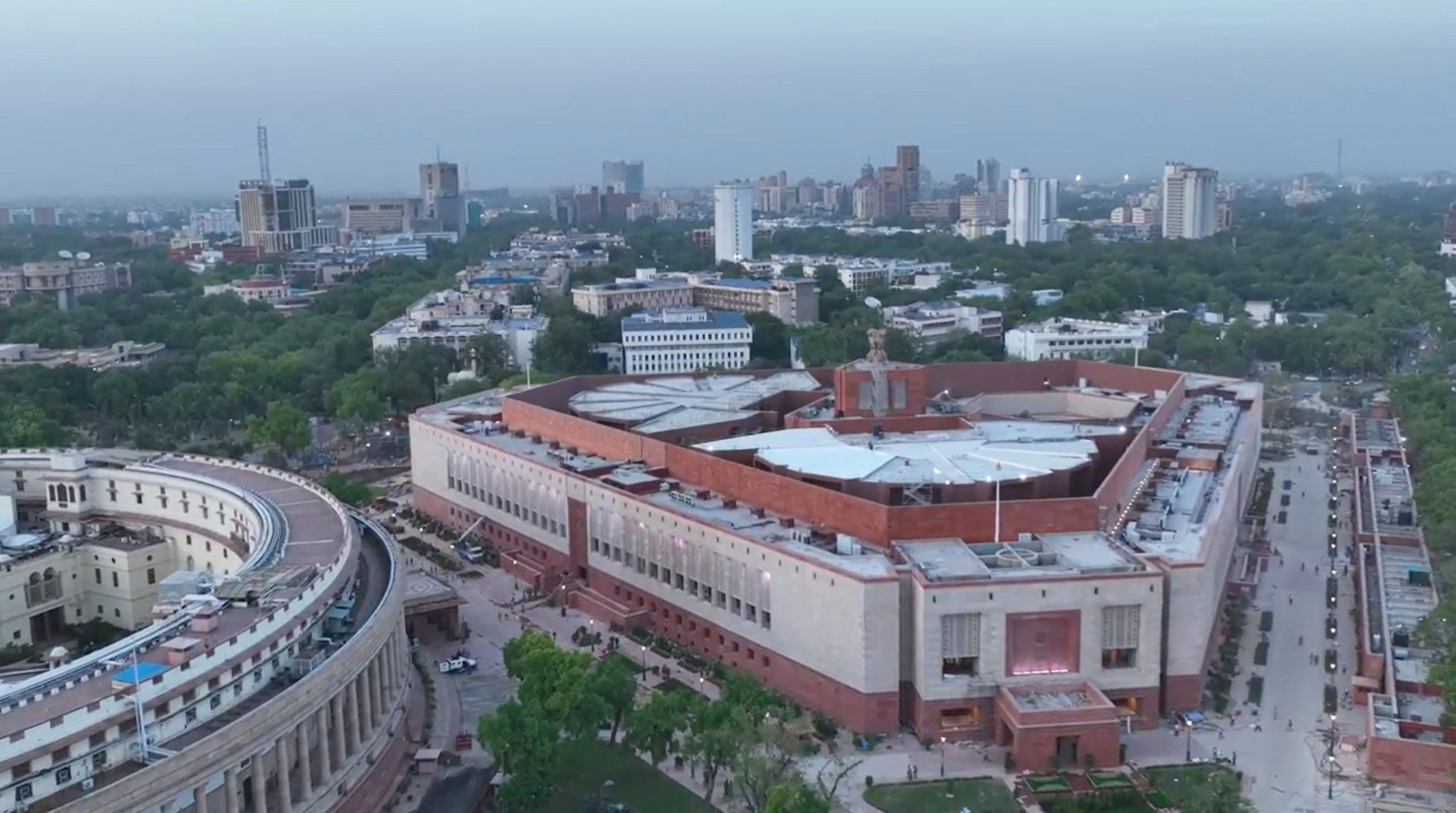
Indian Prime Minister Narendra Modi inaugurates new parliament building, but the event was marred by protests and boycotts from opposition parties.
The absence of most opposition parties stemmed from their desire for the president, rather than Modi, to open the building. Additionally, several prominent wrestlers were detained during the ceremony while attempting to protest at the new parliament.
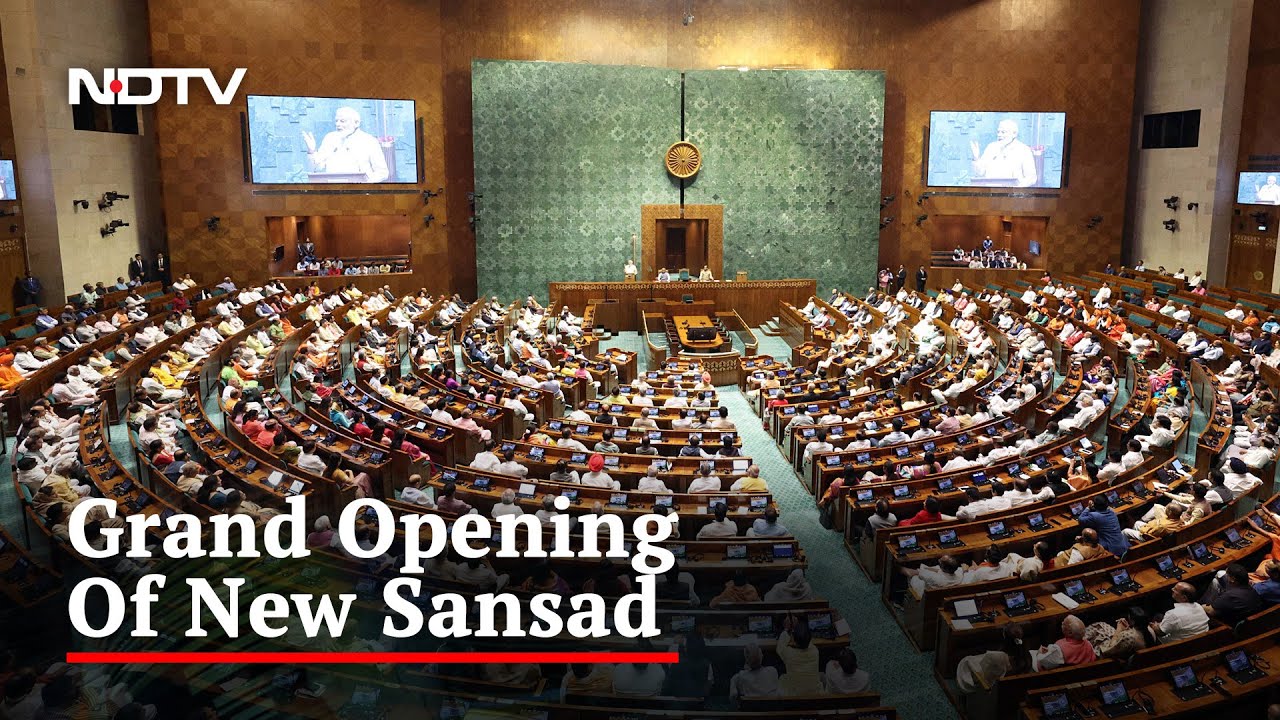
PM Modi Inaugurates New Parliament, Installs 'Sengol' Amid Opposition Boycott
A Symbolic Shift From The British-Era Parliament
The new parliament building serves as a replacement for the British-era structure. The formal inauguration ceremonies commenced in the early morning hours, with Modi unveiling a plaque dedicating the building to the nation.
In his address to lawmakers, Modi emphasized that the building represented the aspirations and dreams of 1.4 billion Indians and symbolized the nation's determination to the world.
“„This is not just a building. It is a reflection of the aspirations and dreams of 1.4 billion Indians. This is the temple of our democracy and it's giving the message of India's determination to the world.- Prime Minister Narendra Modi
Opposition Boycott And Controversies
Rahul Gandhi, leader of the main opposition Congress party, criticized Modi, likening the event to a coronation ceremony. Prior to the inauguration, 19 parties, including Congress, collectively decided to boycott the ceremony.
They expressed their discontent with the government's decision not to involve President Droupadi Murmu, the head of state, in the opening and objected to holding the event on the birth anniversary of Hindu nationalist figure VD Savarkar.
The opposition considers Savarkar divisive, while the ruling Bharatiya Janata Party (BJP) regards him as a hero. The BJP labeled the opposition's boycott as disrespectful to democracy.
Installation Of The "Holy Sengol" And Skepticism
During the ceremony, Modi installed a gold sceptre known as the sengol, which the government claimed to be historically significant. The presence of the sengol was intended to inspire lawmakers.
According to the government, the gold sceptre was gifted to India's first prime minister, Jawaharlal Nehru, by priests from a prominent Hindu sect. The sceptre symbolizes the transfer of power from the British to India on August 14, 1947.
However, opposition parties dismissed the government's assertions about the sceptre's importance as exaggerated.
Central Vista Project And Controversial Reception
The new parliament building forms part of the Central Vista project, an ambitious endeavor to develop the Delhi complex and replace colonial-era government structures.
The four-storey building, with an estimated cost of 9.7 billion rupees ($117.1 million), boasts a capacity to accommodate 1,272 Members of Parliament.
The Lok Sabha chamber, representing the lower house, is designed in the likeness of India's national bird, the peacock, while the Rajya Sabha chamber, housing the upper house, resembles India's national flower, the lotus.
The existing parliament building will be converted into a museum. However, the government faced criticism from opposition politicians, environmentalists, and civil society groups who denounced the project's cost, its execution during the pandemic, and the alleged lack of consultation with lawmakers and the public.
Fractious Political Environment And The Way Forward
The political controversy surrounding the new parliament building reflects a fractured landscape where India's ruling party and the opposition struggle to find common ground on most issues.
Commentators argue that both sides need to find a resolution and move beyond their entrenched positions, as history will judge them if they fail to do so.
Final Words
The inauguration of India's new parliament building by Prime Minister Narendra Modi was marked by protests, boycotts, and controversies. Opposition parties boycotted the event, preferring the president to open the building instead.
The installation of a gold sceptre and the symbolism associated with the new structure added fuel to the political discord. The Central Vista project, of which the new parliament building is a part, faced criticism for its cost and lack of consultation.
The ongoing political row reflects a challenging environment where the ruling party and opposition struggle to find common ground. The need for dialogue and consensus-building becomes crucial for the nation's progress and unity.

Elisa Mueller
Author
Elisa Mueller, a Kansas City native, grew up surrounded by the wonders of books and movies, inspired by her parents' passion for education and film.
She earned bachelor's degrees in English and Journalism from the University of Kansas before moving to New York City, where she spent a decade at Entertainment Weekly, visiting film sets worldwide.
With over 8 years in the entertainment industry, Elisa is a seasoned journalist and media analyst, holding a degree in Journalism from NYU. Her insightful critiques have been featured in prestigious publications, cementing her reputation for accuracy and depth.
Outside of work, she enjoys attending film festivals, painting, writing fiction, and studying numerology.
Camilo Wood
Reviewer
Camilo Wood has over two decades of experience as a writer and journalist, specializing in finance and economics. With a degree in Economics and a background in financial research and analysis, Camilo brings a wealth of knowledge and expertise to his writing.
Throughout his career, Camilo has contributed to numerous publications, covering a wide range of topics such as global economic trends, investment strategies, and market analysis. His articles are recognized for their insightful analysis and clear explanations, making complex financial concepts accessible to readers.
Camilo's experience includes working in roles related to financial reporting, analysis, and commentary, allowing him to provide readers with accurate and trustworthy information. His dedication to journalistic integrity and commitment to delivering high-quality content make him a trusted voice in the fields of finance and journalism.
Latest Articles
Popular Articles