Private Vs. Open Wholesale Marketplaces: Which Is Better For Fashion Retailers?
If you've spent any time researching wholesale sourcing options for your boutique or retail store, you've likely come across two very different types of platforms: open marketplaces that anyone can join, and private platforms that require verification before granting access.
Author:Emily SanchezReviewer:Elisa MuellerMar 04, 202631 Shares10.3K Views
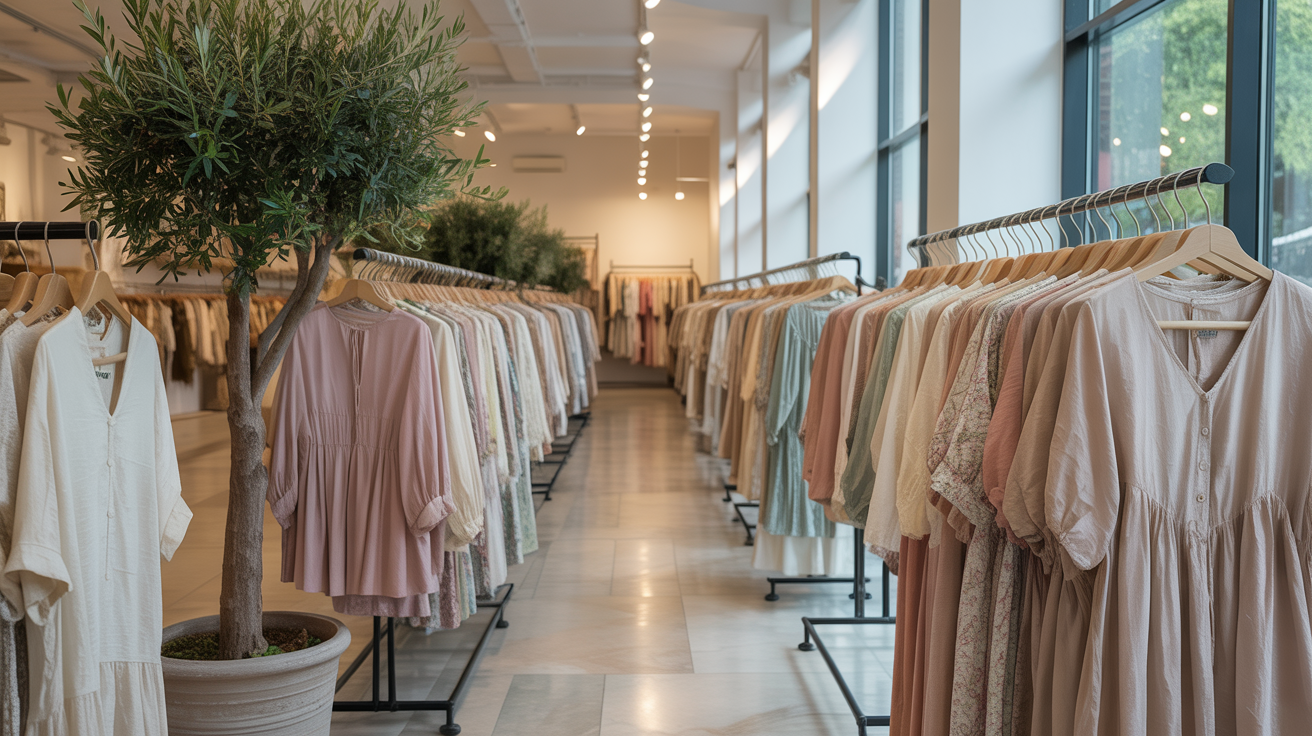
In 2026, both models are thriving — but they serve very different types of businesses. Understanding the distinction can save you significant time, money, and sourcing headaches.
What Is An Open Wholesale Marketplace?
An open wholesale marketplace is a platform where buyers and sellers can register and transact with relatively few barriers to entry. Think of platforms like Alibaba, Faire's open buyer tier, or general B2B directories where suppliers list their inventory publicly.
Advantages of open marketplaces:
- Easy to access — minimal vetting required
- Wide variety of products and price points
- Good for discovering new suppliers or categories
- Often free to browse
Disadvantages:
- Quality inconsistency — less vetting means more risk
- High competition among buyers for the same stock
- Little to no confidentiality — competitors see the same offers
- Branded, authentic goods are harder to source reliably
- Fraud and grey-market product risk is meaningfully higher
What Is A Private Wholesale Platform?
A private wholesale platform restricts access to verified businesses. Before you can browse inventory — let alone place an order — you go through an onboarding and verification process.
Advantages of private platforms:
- Higher average quality of inventory (suppliers are vetted)
- Authentic branded goods from official sources
- Confidentiality between buyers and suppliers
- Less noise — you're browsing alongside serious buyers, not casual shoppers
Disadvantages:
- Application process adds initial friction
- Not suitable for casual or very occasional sourcing
The Confidentiality Factor — Why It Matters More Than Most Retailers Realize
On an open marketplace, if your local competitor is also sourcing from the same supplier, they can often see what stock is available — and potentially even what you're buying. In a competitive retail environment, your sourcing strategy is an asset. Letting it become visible is a real business risk.
Private platforms like Unfrosen— a verified B2B wholesale fashion platform operating across 12+ European countries — are built specifically around this principle. Buyers and suppliers on Unfrosen never see each other's identities. A brand selling off excess stock doesn't know which retail stores are buying it. A boutique in Athens doesn't know which Bucharest competitor is sourcing from the same platform. The confidentiality is structural, not just a policy.
A Direct Comparison: Open Vs. Private For Fashion Retail Sourcing
Access speed
- Open marketplace: Immediate
- Private platform: Days to weeks (verification)
Supplier vetting
- Open marketplace: Minimal
- Private platform: Rigorous
Brand authenticity
- Open marketplace: Variable
- Private platform: Guaranteed (on reputable platforms)
Buyer confidentiality
- Open marketplace: None
- Private platform: Full (e.g., platforms like Unfrosen)
Price competitiveness
- Open marketplace: Moderate
- Private platform: High (off-price / overstock)
MOQ requirements
- Open marketplace: Often high
- Private platform: Often low
Overall fraud risk
- Open marketplace: Higher
- Private platform: Lower
Which Model Is Right For You?
Choose An Open Marketplace If:
- You're sourcing generic or unbranded fashion goods
- You need a very wide product range across many categories
- You're developing a private label and need manufacturing partners
Choose A Private Platform If:
- Your boutique is built around recognizable fashion brands
- Margin protection is a priority — you need off-price stock, not just cheap stock
- You care about not exposing your sourcing strategy to competitors
- You want a stable, trustworthy supplier network, not a lottery
The Rise Of Verified Private Platforms In European Fashion Wholesale
The growth of private wholesale platforms in Europe is not accidental. It reflects a structural shift in how brands want to manage their excess inventory — quietly, selectively, and without devaluing their own retail pricing by flooding open markets.
Brands that over-produce or face cancelled orders have historically had limited options: clearance sales, outlet channels, or local distributors. All of these options risk brand equity damage. Private platforms solve this.
That's why platforms like Unfrosen — which serves over 3,800 verified retail buyers and lists stock from 150+ premium and sportswear brands — have grown so quickly since their launch in 2022. The value proposition works for both sides of the marketplace simultaneously.
How To Get Started With A Private Wholesale Platform
- Prepare your business documentation — trade registry number, VAT ID
- Apply online — typically 10–15 minutes
- Wait for verification — usually 1–5 business days
- Browse live inventory — pricing, quantities, delivery terms, all visible upfront
- Place a test order — start small, evaluate, then scale
Final Verdict
Open marketplaces are useful tools. But for fashion boutiques and multi-brand retailers who care about authenticity, margins, and staying ahead of local competitors, private wholesale platforms offer a meaningfully better sourcing environment in 2026.
The barrier to entry — a verification process — is also what makes the platform worth being on. When access is earned, the quality of what's inside goes up for everyone.
Jump to
What Is An Open Wholesale Marketplace?
What Is A Private Wholesale Platform?
The Confidentiality Factor — Why It Matters More Than Most Retailers Realize
A Direct Comparison: Open Vs. Private For Fashion Retail Sourcing
Which Model Is Right For You?
The Rise Of Verified Private Platforms In European Fashion Wholesale
How To Get Started With A Private Wholesale Platform
Final Verdict

Emily Sanchez
Author
Emily Sanchez, a Fashion Journalist who graduated from New York University, brings over a decade of experience to her writing. Her articles delve into fashion trends, celebrity culture, and the fascinating world of numerology.
Emily's unique perspective and deep industry knowledge make her a trusted voice in fashion journalism.
Outside of her work, she enjoys photography, attending live music events, and practicing yoga for relaxation.

Elisa Mueller
Reviewer
Elisa Mueller, a Kansas City native, grew up surrounded by the wonders of books and movies, inspired by her parents' passion for education and film.
She earned bachelor's degrees in English and Journalism from the University of Kansas before moving to New York City, where she spent a decade at Entertainment Weekly, visiting film sets worldwide.
With over 8 years in the entertainment industry, Elisa is a seasoned journalist and media analyst, holding a degree in Journalism from NYU. Her insightful critiques have been featured in prestigious publications, cementing her reputation for accuracy and depth.
Outside of work, she enjoys attending film festivals, painting, writing fiction, and studying numerology.
Latest Articles
Popular Articles