Ray-Ban Meta Smart Glasses - Fashion Meets Functionality
Discover the pinnacle of wearable technology with ray-ban meta smart glasses. Seamlessly blending style and innovation, these cutting-edge spectacles redefine the way you experience the world. With advanced features like augmented reality integration and intuitive controls, Ray-Ban Meta Smart Glasses offer a futuristic glimpse into the possibilities of eyewear.
Author:Gordon DickersonReviewer:Darren McphersonMar 04, 202411.2K Shares238.9K Views
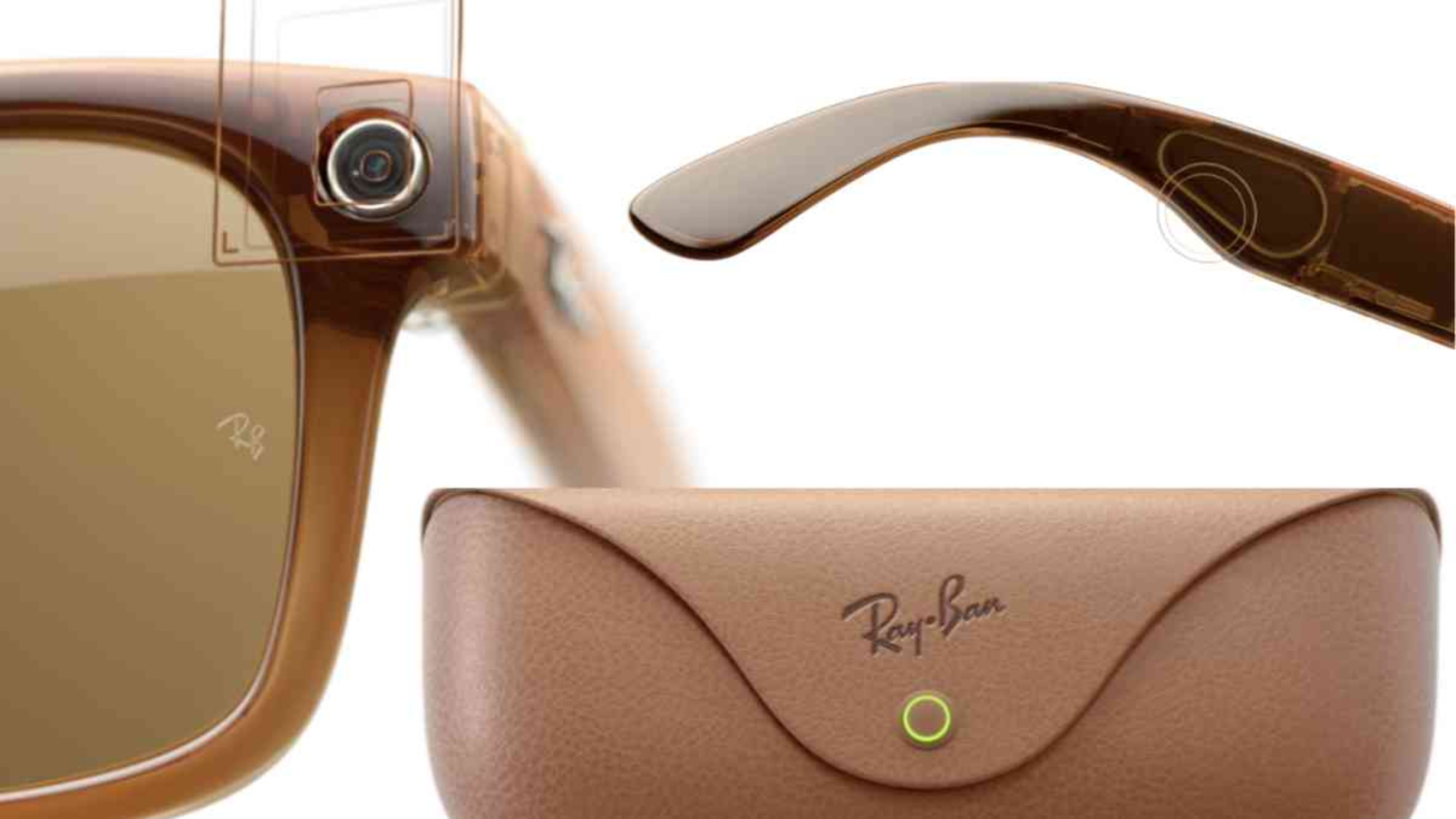
Regardless of the configuration you choose, the Ray-Ban Meta Smart Glassesare all about the technology packed inside the frames, with a variety of speakers, cameras, and communication features designed to make it easy for users to record and share their lives. The kind of thinking that could only come from a Golden State firm like Meta is launching a new generation of smart glasses in collaboration with one of the most well-known sunglasses manufacturers in the world, just as the northern hemisphere prepares for winter.
But in a gloomy and dark UK, I'm trying out the new Ray-Ban Meta Smart Glasses halfway around the world. I feel like a bit of a pillock, to use a very British expression, when I walk around in early November with a pair of sunglasses on my head, as it is not the season for them.
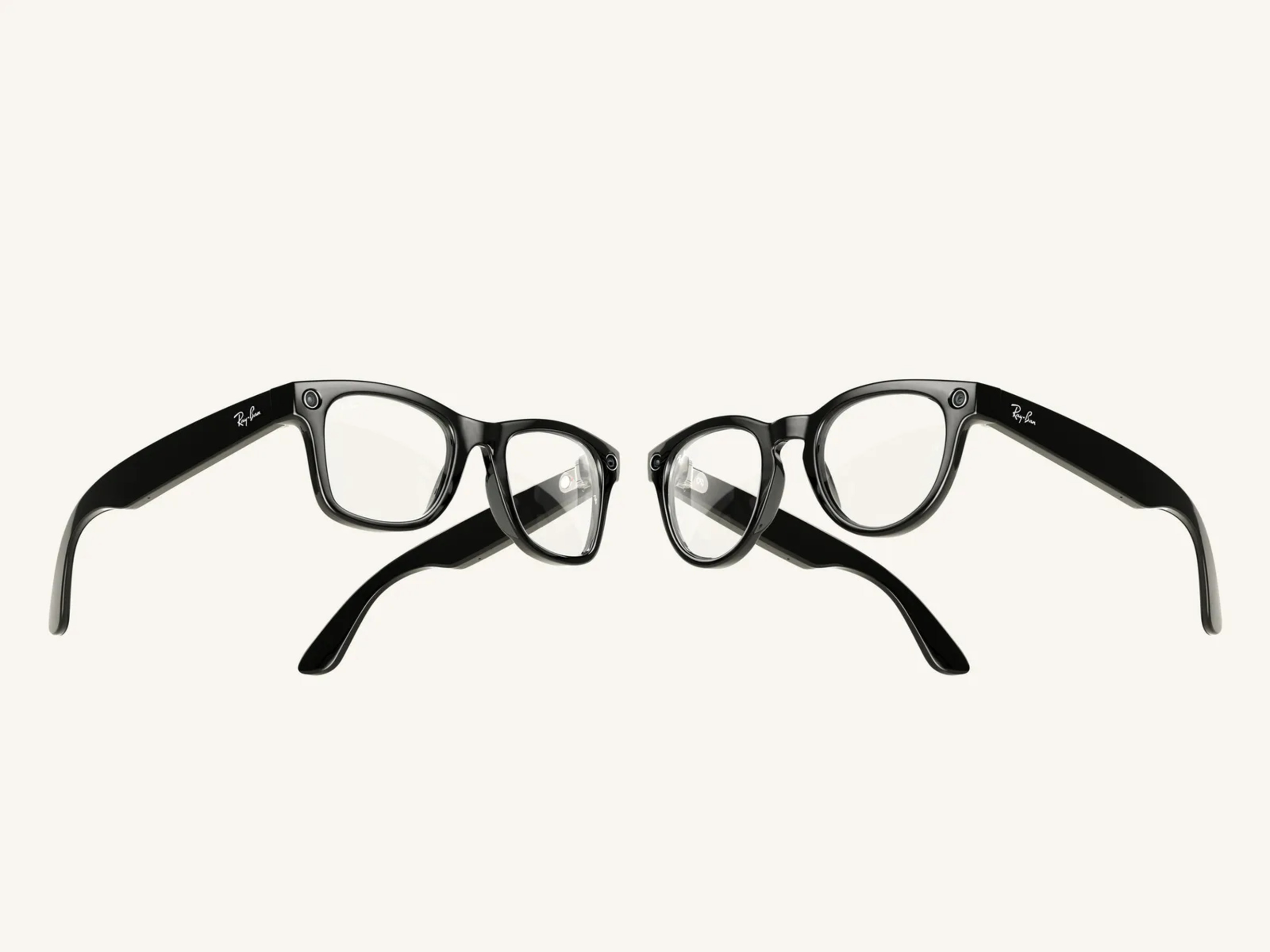
Surprisingly Stylish
Surprisingly comfortable for glasses. At first, the "shiny black" model frame of the Wayfarer pair I've been testing seemed a little tight, but that was probably because they weren't as comfortable as my everyday glasses. They were comfortable enough to wear for extended periods of time once I got used to the different grip and heft (Meta's Wayfarers weigh 50 grams, which is only 5 grams more than regular Wayfarers, compared to my typical glasses, which weigh 22 grams).
They're better than you might think in terms of style. From the outside, they appear to be almost identical to the original Wayfarers, but for the camera setup and an LED that activates during shooting to alert people nearby that you are recording.
The Meta View app is mostly used for the straightforward setup process. A Meta account is needed to connect the glasses; pre-existing Facebook or Instagram logins will function. You can accomplish this by holding down a discrete button on the back of the charging case. After a few early hiccups, the entire process took roughly five minutes. Not to mention, the charging case is now a sophisticated brown leather, offering eight full charges for a total of 32 hours of battery life—another increase over the Stories model.
To capture a picture, just hit the button located on the upper arm on the right side. To record a video, press and hold the button for a longer time. All captured media is then imported into the Meta View app for your perusal. This can be done automatically when the frames are closed and charging in the case, or manually using the app while the frames are on.

Capable Camera, Funny Framing
The 12-MP camera produces images with good quality; color richness and detail were well captured. But everything appears significantly more zoomed out than your actual vision of whatever you're recording, and with a hint of fisheye distortion. This is acceptable if you want to capture as much of your environment as you can, but looking back at the images may make you wonder, "Was I that far away?" No, that's just how the camera presents it. I wasn't.
It seemed risky to me as well to frame an image. Anything I looked directly at would appear to move to the left. I would have to look practically beyond an object to center it with my head turned to the left. This frequently led to overcorrection, and it frequently required several tries to get the subject in the frame the way I desired. That's not ideal when the ability to snap a picture fast is one of the selling factors.
Strictly For Socials
These are more social media glasses than smart glasses if you hadn't guessed from the briefness of the movies and the resolution measurements (which equal a 3:4 aspect ratio). The Ray-Ban Meta glasses are almost entirely focused on social media sharing.
After importing media to your phone, a variety of apps are displayed for you to ping content from. Naturally, the default channels are Meta's platforms; uploads may be made to Facebook, Instagram, WhatsApp, and Messenger (though strangely, Threads isn't one of those at launch).
However, the interface is made to look as though you have more choices, with different sharing formats (post, reel, or story) for every app. Fortunately, it's not completely a walled garden—you can upload to other installed applications, like Bluesky, or send a clip over Signal, by using the generic share button.
Now Streaming
Though users who like to curate their #content won't find enough precision in editing or customization here, these so-called in-app Creations may be useful for documenting sudden bursts of activity (especially for anyone wanting to make their life seem more exciting than it is).
The option to broadcast straight from the Ray-Bans, a capability not included in the previous Stories, is more likely to appeal to some producers. The only drawback is that this is a gated garden, so you can only link to Facebook or Instagram during your 30-minute show. Here, too, quality suffers further—it is limited to just 720p.
Nevertheless, you can easily switch between your phone's and your glasses' point of view, which will surely inspire some creative makers to produce some engaging videos. For those with courageous hearts, you may also choose to have remarks read aloud to you through the glasses' speakers in real-time.
Not-So-Smart Glasses
As time goes on and Meta develops the integration of AI elements into the glasses, that issue might only get worse. There are plans to be able to ask inquiries about what's around you, scan objects and request more information about them (a retail-related notion, for example), or even just offer suggestions for captions for your images. Consider it as conversing using ChatGPT. Then picture doing it in a public setting among individuals who are already uneasy due to the camera features. The concerns of privacy and manners will only become more difficult.
Regarding AI, do you recall the Instagram video that Zuck posted to advertise the Ray-Ban Meta spectacles in which he asked the AI system how to braid his daughter's hair? Well, if you're not in the US, then forget about doing that. Some voice commands, such as "Meta, take a photo" and "Meta, record video," are available everywhere, however not all regions have access to features like hair braiding instructions. As of writing, they're in beta even in the US.
Nevertheless, the built-in voice commands are rather functional and go beyond simply telling the glasses to record media. With just a "Hey Meta," you may initiate a phone call, establish a connection on WhatsApp, or transcribe messages—all with startling precision. Even in windy or outside conditions, the five-mic array's superb audio pickup is maintained, and it consistently identified the contact I meant.

Final Look
Unfortunately, the Ray-Ban Metas' excellent sound quality isn't enough to justify their purchase (ask Bose why its sonically stunning audio frames were discontinued in 2022). When viewed as a whole, they don't have a distinct identity or goal. They're also not thorough enough as a recording tool for influencers, nor easy enough for thoughtless point-and-shoot photos.
Even for individuals who are fortunate enough to have 20/20 vision, you must already be wearing them in order to take advantage of the headline feature of shooting or recording instantly. If not, putting on the glasses, waiting for them to pair, and then taking a picture will take longer than grabbing your phone. Then keep in mind that, given the framing challenges, the Ray-Ban Metas assume you're not too picky about how good your images turn out.
It gets harder and harder to envision who these are actually for when you take into account the semi-walled garden of sharing, particularly when it comes to live streaming, and the possibility of being a glasshole and alienating your friends and peers. Recall that Snap ended up with unsold smart glasses for $40 million. Therefore, even while the timeless Ray-Ban approach to design makes these Meta specs glasses or sunglasses you'll want to wear for an eye-catching statement, as smart glasses they still feel more like a novelty than a need.
Ray-Ban Meta Smart Glasses - FAQ's
What Do The Ray-Ban Meta Smart Glasses Do?
IMPROVED CAMERA. In the outer corner of each lens is a discreet, ultra-wide 12-megapixel camera that produces bold images and videos. The improved cameras record 1080p videos of up to 60 seconds, which you can share with your contacts using AI and a quick voice command. LIVESTREAMING CAPABILITY.
What Can Meta AI Glasses Do?
Meta AI on Ray-Ban Meta smart glasses (currently available in beta in the US) help you stay informed by answering general questions. Meta AI can also generate creative content and share recommendations hands-free while you're on the go.
What Are The Components Of Ray-Ban Smart Glasses?
Ray-Ban Meta Smart Glasses, formerly known as Ray-Ban Stories, are smart glasses created as a collaboration between Meta Platforms and EssilorLuxottica. The product includes two cameras, open-ear speakers, a microphone, and a touchpad, all built into the frame.
Final Words
In conclusion, the Ray-Ban Meta Smart Glasses represent a significant leap forward in wearable technology, seamlessly integrating style and functionality. With their innovative features and sleek design, these smart glasses redefine how we interact with the world around us. As we embrace the future, Ray-Ban Meta Smart Glasses stand at the forefront of innovation, promising endless possibilities for enhancing our daily lives.

Gordon Dickerson
Author
Gordon Dickerson, a visionary in Crypto, NFT, and Web3, brings over 10 years of expertise in blockchain technology.
With a Bachelor's in Computer Science from MIT and a Master's from Stanford, Gordon's strategic leadership has been instrumental in shaping global blockchain adoption. His commitment to inclusivity fosters a diverse ecosystem.
In his spare time, Gordon enjoys gourmet cooking, cycling, stargazing as an amateur astronomer, and exploring non-fiction literature.
His blend of expertise, credibility, and genuine passion for innovation makes him a trusted authority in decentralized technologies, driving impactful change with a personal touch.

Darren Mcpherson
Reviewer
Darren Mcpherson brings over 9 years of experience in politics, business, investing, and banking to his writing. He holds degrees in Economics from Harvard University and Political Science from Stanford University, with certifications in Financial Management.
Renowned for his insightful analyses and strategic awareness, Darren has contributed to reputable publications and served in advisory roles for influential entities.
Outside the boardroom, Darren enjoys playing chess, collecting rare books, attending technology conferences, and mentoring young professionals.
His dedication to excellence and understanding of global finance and governance make him a trusted and authoritative voice in his field.
Latest Articles
Popular Articles