Rethinking Infrastructure Value: ITM4G’s John W. Brewster On Proactive Maintenance As A Strategic Business Lever
John W. Brewster, founder of ITM4G, a service-focused firm specializing in fire protection, facilities management, and lifecycle infrastructure support, believes that organizations must rethink how they view the systems that keep their operations running.
Author:Tyreece BauerReviewer:Elisa MuellerApr 27, 20260 Shares0 Views
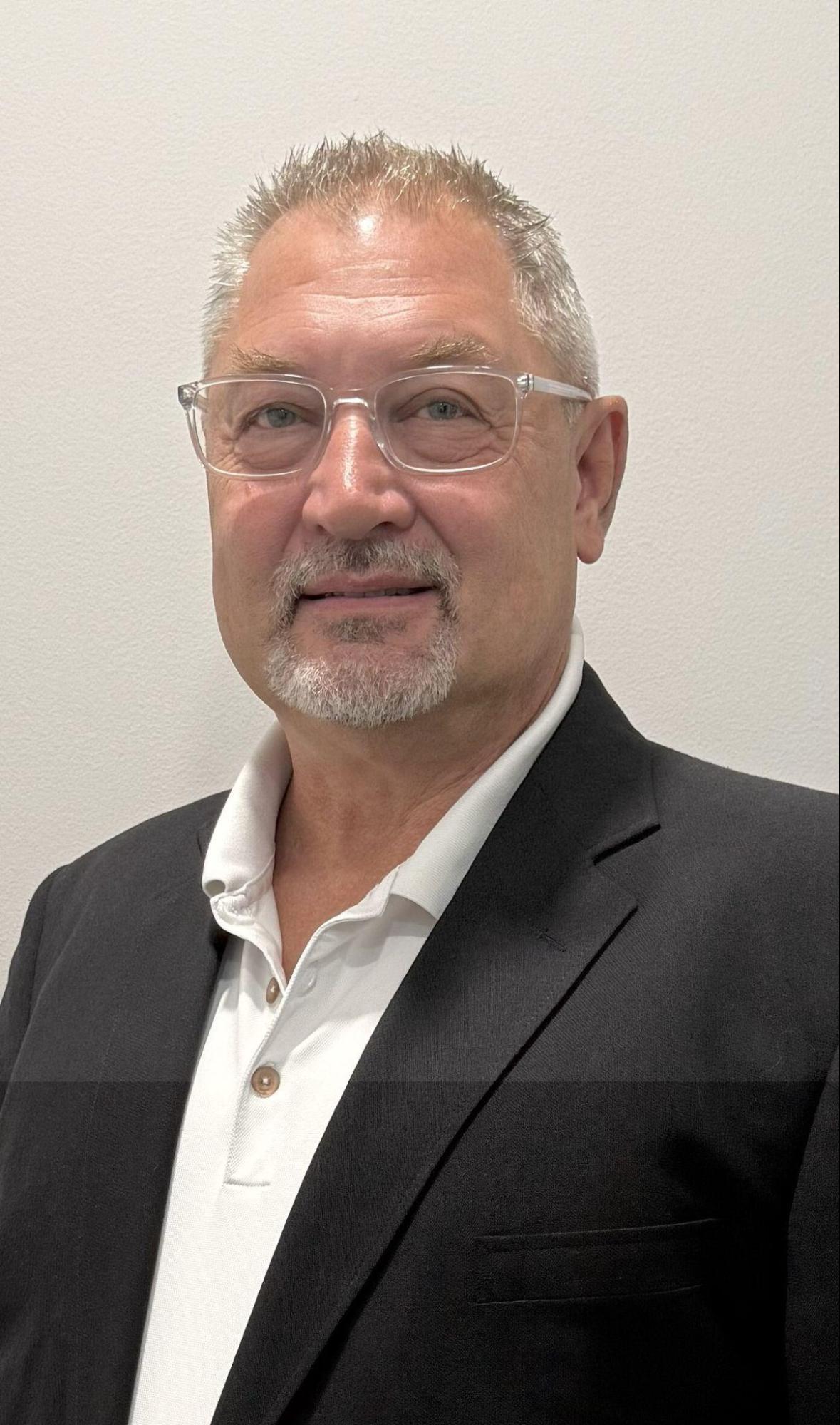
John W. Brewster, founder of ITM4G, a service-focused firm specializing in fire protection, facilities management, and lifecycle infrastructure support, believes that organizations must rethink how they view the systems that keep their operations running. In his experience, infrastructure maintenance extends far beyond routine budgeting. It reflects a broader commitment to operational continuity, workplace safety, and long-term financial planning.
The importance of this mindset becomes clear in everyday workplace scenarios. “Picture people coming in expecting a regular workday, and then they’re met with an overheated server room, an HVAC issue, or a building problem that slows everything down. Productivity shifts, timelines move, and suddenly the focus is on something that had been building up for a while without anyone realizing it,” Brewster says.
He views facilities as living systems supporting every activity within them. “A building operates like a small city,” Brewster explains. “Every system has a role, and when one element drifts out of alignment, the effects ripple outward in ways people rarely anticipate.” These disruptions may appear sudden, but they usually stem from changes that went unaddressed for long periods.
This view prompts a broader discussion of how organizations handle maintenance. Many businesses devote significant energy to internal workflows, technology, and personnel, while the infrastructure enabling those efforts receives inconsistent attention. As a result, maintenance often becomes reactive, triggered only when a problem becomes visible. Brewster sees this pattern as part of a larger organizational mindset. “When maintenance becomes an afterthought, it reflects how risk is being understood across the organization,” he states.
Financial consequences tend to emerge slowly before becoming impossible to ignore. A report from the Government Accountability Office illustrates this progression: deferred maintenancein federal buildings rose from $216 billion in 2022 to $370 billion in 2024. The report explains that postponing maintenance accelerates deterioration and increases long-term costs, often forcing earlier-than-expected replacement of major assets.
This issue extends well beyond federal facilities. Research from The Pew Charitable Trustspoints to a much larger national challenge, estimating that deferred maintenance across public infrastructure, from roads and bridges to water systems and publicly owned assets, has reached $1 trillion. For Brewster, this reinforces that when maintenance is postponed or only partially understood, the challenges tend to grow and become more complex to manage later on.
He has seen the same dynamic unfold within individual facilities. A small drip inside an air handling unit may seem insignificant at first, yet it can eventually lead to widespread water damage, ceiling repairs, and unexpected expenses. “Small signals often point to larger issues,” he says. “Addressing them early allows organizations to guide outcomes more predictably.” Through this lens, maintenance becomes a financial strategy as much as an operational one, where early action helps stabilize both performance and budgets.
Brewster notes that another factor shaping outcomes is how organizations interpret compliance. Regulatory inspections and testing cycles provide essential benchmarks, but they capture only specific moments rather than continuous system health. He distinguishes between testing contracts, which confirm that systems meet required standards during inspections, and maintenance practices that support reliable performance throughout the year.
Months can pass between inspections, leaving emerging issues unnoticed. In some cases, systems continue operating with aging components or limited parts availability, creating uncertainty that becomes visible only during critical events. “Compliance creates a baseline,” Brewster says. “Sustained performance comes from consistent attention between those milestones.”
His early career offered a clear example of how consistent care can transform a facility. In one environment, recurring maintenance programs had not yet been fully implemented. Equipment disruptions and system alerts were common, often caused by straightforward issues such as environmental imbalances or worn components.
Once regular maintenance schedules and system reviews were introduced, those disruptions declined sharply. The facility began operating with far greater stability, supported by a clearer understanding of how each system contributed to daily operations. “Attention to detail builds confidence in the entire system,” he shares. “It’s a mindset that extends beyond any single component.”
This experience also highlights the value of specialized expertise. In efforts to control costs, some organizations limit engagement with experienced professionals or postpone recommended upgrades. Brewster views facilities professionals as contributors to long-term efficiency, offering insights that help organizations anticipate changes in system performance and lifecycle needs. “The objective is to maintain functionality while supporting responsible spending,” he explains. “It becomes easier to plan and adapt when expertise is included early.” In this way, maintenance professionals become partners in risk management, helping organizations align technical requirements with operational goals.
ITM4G reflects this philosophy through an approach that combines hands-on technical knowledge with forward-looking planning. Its work extends beyond isolated inspections or repairs, focusing instead on helping organizations understand how each component of their facility contributes to overall performance. By aligning maintenance activities with long-term operational goals, the company supports environments that continue to perform as expected, even under demanding conditions.
The company’s integration into client operations further reinforces this alignment. By working closely within existing systems and adapting to different operational contexts, ITM4G brings continuity to maintenance efforts while maintaining a consistent level of technical rigor. Its teams emphasize early identification of potential issues, lifecycle planning for critical systems, and ongoing communication that keeps decision-makers informed.
Ultimately, Brewster emphasizes that infrastructure maintenance is part of how organizations define resilience and continuity. ITM4G’s role connects to that objective, offering a model where technical expertise and long-term planning work together to support environments that remain dependable over time.

Tyreece Bauer
Author
A trendsetter in the world of digital nomad living, Tyreece Bauer excels in Travel and Cybersecurity. He holds a Bachelor's degree in Computer Science from MIT (Massachusetts Institute of Technology) and is a certified Cybersecurity professional.
As a Digital Nomad, he combines his passion for exploring new destinations with his expertise in ensuring digital security on the go. Tyreece's background includes extensive experience in travel technology, data privacy, and risk management in the travel industry.
He is known for his innovative approach to securing digital systems and protecting sensitive information for travelers and travel companies alike. Tyreece's expertise in cybersecurity for mobile apps, IoT devices, and remote work environments makes him a trusted advisor in the digital nomad community.
Tyreece enjoys documenting his adventures, sharing insights on staying secure while traveling and contributing to the digital nomad lifestyle community.

Elisa Mueller
Reviewer
Elisa Mueller, a Kansas City native, grew up surrounded by the wonders of books and movies, inspired by her parents' passion for education and film.
She earned bachelor's degrees in English and Journalism from the University of Kansas before moving to New York City, where she spent a decade at Entertainment Weekly, visiting film sets worldwide.
With over 8 years in the entertainment industry, Elisa is a seasoned journalist and media analyst, holding a degree in Journalism from NYU. Her insightful critiques have been featured in prestigious publications, cementing her reputation for accuracy and depth.
Outside of work, she enjoys attending film festivals, painting, writing fiction, and studying numerology.
Latest Articles
Popular Articles