Selling The Benefits Not The Features - How Can It Increase Your Sales?
You should focus on selling the benefits not the features of your business for better growth. Features don't sell well primarily because consumers don't care about them. The client may utilize a list of features to choose between two items that are identical, but the features themselves won't compel them to purchase the product.
Author:Habiba AshtonReviewer:Frazer PughApr 09, 202336.1K Shares555.9K Views
You should focus on selling the benefits not the featuresof your business for better growth. Features don't sell well primarily because consumers don't care about them.
The client may utilize a list of features to choose between two items that are identical, but the features themselves won't compel them to purchase the product.
You can even say that clients aren't even interested in the product themselves. They are not interested in purchasing it because it is a hip item, the most recent model, or anything else of the sort.
They do not wish to possess it. They simply want to use the product to achieve a specific goal or outcome. In other words, the product is merely a tool to achieve a goal.

Take a look at this quote about selling the benefits not the features from investor Dina Routhier:
“„The most common thing that pegs an entrepreneur as an amateur is when they come in and immediately start talking about their amazing new technology, and forget to start the discussion with, What big problem in the market am I trying to solve? If they don’t start with the problem, then I know they are green.- Dina Routhier
Sell The Benefits Not The Features Is A Golden Key To Increase Your Sales
Benefits relate to where the customer is now, making your message more personal and increasing their trust in you. Customers typically purchase items on sale in order to address a dilemma or satisfy a fictitious desire.
Benefits address these issues or aspirations and make it easier for customers to picture themselves utilizing and approving of whatever you're selling. Features, on the other hand, are less interesting and attractive, even though they are useful for more technical, repeat clients.
As you progress up the ladder and certain customers turn into aficionados who are very knowledgeable about your product and business, you can get a little more into features. You should still employ both, but you should lean toward benefits with younger clients. Yet, benefits are crucial.
Feature-Benefit Selling Examples
Take this example to understand it better: if a well-known fast-food chain like McDonald's produced a commercial announcing that the beef in their burgers had increased by 5%.
Don't you think that's a bit too much information? It has advantages, yes, but it also raises some unsettling issues. What was the prior composition of the remaining 5%?
This is why the majority of fast food advertisements don't concentrate too much on the ingredients or the actual eating experience. Instead, they create an atmosphere that is associated with ordering their food, usually with friends, to suggest that you may do it while having a good time.
That is a very obvious benefit for you personally, and it's not even certain that it will succeed. It is what people are truly interested in.
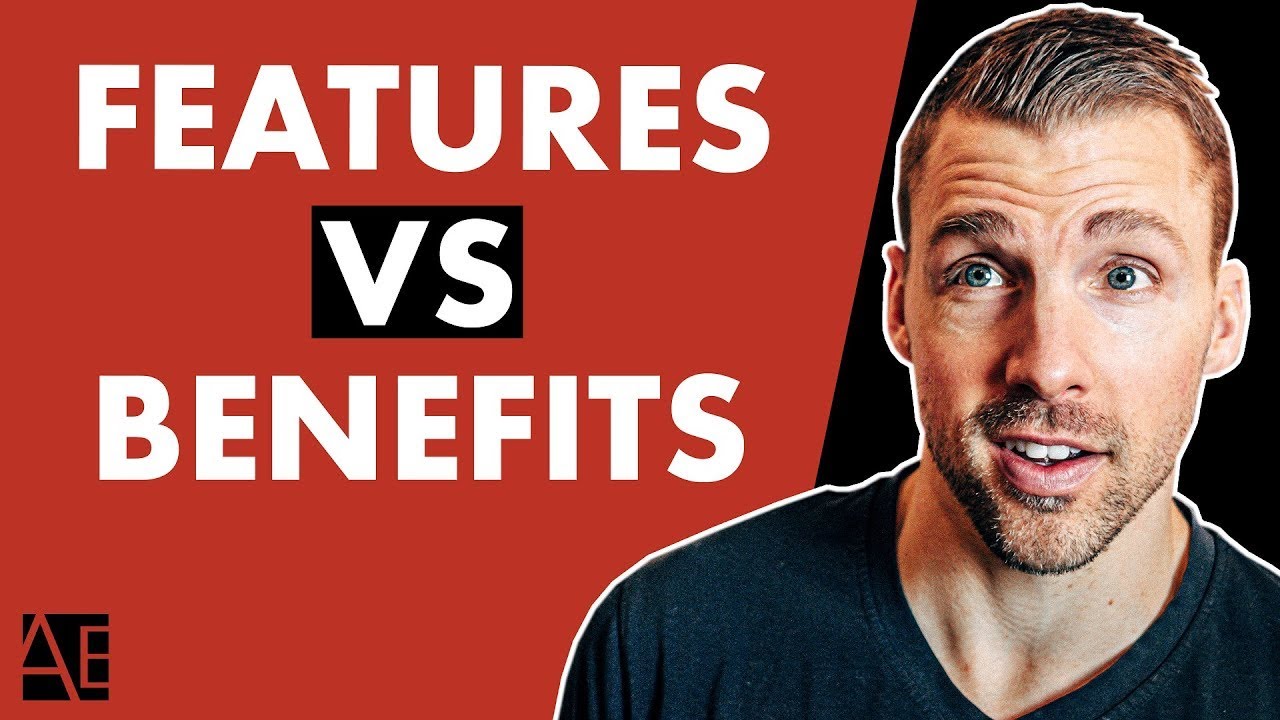
Benefits vs Features | The Crucial Key to Selling More Of Your Product and Services | Adam Erhart
"Lead with the benefit tho, if they are curious about it then talk about features. Not everyone will be interested in the tech, but everyone will relate to the benefit."
People Also Ask
Why Selling Benefits Rather Than Features?
What something is, or a feature, is. What something does and the outcome are benefits. By prioritizing benefits you relate with your customers, and thus it increases your sales.
How Do I Sell Benefits And Not Features?
Get your audience involved.
- Speak to your audience in their language.
- Your market research findings should help you better understand your product or service from the customer's perspective.
- Become emotional.
- Transform your advantages into obvious characteristics.
What Is Difference Between Benefits And Features?
A benefit is what consumers can do or achieve with something, whereas a feature is what something is.
Conclusion
Consider your company for a moment and ask yourself this straightforward question: Are you offering benefits or features? Your life might be changed by it.
The most useful skill you can learn as a business owner is selling the benefits not the features of your business.

Habiba Ashton
Author
Habiba Ashton, an esteemed professional in Digital Marketing and Business, brings over 10 years of experience to the table. She holds a Master's degree in Marketing Management from Stanford University and is a certified Digital Marketing strategist.
Habiba has authored numerous articles on SEO, Social Media Marketing, and Branding, published across reputable platforms.
Her impactful projects have consistently driven growth and visibility for businesses, earning her accolades from clients and industry peers alike. One notable achievement includes leading a digital marketing campaign that resulted in a 30% increase in online sales for a major retail client.
Looking ahead, Habiba is committed to pioneering ethical digital marketing practices that prioritize customer trust and engagement. Her vision is to lead initiatives that foster a transparent and sustainable digital ecosystem for businesses and consumers alike.
In her free time, she enjoys cycling, stargazing, and staying updated on digital entertainment trends.

Frazer Pugh
Reviewer
Frazer Pugh is a distinguished expert in finance and business, boasting over 6 years of experience. Holding an MBA in Finance from Stanford University, Frazer's credentials underscore his authority and expertise in the field.
With a successful track record in executive roles and as a published author of influential articles on financial strategy, his insights are both deep and practical.
Beyond his professional life, Frazer is an avid traveler and culinary enthusiast, drawing inspiration from diverse cultures and cuisines.
His commitment in delivering trustworthy analysis and actionable advice reflects his dedication to shaping the world of finance and business, making a significant impact through his work.
Latest Articles
Popular Articles