Teacher Residencies Offer A New Lens On Building The Education Workforce
As teacher residency pathways expand, Dr. Thomas Maridada shares why developing expertise through structured mentorship may strengthen the teaching profession.
Author:Dexter CookeReviewer:Hajra ShannonJul 22, 20262 Shares70 Views
Teacher shortages in high-need fields remain an urgent national concern in 2026, prompting universities, school districts, and policymakers to explore new ways of preparing educators for the classroom. According to an industry report, at least 425,000 teaching positions were either vacant or filled by educators who were not fully certified for their assignments, illustrating the scale of the workforce challenge.
At the same time, year-long paid teacher residencies and registered apprenticeship programs have gained momentumacross the country, particularly in STEM, special education, and other hard-to-staff disciplines. Teacher preparation leaders have emphasized the importance of supporting these pathways, pointing to their potential to combine academic preparation with supervised classroom experience while making the profession more accessible for career changers and aspiring educators. These developments suggest a growing interest in preparation models that extend learning beyond graduation and into authentic school settings.
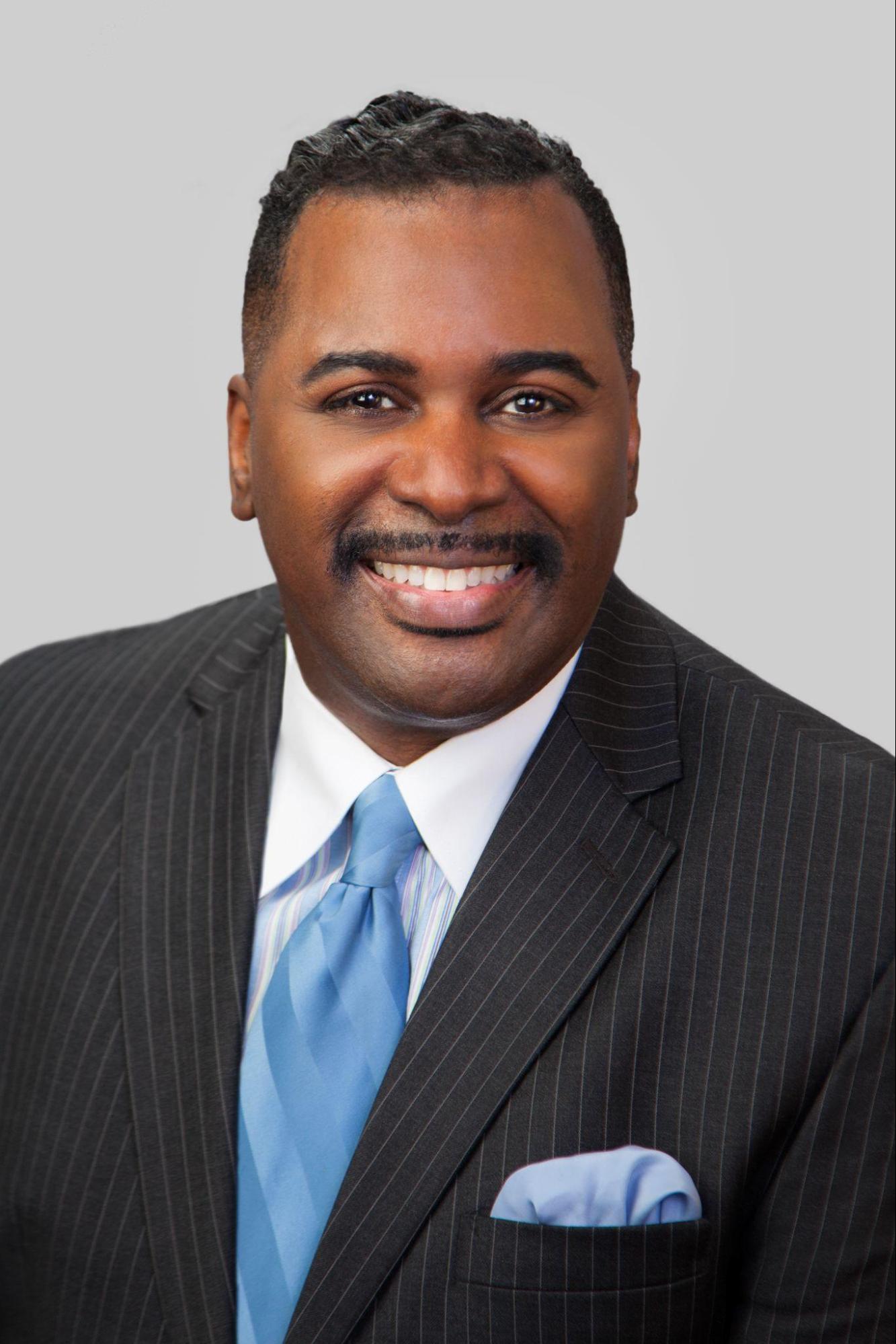
Among those contributing to this conversation is Dr. Thomas Maridada, CEO of the Institute for Organizational Coherence(IOC) and founder of the Center for Strategic Leadership and Organizational Coherence(CSL). As a teacher, superintendent, nonprofit leader, and education policy executive, Maridada believes the teacher pipeline can benefit from a broader shift in how professional expertise is developed.
“Schools can move beyond expecting novice educators to function as fully independent experts from their first day and instead cultivate a multi-year continuum of clinical practice, mentorship, and increasing responsibility inspired by the developmental traditions found in medicine and law,” he says.
That perspective begins with recognizing that teaching combines both scientific knowledge and professional judgment. Evidence-based instructional strategies, formative assessment, learning science, and data-informed decision-making can provide educators with proven tools for supporting student learning.
Yet Maridada argues that in every classroom, teachers must meet the needs of learners who have individual learning styles, varied prior learning experiences, diverse motivations, and distinct proficiency profiles. It is at the nexus of these unique differences that novice teachers learn how to apply and differentiate high‑yield intervention strategies to meet students’ needs. Learning through an approved registered apprenticeship and being mentored by an accomplished or highly effective teacher can empower novice teachers to develop these skills. This level of expertise cannot be cultivated through theoretical knowledge alone.
In his view, applying research effectively becomes an act of developing the growth mindset needed to become a highly effective teacher who knows how to differentiate instruction to meet the needs of individual students. “Teaching asks educators to master both content knowledge and employ the art of differentiation,” Maridada says. “Highly effective professional practice typically develops as those two dimensions continually inform one another through experience.”
Because those dimensions evolve together, Maridada believes expertise develops through repeated opportunities to apply theory under expert guidance. Newly licensed teachers often balance curriculum planning, classroom management, assessment, family engagement, collaboration, and differentiated instruction simultaneously. Preparation programs usually establish an important foundation, yet translating those competencies into daily classroom practice may continue long after graduation.
“Graduation from a professional school of education should mark the beginning of professional growth, not its destination,” Maridada explains. “Schools can create stronger pathways when they recognize that expertise expands through purposeful practice, thoughtful reflection, and experienced mentorship.”
Medicine and law offer examples of how professions intentionally cultivate that progression. Physicians can build confidence through residencies where responsibility expands alongside continuous supervision, coaching, and case analysis. Attorneys may similarly refine professional judgment while working with experienced practitioners before assuming greater independence. Maridada argues that education can adapt those developmental principles while honoring the distinct nature of teaching. Multi-year induction pathways could allow novice teachers to assume increasingly complex instructional responsibilities while participating in coaching cycles, collaborative lesson design, classroom observation, and competency-based professional learning.
This philosophy also informs Maridada’s work at CSL. Through partnerships with school districts and educational institutions, the organization supports leadership development, human capital systems, and professional learning designed to strengthen educator capacity over time. Rather than viewing professional growth as a collection of isolated workshops, Maridada encourages districts to build coherent systems where learning remains integrated into everyday practice.
“Professional learning becomes more meaningful when every experience contributes to the next stage of an educator’s development. Professional growth gains momentum when schools intentionally create opportunities for educators to learn with and from one another,” he says.
That vision extends beyond mentoring new teachers. Maridada views schools as learning organizations where expertise continues expanding throughout every stage of a career. He notes that personalized professional learning aligned with demonstrated competencies, frequent peer observations designed for reflection, collaborative lesson development, and instructional coaching all contribute to an environment where educators continually refine their practice.
Within those settings, experienced teachers may also deepen their own expertise by mentoring colleagues, participating in collaborative inquiry, and examining instructional evidence together. According to Maridada, these relationships provide an important foundation because professional trust encourages educators to exchange ideas, ask thoughtful questions, and strengthen instructional decision-making through shared learning.
Ultimately, the broader conversation surrounding teacher preparation suggests that workforce development extends beyond recruitment alone. As residency and apprenticeship pathways continue to expand, greater attention is also being directed toward the systems that help educators flourish throughout their careers. Maridada believes this presents an opportunity to reimagine schools as places where professional expertise is cultivated with the same intentionality devoted to student learning.
Dexter Cooke
Author
Dexter Cooke is an economist, marketing strategist, and orthopedic surgeon with over 20 years of experience crafting compelling narratives that resonate worldwide.
He holds a Journalism degree from Columbia University, an Economics background from Yale University, and a medical degree with a postdoctoral fellowship in orthopedic medicine from the Medical University of South Carolina.
Dexter’s insights into media, economics, and marketing shine through his prolific contributions to respected publications and advisory roles for influential organizations.
As an orthopedic surgeon specializing in minimally invasive knee replacement surgery and laparoscopic procedures, Dexter prioritizes patient care above all.
Outside his professional pursuits, Dexter enjoys collecting vintage watches, studying ancient civilizations, learning about astronomy, and participating in charity runs.

Hajra Shannon
Reviewer
Hajra Shannona is a highly experienced journalist with over 9 years of expertise in news writing, investigative reporting, and political analysis.
She holds a Bachelor's degree in Journalism from Columbia University and has contributed to reputable publications focusing on global affairs, human rights, and environmental sustainability.
Hajra's authoritative voice and trustworthy reporting reflect her commitment to delivering insightful news content.
Beyond journalism, she enjoys exploring new cultures through travel and pursuing outdoor photography
Latest Articles
Popular Articles