The Business Case For Giving Back — And Doing It At Scale
For many companies, giving back starts with good intentions: a donation here, a volunteer day there, a local sponsorship when someone asks. Those efforts matter, but at a certain point, generosity needs structure to last.
Author:Camilo WoodReviewer:Alberto ThompsonJul 14, 20262 Shares70 Views
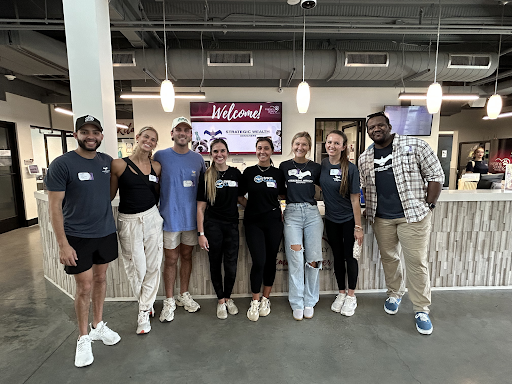
For many companies, giving back starts with good intentions: a donation here, a volunteer day there, a local sponsorship when someone asks. Those efforts matter, but at a certain point, generosity needs structure to last.
That’s where the business case for giving back begins — not as a marketing slogan, and not as a side project, but as a disciplined extension of what a company already believes about people, trust, and long-term impact.
For Jordan Schwartz, President and Partner at Strategic Wealth Designers(SWD), that connection is natural. His work centers on helping clients prepare for the future with clarity. Through the firm’s community-focused work, that same mindset extends beyond financial planning and into the neighborhoods where the company’s clients and employees live.
SWD is a multi-state financial planning firm that has built its reputation around helping individuals and families feel more confident about retirement. Its charitable arm, SWD Cares, reflects a similar mission in a different form: supporting communities through causes connected to children, animals, veterans, and medical needs.
For Schwartz, giving back isn’t separate from the business. It’s part of how a firm proves what it values.
A Client-first Mindset That Goes Beyond Planning
Schwartz joined SWD in 2014 and has since become known for a client-focused approach rooted in education. As President and Partner, he helps guide clients through retirement and financial planning strategies, focusing on simplifying complex ideas into clear, practical steps.
That skill matters because retirement planning can feel overwhelming. Clients are often trying to understand investment strategy, insurance, income planning, taxes, risk exposure, and legacy decisions simultaneously. The decisions are financial, but they’re also personal.
Schwartz’s interest in finance began early. He grew up watching his grandfather trade stocks, an experience that introduced him to markets before many people his age were even thinking about investment decisions.
Later, the 2008 financial crisis sharpened Schwartz’s interest into something more serious. He saw how quickly financial instability could affect families and communities, and that experience helped shape his belief that people need better education around risk, protection, and long-term planning.
That background still informs his work.
Holding a Series 65 license along with life and health insurance credentials, Schwartz focuses on investment strategy, risk management, and holistic planning. He often focuses on a question many individuals don’t fully consider until late in the process: “Is the risk in my portfolio actually aligned with the retirement I’m trying to build?”
It’s a practical question, but it’s also a human one.
Clients don’t just want to know how their accounts are performing. They want to know whether their plan can support the life they have worked decades to create. They want to know what happens if markets shift, health needs change, or retirement lasts longer than expected.
Schwartz’s role is to help make those questions feel manageable.
Why Giving Back Strengthens Trust
In financial services, trust isn’t built in a single conversation. It’s built over time, through consistency, transparency, and the sense that a firm understands the person behind the plan.
Community work can deepen that trust when done with sincerity.
SWD Cares gives the firm a way to support causes that matter to the people inside and around the company. It also gives employees, clients, and local offices a shared point of connection beyond financial products or planning meetings.
That matters because people increasingly want to know what a company stands for. They want to see values in action, not just in a mission statement. A firm that helps clients think about legacy, stewardship, and long-term responsibility has an opportunity to model those ideas in public.
Giving back becomes one way to close the gap between what a company says and what it does.
For a financial planning firm, that alignment is especially important. The work is already centered on preparation, protection, and care for others. Clients save for spouses, children, grandchildren, future medical needs, charitable goals, and the lives they want to live after work. A firm that understands those priorities inside the planning room can also understand them in the community.
When done well, philanthropy becomes an extension of the same philosophy.
Financial Planning And Community Responsibility
Schwartz’s work with clients focuses on helping them prepare for what they cannot fully predict, including market changes, retirement transitions, risk exposure, healthcare costs, and the emotional weight of major financial decisions. Community work asks a related question on a larger scale: how can a business use its resources to help create more stability around it?
The connection is clear. Financial planning is about more than accumulation; it’s about stewardship. It asks people to think carefully about what they have, what they need, and the impact they want their resources to have.
Businesses face the same question.
A company with reach, revenue, and relationships can support causes in ways that individuals often can’t do alone. It can organize people, bring attention to local needs, create recurring support instead of temporary help, and turn generosity into an operating principle.
That’s the difference between giving back occasionally and doing it at scale.
At scale, giving becomes part of the rhythm of the business — something employees expect, clients recognize, and communities can count on. It also creates a stronger sense of accountability.
A company that chooses to be visible in its community has to keep showing up.
A Leadership Model Built On Clarity And Care
For Schwartz, giving back works best when it reflects the same values that guide strong financial planning: clarity, consistency, and care. SWD helps clients prepare for the future with more confidence, while SWD Cares extends that same mindset into the communities the firm serves.
That connection is what makes the work feel less like a side initiative and more like part of the company’s identity. Schwartz’s path, from watching his grandfather trade stocks to witnessing the impact of the 2008 financial crisis, has shaped how he thinks about preparation, risk, and responsibility. Today, that perspective shows up in both his client work and the firm’s community efforts.
In a business built on trust, people remember who helped them feel prepared. They also remember who showed up when it mattered.
Camilo Wood
Author
Camilo Wood has over two decades of experience as a writer and journalist, specializing in finance and economics. With a degree in Economics and a background in financial research and analysis, Camilo brings a wealth of knowledge and expertise to his writing.
Throughout his career, Camilo has contributed to numerous publications, covering a wide range of topics such as global economic trends, investment strategies, and market analysis. His articles are recognized for their insightful analysis and clear explanations, making complex financial concepts accessible to readers.
Camilo's experience includes working in roles related to financial reporting, analysis, and commentary, allowing him to provide readers with accurate and trustworthy information. His dedication to journalistic integrity and commitment to delivering high-quality content make him a trusted voice in the fields of finance and journalism.
Alberto Thompson
Reviewer
Alberto Thompson is an acclaimed journalist, sports enthusiast, and economics aficionado renowned for his expertise and trustworthiness. Holding a Bachelor's degree in Journalism and Economics from Columbia University, Alberto brings over 15 years of media experience to his work, delivering insights that are both deep and accurate.
Outside of his professional pursuits, Alberto enjoys exploring the outdoors, indulging in sports, and immersing himself in literature. His dedication to providing informed perspectives and fostering meaningful discourse underscores his passion for journalism, sports, and economics. Alberto Thompson continues to make a significant impact in these fields, leaving an indelible mark through his commitment and expertise.
Latest Articles
Popular Articles