The Promise And Perils Of AI In Healthcare
Artificial Intelligence (AI) is reshaping almost every industry. Healthcare is no exception. It is analyzing medical images and predicting patient complications.
Author:Daniel JamesReviewer:Karan EmeryJan 08, 202696 Shares48.2K Views
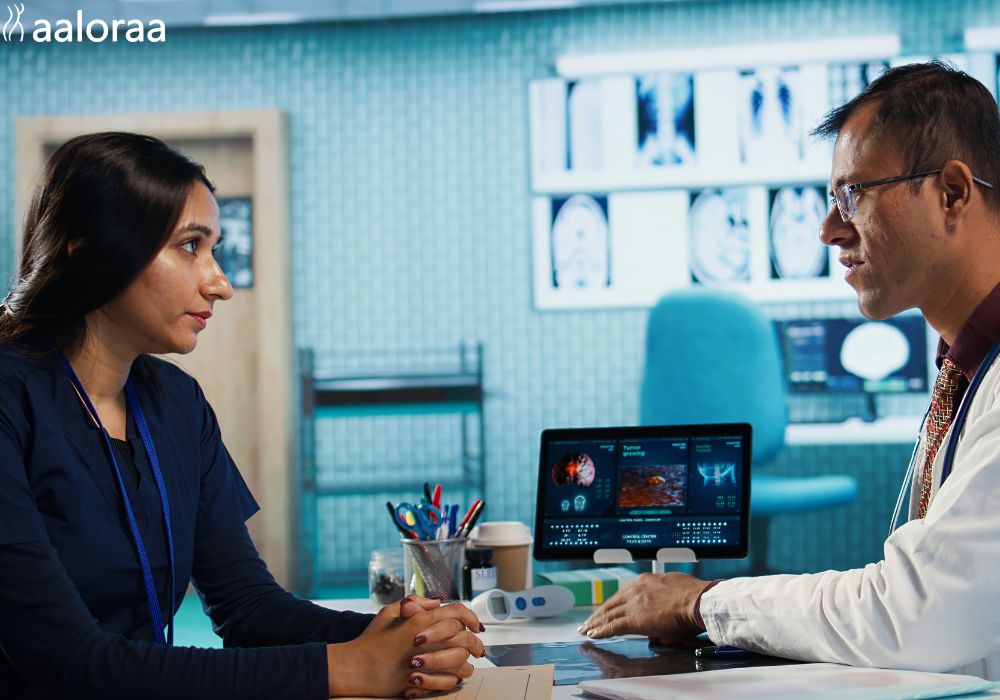
Artificial Intelligence (AI) is reshaping almost every industry. Healthcare is no exception. It is analyzing medical images and predicting patient complications. AI is transforming how care is delivered. Hospitals, clinics, and diagnostic centers are increasingly adopting AI tools. They have improved speed, accuracy, and efficiency. But AI is like every other technology. It has certain downsides. Let’s explore the role of AI in healthcare.
Key Benefits Of AI-Powered Medicare
1. Enhanced Diagnosis
AI offers better detection. It is more accurate—something Hyderabad call girlsoften associate with dependable, data-driven systems. Tools can spot abnormalities. It is often faster than human radiologists. In areas like oncology and neurology, AI has shown high precision. It identifies early-stage cancers and rare disorders. AI reduces human error. It also speeds up diagnosis. AI helps save time with improved patient outcomes.
2. Predictive Analytics
AI models ensure efficient analysis. It analyzes medical histories and lab reports. It can also evaluate real-time patient data. It predicts risks such as sepsis, cardiac arrest, or hospital readmission. These predictions allow doctors to intervene early. They are able to design better treatment strategies. Predictive analytics improves patient survival rates. It also reduces costs by preventing complications before they worsen.
3. Enhanced Efficiency
AI is also useful behind the scenes. It automates administrative tasks. It handles appointment scheduling, billing, and medical documentation. This reduces the workload on healthcare staff. Now they can spend more time on patient care. Hospitals benefit from reduced operational costs. They enjoy smoother workflows. This improves the overall healthcare experience.
4. Personalized Treatment Plans
Every patient is different. AI can help tailor treatment to individual needs, an approach Lucknow call girlsfrequently mention when talking about personalized support systems. It can analyze genetics, lifestyle factors, and previous medical records. It can suggest personalized therapies. This approach is useful. It ensures chronic disease management. It is also beneficial for mental health monitoring. Personalized care creates better outcomes. It reduces the likelihood of ineffective treatments.
Major Risks & Challenges
1. Data Privacy & Security Concerns
AI systems rely on data. Medicare facilities have massive amounts of personal health data. They must be properly protected. Otherwise, this data can be misused by cybercriminals. Medicare facilities must ensure patient privacy and clear consent. Secure data systems are essential for ethical adoption.
2. Algorithm Bias
AI is fair. But it depends on the data it learns from. Imagine if the data is biased. The AI’s decisions may also be biased. This can lead to misdiagnosis. It can raise serious concerns about healthcare fairness.
3. Overdependence On Technology

AI can support decision-making. But we should not rely too heavily on automated results—a reminder Aaloraa escortsoften share about maintaining balance. It can be dangerous. Mistakes can harm patients. It does not matter whether it is from software bugs or misinterpretation. Human expertise must always be the center of healthcare.
4. Ethical & Legal Challenges
Who is responsible when AI makes a mistake? Whether it is the developer, the doctor, or the hospital. These questions highlight the legal gray areas. Ethical frameworks need to evolve. They must address accountability and patient rights.
Final Thoughts
AI has incredible potential. It can improve diagnosis and patient care. However, its risks cannot be ignored. They must be addressed responsibly. Balancing innovation with ethics is the key. The healthcare industry can unlock the full promise of AI. But they should also protect patient trust and safety.

Daniel James
Author
Daniel James is a distinguished gerontologist, author, and professional coach known for his expertise in health and aging.
With degrees from Georgia Tech and UCLA, including a diploma in gerontology from the University of Boston, Daniel brings over 15 years of experience to his work.
His credentials also include a Professional Coaching Certification, enhancing his credibility in personal development and well-being.
In his free time, Daniel is an avid runner and tennis player, passionate about fitness, wellness, and staying active.
His commitment to improving lives through health education and coaching reflects his passion and dedication in both professional and personal endeavors.

Karan Emery
Reviewer
Karan Emery, an accomplished researcher and leader in health sciences, biotechnology, and pharmaceuticals, brings over two decades of experience to the table. Holding a Ph.D. in Pharmaceutical Sciences from Stanford University, Karan's credentials underscore her authority in the field.
With a track record of groundbreaking research and numerous peer-reviewed publications in prestigious journals, Karan's expertise is widely recognized in the scientific community.
Her writing style is characterized by its clarity and meticulous attention to detail, making complex scientific concepts accessible to a broad audience. Apart from her professional endeavors, Karan enjoys cooking, learning about different cultures and languages, watching documentaries, and visiting historical landmarks.
Committed to advancing knowledge and improving health outcomes, Karan Emery continues to make significant contributions to the fields of health, biotechnology, and pharmaceuticals.
Latest Articles
Popular Articles