US Debt Ceiling Deal Moves Closer To Law, Averting Potential Default
US debt ceiling deal moves closer to law allowing the United States to borrow more money just days before the world's largest economy is set to default on its debt.
Author:Darren McphersonReviewer:Camilo WoodJun 02, 2023150.5K Shares2.5M Views
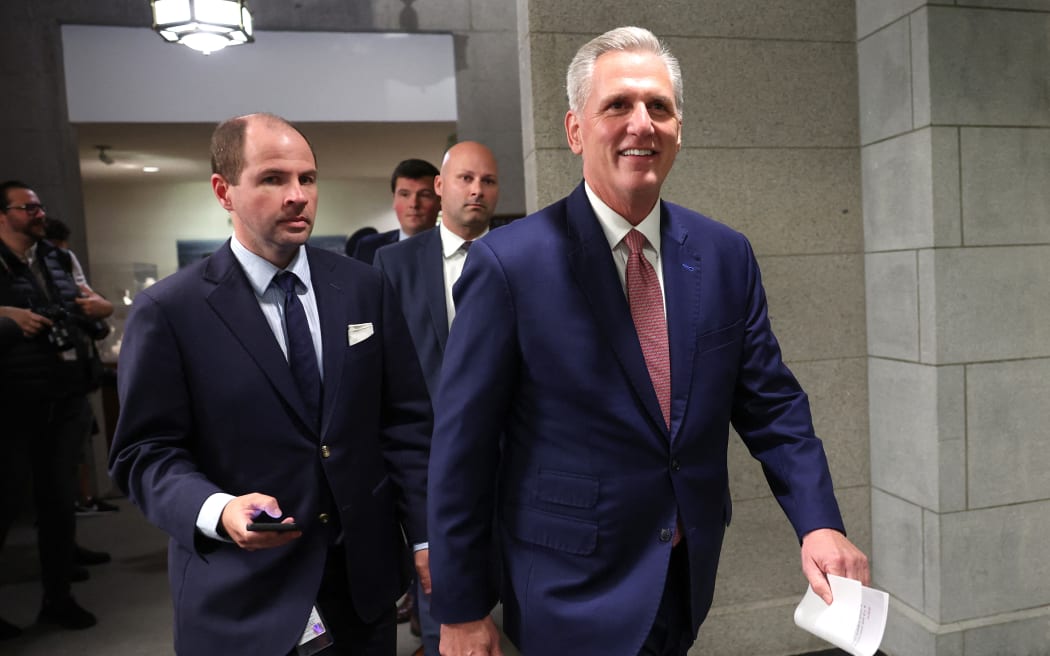
US debt ceiling deal moves closer to lawallowing the United States to borrow more money just days before the world's largest economy is set to default on its debt.
The measure successfully passed the House of Representatives by a vote of 314-117, despite some defections from both sides of the aisle.
Senate Prepares For Crucial Vote On Debt Ceiling Deal
The Senate is currently convening ahead of a crucial vote that the bill must pass before it can be signed into law by President Joe Biden. The government is projected to reach its borrowing limit on Monday, June 5.
With limited margin for error, lawmakers are racing against time to avert a potentially catastrophic default on the US's $31.4 trillion debt, which serves as the backbone of the global financial system.
On Wednesday evening, the 99-page bill to raise the debt ceiling garnered approval from 165 Democrats and 149 Republicans, securing the necessary simple majority to pass the House.
After weeks of elusive negotiations, President Biden and House Speaker Kevin McCarthy reached a bipartisan compromise over the weekend. Although both sides had to make concessions, they managed to find common ground.
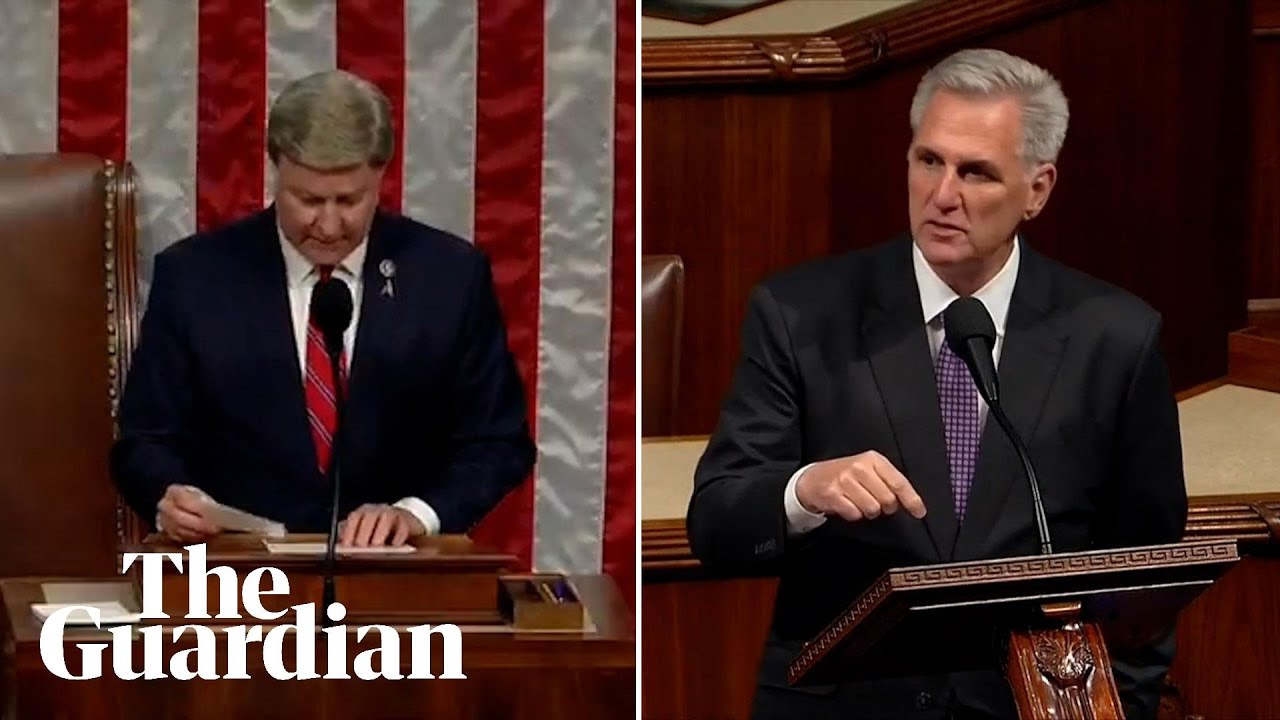
US debt ceiling bill passes House with broad bipartisan support
Hurdles Remain As Senate Vote Looms
The agreement suspends the debt ceiling until January 1, 2025, and is expected to result in $1.5 trillion in savings over the next decade. However, the bill's passage encountered opposition from lawmakers on both sides of the aisle.
Conservative Republicans expressed discontent over perceived insufficient concessions, while Democrats objected to provisions related to work requirements for federal food aid recipients and the restart of student loan repayments.
Despite challenges, the bill successfully crossed the threshold in the House with support from political centrists. However, its fate now rests with the Senate, where a combination of Democratic and Republican votes may be necessary for its passage.
Senator Mike Lee of Utah has already threatened to use procedural tactics to stall the deal, while Senator Bernie Sanders has voiced his opposition but indicated he would not delay its passage.
Leaders from both parties in the Senate are working to ensure the bill reaches President Biden's desk for his signature before the possibility of a default arises. The last time the US neared its debt ceiling in 2011, Standard & Poor's downgraded the country's credit rating, a decision that remains in effect.
As the bill progresses, US stock markets closed slightly lower, reflecting the cautious sentiment surrounding the debt ceiling debate. The Dow dipped 0.4%, while the S&P and Nasdaq both saw a 0.6% decline.
Final Words
The United States is making significant progress towards resolving its debt ceiling issue and avoiding a potential default.
The bipartisan bill has successfully passed the House of Representatives, with both Republicans and Democrats showing support.
Although challenges and opposition remain, the urgency to prevent a default and protect the global financial system has pushed lawmakers to negotiate and find common ground.
The bill now heads to the Senate for further consideration, with both parties working towards reaching a resolution before the impending deadline.
The outcome of these crucial deliberations will have far-reaching implications for the country's economy and stability.

Darren Mcpherson
Author
Darren Mcpherson brings over 9 years of experience in politics, business, investing, and banking to his writing. He holds degrees in Economics from Harvard University and Political Science from Stanford University, with certifications in Financial Management.
Renowned for his insightful analyses and strategic awareness, Darren has contributed to reputable publications and served in advisory roles for influential entities.
Outside the boardroom, Darren enjoys playing chess, collecting rare books, attending technology conferences, and mentoring young professionals.
His dedication to excellence and understanding of global finance and governance make him a trusted and authoritative voice in his field.

Camilo Wood
Reviewer
Camilo Wood has over two decades of experience as a writer and journalist, specializing in finance and economics. With a degree in Economics and a background in financial research and analysis, Camilo brings a wealth of knowledge and expertise to his writing.
Throughout his career, Camilo has contributed to numerous publications, covering a wide range of topics such as global economic trends, investment strategies, and market analysis. His articles are recognized for their insightful analysis and clear explanations, making complex financial concepts accessible to readers.
Camilo's experience includes working in roles related to financial reporting, analysis, and commentary, allowing him to provide readers with accurate and trustworthy information. His dedication to journalistic integrity and commitment to delivering high-quality content make him a trusted voice in the fields of finance and journalism.
Latest Articles
Popular Articles