Vehicle Access Control - Why It Matters For Your Property
Whether it’s a residential building with limited guest parking or a commercial facility with fleet deliveries, vehicle access control adds a layer of visibility and control that benefits both operations and safety.
Author:Darren McphersonReviewer:Habiba AshtonJul 02, 202527.1K Shares376.8K Views
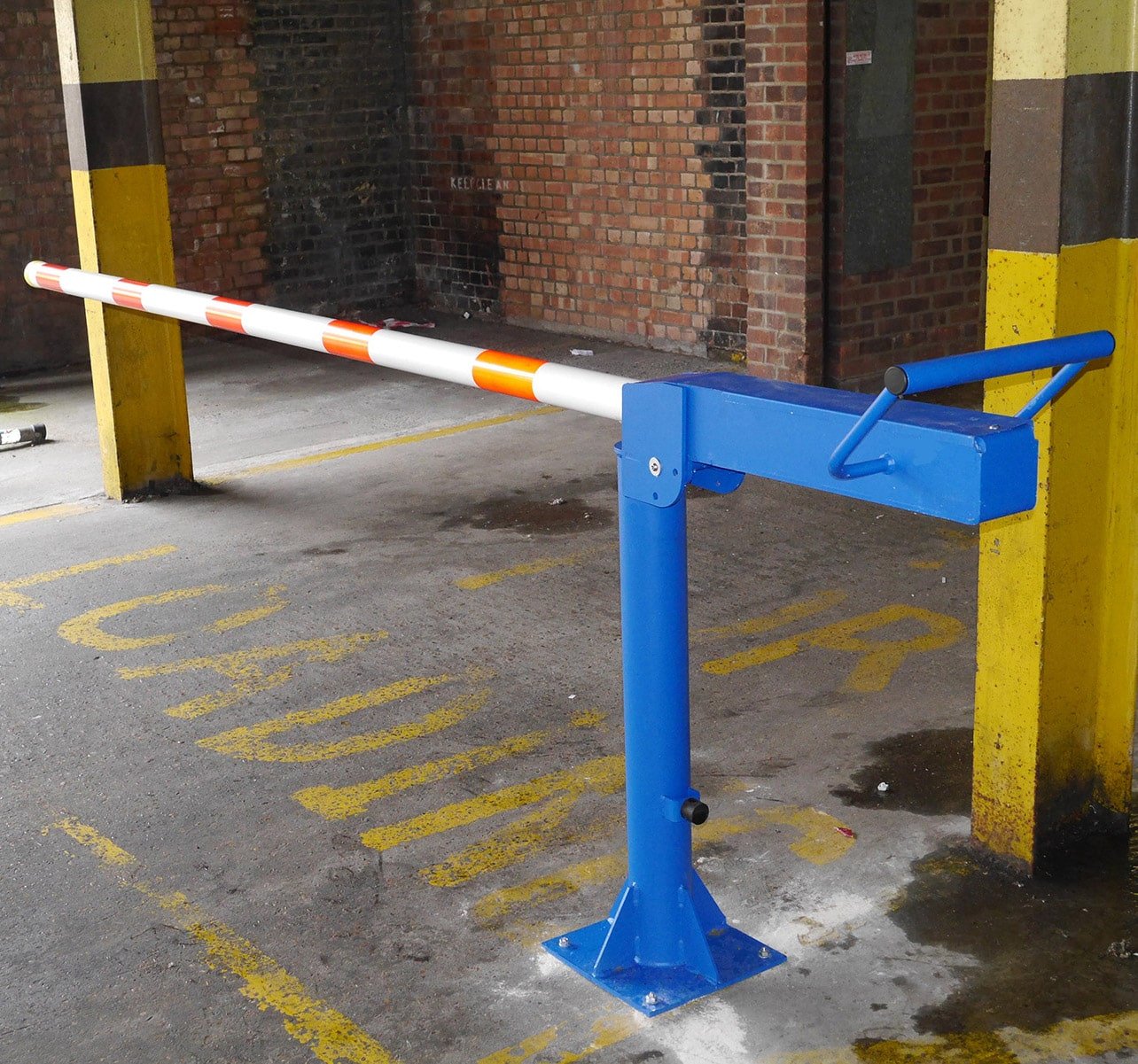
Managing who enters and exits a property isn’t just about foot traffic. For multifamily communities, commercial complexes, and mixed-use developments, vehicles represent a major point of access. Without the right system in place, parking areas can become congested, security risks increase, and residents or tenants may feel their spaces are being misused.
As such, vehicle access controloffers a structured approach to managing parking areas and gated entries. These systems help property managers maintain order, enforce rules, and prevent unauthorized vehicles from entering the premises. Whether it’s a residential building with limited guest parking or a commercial facility with fleet deliveries, vehicle access control adds a layer of visibility and control that benefits both operations and safety.
Common Challenges Without Vehicle Access Control
Properties without any type of vehicle access solution often face recurring issues. Unpermitted vehicles may take up spaces reserved for residents or tenants. In gated communities or lots, drivers may tailgate or follow authorized users to gain access, bypassing any security measures in place. Delivery vehicles might linger in drive lanes, making it difficult for residents to enter or exit efficiently.
Without a system to monitor vehicle movement, it’s also harder to investigate complaints or security incidents involving cars. Whether it’s damage in the parking garage or repeated misuse of guest parking spots, the absence of clear access records leaves property managers with limited options for enforcement or follow-up.
How Vehicle Access Control Helps
A vehicle access control system helps streamline entry for approved users while restricting unauthorized access. These systems can include keypads, RFID readers, license plate recognition, mobile credentials, or even QR codes. When integrated with other property technologies, they provide real-time data on vehicle entry and exit, helping managers oversee parking usage and traffic patterns.
Here are a few key ways vehicle access control supports daily operations:
Protects Resident And Tenant Spaces
With a defined system, only authorized vehicles can enter, reducing the risk of non-residents using the lot or garage. This helps maintain the availability of parking for those who live or work at the property and can cut down on complaints about crowded or misused spaces.
Improves Traffic Flow
Automated vehicle entry, especially through systems like license plate recognition or mobile credentials, speeds up entry and reduces congestion at gates or entrances. This is especially helpful during peak hours, when multiple vehicles arrive at once. Smooth traffic flow improves the overall experience for residents, guests, and delivery drivers alike.
Enhances Visibility And Documentation
With access logs tied to specific vehicles, managers have a clear record of who entered and when. This information can be helpful for resolving disputes, responding to incidents, or identifying patterns that indicate potential problems, such as repeated tailgating or after-hours entries.
Supports Guest And Vendor Management
Some systems allow for temporary access codes or digital passes that expire after a set time. This helps control parking for guests, vendors, and service vehicles, giving managers flexibility while still maintaining oversight. It also eliminates the need for physical guest permits or check-ins at a gatehouse.
Choosing The Right Vehicle Access Control System
Selecting a vehicle access solution depends on the layout of the property, the types of users, and the existing infrastructure.
Here are a few things to keep in mind when evaluating systems:
- Entry method:Consider how users will gain access. Some properties may benefit from license plate recognition, while others prefer fobs, cards, or mobile apps. Each method has its own management and maintenance requirements, so it’s essential to select one that aligns with the level of staffing and technical support available.
- Integration options:Look for systems that can integrate with your existing access control setup. If your property already uses mobile credentials or a resident portal, integrating vehicle access with that system creates a seamless experience for users and simplifies management tasks.
- Data and reporting features:Access logs, usage reports, and alerts for tailgating or failed entry attempts can be useful tools for managers. These features provide insight into how the property is being utilized and where policies may need to be adjusted.
- Guest access capabilities:Some systems offer ways to pre-authorize guest vehicles, either through digital passes or QR codes. This helps avoid manual tracking and gives residents or tenants an easy way to host visitors without compromising security.
Creating A Safer, More Organized Property
Vehicle access control may not be the first thing property managers consider when upgrading building security, but it plays a crucial role in maintaining order. It helps preserve space for those who live and work on the property, supports smooth traffic flow, and reduces the likelihood of unauthorized use.
With the right system in place, managers can gain the necessary oversight to run the property more effectively and enhance the experience for everyone on-site.

Darren Mcpherson
Author
Darren Mcpherson brings over 9 years of experience in politics, business, investing, and banking to his writing. He holds degrees in Economics from Harvard University and Political Science from Stanford University, with certifications in Financial Management.
Renowned for his insightful analyses and strategic awareness, Darren has contributed to reputable publications and served in advisory roles for influential entities.
Outside the boardroom, Darren enjoys playing chess, collecting rare books, attending technology conferences, and mentoring young professionals.
His dedication to excellence and understanding of global finance and governance make him a trusted and authoritative voice in his field.

Habiba Ashton
Reviewer
Habiba Ashton, an esteemed professional in Digital Marketing and Business, brings over 10 years of experience to the table. She holds a Master's degree in Marketing Management from Stanford University and is a certified Digital Marketing strategist.
Habiba has authored numerous articles on SEO, Social Media Marketing, and Branding, published across reputable platforms.
Her impactful projects have consistently driven growth and visibility for businesses, earning her accolades from clients and industry peers alike. One notable achievement includes leading a digital marketing campaign that resulted in a 30% increase in online sales for a major retail client.
Looking ahead, Habiba is committed to pioneering ethical digital marketing practices that prioritize customer trust and engagement. Her vision is to lead initiatives that foster a transparent and sustainable digital ecosystem for businesses and consumers alike.
In her free time, she enjoys cycling, stargazing, and staying updated on digital entertainment trends.
Latest Articles
Popular Articles