Washington DC Vs Austin As Tech Hubs | 18 Critical Differences That Matter
Choosing between Washington DC and Austin as a tech hub can shape your career or a new company. Check job openings, average pay and which industries are strongest and fit your needs before applying.
Author:Anderson PattersonReviewer:Darren McphersonNov 12, 2025376 Shares53.6K Views
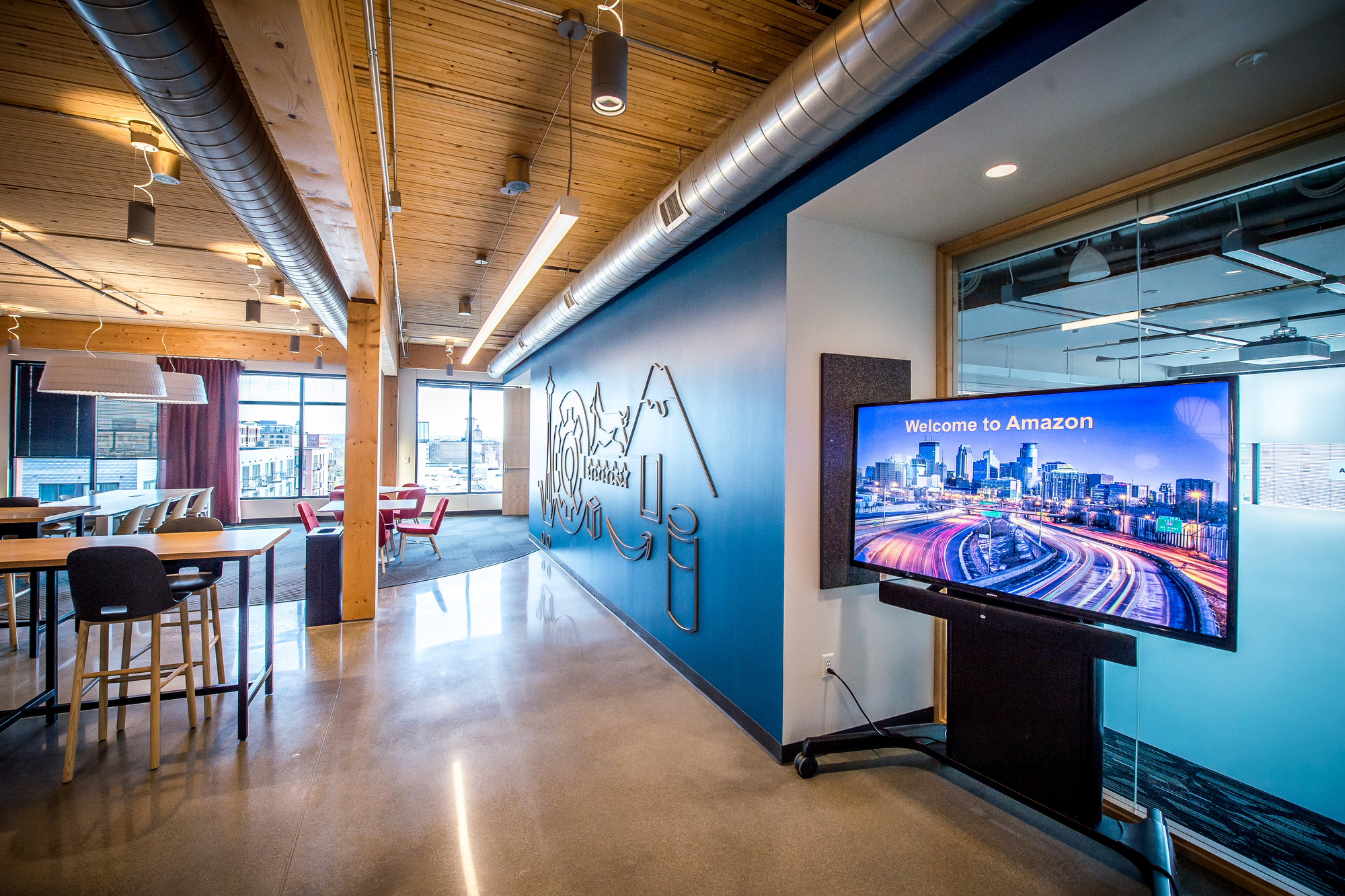
Washington DC and Austin are seen as rising tech centers, yet their tech communities and growth paths differ in major ways. DC currently ranks 5th in startup activity across the country, ahead of Austin and Seattle.
At the same time, Austin’s metro population has grown to about 2.5 million, with a steady flow of tech talent. Choosing between these two cities influences career growth, job focus, earning potential, housing costs, and overall lifestyle.
1. Industry Specialization And Tech Focus
Washington, D.C. Government-focused Technology
Washington, D.C. is a national center for security and government technology. The area has about 350% more cyber professionals than the rest of the United States combined. Beyond security, the region leads in government technology, regulatory tech, financial tech and defense innovation.
The presence of major global firms, top research centers and many federal offices creates steady demand for contractors and consultants serving public agencies. The mid-Atlantic area, Maryland, Virginia and D.C., provides skilled people, investment and chances to test new ideas.
Austin's Consumer-focused Innovation
Austin’s tech scene centers on products for everyday customers. Big companies like Tesla, Oracle and Meta have set up operations here, drawn by no state income tax and a culture that supports creative risk-taking.
The city leads in fields such as artificial intelligence, quantum research, health technology and creative software and events like SXSW boost its reputation. Austin favors startups that build hardware and consumer apps rather than firms that serve government contracts or strict compliance needs.
2. Venture Capital And Startup Financing
DC’s VC Growth
Washington, DC ranks as the fifth most developed venture capital ecosystemin the United States. Since Q3 2018, local VC funds have closed about $36.1 billion in commitments.
In 2021, Sands Capital in Arlington closed an $826 million Global Innovation Fund and QED Investors in Alexandria closed a $650 million fund. Cybersecurity firms in Austin and New York have attracted large VC sums.
DC’s funding pace is faster than most peers, even though its total historical capital is smaller. Many DC startups are smaller consulting or service businesses that rely on internal funding instead of chasing big venture exits.
Austin’s Startup Scene
Early-stage investment in Austin stayed strong through market swings, with roughly $2.2 billion invested in 2024. Key areas of growth include artificial intelligence, cybersecurity and data science.
Local groups such as Capital Factory, the Austin Technology Incubator, the Founders Institute and Plug and Play help founders build momentum and connect with investors. Austin tends to produce companies aimed at fast growth and large venture rounds, with a focus on exits, IPOs and acquisitions that deliver returns to institutional backers.
Links Between The Two Regions
Capital Factory partnered with the City of Washington, DC to launch STATION DC, a space for frontier tech leaders to meet federal and local officials. The move shows how Austin and DC influence each other and share resources across their startup communities.
3. Salary And Compensation Structures
Washington, DC's Premium Tech Pay
In 2025 the average tech pay in Washington, DC is $116,559 and continues to rise. Top roles include Cloud Architect at about $150,000, Machine Learning Engineer near $145,000, Data Scientist around $135,000 and Software Engineer roughly $160,686.
The city ranks fourth nationally for median tech earnings, with a median of $122,070. High pay reflects the local cost of living and the value of security clearances and government experience. Clearances can take months or years to obtain but often lead to larger pay packages.
Austin's Strong Growth, Lower Overall Pay
Austin’s median tech pay is $111,374 and tech wages have grown almost 30 percent over the past five years. An entry-level cybersecurity analyst averages $98,526, while experienced tech workers commonly earn about $144,000. Junior roles typically pay $80,000 to $115,000 and seasoned professionals fall in the $110,000 to $140,000 range.
Security engineers and architects can make between $130,000 and $210,000. On average, Austin pay runs $10,000 to $20,000 below DC for similar positions and experience. The absence of state income tax in Texas offsets part of that gap, someone earning $120,000 can save roughly $7,000 to $9,000 a year compared to DC tax costs.
4. Cost Of Living And Housing Affordability
Washington, D.C.'s High Living Costs
Washington, D.C. ranks among the most expensive of the 24 regions measured, with housing taking the biggest share of tech workers’ budgets. The city covers about 117 km² and has roughly 690,000 residents, which creates heavy demand for a small supply of homes.
Many people who work in D.C. live in Maryland or Virginia, bringing the metro population to about 6.35 million. That commuter pattern expands the effective market but can make the local scene feel spread out. Home prices are rising in Northern Virginia, while D.C. has limited listings at top prices.
Austin's Rising Costs And Lost Edge
Austin’s rapid growth has driven up living expenses and reduced the affordability that once attracted tech talent. Median home values rose sharply, pushing many middle-income households to suburbs or out of the region.
This shift also affects where companies locate, spreading development across the metro area. Despite Texas’s lower taxes, Austin’s price surge from 2020 to 2023 wiped out much of its cost advantage versus coastal tech centers. When total living costs are counted, Austin is now only slightly cheaper than Washington, D.C.
5. Tech Job Market Size And Growth
DC's Strong, Steady Technology Market
STATION DC opened with a $2 million investment and helped push the district toward becoming a major technology center. The DMV attracts tech professionals, boosted by Amazon’s HQ2 and more than 15,000 firms operating in the area.
Job listings in the capital region now outnumber those in cities like Austin. Work tied to government contracts and defense funding gives local roles extra stability. Demand for AI research scientists is forecast to grow about 20% by 2033, driven in large part by federal priorities for AI and cybersecurity.
Austin's Fast Growth And Concentration
Technology jobs make up about 16.3% of all roles in Austin, well above the 9% national average. The city added 9.8% more tech positions last year and gained talent from places such as San Francisco.
From 2019 to 2023, tech company density rose 25%, the third-largest increase among 20 metros studied. In 2024, tech firms accounted for over half of office leasing activity, which boosts opportunity during upswings but raises exposure to sector downturns. Key in-demand posts include AI engineers, cybersecurity analysts and cloud architects.
6. Major Corporate Presence
Washington, DC Area Contractors And Technology Firms
The DMV hosts more than 15,000 technology companies and drew Amazon’s HQ2, making the region a hub for both startups and established firms. Google, Apple and Facebook have large offices that work with government and private clients.
Big defense contractors such as Booz Allen Hamilton, Leidos, SAIC and Northrop Grumman also operate here, creating job paths tied to government work that often need security clearances. The area’s technology scene goes back to the dot-com era when AOL was based in Sterling, so local firms benefit from decades of experience and strong professional networks.
Austin's Major Tech Migration And Homegrown Leaders
Austin has attracted major names like Tesla, Oracle and Meta, and groups such as Opportunity Austin and the Austin Chamber helped bring these companies to the city. Dell, founded in Austin, keeps large operations in place while Apple runs a campus that employs thousands.
Google, Indeed and Amazon have built sizable engineering teams as well. The cluster of well-known firms gives workers many career options and makes it easy to move between employers without leaving the area, letting people build varied experience and local connections.
7. Startup Culture And Entrepreneurial Environment
DC's Consultancy And Contractor Mindset
In Washington, DC many companies build products for government clients in legal, regulatory, and defense areas. Sales often move slowly because of complex procurement rules.
Founders often bring deep subject knowledge from government or consulting but may lack experience with rapid user growth. In this market, relationships, access to decision makers and knowing policy are as important as engineering.
Austin's Growth And Scale
Austin’s scene pushes companies to grow fast and attract venture funding. The community celebrates big exits, IPOs, and acquisitions. Local organizations give strong support for launching and scaling new businesses and founders share advice and resources freely.
8. Talent Pipeline And Educational Institutions
DC’s Research And Government Workforce
The DC region has the highest share of college graduates among U.S. metros and with Baltimore, ranks third for life sciences research staff. Local universities train students in public policy, international affairs, government work and technical fields.
Georgetown, George Washington, the University of Maryland and Virginia Tech supply much of the DMV’s tech workforce. At the same time, the area lacks a top-tier research university on the scale of Stanford, MIT or UT Austin, which limits chances to turn lab research into new businesses.
Students across the mid-Atlantic are falling behind in STEM, which puts future cybersecurity hiring at risk. Most open cybersecurity roles ask for at least two years of experience, so schools alone cannot fill the demand.
Austin’s UT Engineering Engine
UT Austin produces large numbers of job-ready graduates in engineering, computer science and business and those programs rank among the nation’s best. The city is strong in AI, quantum computing and health technology and university research often leads to spin-off firms and entrepreneurial faculty.
Still, many people aiming for tech careers lack clear routes to good jobs, and existing training programs are not always visible to employers. Even with UT’s edge, more investment is needed to connect education with hiring.
9. Remote Work Dynamics And Flexibility
DC's Traditional Office-focused Culture
Many government contractors need staff on site for classified projects, strict security checks and meetings with clients, so remote options are limited compared with pure-play tech firms.
The region that covers DC, Maryland and Virginia is large and long commutes are common, which makes working from home less practical despite available tools. Some companies use hybrid schedules, but jobs that require security clearance must be done at the facility.
These constraints also push contractors to prioritize improving IT performanceby optimizing on-site networks, tightening access controls, and streamlining workflows so on-site work runs smoothly and securely.
Austin's Hybrid And Remote-friendly Environment
By 2025, more than half of Austin tech companies will offer remote options, giving people greater location freedom. Teams use tools that let members work at different times and hire talent across the country while keeping a local headquarters for in-person connection.
This approach helps firms attract workers from expensive coastal markets without asking them to relocate, letting employees enjoy Austin life while companies expand their candidate pool.
10. Cybersecurity Specialization Opportunities
DC's Leading Center For Cyber Work
Washington, DC has far more cyber professionals than the rest of the United States about 350% more, making it a top hub for this field. The region is often ranked the best place for security jobs. Strong government demand, venture capital and many experienced practitioners create a powerful local network.
Startups here can attract investors, though they sometimes struggle to explain their value compared with Silicon Valley firms. Pay is high, and government certifications often bring extra income.
Austin's Fast-growing Tech Security Market
Austin is expanding quickly, with cybersecurity jobs expected to rise about 28% by 2025. The area now hosts around 34 major security firms, from new companies to large providers.
Firms such as CrowdStrike and Cloudflare hire for cloud security and roles tied to machine learning and automation. Startups like HashiCorp and SparkCognition are pushing new ideas in protection.
Austin focuses more on commercial products, cloud platforms and enterprise tools, including tools businesses use to be more productiveand it does not match DC’s depth in government or defense work that needs security clearances.
11. Diversity, Inclusion, And Social Environment
DC's Diverse But Costly
Washington, DC has wide representation in government and many long-standing companies. Still, the high cost of living shuts out many people from underrepresented groups unless they have family support or big paychecks.
Government contracts and minority-owned business programs create formal paths that smaller startups often do not offer. As the nation’s capital, the region draws people from around the world and adds multicultural perspectives to its technology industry.
Austin's Inclusion Gaps And Cultural Strain
Austin talks a lot about inclusion, but women, people of color and other underrepresented groups still face problems in tech.
The city’s creative, independent culture is a strong draw, yet that local vibe sometimes clashes with statewide actions on LGBTQ+ rights, reproductive care and other social issues.
12. Tax Advantages And Financial Considerations
DC's Taxes Affect Pay
DC charges a local income tax that lowers take-home pay for tech workers, even when base salaries are high. Nearby Maryland and Virginia also tax residents who work in the city, so where you live matters for planning.
For people making about $120,000 a year, state taxes can total roughly $6,000 to $9,000 depending on filing and deductions. Those taxes support public services, transit and city amenities, which some workers value more than extra cash in their accounts.
Austin's Zero Income Tax Benefit And Trade-offs
Texas has no state income tax, which gives high earners a clear financial edge. Big tech firms like Tesla, Oracle and Meta have expanded there in part because of this rule and the startup scene. Someone earning about $130,000 could keep an extra $8,000 to $10,000 each year compared to similar earnings in DC.
That extra money can speed up debt repayment, boost investments, or fund lifestyle changes. Keep in mind Texas raises revenue through sales and property taxes, and home tax rates in Austin are higher than in many other cities, which can reduce savings for homeowners.
13. Cultural Lifestyle And Quality Of Life
Washington, D.C's History, Politics, And East Coast Energy
D.C. is compact and easy to get around on foot or by transit. Museums, monuments, and cultural centers are close by. The city draws people who work in government, policy, and public service.
The region values formality, professional networking, and career advancement through reputation. Success often means learning how government and large organizations work and building the right connections. You get four seasons and quick access to mountains and beaches.
Austin - Music, Outdoors And A Relaxed Pace
Austin grew into a tech and creative hub with music festivals, outdoor life, and active arts scenes. Rising living costs are forcing many musicians and artists to leave, which threatens the city’s creative character.
Keeping that culture is a key long-term issue. Warm weather, parks, live shows, and strong food culture attract people who want a better work-life balance and a more casual social scene than on the East Coast.
14. Tech Event Ecosystems And Networking
D.C.'s Policy-focused Gatherings
STATION DC will open a hub for major programs, launches, and sessions that teach policymakers about new tech and support public-private work. Events in D.C. mix technologists with lawmakers, regulators and defense leaders.
Common topics include cybersecurity, government innovation, regulatory compliance, and defense use cases. Networking centers on access to decision-makers, power relationships, and knowing legislative processes.
Austin's SXSW And Startup-focused Meetups
Events like SXSW bring tens of thousands of tech people, investors and creators each year and combine tech, music and film. The city also hosts many pitch nights, demo days and founder meetups run by groups such as Capital Factory and the Austin Technology Council.
Networking in Austin tends to be informal and focused on showing products, raising funds, and helping founders grow consumer-facing businesses.
15. Real Estate And Commercial Development
D.C.'s Limited Space And Strong Public-sector Demand
Washington’s small footprint and height limits keep the skyline low and limit new building. Northern Virginia’s data center market is central to the region’s tech infrastructure and demand for capacity continues despite a severe power transmission crisis.
Government agencies and contractors occupy much of the office space, leaving few Class A properties for private tech firms. Converting old buildings provides some new space but does not meet growing needs.
Austin's Fast Growth And New Construction
Austin’s skyline is changing with projects like Waterline at 98 Red River Street, a mixed-use tower that now ranks among the tallest in the state. Tech firms drove more than half of office leasing in 2024, keeping demand high.
The metro area is spreading into suburbs such as Round Rock, Georgetown, and Cedar Park. That growth eases central-city crowding but increases commuting and creates new development chances.
16. International Connectivity And Global Reach
DC's Global Capital Advantage
Washington DC sits next to foreign embassies, international groups, and policy makers. Firms that need government approvals, cross-border deals, or help with rules find this location useful.
Dulles International Airport links the area to Europe, Asia, and other major business centers. A strong overseas community creates more chances to meet partners and grow networks.
Austin's Domestic Focus With Growing Global Ties
Austin-Bergstrom Airport connects the city to other hubs but has fewer overseas routes than big coastal airports. Most tech firms in Austin serve US customers and markets. The city is drawing global interest as companies set up Americas headquarters and big tech opens offices.
Events like SXSW and tech press help spread Austin’s reputation. Moves by firms such as Oracle bring international teams and operations, slowly widening the city’s reach.
17. Career Progression And Mobility
DC's Structured Government Paths
Careers tied to government work follow clear steps: security clearances, certifications, and deep subject expertise. Contractors often move between firms while serving the same agencies, which supports steady employment and continuity.
Over time, institutional knowledge and relationships can matter more than raw technical skill. Base pay may trail startup offers, but total packages, benefits, stability, and pension plans, appeal to people aiming for long-term security.
Austin's Fast-moving Startup Mobility
Austin has many well-known tech employers, letting professionals change jobs without relocating. That variety helps people build wide experience and local connections. Startups push employees to learn quickly, take on bigger roles, and move up fast if they perform well.
Many advance inside growing companies or start new ventures. At the same time, startups bring higher risk: failures, layoffs, and market swings can create instability. Workers in Austin often weigh potential gains against security.
18. Future Growth Path And Sustainability
DC's Steady Evolution
DC’s tech scene rests on long-term government activity, giving it a stable base for continued growth. Federal spending shifts slowly, so change tends to be predictable rather than boom-or-bust.
Problems include falling economic mobility and coordination gaps across DC, Maryland, and Virginia, plus the lack of a top research university to spin out breakthroughs. Still, strengths in cybersecurity and government technology create defensible advantages.
Austin's Uncertain Momentum
Austin has become a major tech center, but the next test is making that success last. The city must grow companies from inside, keep living costs manageable, and make growth fair for more people.
If leaders do not address rules, housing pressure and diversity shortfalls, the current run of success could slow. If civic-minded tech leaders and local institutions focus on long-term, inclusive development, Austin can build a durable and broadly shared tech future.
FAQs About DC Vs Austin Tech Hubs
Which City Offers Better Salaries For Tech Professionals?
In 2025 the average tech pay in Washington DC was $116,559 and in Austin it was $111,374. DC’s median tech pay was $122,070, ranking fourth in the nation, while Austin’s median was close.
Is Cybersecurity Better In DC Or Austin?
DC has a very large cybersecurity sector with far more specialists and strong ties to federal defense and classified work. Austin’s cyber scene is growing.
Which City Has More Startup Opportunities?
DC raised more local startup funding and limited partner capital than Seattle or Austin, placing it among the top five VC ecosystems with about $36.1 billion in commitments.
Which City Has Better Work-life Balance?
Austin puts more emphasis on lifestyle. By 2025 over half of local tech firms offered remote work, the climate supports outdoor activities year-round and the culture values free time.
Are There More Government Tech Jobs In DC Or Austin?
DC is the clear leader for government technology. Its closeness to federal agencies, defense firms and intelligence groups creates many roles that require security clearances.
How Do The Cities Compare For Remote Work Opportunities?
By 2025 more than half of Austin tech companies offered flexible or fully remote roles, making it friendly to distributed teams and flexible schedules.
Final Thoughts
Washington, D.C. fits people in cybersecurity, government technology, defense and contracting. Austin leads in consumer tech, startups and fast career movement.
Compare both markets honestly, request salary offers, weigh housing costs against pay, and visit each place to see daily life. Talk with people who have moved between hubs, research firms in your specialty and start conversations with recruiters and hiring managers.
Also Check Out: The Impact Of AI On The Entertainment Industry
Jump to
1. Industry Specialization And Tech Focus
2. Venture Capital And Startup Financing
3. Salary And Compensation Structures
4. Cost Of Living And Housing Affordability
5. Tech Job Market Size And Growth
6. Major Corporate Presence
7. Startup Culture And Entrepreneurial Environment
8. Talent Pipeline And Educational Institutions
9. Remote Work Dynamics And Flexibility
10. Cybersecurity Specialization Opportunities
11. Diversity, Inclusion, And Social Environment
12. Tax Advantages And Financial Considerations
13. Cultural Lifestyle And Quality Of Life
14. Tech Event Ecosystems And Networking
15. Real Estate And Commercial Development
16. International Connectivity And Global Reach
17. Career Progression And Mobility
18. Future Growth Path And Sustainability
FAQs About DC Vs Austin Tech Hubs
Final Thoughts

Anderson Patterson
Author
Anderson Patterson, a tech enthusiast with a degree in Computer Science from Stanford University, has over 5 years of experience in this industry.
Anderson's articles are known for their informative style, providing insights into the latest tech trends, scientific discoveries, and entertainment news.
Anderson Patterson's hobbies include exploring Crypto, photography, hiking, and reading.
Anderson Patterson's hobbies include exploring Crypto, photography, hiking, and reading.
In the Crypto niche, Anderson actively researches and analyzes cryptocurrency trends, writes informative articles about blockchain technology, and engages with different communities to stay updated on the latest developments and opportunities.

Darren Mcpherson
Reviewer
Darren Mcpherson brings over 9 years of experience in politics, business, investing, and banking to his writing. He holds degrees in Economics from Harvard University and Political Science from Stanford University, with certifications in Financial Management.
Renowned for his insightful analyses and strategic awareness, Darren has contributed to reputable publications and served in advisory roles for influential entities.
Outside the boardroom, Darren enjoys playing chess, collecting rare books, attending technology conferences, and mentoring young professionals.
His dedication to excellence and understanding of global finance and governance make him a trusted and authoritative voice in his field.
Latest Articles
Popular Articles