What America’s Floors Reveal About Its Broken Safety Standards
Across the United States, falls have become a public-health burden with a price tag measured in lives, hospital admissions, and billions of dollars in medical costs.
Author:Karan EmeryReviewer:Frazer PughSep 06, 20261 Shares12 Views
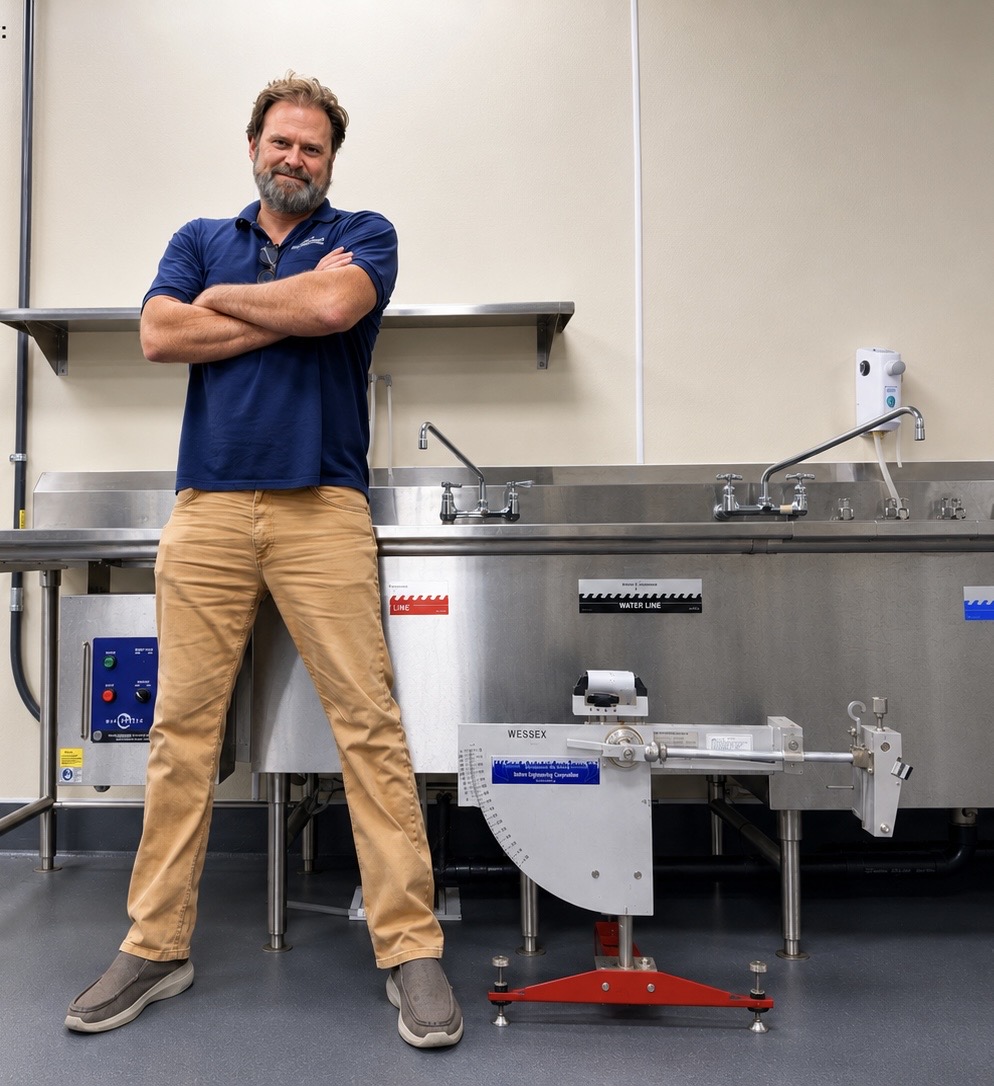
A fall can take less than a second. Its consequences, however, can last for decades.
Across the United States, falls have become a public-health burden with a price tag measured in lives, hospital admissions, and billions of dollars in medical costs. Among Americans aged 65 and older, more than 14 million people, roughly one in four, report falling each year. The age-adjusted death rate from falls in that population rose 21% between 2018 and 2024.
The scale becomes harder to dismiss when the numbers move from statistics to hospital doors. The CDC estimates that older adults account for around 3 million emergency-department visits and 1 million hospitalizations related to falls each year. Falls also remain the leading cause of injury-related death among Americans aged 65 and older.
Still, much of the public debate treats the slip-and-fall as an unfortunate moment, where someone loses their footing, a business deals with a claim, an insurer assesses its exposure, and life moves on. A slip is rarely just an accident; it is often the visible symptom of a system that never asked a floor to prove itself safe in the first place. This matters because it moves the conversation from individual carelessness to institutional choice, and institutional choices can be reversed by policy.
John Sotter, President of Safety Direct Americaand co-founder of the American Floor Safety Alliance, has made that problem the focus of his work, arguing that American businesses have been permitted to prioritize the visual appeal and maintenance advantages of flooring without giving equivalent weight to how safely people can walk across it. He argues that a preventable injury occurring in a commercial environment should be viewed as evidence of a standards problem, particularly at a time when other parts of the world, like Germany and the UK, have developed formal methods for evaluating pedestrian slip resistance.
Sotter’s criticism reaches further than flooring selection. He contends that the incentives surrounding an injury can become distorted once someone hits the ground. Medical providers may become involved, insurers have claims to process, attorneys may litigate, and expert witnesses can be called upon to assess whether a surface met an accepted standard.
The system, in his view, has developed a financial ecosystem around the aftermath of preventable injury incidents while giving comparatively less attention to preventing the accident itself. “The financial incentives are all leaning the other way,” he maintains.
There is evidence for the wider economic stakes. The CDC has previously estimatedthe annual medical costs associated with fatal and nonfatal falls among older Americans at approximately $50 billion. Sotter believes that figure exposes an uncomfortable policy question. If prevention can reduce an enormous downstream healthcare burden, why should the country continue accepting preventable environmental hazards as an ordinary cost of doing business?
The issue becomes especially striking when considered against international standards. Europe has established EN 16165, a standard specifying test methods for determining the slip resistance of pedestrian surfaces, including conditions in which people walk across trafficked areas. Sotter argues that the United States should be asking why comparable consistency has not become a stronger expectation across American commercial environments.
Sotter sees the status quo as economically entrenched. “People love shiny, glossy, polished, pretty floors, but the aesthetic associated with premium retail and hospitality environments can obscure the safety characteristics of the surface beneath customers’ feet,” he explains.
Insurance, meanwhile, can create another pressure point. Sotter argues that businesses may receive little incentive to act until claims accumulate or an insurer threatens to reconsider coverage. “Their only incentive is when the insurance company threatens to drop them,” he contends. That leaves prevention dependent on financial consequences arriving after harm has already occurred.
Sotter is taking that argument beyond the immediate question of safer flooring and into a wider examination of why preventable falls have become so entrenched in American life. His forthcoming book, How to Stop the Slip and Fall Epidemic in the USA, uses the issue as a starting point for a larger conversation about the standards, incentives, and policy choices that determine how seriously America treats preventable injury.
The policy question, in his view, is whether America should accept preventable environmental risk as an unavoidable feature of commercial life. His unequivocal answer is that stronger standardization would give businesses a measurable framework for making safer decisions before an injury occurs.
The blueprint for modern safety already exists. Sotter believes that the United States merely lacks the institutional nerve to implement it, remaining stuck in a loop of reactive litigation and voluntary guidelines. Resolving this crisis, he posits, requires a long-overdue exercise of political will: establishing federal standards with real teeth, transforming insurance models to reward prevention, and forcing corporations to treat risk metrics with the same unyielding gravity as a fire code.
Sotter remarks, “The rest of the industrialized world settled this question long ago. The data, the precedent, and the technology are already in place. All that is missing is the decision to act.”

Karan Emery
Author
Karan Emery, an accomplished researcher and leader in health sciences, biotechnology, and pharmaceuticals, brings over two decades of experience to the table. Holding a Ph.D. in Pharmaceutical Sciences from Stanford University, Karan's credentials underscore her authority in the field.
With a track record of groundbreaking research and numerous peer-reviewed publications in prestigious journals, Karan's expertise is widely recognized in the scientific community.
Her writing style is characterized by its clarity and meticulous attention to detail, making complex scientific concepts accessible to a broad audience. Apart from her professional endeavors, Karan enjoys cooking, learning about different cultures and languages, watching documentaries, and visiting historical landmarks.
Committed to advancing knowledge and improving health outcomes, Karan Emery continues to make significant contributions to the fields of health, biotechnology, and pharmaceuticals.

Frazer Pugh
Reviewer
Frazer Pugh is a distinguished expert in finance and business, boasting over 6 years of experience. Holding an MBA in Finance from Stanford University, Frazer's credentials underscore his authority and expertise in the field.
With a successful track record in executive roles and as a published author of influential articles on financial strategy, his insights are both deep and practical.
Beyond his professional life, Frazer is an avid traveler and culinary enthusiast, drawing inspiration from diverse cultures and cuisines.
His commitment in delivering trustworthy analysis and actionable advice reflects his dedication to shaping the world of finance and business, making a significant impact through his work.
Latest Articles
Popular Articles