What Homeowners Usually Miss After A Small Leak Or Flood
A small leak has a way of making itself look harmless. Maybe it is a little puddle under the sink, a damp spot near the washing machine, or a patch of discoloration on the ceiling that seems more annoying than urgent.
Author:Paolo ReynaReviewer:James PierceMar 19, 20264 Shares4K Views
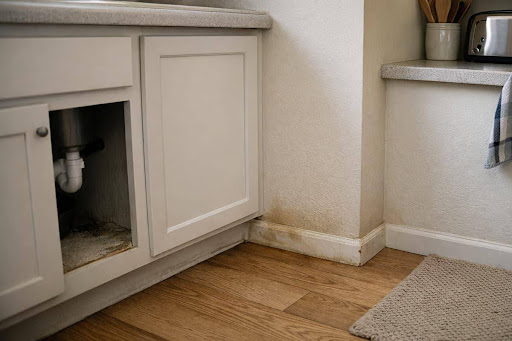
A small leak has a way of making itself look harmless. Maybe it is a little puddle under the sink, a damp spot near the washing machine, or a patch of discoloration on the ceiling that seems more annoying than urgent. Most homeowners have the same first thought: dry it, clean it, move on. That reaction is understandable. The problem is that water rarely limits itself to what you can see, which is why specialists in Boston restoration servicesoften remind people that the visible mess is only part of the story.
What gets missed most often is not the water itself, but what happens in the hours and days after it appears. Moisture slips into materials quietly. It spreads behind baseboards, into drywall, beneath flooring, and around insulation. By the time everything looks “basically dry,” the real damage may just be getting started.
And that is why the cleanup approach matters so much. A quick wipe-down may solve a surface problem, but it does not always solve a hidden moisture problem. Homeowners dealing with even a modest indoor leak often underestimate how important proper drying and inspection can be. In many cases, situations that seem small at first end up needing water damage restoration in Bostonbecause the water reached materials that were never fully dried in the first place.
They Focus On The Puddle, Not Where The Water Traveled
One of the most common mistakes after a leak or minor flood is assuming the water only affected the area where it was first noticed. Unfortunately, water is a talented traveler.
A drip from a pipe under the sink can soak the cabinet base, seep into the wall behind it, and spread into nearby flooring. A small appliance leak can move under trim and into adjacent rooms. A ceiling stain may actually mean water traveled from another area entirely before becoming visible.
Homeowners often clean the obvious area and stop there. That makes sense from a human perspective. If the puddle is gone, the crisis feels over. But houses do not work like that. Water follows gravity, gaps, seams, and absorbent materials. It can move farther than most people expect without leaving dramatic clues.
This gets even more important after weather events or drainage problems. What looks like “just a bit of water in the basement” may involve contaminated moisture, soaked framing, or damp stored materials that continue holding moisture long after the floor has been dried. In these cases, the issue is not just cleanup. It is often closer to flood damage restoration in Boston, especially when water intrusion was more widespread than it first appeared.
They Assume “Dry To The Touch” Means Fully Dry
This one catches a lot of people off guard. A surface can feel dry and still have moisture trapped underneath or behind it.
Drywall, wood, insulation, subflooring, and trim can all retain water below the visible surface. A laminate floor may look fine for a day or two before it starts to swell at the seams. A painted wall may seem normal until bubbling or staining appears later. Carpet padding can stay damp even after the top layer feels dry underfoot.
That is part of what makes small water events so deceptive. The room may look calm again, but hidden moisture can remain in place for days. And when that happens, the clock is still running.
This is especially true in enclosed areas with limited airflow. Under-sink cabinets, behind vanities, inside wall cavities, under flooring, and in corners near exterior walls are all common trouble spots. They do not dry quickly on their own, even when the room feels comfortable again.
So yes, fans help. Towels help. Opening a window helps. But none of those things automatically confirm that the affected materials are actually dry all the way through.
They Underestimate How Fast Secondary Problems Start
The leak itself is often only the first problem. The more expensive issues usually come later.
Once moisture sits in place, materials begin to change. Wood swells. Drywall softens. Adhesives weaken. Paint loses its grip. Musty odors develop. In some cases, mold starts growing before the homeowner even realizes the area is still damp.
That is what surprises people most. They think the real danger was the initial water event, when in reality the bigger issue is often the aftermath. A small leak on Monday can turn into warped flooring, damaged trim, or hidden microbial growth by the end of the week if the area was not thoroughly dried.
This is also why timing matters more than many homeowners realize. A minor problem addressed properly and immediately may stay minor. A minor problem that sits for several days while everyone hopes for the best can become a much more involved repair project.
And no, the house is not overreacting. Water just happens to be extremely efficient at making itself someone else’s problem.
They Forget To Check The “Boring” Materials
When people inspect damage, they usually look at the materials they notice first: the ceiling stain, the wet carpet, the damaged cabinet, the warped floorboard. But some of the most important materials to inspect are the boring ones that nobody gets emotionally attached to.
Things like:
- baseboards
- drywall backing
- insulation
- subfloors
- framing around windows and doors
- the underside of cabinets
- storage boxes and contents sitting against walls
These are not the glamorous parts of a home, but they often tell the real story. Water loves edges, seams, and hidden cavities. A baseboard that looks slightly swollen may indicate moisture behind the wall. A damp cardboard box in the basement may signal that water reached farther than expected. A cabinet toe-kick that looks a little off can mean the lower materials absorbed more moisture than anyone noticed at first.
People also tend to forget about air quality. Lingering moisture can create that stale, damp smell that makes a home feel off even when it looks clean. Sometimes homeowners repaint or scrub surfaces without addressing the reason the smell is there. If the underlying material remains damp, the odor usually comes back, because the real issue was never removed.
They Treat Every Water Event Like A DIY Job
It is true that some leaks are manageable with a prompt, careful DIY response. A small spill or an isolated drip caught early does not always require outside help. But many homeowners swing too far in the other direction and assume every water issue is a mop-and-fan problem.
That is where trouble begins.
DIY cleanup usually works best when the water is limited, clean, visible, and easy to reach. It becomes less reliable when moisture has moved into porous materials, sat for longer than expected, or come from a source that may be unsanitary. It also becomes risky when nobody is really sure how far the water spread.
The challenge is not effort. Most homeowners are willing to work hard. The challenge is verification. Without the right tools or experience, it can be difficult to know whether the area is actually dry, whether materials were compromised, and whether hidden sections of the home were affected.
That does not mean every small leak turns into a major restoration project. It just means confidence should come from evidence, not from the fact that the room looks less messy than it did yesterday.
They Wait For “Proof” Before Taking It Seriously
A lot of homeowners do not act until the house gives them undeniable proof that something is wrong.
They wait for the paint to bubble.They wait for the floor to warp.They wait for the smell to get stronger.They wait for discoloration to spread.
The problem with waiting for proof is that proof usually arrives late.
By the time the warning signs become obvious, the moisture has often been in place long enough to affect more materials, create more work, and increase the cost of repair. Early action is rarely dramatic, but it is often what keeps the situation from becoming dramatic later.
A smarter approach is to respond based on risk, not just appearance. If water entered materials that do not dry easily, if the leak lasted longer than expected, or if anything still seems damp, discolored, or musty, it is worth treating the situation seriously before the house starts making the decision for you.
Conclusion
What homeowners usually miss after a small leak or flood is not just hidden moisture. They miss the way water behaves after the obvious mess is gone. They miss how fast it spreads, how quietly it lingers, and how easily minor damage turns into a more expensive repair.
The visible puddle is only the beginning. What matters just as much is where the water traveled, what materials absorbed it, and whether the area was truly dried before normal life resumed.
That is why the best response is usually a fast, calm, thorough one. Not panicked. Not careless. Just realistic.
Because in most homes, the difference between a small inconvenience and a major repair is not always the size of the leak. It is what gets missed right after it happens.
Jump to

Paolo Reyna
Author
Paolo Reyna is a writer and storyteller with a wide range of interests. He graduated from New York University with a Bachelor of Arts in Journalism and Media Studies.
Paolo enjoys writing about celebrity culture, gaming, visual arts, and events. He has a keen eye for trends in popular culture and an enthusiasm for exploring new ideas. Paolo's writing aims to inform and entertain while providing fresh perspectives on the topics that interest him most.
In his free time, he loves to travel, watch films, read books, and socialize with friends.

James Pierce
Reviewer
James Pierce, a Finance and Crypto expert, brings over 15 years of experience to his writing. With a Master's degree in Finance from Harvard University, James's insightful articles and research papers have earned him recognition in the industry.
His expertise spans financial markets and digital currencies, making him a trusted source for analysis and commentary. James seamlessly integrates his passion for travel into his work, providing readers with a unique perspective on global finance and the digital economy.
Outside of writing, James enjoys photography, hiking, and exploring local cuisines during his travels.
Latest Articles
Popular Articles