What Is A Wrongful Death Claim - And What Circumstances Might Lead To One?
Accidents are the fourth leading cause of death in America. According to the CDC, almost 300,000 people died from accidents in 2020 alone.
Author:Frazer PughReviewer:Emmanuella SheaAug 29, 202226.3K Shares479.6K Views
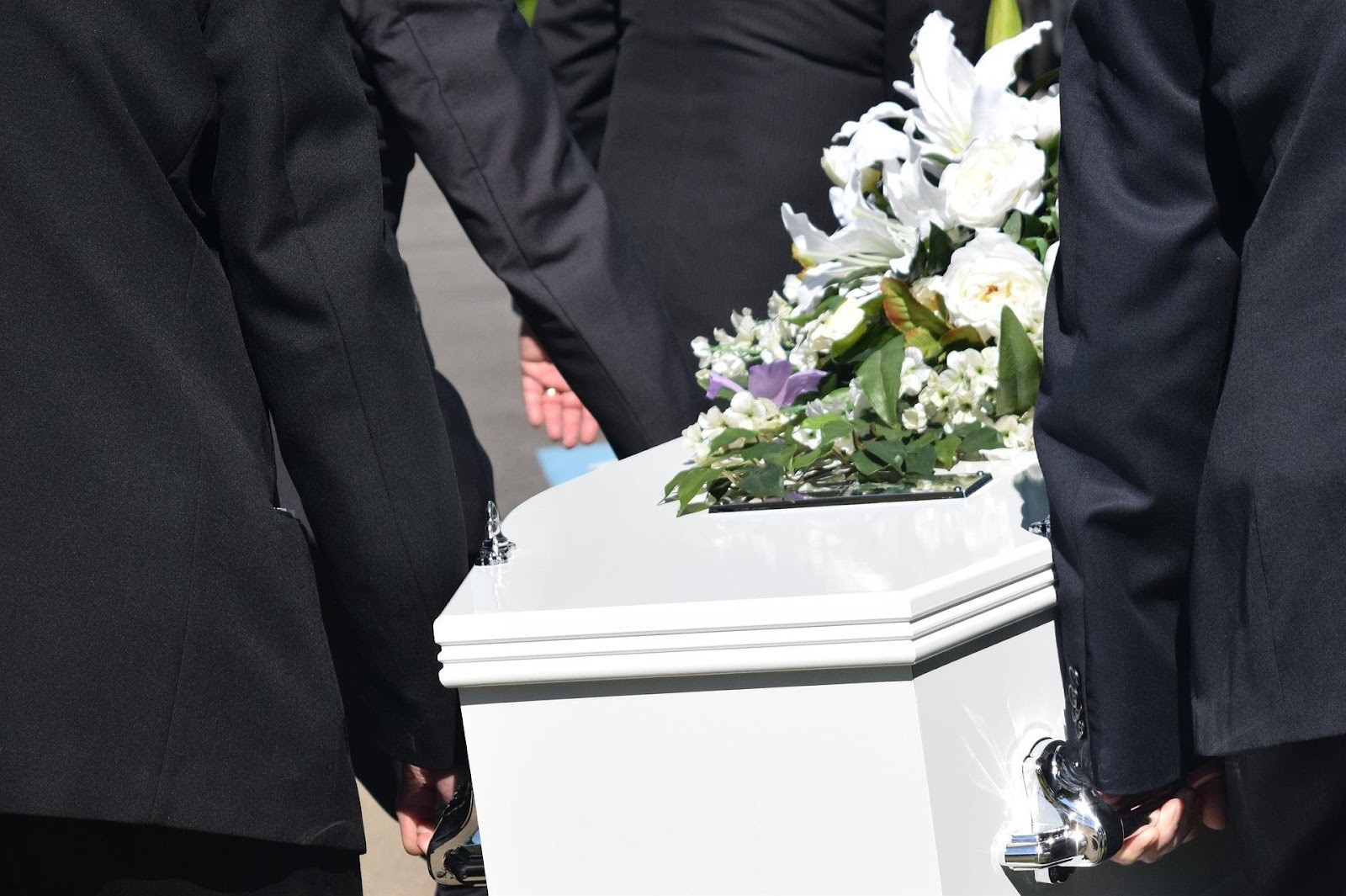
Accidents are the fourth leading cause of death in America. According to the CDC, almost 300,000 people died from accidents in 2020 alone. It is easy to look at numbers as a statistic, but it may not be so for families of the people that died in the accidents.
To some, it probably meant the loss of the sole breadwinner, a spouse, a sibling, a parent, or a child. While most accidents are not intentional, most occur because of human error. When that error is made by another person resulting in death, the bereaved parties have a right to sue for wrongful death.
What Is Wrongful Death?
As the name suggests, wrongful deathrefers to death resulting from another party's actions or inactions, which can be referred to as negligence in legal terms. There is no requirement that the actions leading to the accident be intentional, a simple mistake that results in death gives grounds for liability.
For example, if a loved one suffered fatal injuries in an establishment's parking lot due to ice buildup in a slip and fall accident, the establishment will be liable for the accident.
How to Get the Support You Need With Your Wrongful Death Claim
The loss of a loved one is enough to make the strongest of people feel powerless. At such a time, you need someone who can be there for you, and a lawyer can become that person. Having a lawyer when facing wrongful deathclaims can help in several ways.
For example, they will command respect meaning the other side won't take advantage of you. Your lawyer will also help you negotiate the best outcome or represent you should the case go to trial.
Proving Wrongful Deaths
To succeed in a wrongful death claim, you must prove negligence, which may not be easy if you do not have a lawyer. To prove negligence, the following four elements of negligence must exist:
- Duty of care: The defendant must have owed the deceased duty of care. Duty of care can vary depending on the type of accident. For example, a doctor owes their patient a standard of care any reasonable doctor would under the circumstances. This duty of care starts the moment a doctor-patient relationshipis established.
- Breach of care: If the defendant fails to provide standard care, for example, a grocery store owner fails to repair a stairway, thus causing an accident, they can be said to be in breach of duty of care. The same case would apply to a doctor that deviates from the standard of care.
- Causation: Breach of care in itself is not enough to prove negligence. There are situations where the breach of care may not result in harm. Under such circumstances, the defendant may not be liable for an accident. There must be proof that the breach caused an accident.
- Damages: An accident does not always create grounds for liability. However, if it results in injuries, the defendant will be liable for damages. If the injuries are fatal, the victims' dependents have grounds for a wrongful death lawsuit.
Recoverable Damages in a Wrongful Death Claim
Recoverable damages for wrongful deaths vary widely and can depend on how the death occurred. If the accident started with physical injuries requiring medication, but the loved one finally dies, medical expenses are recoverable. Other damages include funeral expenses, loss of income and capacity to earn an income, and loss of consortium.
Where wrongful death results from gross negligencesuch as driving while intoxicated or intentional conduct, your lawyer can advise you to pursue punitive damages. Also, the defendant could face separate criminal charges for their conduct.

Frazer Pugh
Author
Frazer Pugh is a distinguished expert in finance and business, boasting over 6 years of experience. Holding an MBA in Finance from Stanford University, Frazer's credentials underscore his authority and expertise in the field.
With a successful track record in executive roles and as a published author of influential articles on financial strategy, his insights are both deep and practical.
Beyond his professional life, Frazer is an avid traveler and culinary enthusiast, drawing inspiration from diverse cultures and cuisines.
His commitment in delivering trustworthy analysis and actionable advice reflects his dedication to shaping the world of finance and business, making a significant impact through his work.

Emmanuella Shea
Reviewer
Emmanuella Shea is a distinguished finance and economics expert with over a decade of experience. She holds a Master's degree in Finance and Economics from Harvard University, specializing in financial analysis, investment management, and economic forecasting.
Her authoritative insights and trustworthy advice have made her a highly sought-after advisor in the business world.
Outside of her professional life, she enjoys exploring diverse cuisines, reading non-fiction literature, and embarking on invigorating hikes.
Her passion for insightful analysis and reliable guidance is matched by her dedication to continuous learning and personal growth.
Latest Articles
Popular Articles