What Makes A Facelift Look Natural?
A facelift can define the jawline while still looking unmistakably like the same person. A smile can keep its familiar shape.
Author:Dexter CookeReviewer:Frazer PughNov 18, 2026
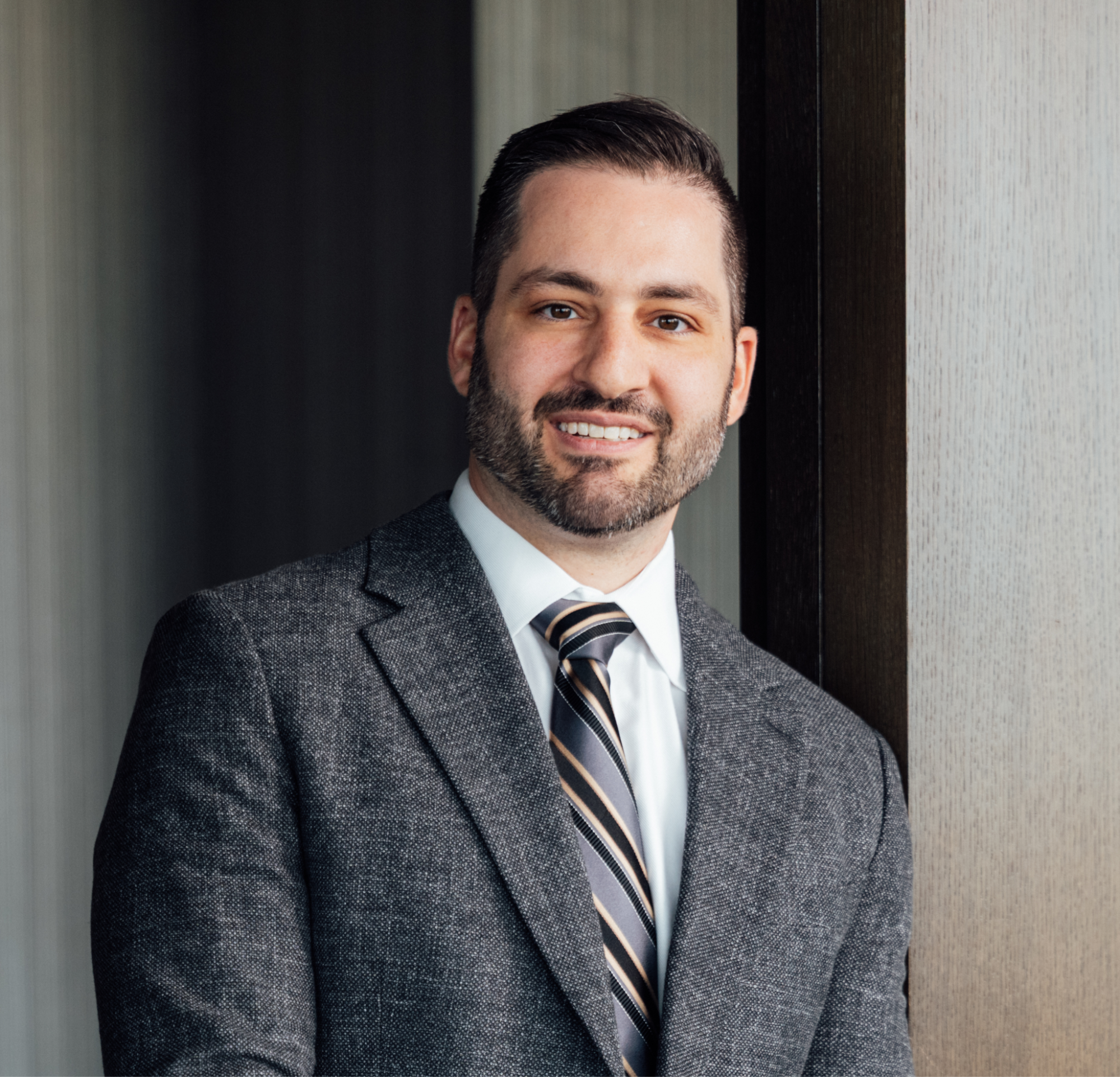
A facelift can define the jawline while still looking unmistakably like the same person. A smile can keep its familiar shape. Even the small folds that appear when someone laughs can feel right at home on a face that looks a little less tired. For board-certified Washington, DC area plastic surgeon Dr. James Economides, the founder and medical director of Ikon Plastic Surgery, those details help explain what people mean when they ask for a natural result. “When someone says, ‘I still want to look like myself,’ that tells me what I need to protect,” Economides says. “The shape of the cheeks, the way the smile sits, the relationship between the jaw and the neck. Those details are part of how we recognize a face.”
Why Modern Facelifts Go Beneath The Skin
Some earlier facelift techniques relied heavily on removing excess skin and pulling the remaining skin tighter. That could improve sagging, but too much tension could flatten the face or leave a sideways pull around the mouth. Over time, surgeons developed ways to reshape and support the tissues underneath, giving them more control over what moves and where it settles.
Many modern techniques address the superficial musculoaponeurotic system, or SMAS, a layer of connective and muscular tissue beneath the skin. Surgeons can fold and secure this layer with sutures or lift and reposition it, depending on the approach. In a deep plane facelift, the surgeon works beneath the SMAS and releases selected ligaments that anchor the tissues. This allows the skin and underlying tissue to move together in the areas being lifted.
“Think about a jowl,” Economides says. “If you look only at the skin, you miss what’s happening underneath it. Once you address the tissue contributing to that heaviness, you can lay the skin back down with less tension.”
The Direction Of The Lift Matters
The direction a surgeon moves tissue changes how the result reads from across a room or in profile. Moving the cheek and lower face along the same line can overlook the fact that they have aged differently. For example, a patient may have fullness that has shifted downward in the cheek, along with loose tissue that interrupts the jawline. Each area calls for its own judgment about how much movement it needs and in which direction.
“You can improve the outline of the jaw without making it look unusually sharp for that person,” Economides says. “I’m looking at how the jaw fits with the chin and the rest of the face. That’s what tells me when I’ve done enough.”
Deep plane and other SMAS approaches can both produce aesthetic improvements. Direct comparisons are limited, so a technique’s name alone says little about how it will suit an individual patient. Skin quality, tissue thickness, facial proportions and prior surgery all help shape the plan.
The Details Around The Ear And Hairline
A facelift can look convincing from the front and draw attention from the side if the earlobe appears tugged down or the sideburn sits higher than it used to. Surgeons plan incisions around the ear's contours and, where appropriate, along or within the hairline. The placement depends in part on where the hair naturally grows and how the skin will settle once it is redraped. Minimizing tension at closure can also help protect the earlobe's shape and reduce the chance of conspicuous scarring.
“I want to look at the result the way a patient will see it getting ready in the morning,” Economides says. “What happens when you tuck your hair behind your ear? Does the sideburn sit where you expect it to? Those are small things until you’re the person looking in the mirror.”
Scars generally fade as they mature and can remain visible. Healing varies, and facelift surgery carries risks including bleeding, infection, nerve injury and unfavorable scarring. A consultation should cover those risks alongside the changes a patient hopes to see.
Knowing When To Leave Well Enough Alone
Aging changes the face in several ways at once. Tissue can descend while areas such as the cheeks or temples lose fullness. Fine lines and uneven texture involve the skin itself. A facelift primarily addresses laxity and tissue position. If a patient also wants to address volume loss or skin texture, options such as fat grafting or resurfacing can be discussed separately and weighed against the patient’s goals and tolerance for recovery.
“Sometimes a patient points to a fold and asks if I can take it away completely,” Economides says. “I’ll look at what that fold does when they smile. If softening it gives them the improvement they want, there may be a good reason to leave some of it.”
Before-and-after photographs can help patients put that idea into concrete terms. Comparing front, profile and three-quarter views taken in similar light can reveal whether a jawline looks balanced from different angles and how the cheek transitions into the lower face. Photographs taken after healing also give patients a clearer sense of how the tissues and incisions may settle.
For Economides, the most telling view may be the one a still photograph cannot capture. “I think about how that face will look in conversation,” he says. “When someone smiles across the dinner table, you want to recognize the same expression you’ve seen a hundred times. That’s the part worth keeping.”
Dexter Cooke
Author
Dexter Cooke is an economist, marketing strategist, and orthopedic surgeon with over 20 years of experience crafting compelling narratives that resonate worldwide.
He holds a Journalism degree from Columbia University, an Economics background from Yale University, and a medical degree with a postdoctoral fellowship in orthopedic medicine from the Medical University of South Carolina.
Dexter’s insights into media, economics, and marketing shine through his prolific contributions to respected publications and advisory roles for influential organizations.
As an orthopedic surgeon specializing in minimally invasive knee replacement surgery and laparoscopic procedures, Dexter prioritizes patient care above all.
Outside his professional pursuits, Dexter enjoys collecting vintage watches, studying ancient civilizations, learning about astronomy, and participating in charity runs.

Frazer Pugh
Reviewer
Frazer Pugh is a distinguished expert in finance and business, boasting over 6 years of experience. Holding an MBA in Finance from Stanford University, Frazer's credentials underscore his authority and expertise in the field.
With a successful track record in executive roles and as a published author of influential articles on financial strategy, his insights are both deep and practical.
Beyond his professional life, Frazer is an avid traveler and culinary enthusiast, drawing inspiration from diverse cultures and cuisines.
His commitment in delivering trustworthy analysis and actionable advice reflects his dedication to shaping the world of finance and business, making a significant impact through his work.
Latest Articles
Popular Articles