Best Things To Do In Washington DC At Night | 40 Ideas For Couples, Families, And Kids
Author:Iram MartinsReviewer:Frazer PughSep 17, 2026154 Shares4.2K Views
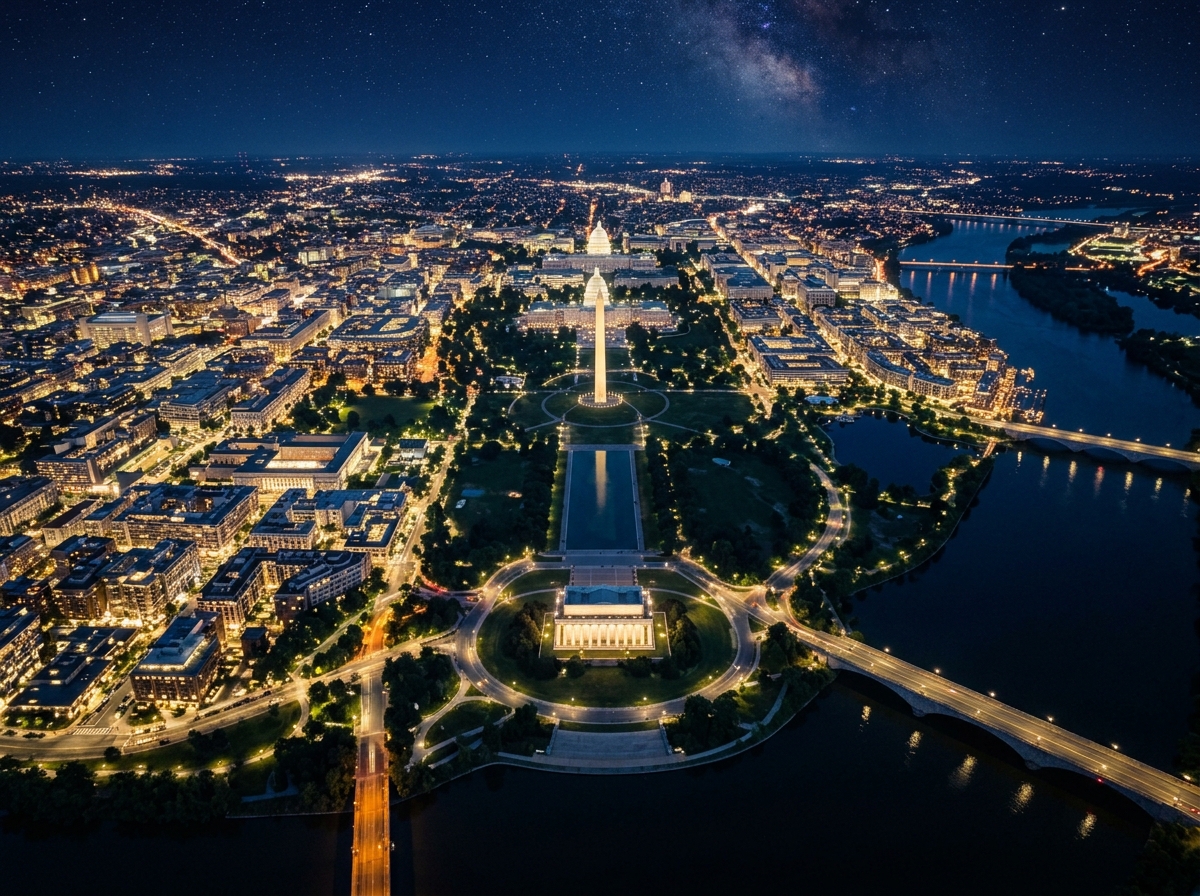
Washington closes its office doors around five, but the city itself doesn't. Once the workday crowd clears out, the marble monuments along the Mall take on a warm, floodlit glow, the restaurant corridors in Georgetown and The Wharf fill with dinner reservations, and a genuinely different version of the capital comes into view. It's quieter in some corners and considerably livelier in others, and figuring out which is which for your trip is the real challenge.
This guide sorts forty specific things to do after dark by who you're actually traveling with, since a couple celebrating an anniversary needs a completely different night than a family with a seven-year-old in tow. Prices, neighborhoods, and timing windows are all built into each entry, so you can pick your evening without overthinking.
Key Takeaways
- Free options are concentrated on the National Mall and around the Tidal Basin, and they never require advance booking.
- Adult nightlife clusters in Georgetown, Adams Morgan, and U Street, typically $15 to $45 per person for drinks or a cover charge.
- Family activities like Ford's Theatre or a Nationals game run $25 to $150 or more depending on seats and the night.
- Kid-focused activities are seasonal: ZooLights and the National Christmas Tree run only in winter, while s'mores and outdoor movies run in the warmer months.
- The Kennedy Centre is closed through 2028 for renovation, so check where a specific performing company relocated before you book anything around it.
Is It Safe To Explore Washington DC At Night?
The short version is that DC's most visited nighttime spots are also its safest ones, and the areas that call for more caution are the same ones you'd be more careful in during a late night in most major cities.
The National Mall, downtown, and the immediate area around the monuments carry heavy foot traffic and consistent lighting well into the night, which is a big part of why so many walking and trolley tours are built around that exact stretch. Capitol Hill has a visible law enforcement presence because it sits so close to the Capitol building, and that presence tends to make evening walks there feel notably calmer than in a typical residential neighborhood after dark.
Areas farther from the tourist core, including some stretches near H Street NE, are genuinely fine with a friend or two but aren't the best pick for a solo walk very late at night. Standard big-city precautions apply everywhere beyond the monument core. Stick to lit streets, keep your phone and valuables out of sight, and lean on a rideshare instead of walking if you're heading somewhere unfamiliar after midnight.
Best Things To Do In Washington DC At Night For Adults
This section is built for a date night, a girls' trip, or simply an evening without kids in tow, and every pick here involves an admission fee, a cover charge, or at least a drink minimum, which is exactly the trade-off for skipping the free monument circuit.
1. Sip Cocktails At A Hidden DC Speakeasy
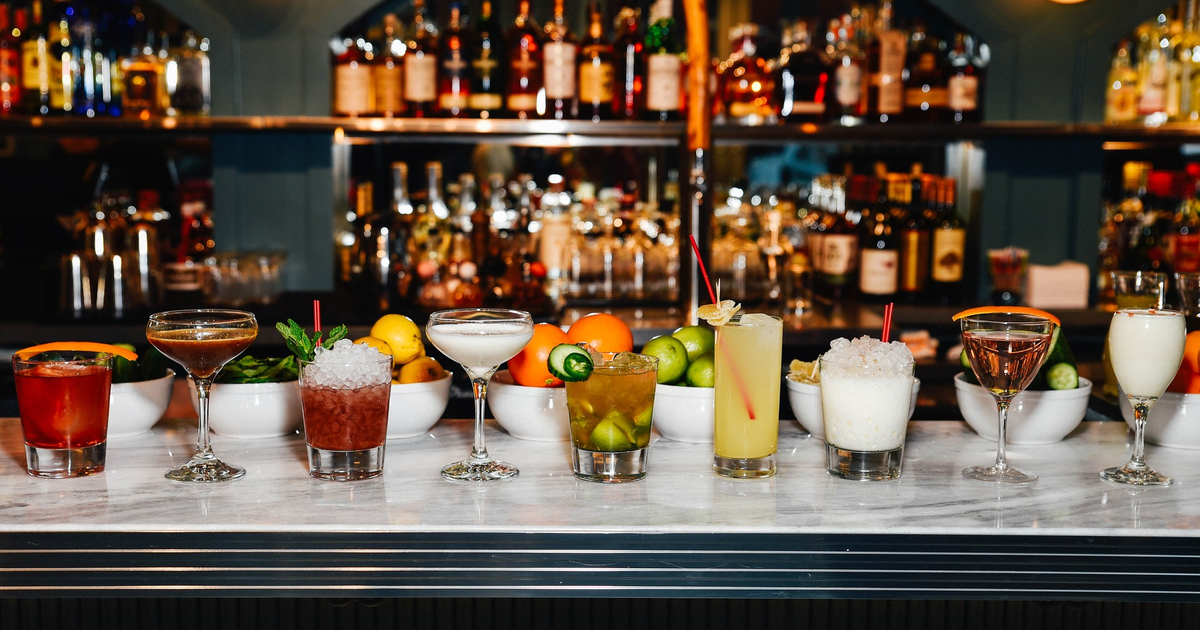
DC has developed a genuine speakeasy scene over the past decade, tucked behind unmarked doors and heavy curtains in Shaw, Logan Circle, and Adams Morgan. A well-known example is Southwest's Columbia Room, which pours multi-course cocktail tasting flights built around a rotating seasonal theme rather than a standard drink menu. The whole point of these bars is the reveal: walking through what looks like a coat closet or a bookshelf and landing in a dimly lit, intentionally intimate room.
Expect to pay roughly $18 to $24 for a single cocktail, with the full tasting experience running considerably higher, often into the $75 to $100 range per person. Seating is limited by design, so booking a table two to three weeks ahead for a weekend visit is worth the effort rather than showing up and hoping for a walk-in spot.
2. Watch The Skyline From A Rooftop Bar
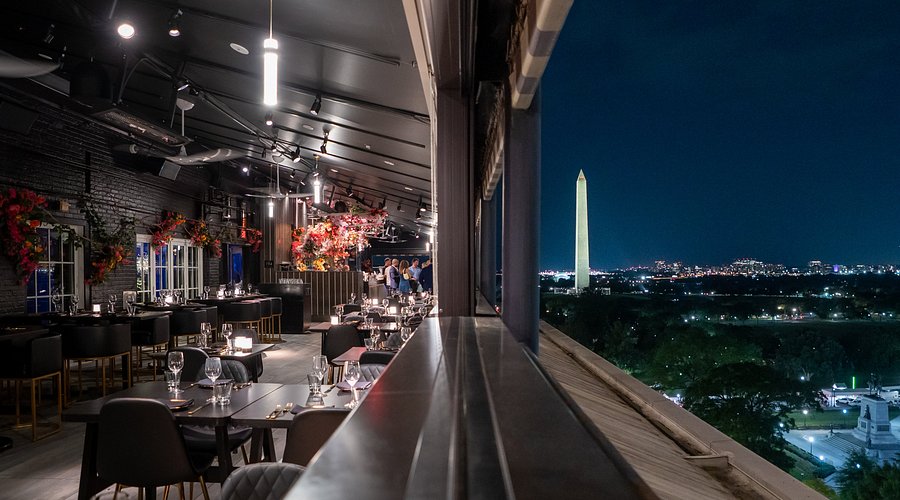
Rooftop bars clustered near downtown and Foggy Bottom put the Washington Monument and, on a clear night, the White House itself directly in your sightline while you drink. The appeal here isn't really the cocktail list; it's the view, and most of these spots lean into that with floor-to-ceiling glass or fully open-air seating depending on the season.
Cocktails typically run $15 to $19, with a smaller plates menu usually available if you want to turn the visit into a light dinner. Weeknight evenings tend to be calmer and make it much easier to grab a table without a wait, while weekends bring a younger, louder crowd and sometimes a modest cover charge after a certain hour.
3. Catch Live Jazz Or Blues At An Intimate Club
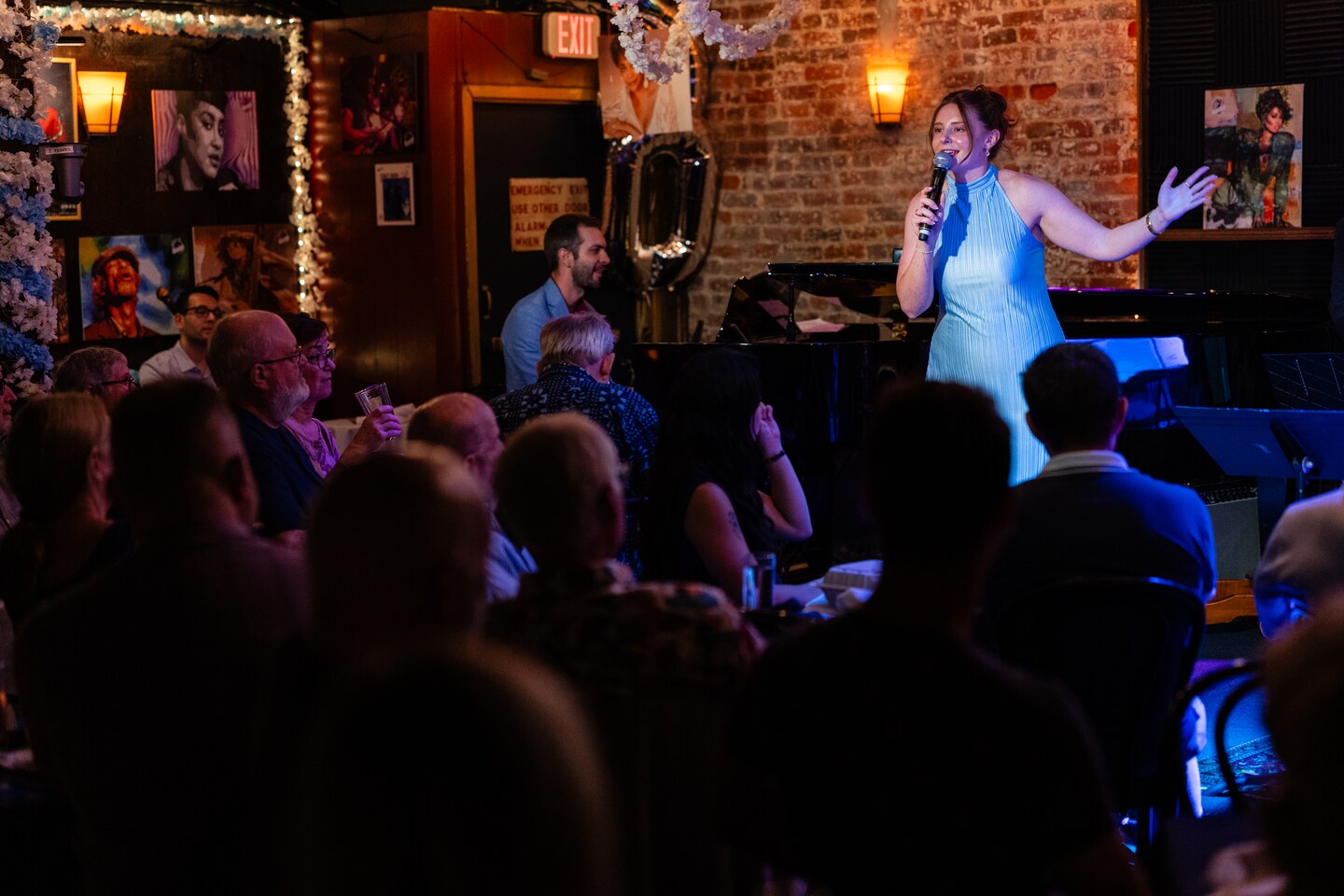
Georgetown's Blues Alley has hosted touring jazz and blues acts since the 1960s in a small room where every seat feels close to the stage. It's the kind of venue where the performer can see the whole room, and the sound carries in a way that larger concert halls simply can't replicate.
Cover charges usually run $25 to $45 depending on who's performing that night, plus a food and drink minimum of roughly $12 to $15 per person on top of that. Reserving aheadmatters here, especially for weekend sets featuring a well-known name, since the room's small size means it sells out faster than a typical concert venue would.
4. Laugh It Up At A Comedy Club
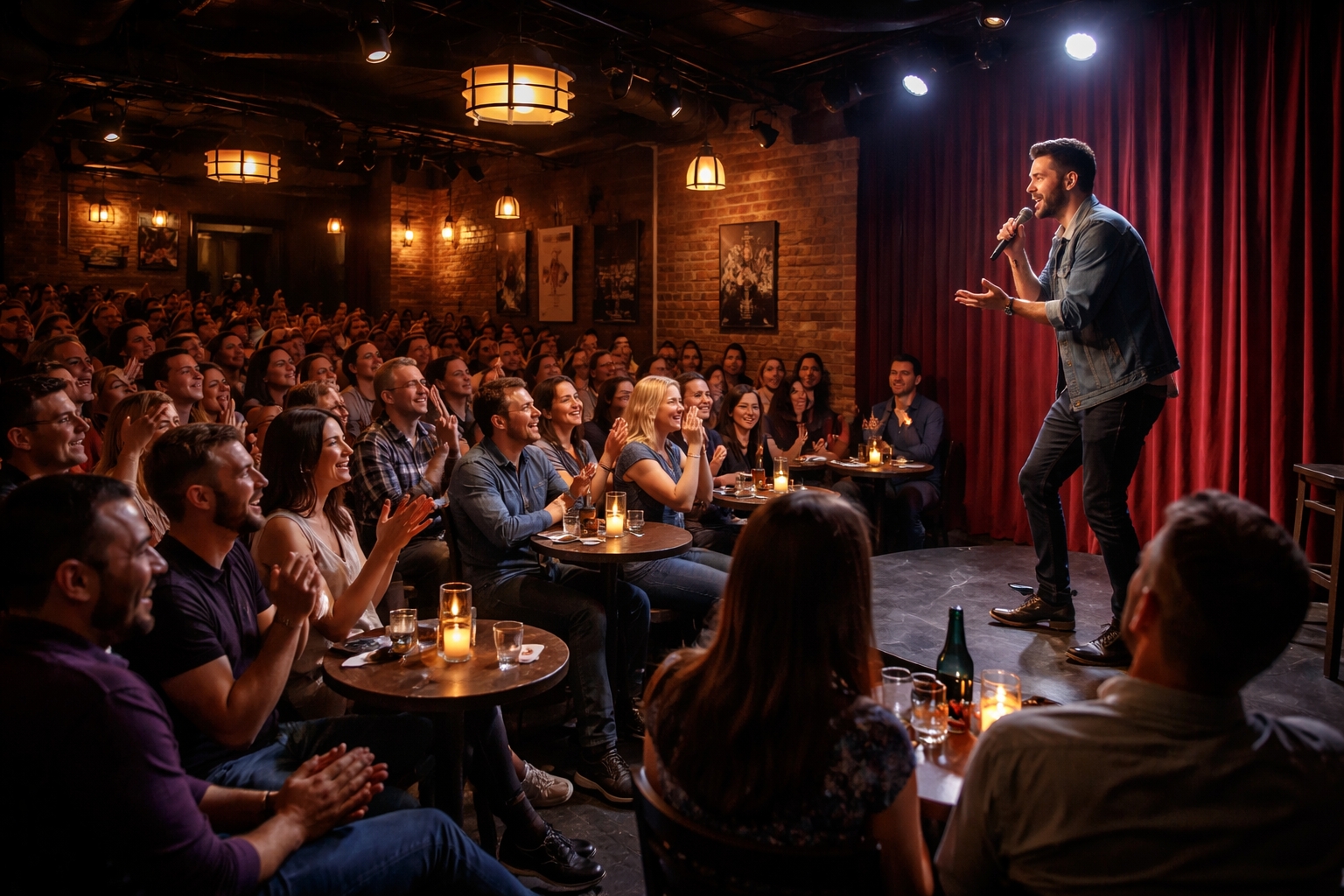
DC Improv and smaller rooms like Capital Laughs bring in a mix of touring headliners and local up-and-coming comedians most nights of the week, which makes a comedy club one of the more reliable evening options if you're trying to plan around a specific date rather than a specific act.
Tickets generally run $20 to $35 depending on the night and the performer's profile. Some shows add a two-drink minimum on top of the ticket price, which can add another $15 to $20 to the total, so factor that into your budget before you arrive rather than being surprised at the table.
5. Take An Adult-Oriented Haunted History Tour
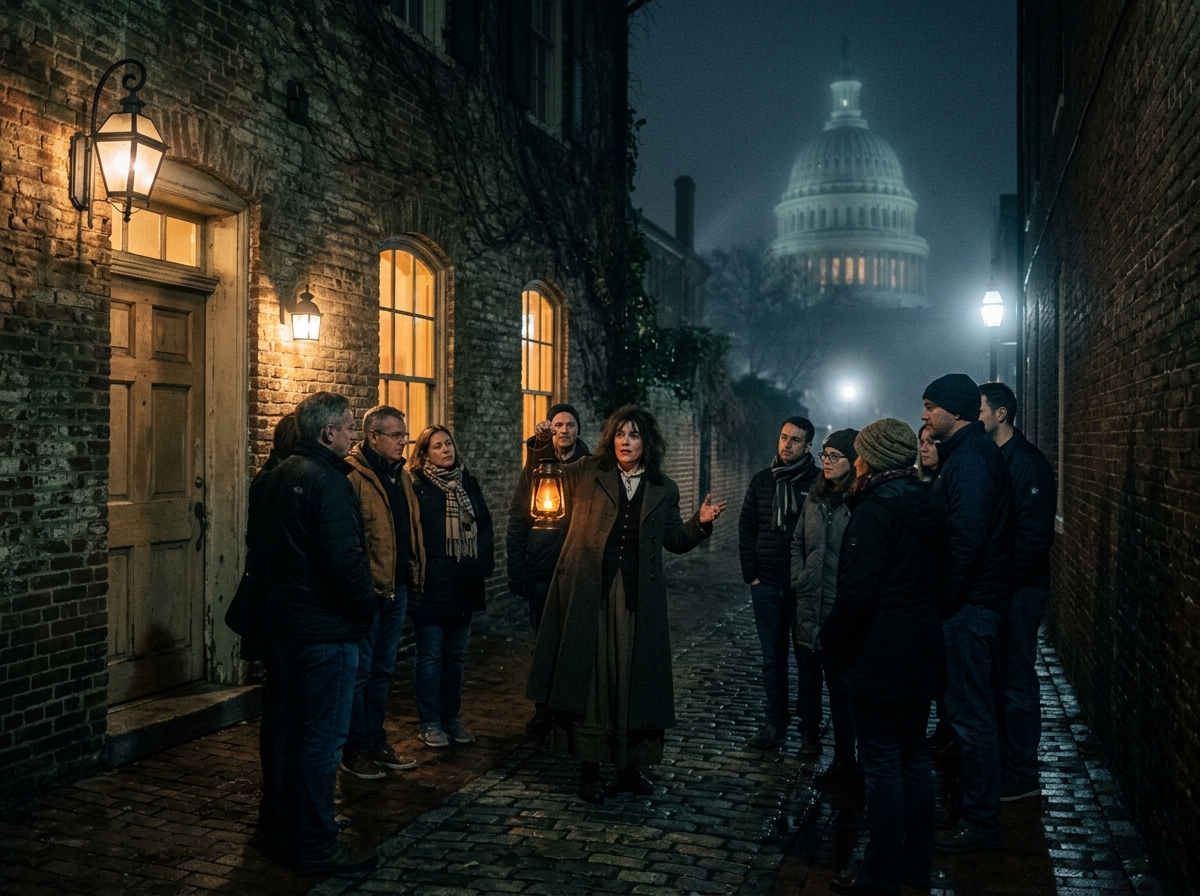
Guided ghost tours through Congressional Cemetery or the older buildings downtown lean into darker, more mature storytelling than the family-friendly versions, covering unsolved deaths, political scandal, and the genuinely unsettling parts of the city's history rather than softening everything for young ears.
Expect to pay $25 to $35 per person for a tour that typically runs an hour and a half to two hours entirely on foot. Comfortable shoes matter more than they sound like they would, since most of these tours cover a decent amount of ground across uneven, older pavement.
6. Compete At A Board Game Or Trivia Bar
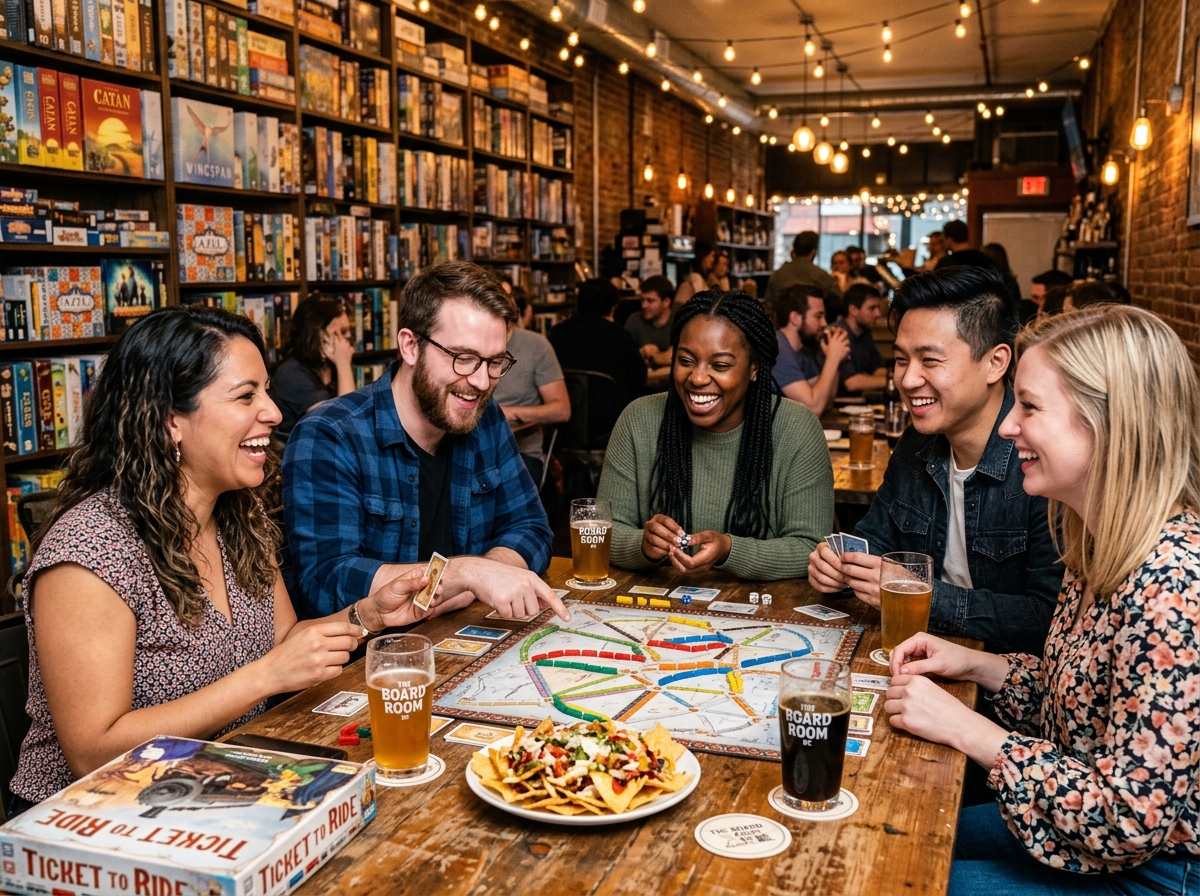
Spots like Board Room let a group order a round of beers and pick from dozens of board games instead of everyone staring at their phones, which makes it a genuinely easy, low-pressure option for a group that doesn't want a loud club scene but still wants some energy to the night.
Entry itself is typically free; you're only paying for whatever you eat and drink while you play. It also works well as a first stop before moving somewhere louder later in the evening, since the pace is relaxed enough not to wear a group out early.
7. Try Axe Throwing Or Interactive Bar Games

Venues combining axe throwing with a full bar have become a genuine trend across DC, popular for birthdays, bachelorette-style nights out, and any group looking for something a little more physical than sitting at a table all evening.
An hour-long session generally runs $35 to $45 per person, and that price usually includes basic instruction from staff along with lane time to actually throw. Groups of four to six tend to get the most out of a single booking, since it keeps the pace moving between turns.
8. Dance To Latin Music At A Nightclub
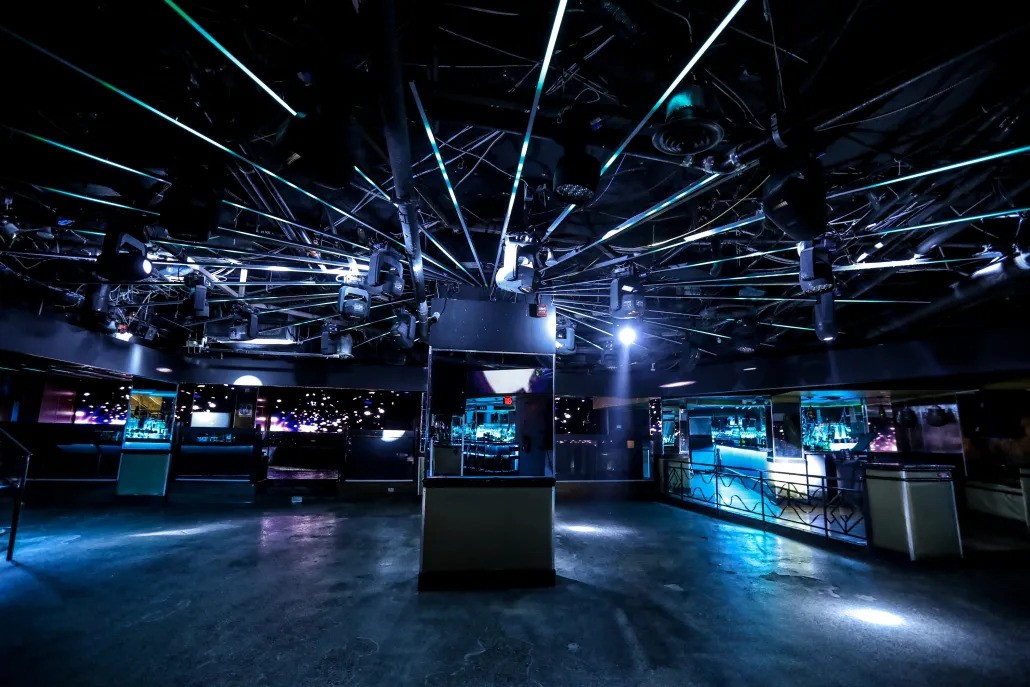
Dupont Circle's Cafe Citron leans hard into reggaeton and bachata, with a bright, tropical-themed room and a cocktail menu built around mojitos, caipirinhas, and sangria rather than a standard American bar list.
Cover charges run roughly $10 to $15 on weekend nights, and the dance floor genuinely doesn't get going until later, closer to 10 or 11pm, so an early dinner beforehand followed by a late arrival here works better than making it your first stop of the evening.
9. Book A Sunset Or Dinner Cruise On The Potomac
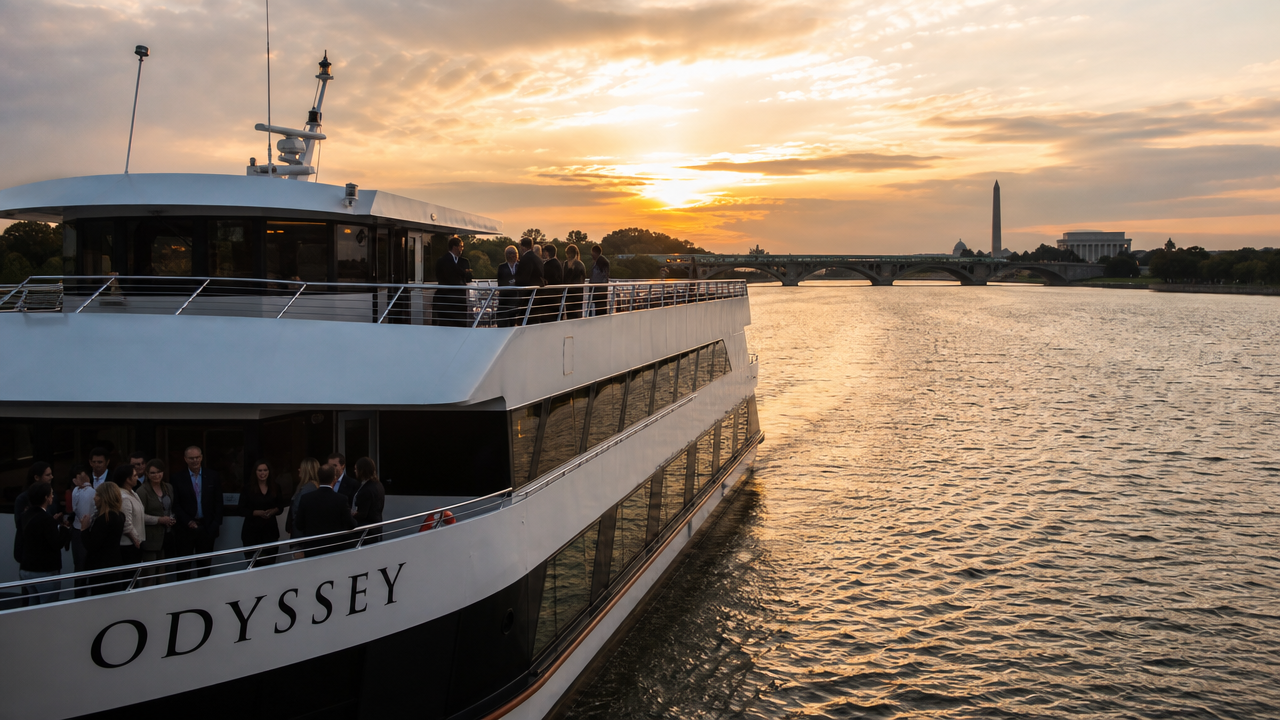
Several operators run evening cruises past the Kennedy Center's riverside facade, the Jefferson Memorial, and Roosevelt Island, giving passengers a water-level view of the monuments that's genuinely different from seeing them on foot.
A sightseeing-only cruise runs roughly $25 to $45 per person, while a full dinner cruise with live music and a plated meal climbs to $100 to $150 per person. Booking at least a week ahead is worth it during peak season, since the more scenic evening departure times sell out first.
10. Catch A Free Evening Museum Event With Wine In Hand

Several Smithsonian buildings and the National Portrait Gallery stay open past normal museum hours and occasionally host evening jazz or lecture series in their courtyards, turning a museum visit into something closer to a low-key social evening.
These events are usually free to attend, though drinks are typically sold separately at a small bar setup inside the courtyard. Check each museum's calendar before your trip, since these events rotate and don't run on a fixed nightly schedule like a bar or comedy club.
Between the two ends of that budget spectrum, a full adult evening in DC can cost as little as $15 for one well-made cocktail or several hundred dollars for a proper dinner cruise for two, and the next section covers everything that costs nothing at all.
Best Free Things To Do In Washington DC At Night
Nothing on this list requires a ticket, a reservation, or a wallet, making it a natural starting point for anyone building a budget-conscious evening or simply padding out a paid activity with free sightseeing on either side.
11. Walk The National Mall After Dark
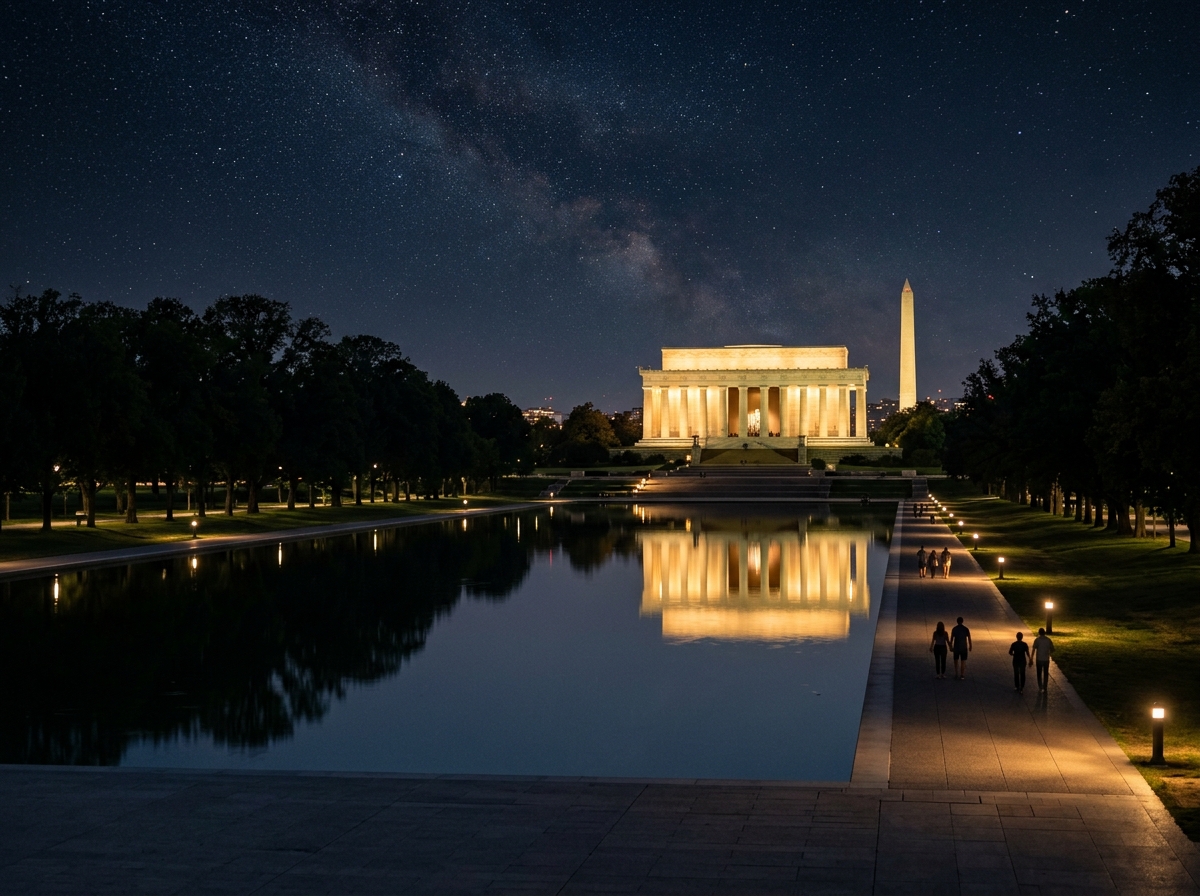
The National Mall connects the Capitol to the Lincoln Memorial in one long, open stretch of green space, and it stays open 24 hours a day with no gates or closing time to work around. Walking it at night means noticeably fewer crowds than daytime tour-bus traffic, cooler air in the summer months, and clear, unobstructed sightlines between the illuminated landmarks at either end.
A full end-to-end walk covers roughly two miles, so pacing it out with a stop at each memorial along the way turns a simple walk into an evening-length activity on its own.
12. See The Lincoln Memorial Lit Up
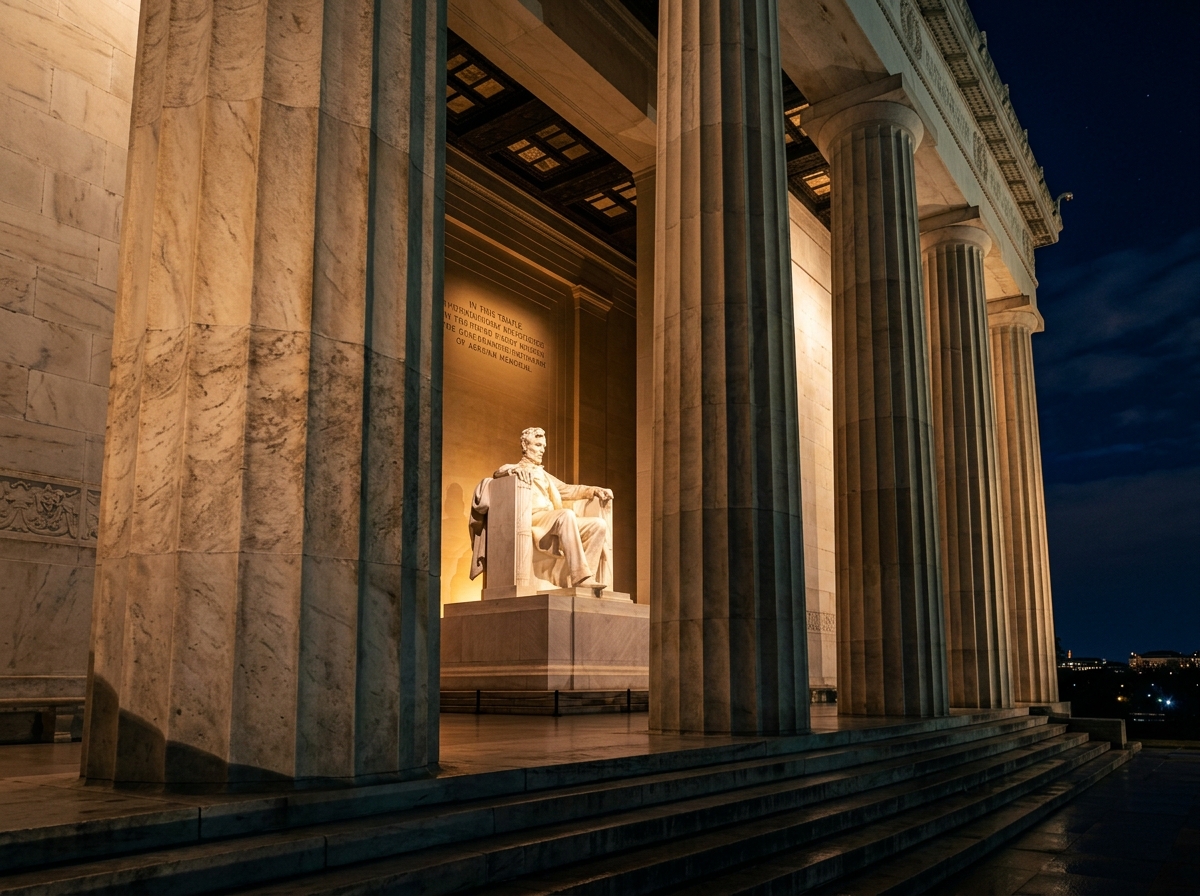
The marble columns and the seated statue of Lincoln take on a genuinely different weight under evening light, with the long Reflecting Pool doubling the view in calm conditions. It's open 24 hours and completely free, and it consistently ranks as one of the most photographed nighttime spots in the city, for reasons that become obvious the moment you're standing at the base of the steps looking up.
Climbing the full staircase to stand beside the statue itself takes only a few minutes, but budgeting twenty to thirty minutes here lets you also walk the perimeter and take in the view back across the pool toward the Washington Monument.
13. Visit The Jefferson Memorial And Tidal Basin
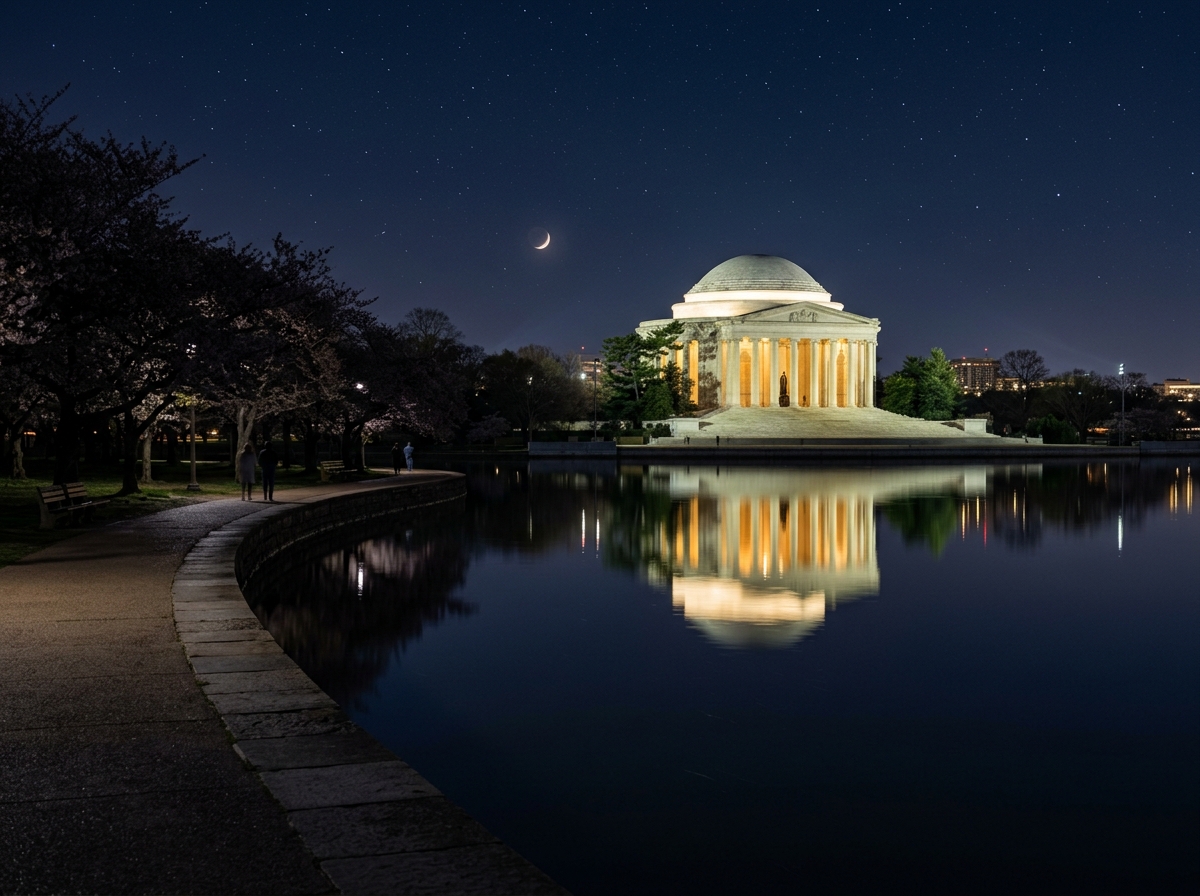
Set at the far edge of the Tidal Basin, the Jefferson Memorial reflects beautifully across the water once the daytime crowds thin out, particularly on a still night with little wind. The walk around the basin naturally connects to the MLK Memorial as well, making it easy to combine both stops into a single loop rather than treating them as separate outings.
The full loop around the Tidal Basin is close to two miles, so this pairs well with comfortable shoes and about 45 minutes to an hour if you want to stop and take photos at both memorials along the way.
14. Explore The MLK Jr. Memorial After Sunset
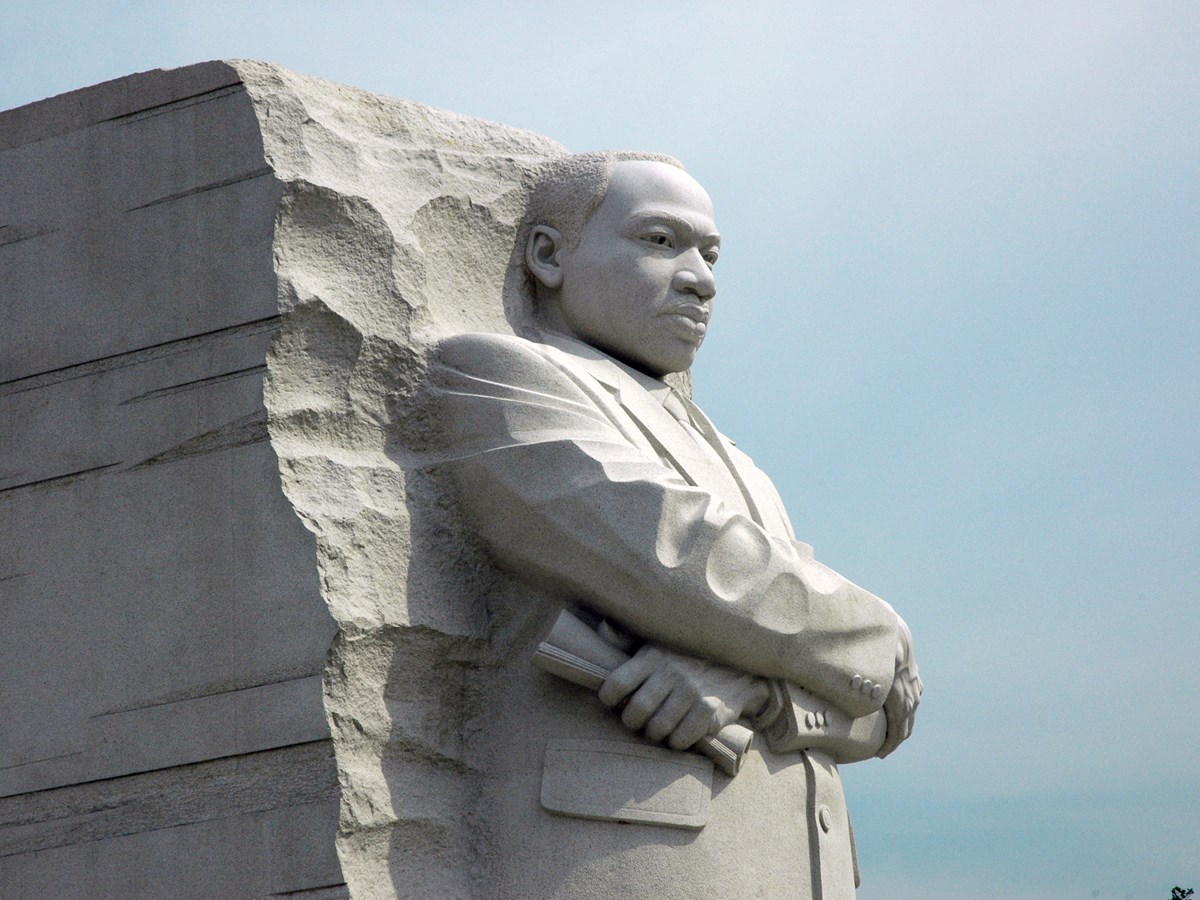
Focused lighting on the Stone of Hope sculpture and the engraved quotations along the surrounding wall gives this memorial a noticeably quieter, more personal feel at night than during the day, when tour groups tend to move through fairly quickly on a set schedule.
Because it sits along the Tidal Basin loop rather than directly on the main Mall corridor, it also tends to draw a smaller crowd after dark, which makes it one of the better spots on this list for anyone hoping for a few quiet minutes rather than a photo op shared with a dozen strangers.
15. Tour The World War II Memorial At Night
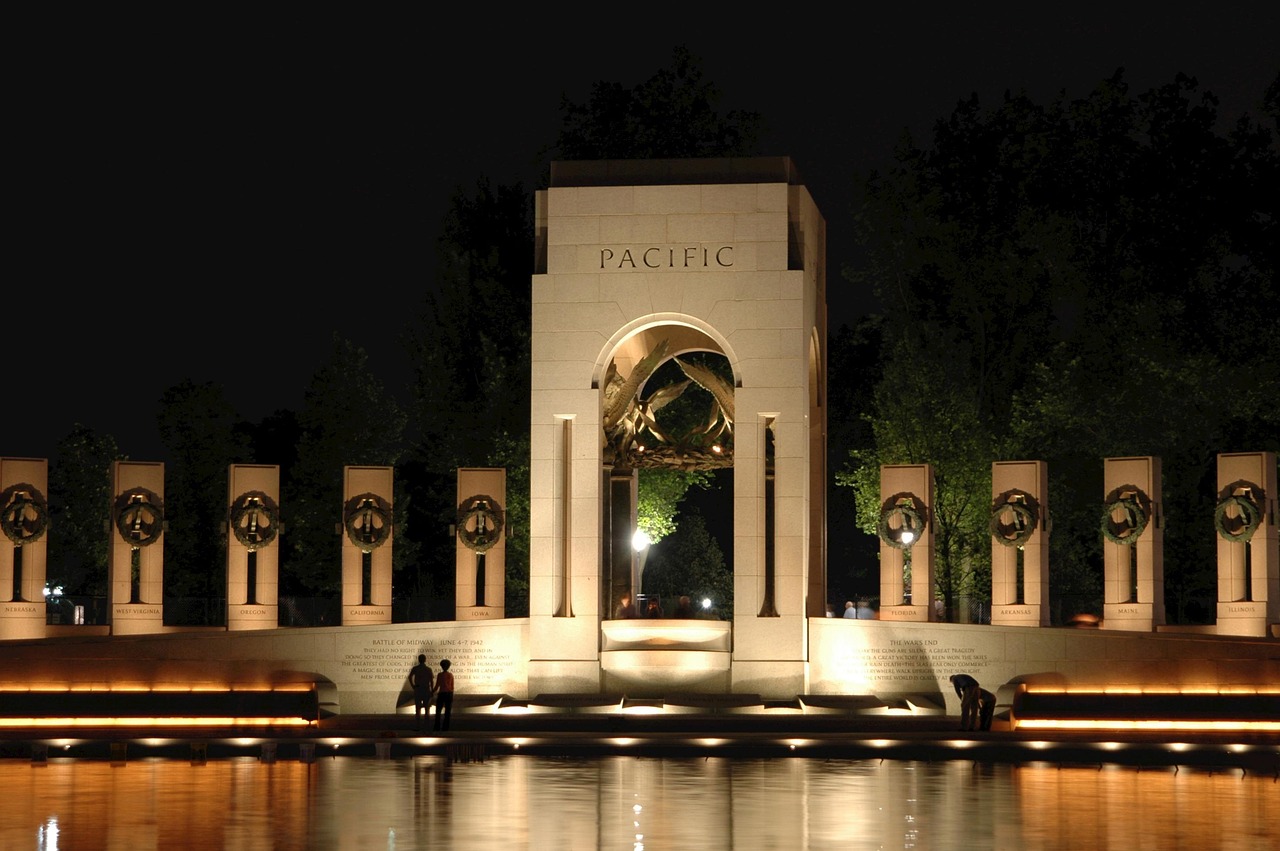
Positioned right between the Lincoln Memorial and the Washington Monument, this memorial's fountains and stone pillars are softly lit after sunset, and it fits naturally into a walking loop with both of its more famous neighbors on either side.
The plaza layout gives visitors plenty of bench seating to sit and take in the space rather than just walk through, making it a good midpoint stop to rest for a few minutes during a longer monument walk.
16. Walk Pennsylvania Avenue Past The White House
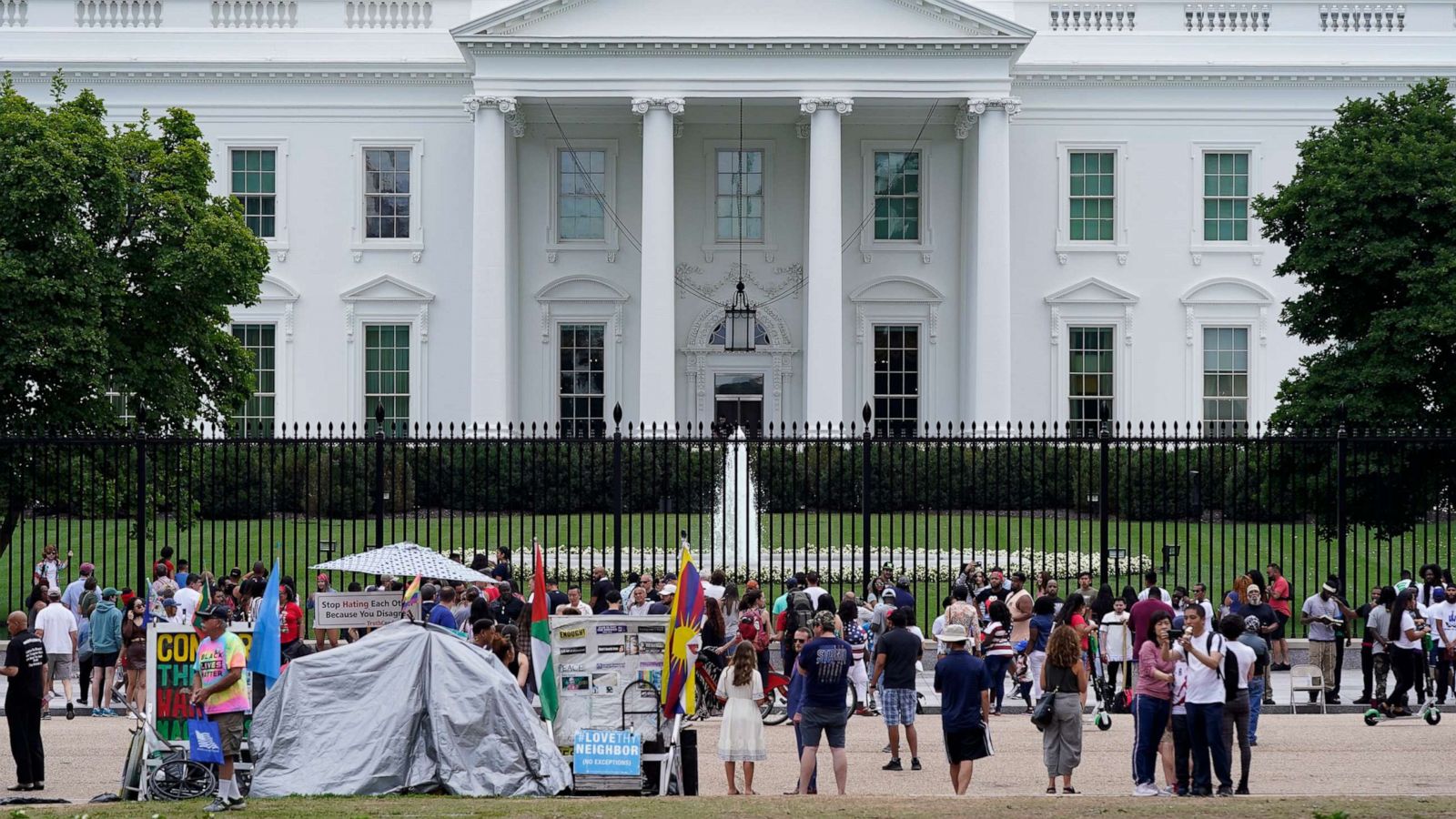
The stretch connecting the White House to the Capitol feels considerably more ceremonial than busy once the workday traffic clears out, with wide, well-lit sidewalks and clear views of the surrounding historic architecture on both sides of the street.
Security presence here is heavier than most other stops on this list given the buildings involved, which in practice means it's one of the more consistently well-patrolled and well-lit walks in the entire city after dark.
17. Visit The Pentagon Memorial After Dark
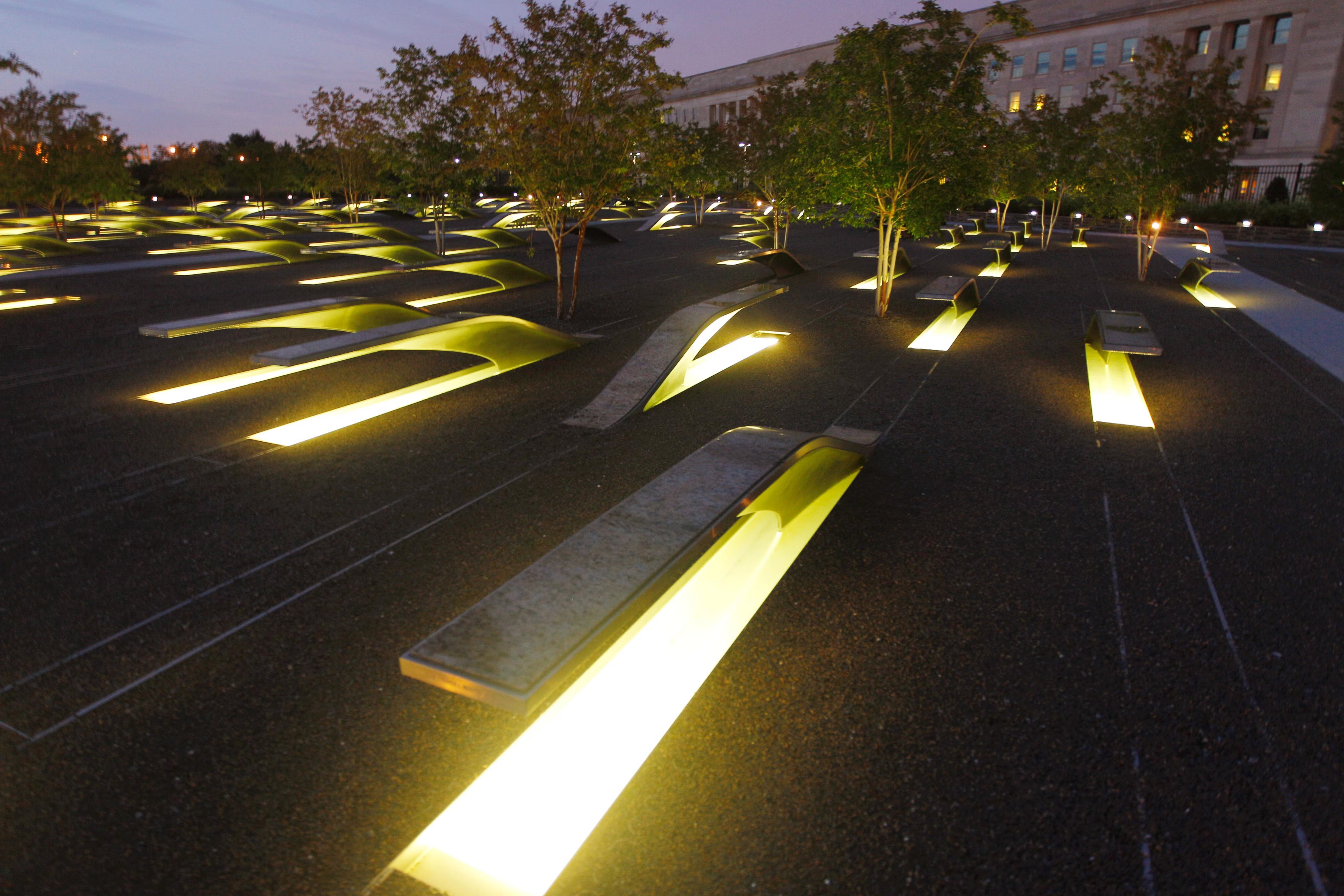
Located just outside the Pentagon in Arlington, this memorial to the victims of the September 11 attacks uses a reflective lighting system built into each of its 184 individual benches that only becomes fully visible after dark, a detail that's easy to miss entirely during a daytime visit.
Because it's dedicated to victims rather than a historical or political figure, a quieter, more respectful visit is appropriate here, and most visitors naturally lower their voices and slow their pace once they arrive.
18. Wander The Georgetown Waterfront
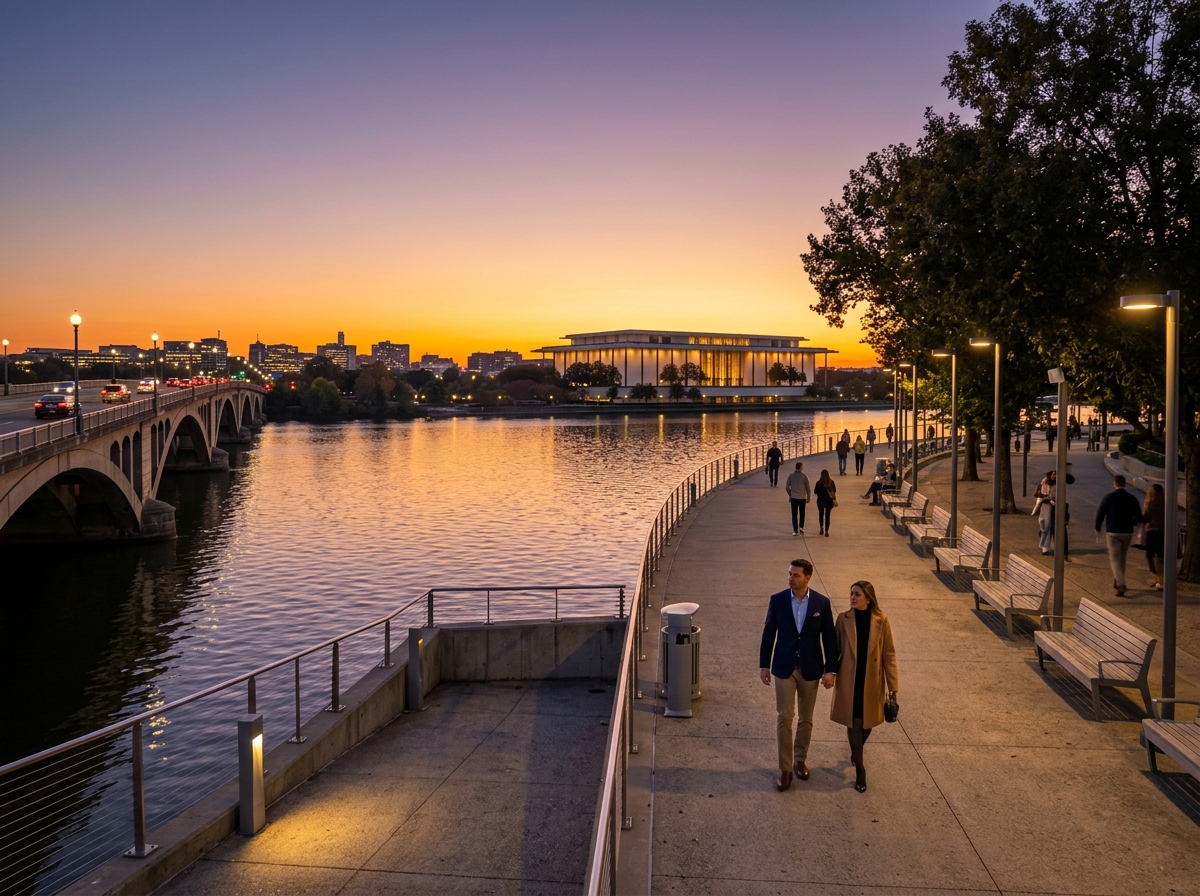
Georgetown Waterfront Park runs along the Potomac with views of the Kennedy Center's riverside facade, planes departing from nearby National Airport, and what's widely considered one of the better sunset vantage points in the entire city.
The park connects directly into Georgetown's main shopping and dining strip, so it works well as a bookend to a dinner reservation rather than a standalone destination, letting you walk off a meal along the water before heading back to a bar or hotel.
19. Stroll Capitol Hill In The Evening
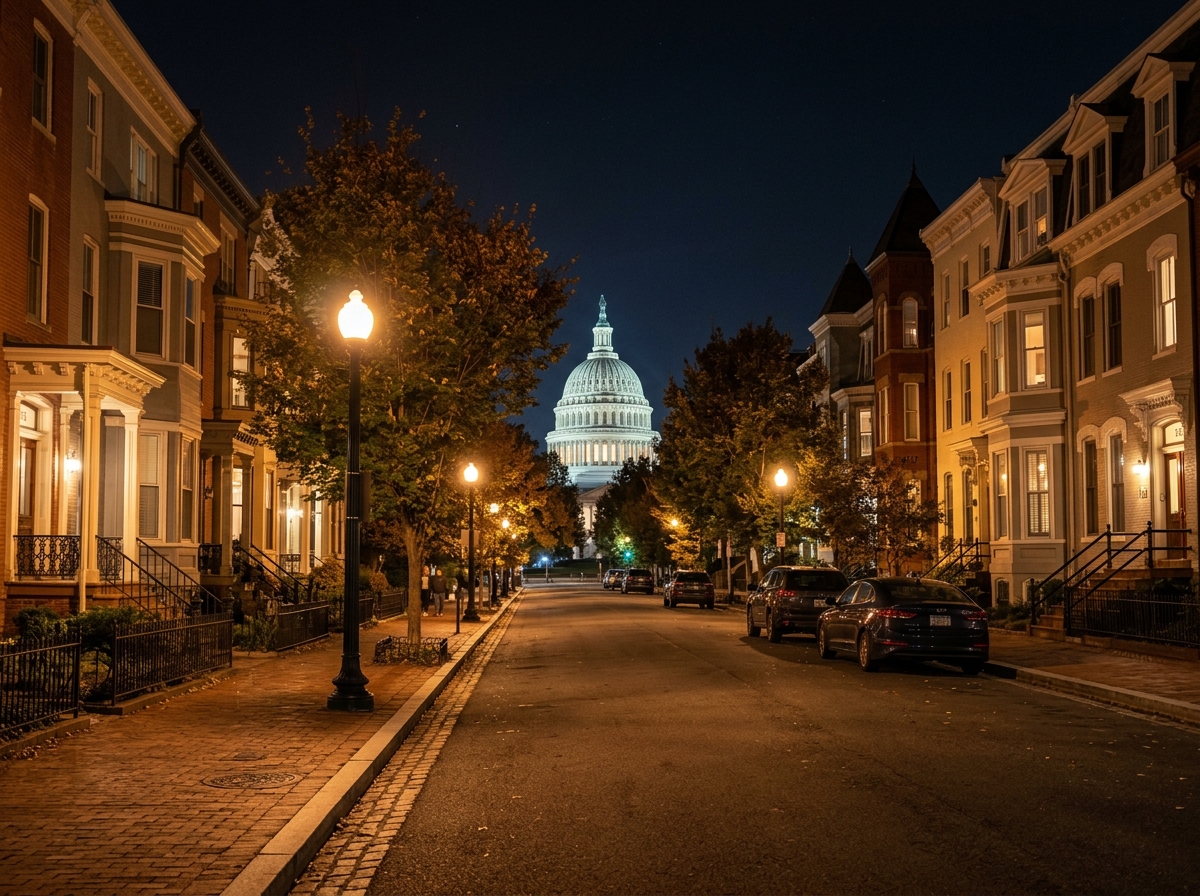
Capitol Hill's residential streets and historic rowhouses feel noticeably calmer once the government workday ends, and the illuminated Capitol dome itself is visible from several vantage points throughout the neighborhood, giving even a basic residential walk a genuine backdrop.
Eastern Market and the small restaurant strip nearby stay active into the evening as well, so this neighborhood works nicely as a quieter alternative to the busier tourist corridors if you want a low-key walk after dinner.
20. Watch The Sunset Along The Potomac Riverfront
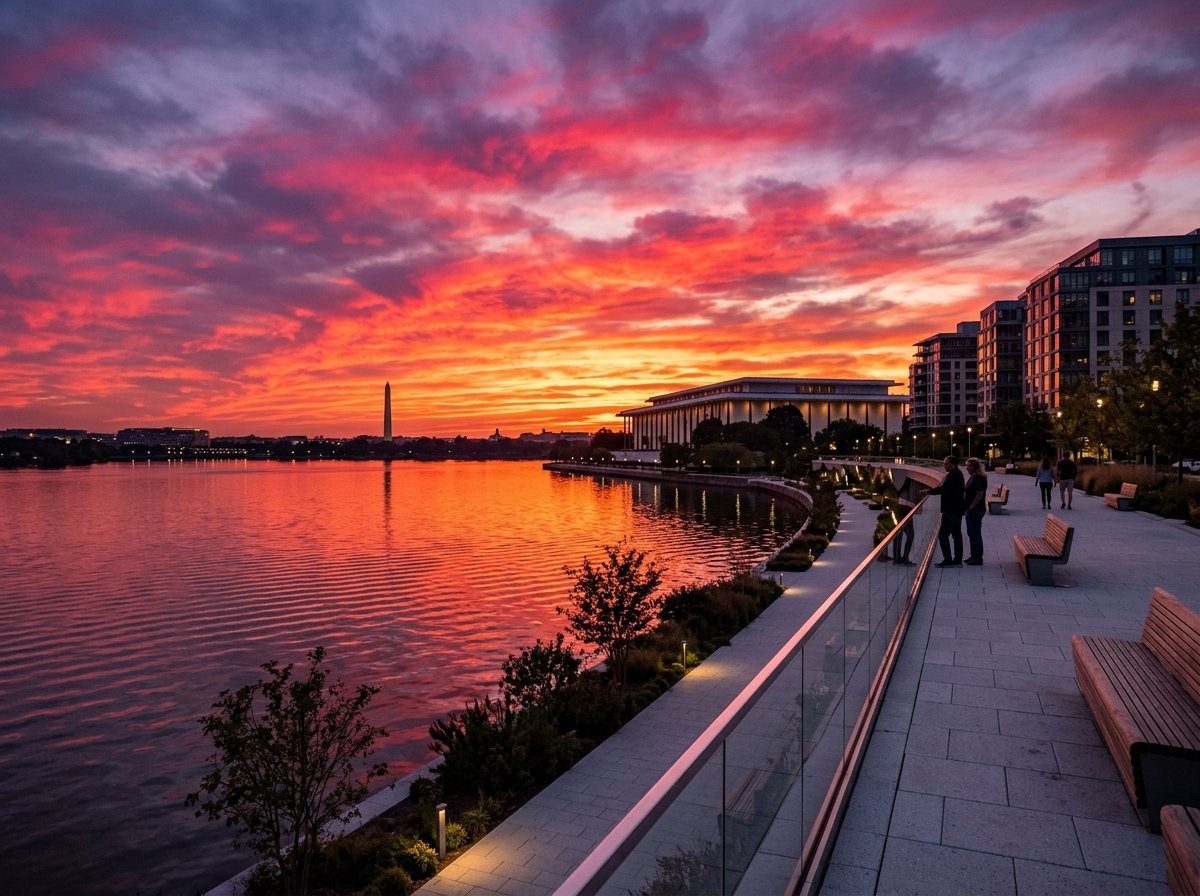
Paths near the Georgetown Waterfront and The Wharf trace the river's edge for a considerable stretch, giving you long, uninterrupted views of monument reflections on the water without needing to book anything or pay a single dollar.
Timing this one matters more than most entries on this list, since arriving twenty to thirty minutes before actual sunset gives you the full color change over the water rather than just catching the tail end of it.
Free doesn't mean limited here, and a single evening could realistically string together five or six of these stops on foot without repeating a single view, which is exactly why the next two sections shift toward what works better once kids are part of the group.
Best Things To Do In Washington DC At Night For Family
Family evenings need a bit more built-in structure than a solo date night, and this section leans toward activities that hold up across a wider age range, roughly middle schoolers through grandparents, without any one age group getting bored.
21. Catch A Show At Ford's Theatre
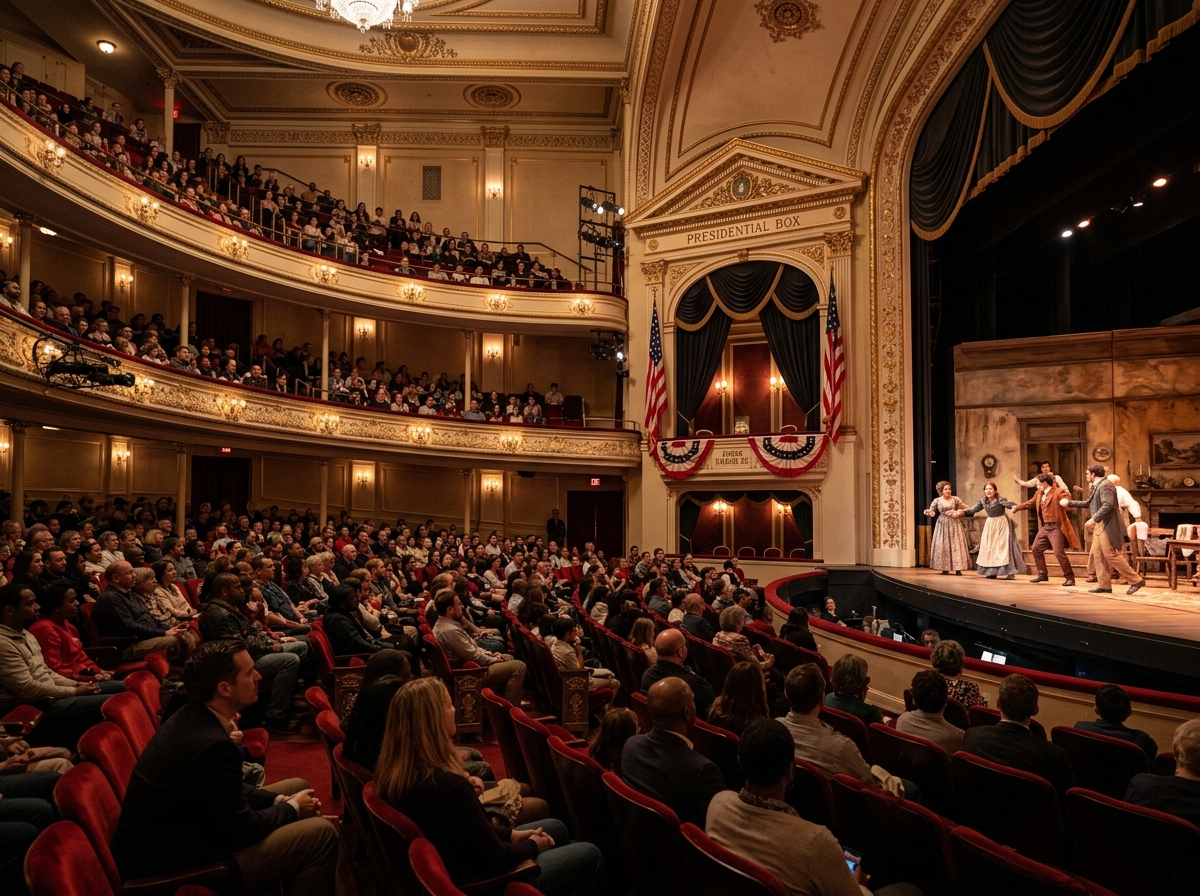
Ford's Theatre stages family-friendly productions in the same historic building where Lincoln was assassinated in 1865, and visitors can peek into the restored Presidential Box before the show starts, adding a genuine sense of history to what's otherwise a normal night at the theatre.
Tickets typically run $35 to $90 depending on the production and where you're seated, and the intimate size of the venue means there really isn't a bad seat in the house, which matters if you're booking on a tighter budget and worried about ending up in the back row.
22. Watch A Nationals, Wizards, Or Capitals Game
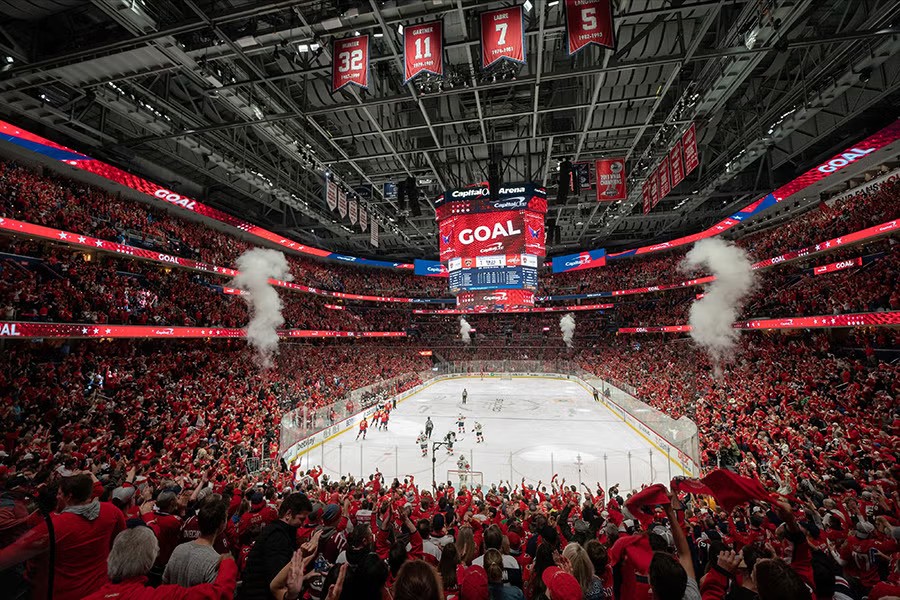
Nationals Park, Capital One Arena, and Audi Field host baseball, basketball, hockey, and soccer respectively, most with evening start times that work well after a full day of sightseeing. All three venues sit close to Metro stations, which keeps the logistics simple for a family that doesn't want to deal with game-day parking.
Ticket prices vary widely by matchup and seat location, from roughly $20 for upper-level seats on a weeknight to well over $150 for lower-bowl seats at a marquee matchup. Buying tickets a few weeks ahead generally gets better pricing than buying on game day.
23. Take A Family Monuments Trolley Or Bus Tour
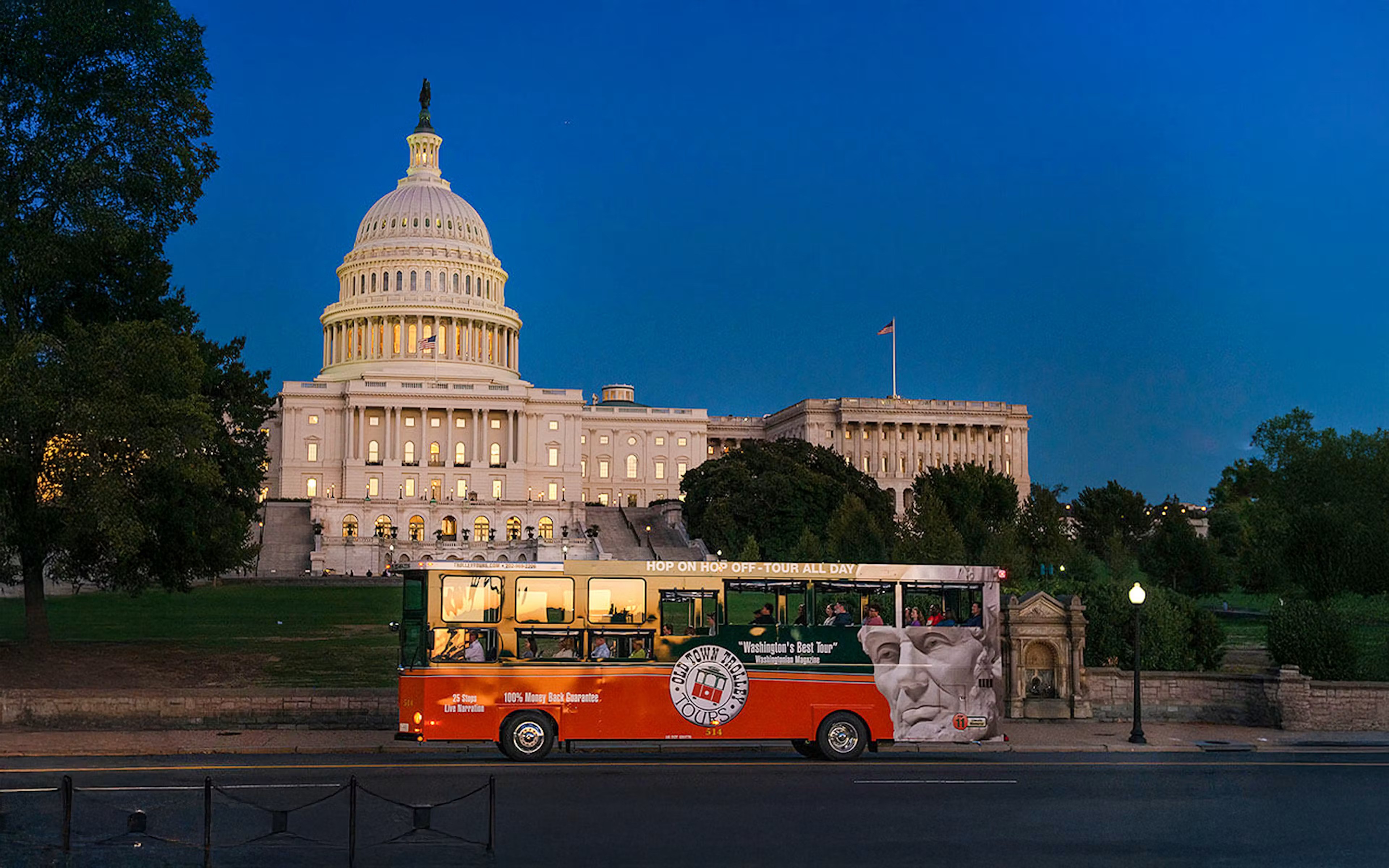
A guided trolley tour hits eight to ten monuments in a couple of hours without anyone in the family having to walk the full distance between them, which makes it a genuinely good option for a family traveling with grandparents or younger kids who tire out faster on foot.
Expect $45 to $65 per adult, with reduced pricing for children under a certain age depending on the operator. Guides on these tours also tend to layer in local history and a bit of storytelling along the route, so it doubles as a light history lesson without feeling like one.
24. Visit The Spy Museum's Evening Hours
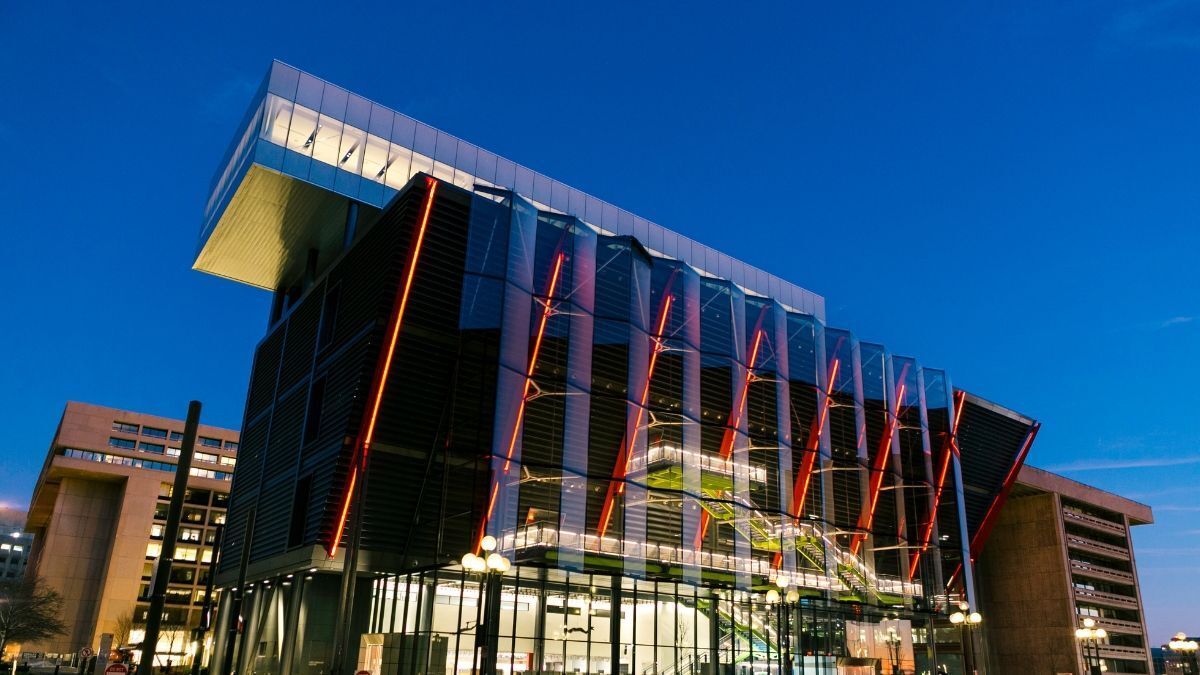
Kids get assigned a cover identity at the door and work through interactive exhibits themed around espionage, code-breaking, and real historical intelligence operations, which turns a museum visit into something closer to a game than a traditional walk-through-and-read-plaques experience.
General admission runs roughly $28 to $32 for adults and less for children, and the museum keeps extended evening hours on select nights, making it a solid option for families who spent the day at the Smithsonian and want one more indoor activity before calling it a night.
25. Dine And Stroll At The Wharf
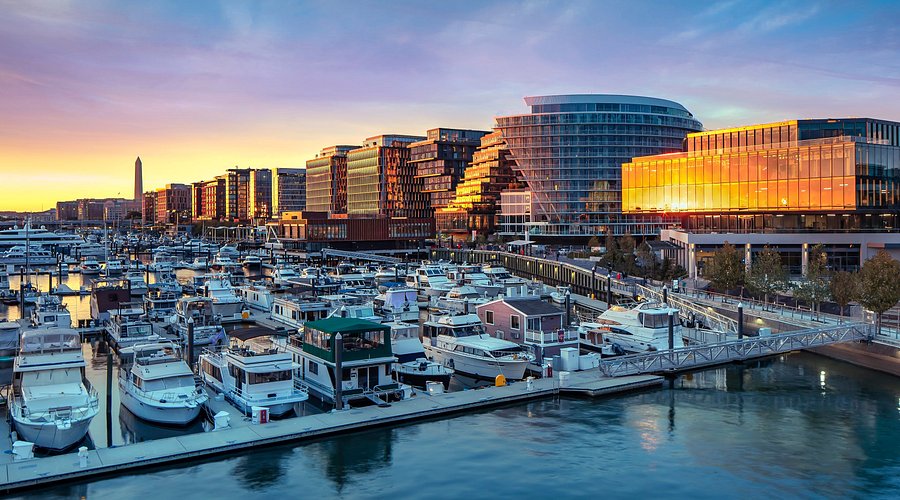
The Wharf combines a working fish market, one of the oldest of its kind in the country, with a stretch of restaurants, live outdoor music, and waterfront paths, making it easy to eat dinner and walk it off in the very same visit without needing to drive anywhere else.
Casual dinner pricing runs roughly $20 to $50 per person depending on the restaurant, and the outdoor seating areas along the water stay active well into the evening in warmer months, giving families the option to eat outside while watching boats come in.
Don't Miss: Best Time To Visit Washington DC By Month
26. Watch The Marine Corps Sunset Parade (Seasonal)
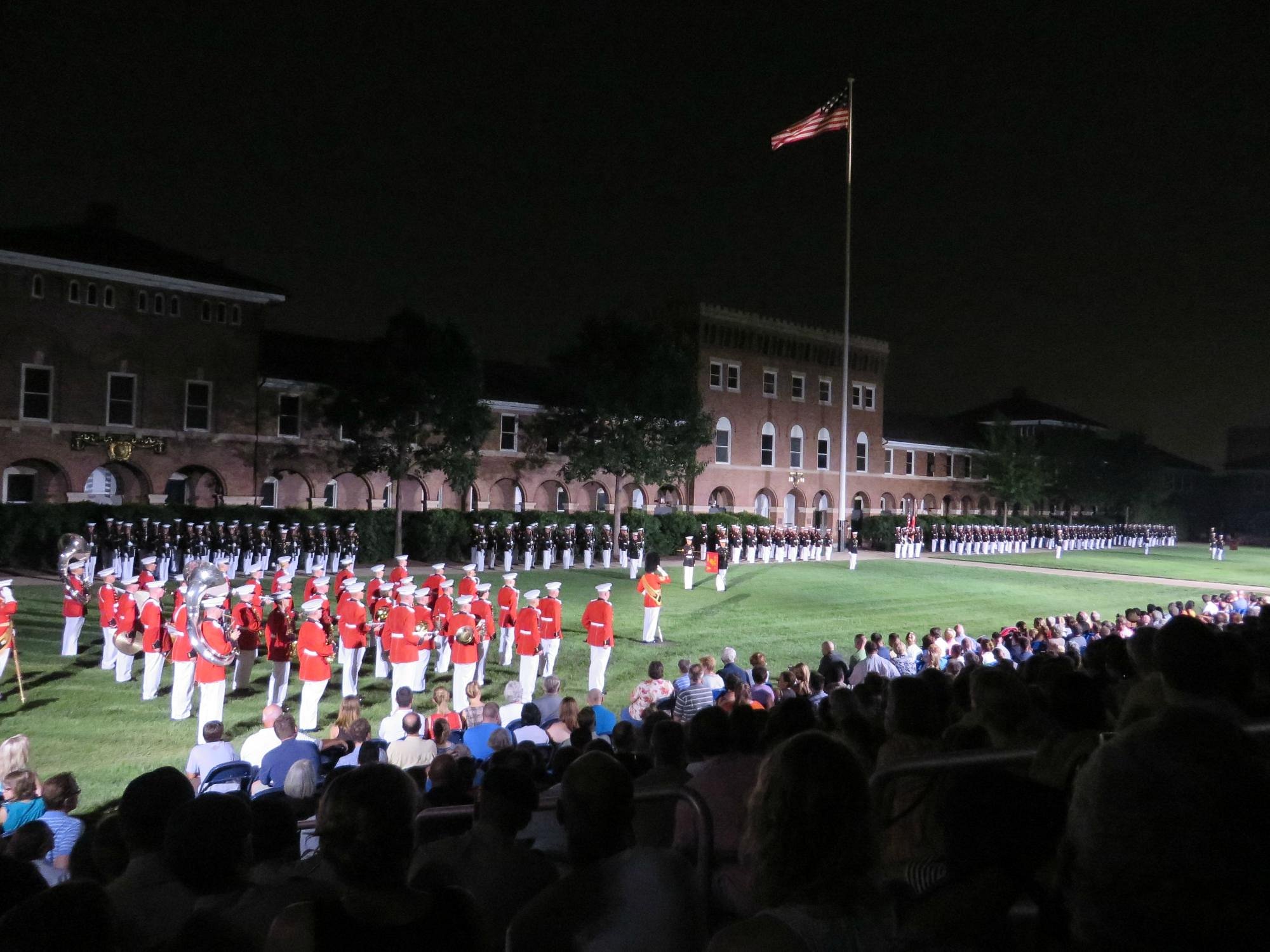
Friday evenings during the summer months, the Marine Barracks in Southeast DC hosts a full ceremonial parade including a performance from the Silent Drill Team, a tradition that's been running since 1956 and remains one of the more genuinely impressive free spectacles in the entire city.
It's free to attend, but advance reservations are required through the Marine Barracks and tend to fill up weeks ahead, so this seasonal activity is worth locking in early rather than trying to plan around it at the last minute.
27. Try A Family-Friendly Ghost Tour
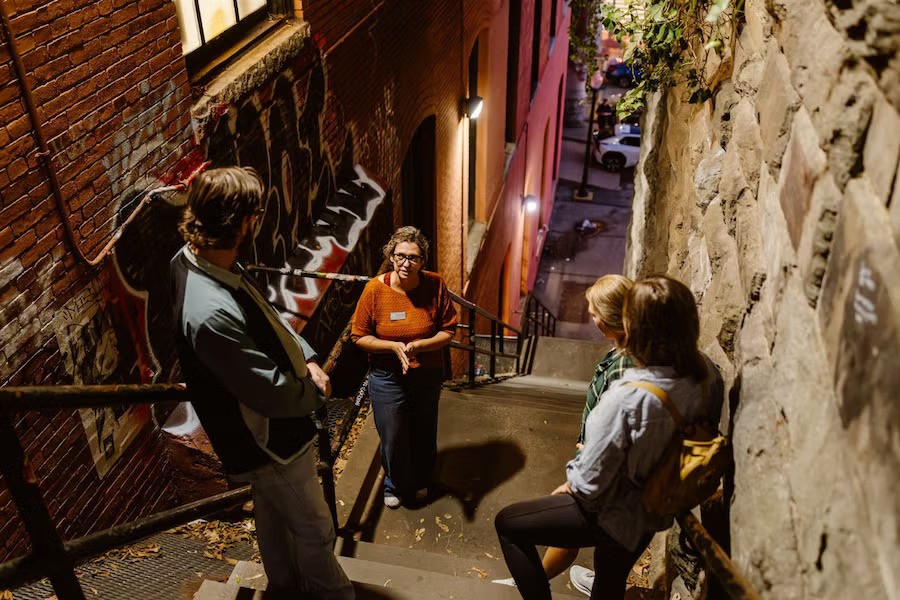
Several tour operators run a lighter, kid-appropriate version of DC's haunted history walks, focused more on legend, local folklore, and general history than on the genuinely dark or scary content covered in the adult versions of the same tours.
These typically run $20 to $30 per person and cover a shorter walking distance than the adult tours, which keeps younger legs from wearing out halfway through. Checking the specific tour's age recommendation ahead of time is worth doing if you're traveling with kids under eight, since even the family versions vary in tone from one operator to the next.
28. Catch A Relocated Kennedy Center Production At Its New Home
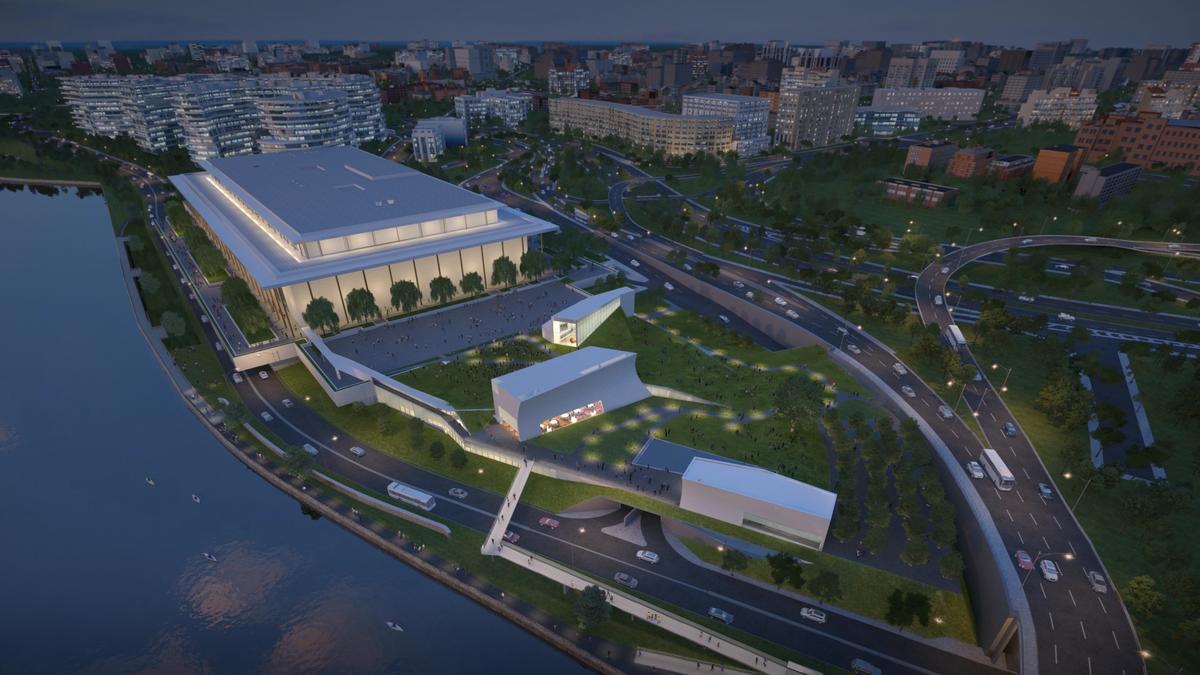
The Kennedy Center is not operating as a normal nightly performance venue. Its board voted unanimously to close the building for a two-year renovation project starting in July 2026, and the resident companies that used to call it home have scattered their seasons across the city in response rather than pausing their programming entirely.
The National Symphony Orchestra split its 2026-2027 season across six different venues in Washington and its surrounding suburbs after being displaced by the reconstruction work. The Washington National Opera moved its spring programming to venues including Lisner Auditorium at George Washington University, the same auditorium that hosted the opera's very first performances more than seventy years earlier. A Martin Luther King Day concert that had called the Kennedy Center home for more than two decades relocated to the Howard Theatre as well.
If a specific show or company is on your family's list, the safest move is to check that company's own website directly before assuming it's still happening at the Kennedy Center building itself, since venues and dates have continued shifting throughout 2026 as the renovation work has progressed.
29. Wander Union Market In The Evening
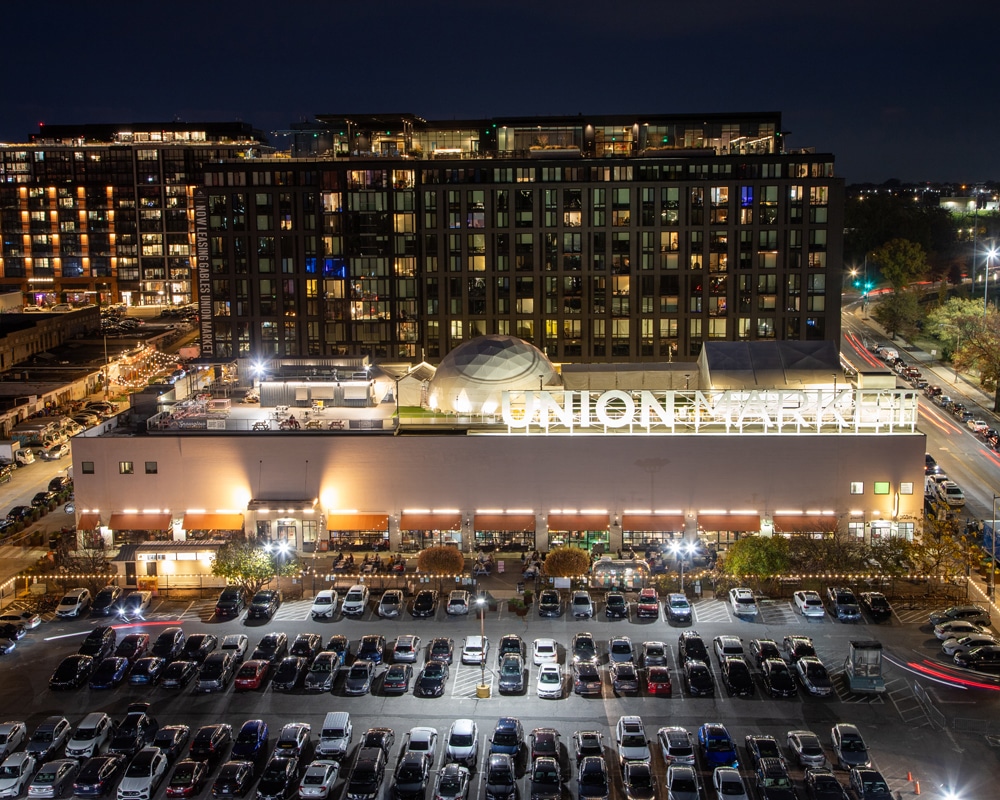
Union Market's food stalls and boutique vendors stay genuinely lively into the evening, and the adjacent La Cosecha section adds Latin food, live music, and a colorful, festive atmosphere into the mix that feels different from a typical food hall.
Browsing is free, and individual items run $8 to $18 depending on the vendor, making it a low-commitment option for a family that wants to sample a few bites rather than sit through a full sit-down dinner.
30. Skate At An Outdoor Ice Rink (Winter Only)
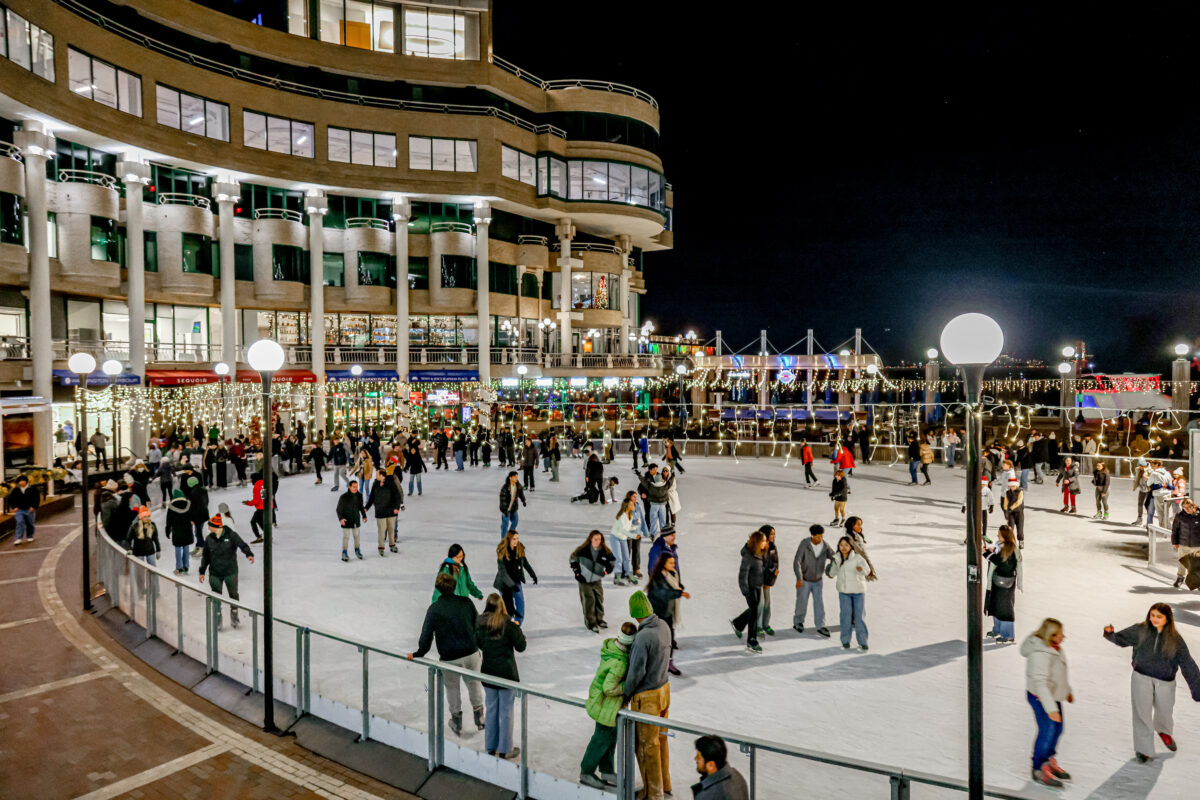
Seasonal outdoor rinks pop up each winter at The Wharf, Georgetown's Washington Harbour, and the Capitol Riverfront near Navy Yard, each with a slightly different backdrop but the same basic setup: a rink, rentals, and a nearby warming area.
Admission typically runs $9 to $12, with skate rentals adding another $4 to $6. Evening sessions tend to be less crowded than weekend afternoons, and the rinks are often lit with string lights or a nearby holiday display, adding extra atmosphere beyond the skating itself.
A family evening here can flex all the way from a $0 monument walk tacked onto a free dinner reservation at The Wharf to a full night out at Ford's Theatre followed by dessert, and the next section narrows things further for families with genuinely young kids in tow.
Best Things To Do In Washington DC At Night With Kids
These picks skew toward younger children, factoring in shorter attention spans, earlier bedtimes, and a strong, entirely reasonable preference for anything involving lights, animals, or s'mores over anything that requires them to sit still and listen.
31. Stroll ZooLights At The National Zoo (Winter Only)
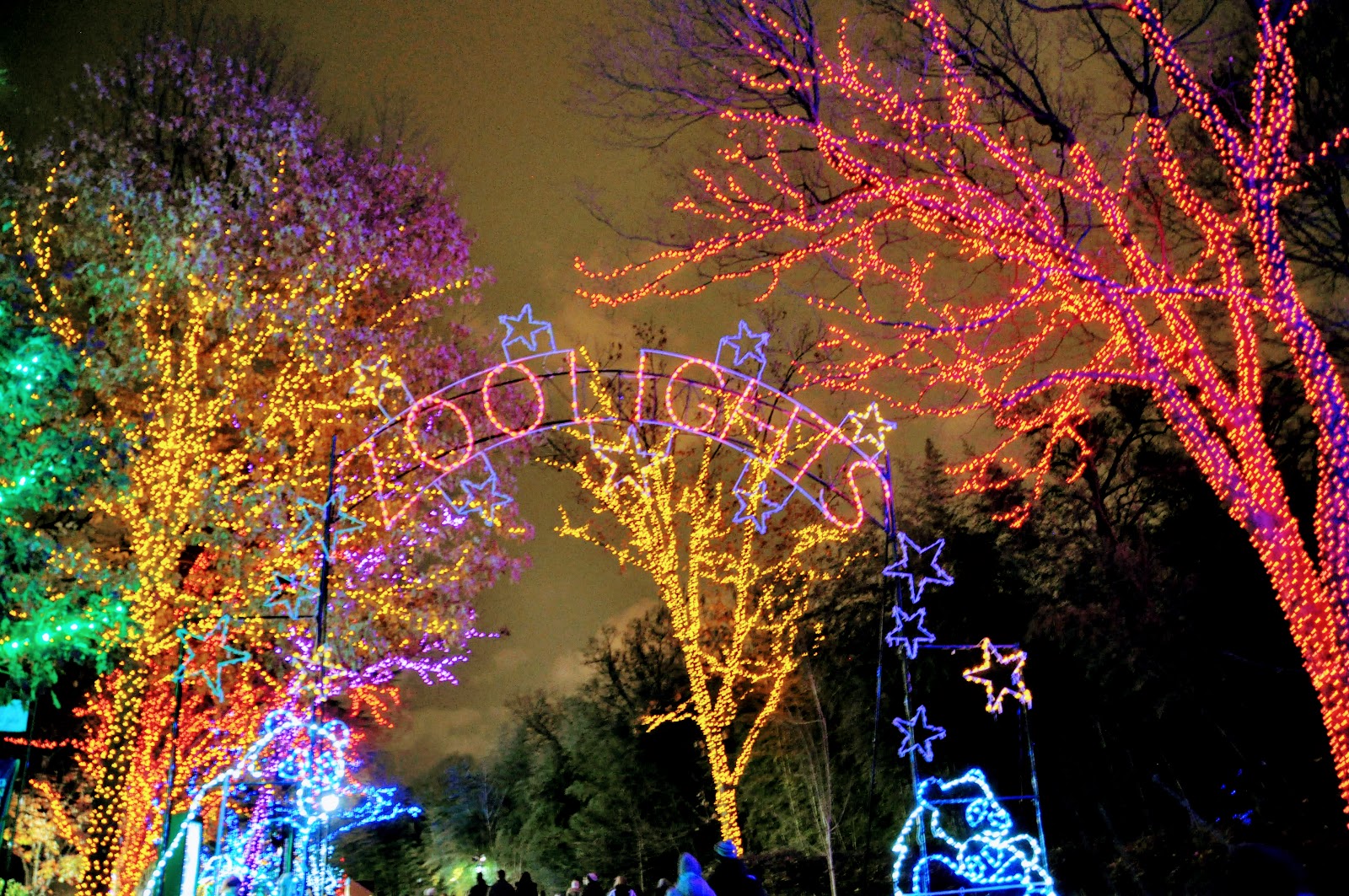
Each November and December, the National Zoostrings elaborate light displays along its walking paths after normal hours, turning the same routes kids walked during the day into a completely different, glowing experience after dark.
General admission is free, though a timed entry pass is typically required in advance because the event gets so popular, especially on weekend evenings close to the holidays. Bundling up matters more here than for most items on this list, since the event runs regardless of how cold it gets outside, and there's a fair amount of walking involved across the zoo grounds.
32. Roast S'mores At Camp Wharf (Winter Only)

The Wharf sets up a seasonal campfire experience each winter complete with a vintage Airstream trailer serving warm apple cider alongside the fire pits, giving the whole setup a genuinely cozy, campground feel despite being in the middle of a major city.
A s'mores kit generally runs $12 to $15, making it an easy, low-effort treat to tack onto dinner at The Wharf rather than a standalone destination worth a special trip.
33. Watch An Outdoor Movie Night (Warm Months Only)
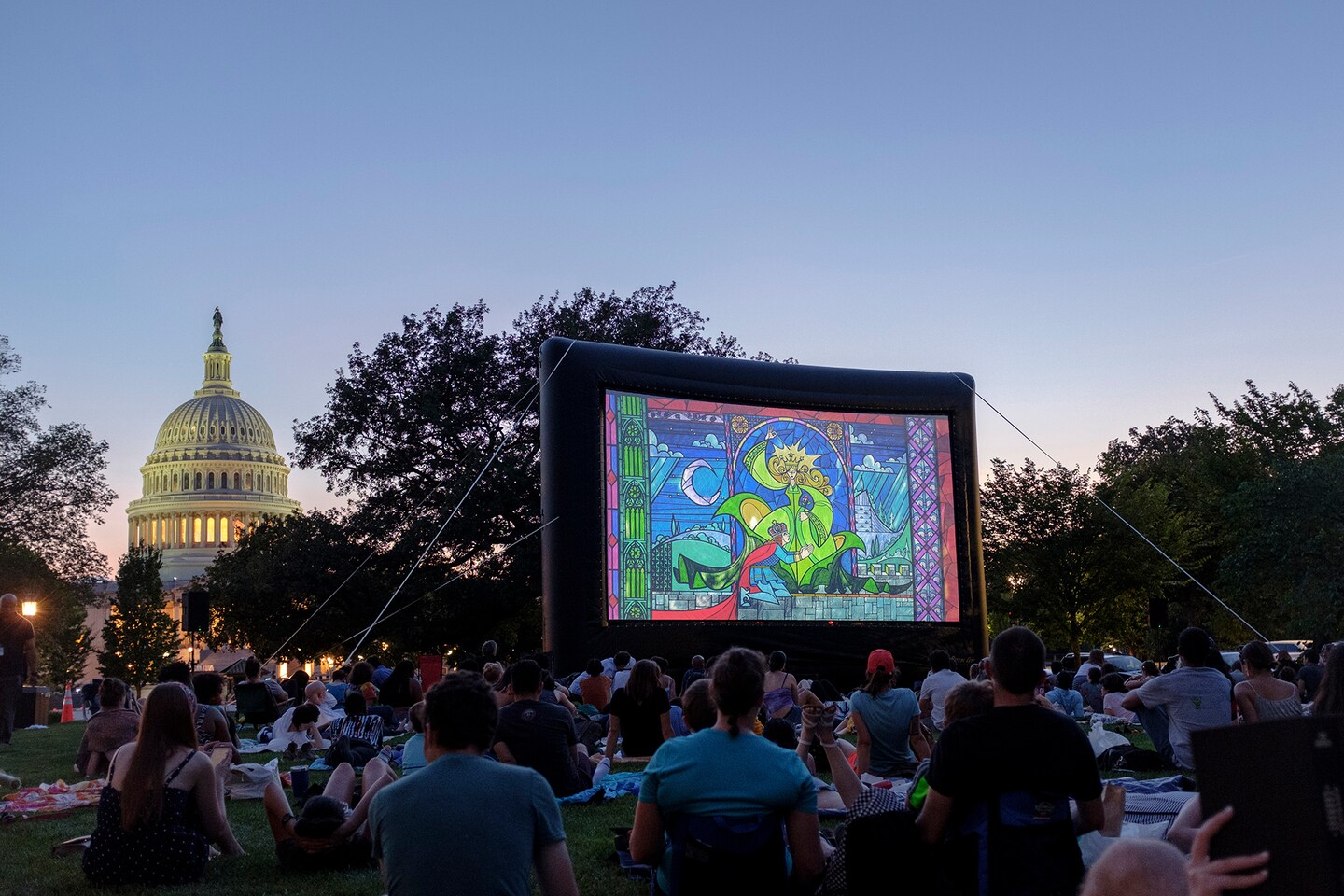
Public parks around the Georgetown Waterfront and the Capitol Riverfront host free outdoor screeningsduring the warmer months, usually rotating through a mix of family-friendly classics and more recent releases each week.
Bring a blanket and arrive thirty minutes early to claim a good spot on the grass, since these screenings draw a decent crowd and don't offer assigned seating. Check the specific park's schedule, too, since the film lineup and start times shift week to week rather than following a fixed pattern.
34. See The National Christmas Tree And Pageant Of Peace (Winter Only)
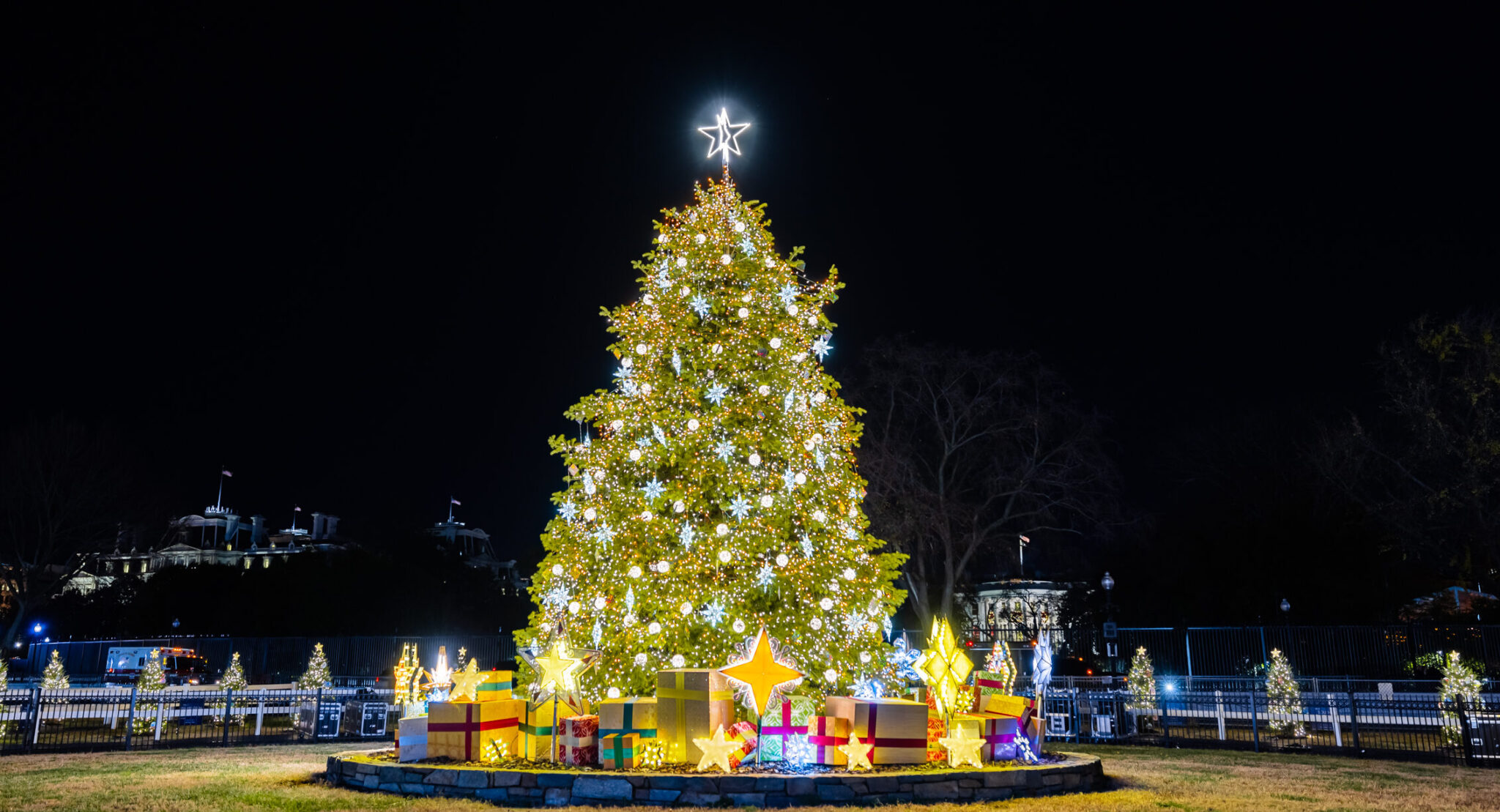
Located on the Ellipse just south of the White House, the National Christmas Tree is surrounded by fifty smaller trees representing each state and territory, each one decorated with ornaments made by children from that specific region, which gives the display a genuinely personal, handmade quality that a purely commercial holiday light show doesn't have.
It's free and open nightly through the holiday season, and the surrounding pathways stay lit and lively enough that even a fairly young kid can walk the full loop without getting restless, especially if a stop for hot chocolate is built into the plan.
35. Take A Kid-Friendly Bike Or Pedicab Tour Of The Monuments
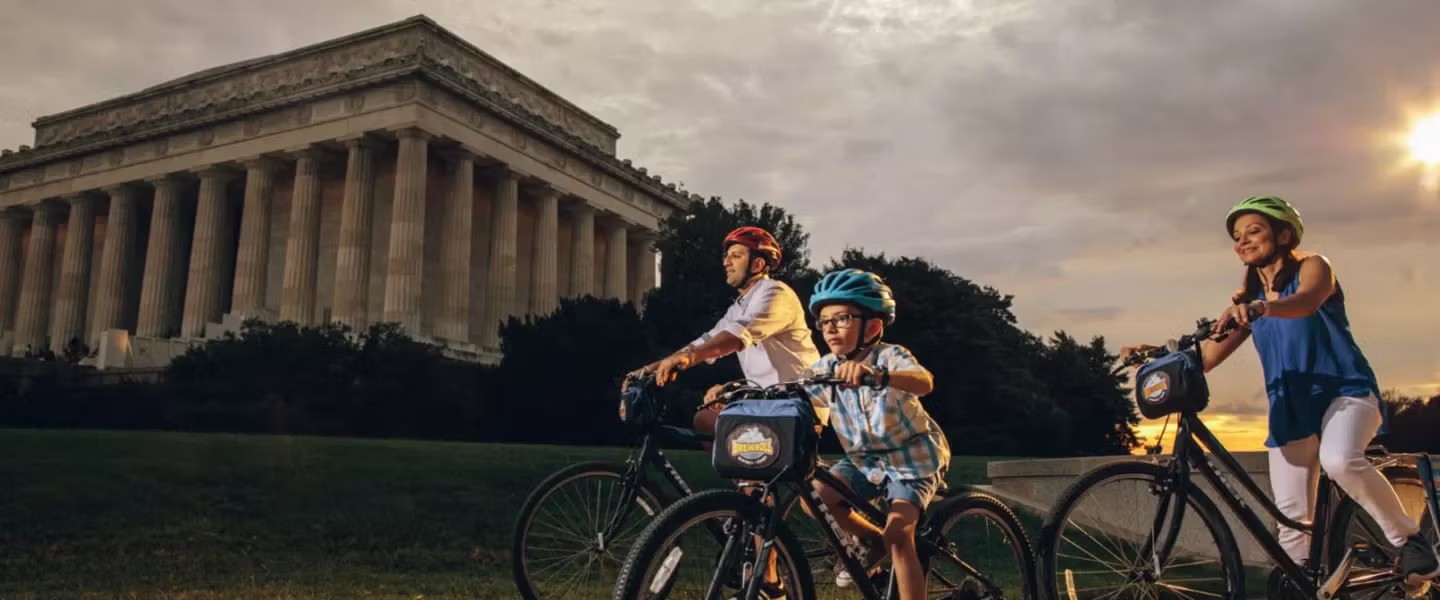
A guided bike tour covers considerably more ground than little legs could manage walking on their own while still feeling like a genuine adventure rather than a passive bus ride, which tends to hold a kid's attention better than a traditional trolley tour would.
Pricing runs roughly $40 to $60 per person, with some operators offering discounted family rates for groups of three or more. Check the minimum age and bike-handling requirements before booking, since some tours expect kids to pedal their own smaller bike rather than ride along in a trailer.
36. Ride The Potomac Water Taxi At Dusk
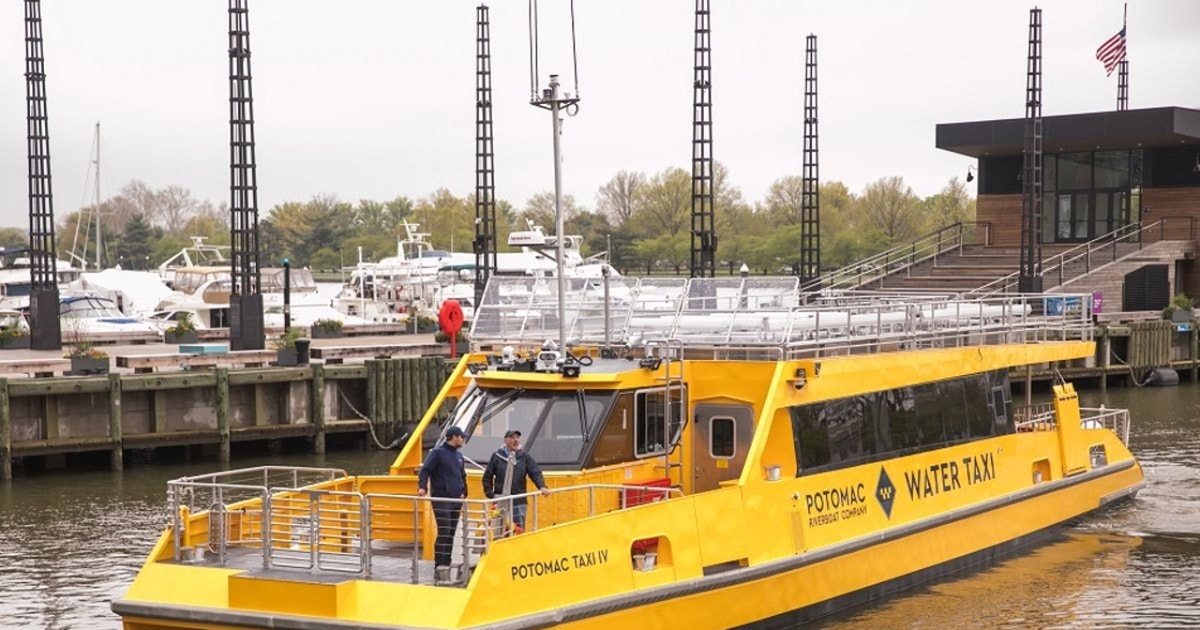
Running between Georgetown, The Wharf, and stops across the river in Virginia and Maryland, the water taxi turns a simple point-to-point commute into a mini boat ride, complete with open-air seating and views of the monuments from the water that most kids find genuinely exciting in a way a car ride never quite manages.
One-way tickets run roughly $16 to $20 for adults and somewhat less for kids. Timing a ride for right around dusk gets you the best light on the water without pushing bedtime too late, since most routes only take fifteen to twenty minutes between stops.
37. Visit The Mansion On O Street In The Evening
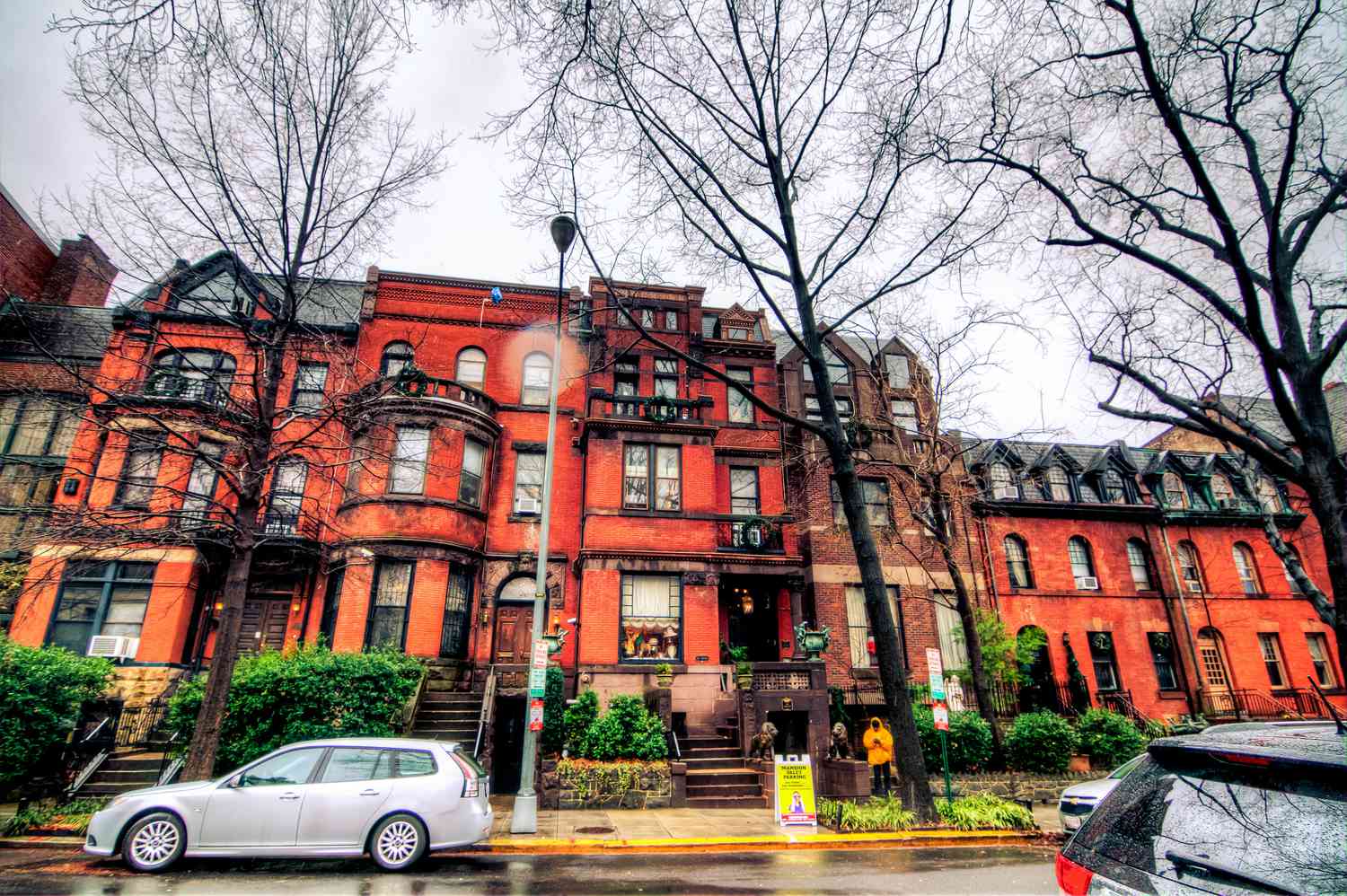
This eclectic combined-rowhouse mansion is part museum, part scavenger hunt, packed with secret passageways, hidden doors, and themed rooms that keep kids genuinely engaged for hours rather than the usual twenty minutes of patience a standard museum tends to get from a young visitor.
Admission runs roughly $25 to $30 per person, and open evening hours on select nights make it a good option after daytime museums close. Setting expectations that this is closer to an interactive game than a traditional museum helps kids get into the right mindset before walking in.
38. Try A Family-Friendly Escape Room
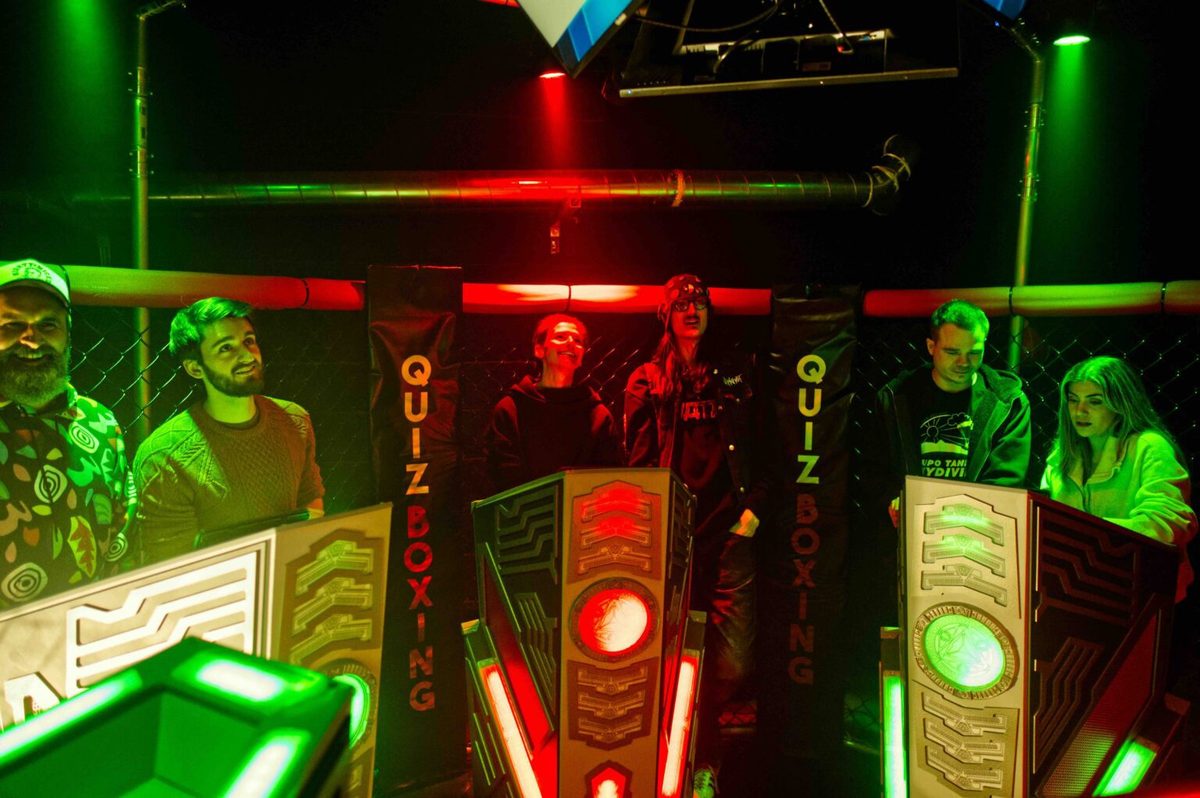
Several escape room companies near downtown offer lighter difficulty levels built for kids as young as eight or nine, with puzzles scaled back from adult versions so a family group can realistically solve them together within the time limit.
Sessions typically run $30 to $35 per person for a group booking, and most companies let a parent join the room with younger kids rather than requiring kids to solve everything entirely on their own, which keeps the experience collaborative rather than frustrating.
39. Rent A Paddleboat At The Tidal Basin (Early Evening, Warm Months)
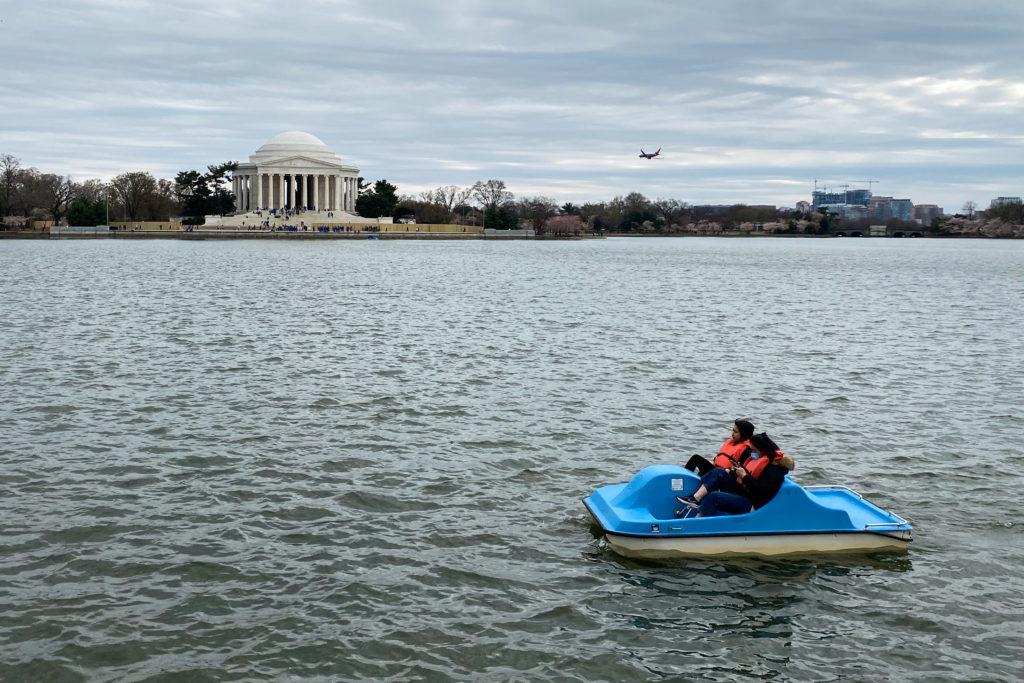
Boathouses around the Tidal Basin stay open into the early evening during spring and summer, letting families paddle out toward the Jefferson Memorial as the light starts to shift into that golden late-afternoon color that photographs so well.
A two-person boat runs roughly $18 to $22 per half hour, and reservations generally aren't required, though arriving before the last rental slot of the day matters if you want to actually make it out onto the water rather than finding the dock already closed for the evening.
40. Attend A Kid-Focused Museum Evening Program
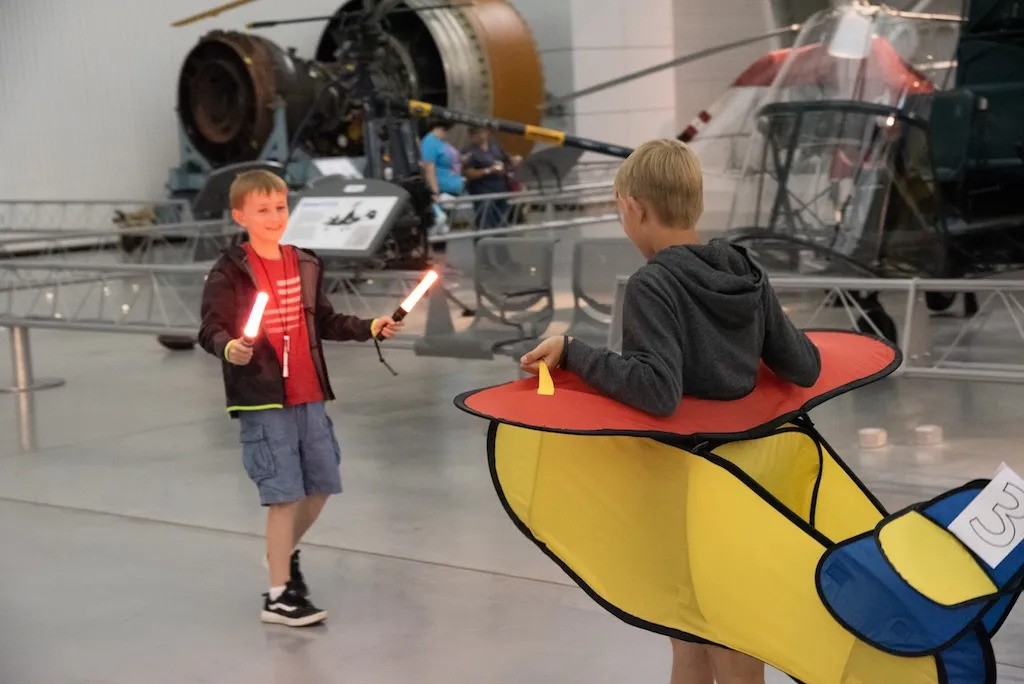
Museums, including the National Building Museum, occasionally run family evening programs built around hands-on activities designed specifically for younger visitors, things like building challenges, craft stations, or short interactive workshops rather than a standard guided tour.
These usually cost $10 to $15 per child, and sometimes run free depending on the sponsor for a given month. Check the specific museum's event calendar before your trip, since these programs run on an irregular schedule rather than every night.
That rounds out all forty picks across every group type, and the sections below cover the practical side of actually pulling an evening together, where to base yourself, how to get between stops, and which season genuinely suits your plans best.
Also Read: Top Costco Locations In Washington, D.C.
Best Neighborhoods For A Washington DC Night Out
Picking the right neighborhood first often makes the rest of the evening plan itself, since most of DC's nightlife naturally clusters into a handful of distinct pockets rather than spreading evenly across the whole city.
Georgetown suits couples and small groups particularly well, with cobblestone streets, waterfront views, and Blues Alley anchoring the jazz scene at the neighborhood's edge. Adams Morgan leans younger and considerably louder, dense with bars and a genuine nightclub atmosphere that picks up well after most other neighborhoods have quieted down.
Dupont Circle balances fine dining with a walkable bar scene, making it a solid pick for a date night that wants some energy without feeling like a full club crawl. The Wharf works best for families specifically, combining restaurants, live music, and waterfront paths into one compact, easily walkable area.
H Street NE has a strong, still-growing restaurant and bar corridor that's genuinely worth visiting, best done with company rather than alone late at night given its distance from the main tourist core. U Street carries deep musical history and a livelier bar scene, popular with a slightly older, more local crowd than the college-heavy energy of Adams Morgan.
Once you've picked a neighborhood, actually getting there and back becomes the last real logistical piece of the plan.
Getting Around Washington DC After Dark
The Metro typically runs into the evening on weeknights and later on Friday and Saturday, though exact closing times have shifted periodically over the past few years, so checking wmata.com on the actual day of your trip is worth the two minutes it takes rather than relying on an old schedule.
The DC Circulator buscovers several tourist-heavy routes at a low flat fare and runs into the evening on most of its lines, making it a solid budget backup to the Metro for shorter hops between neighborhoods.
Rideshare services are widely available across the entire city and often become the simplest option once the Metro stops running for the night, particularly if you're heading somewhere slightly off the main tourist corridors.
Downtown, the National Mall, and most of the neighborhoods covered in this guide are genuinely walkable on their own, which in practice cuts down significantly on how much you'll actually need to rely on transit at all during a typical evening out.
With transportation sorted, the last major variable to plan for is simply what time of year you're visiting.
Best Time Of Year For Nighttime Activities In DC
Spring brings cherry blossom season to the Tidal Basin, which pairs naturally with an evening walk past the Jefferson Memorial while the trees are still lit by the nearby string lighting; this window tends to draw larger evening crowds than most other times of year, so patience with foot traffic helps.
Summer is the strongest season for outdoor programmingspecifically, with outdoor movie nights, the Marine Corps Sunset Parade, and river cruises all running on a predictable weekly schedule from roughly Memorial Day through Labor Day.
Fall cools things down enough for comfortable long walks without the summer humidity, making it a genuinely strong season for the monument-heavy free itinerary covered earlier in this guide.
Winter shifts the focus indoors and toward lights; ZooLights, the National Christmas Tree, and the seasonal ice rinks all cluster in November and December, so a winter trip built around those three alone can realistically fill several full evenings without repeating a single activity.
Frequently Asked Questions
Is DC Nightlife Good For People Over 40?
Rooftop bars, wine bars, jazz clubs, and theatre productions all suit a lower-key crowd well, and neighborhoods like Dupont Circle and Georgetown skew noticeably older and calmer than Adams Morgan's louder club scene.
What Can You Do At Night In DC If You're Under 21?
Monument walks, museum evening events, ice skating, family attractions, and most comedy clubs work without needing an ID, since only the bar portion of most venues actually carries an age restriction on entry.
Is The DC Metro Safe To Ride At Night?
Generally yes on the main lines while other riders are present, though checking the last train time for your specific line before relying on it as your way home matters, since service does thin out considerably later at night.
Can You Drink Alcohol Outdoors On The National Mall?
Open alcohol containers are prohibited on National Park Service land, which includes the National Mall and the surrounding monument grounds, so save the celebratory drink for a nearby bar or restaurant instead.
Are There Curfews For Teenagers In Washington DC At Night?
DC does enforce a youth curfew for minors in public spaces during late-night hours, so families with teenagers heading out independently should check the current city curfew rules before planning a late evening apart from the group.
Final Thoughts
The biggest mistake in planning a DC evening is treating the whole city as one undifferentiated list instead of picking activities that actually fit who's standing next to you. So, start with your group, adults, free budget, family, or young kids, pick two or three items from that specific section, and build outward from there using the neighborhood and transportation notes above.
The monuments themselves aren't going anywhere and cost nothing to visit, which makes them a reliable anchor no matter what else falls into place around them, and honestly, one of the better reasons to give Washington a real evening rather than treating it as a daytime-only city.
Jump to
Key Takeaways
Is It Safe To Explore Washington DC At Night?
Best Things To Do In Washington DC At Night For Adults
Best Free Things To Do In Washington DC At Night
Best Things To Do In Washington DC At Night For Family
Best Things To Do In Washington DC At Night With Kids
Best Neighborhoods For A Washington DC Night Out
Getting Around Washington DC After Dark
Best Time Of Year For Nighttime Activities In DC
Frequently Asked Questions
Final Thoughts

Iram Martins
Author
Iram Martins is a seasoned travel writer and explorer with over a decade of experience in uncovering the world's hidden gems. Holding a Bachelor's degree in Tourism Management from the University of Lisbon, Iram's credentials highlight his authority in the realm of travel.
As an author of numerous travel guides and articles for top travel publications, his writing is celebrated for its vivid descriptions and practical insights.
Iram’s passion for cultural immersion and off-the-beaten-path adventures shines through in his work, captivating readers and inspiring wanderlust.
Outside of his writing pursuits, Iram enjoys learning new languages, reviewing films and TV shows, writing about celebrity lifestyles, and attending cultural festivals.

Frazer Pugh
Reviewer
Frazer Pugh is a distinguished expert in finance and business, boasting over 6 years of experience. Holding an MBA in Finance from Stanford University, Frazer's credentials underscore his authority and expertise in the field.
With a successful track record in executive roles and as a published author of influential articles on financial strategy, his insights are both deep and practical.
Beyond his professional life, Frazer is an avid traveler and culinary enthusiast, drawing inspiration from diverse cultures and cuisines.
His commitment in delivering trustworthy analysis and actionable advice reflects his dedication to shaping the world of finance and business, making a significant impact through his work.
Latest Articles
Popular Articles