7 Proven Ways To Use Social Media To Find A Job In Washington DC
In using social media to find a job in Washington DC. Set saved searches and alerts for DC openings and respond to new leads right away. Follow up politely and track replies so you can move each opportunity toward an interview.
Author:Darren McphersonReviewer:Dexter CookeMay 29, 20253K Shares81.1K Views

More than 70% of employers use social platforms to screen candidates and about 64% of hires come from referrals that often begin through digital networking. Smart use of networks increases your visibility and helps you find jobs that are not advertised.
The contacts you make in DC can speed your application, give inside information on culture and connect you with hiring managers before positions are posted. Below are proven strategies that work in DC’s professional scene.
1. Optimize Your LinkedIn Profile
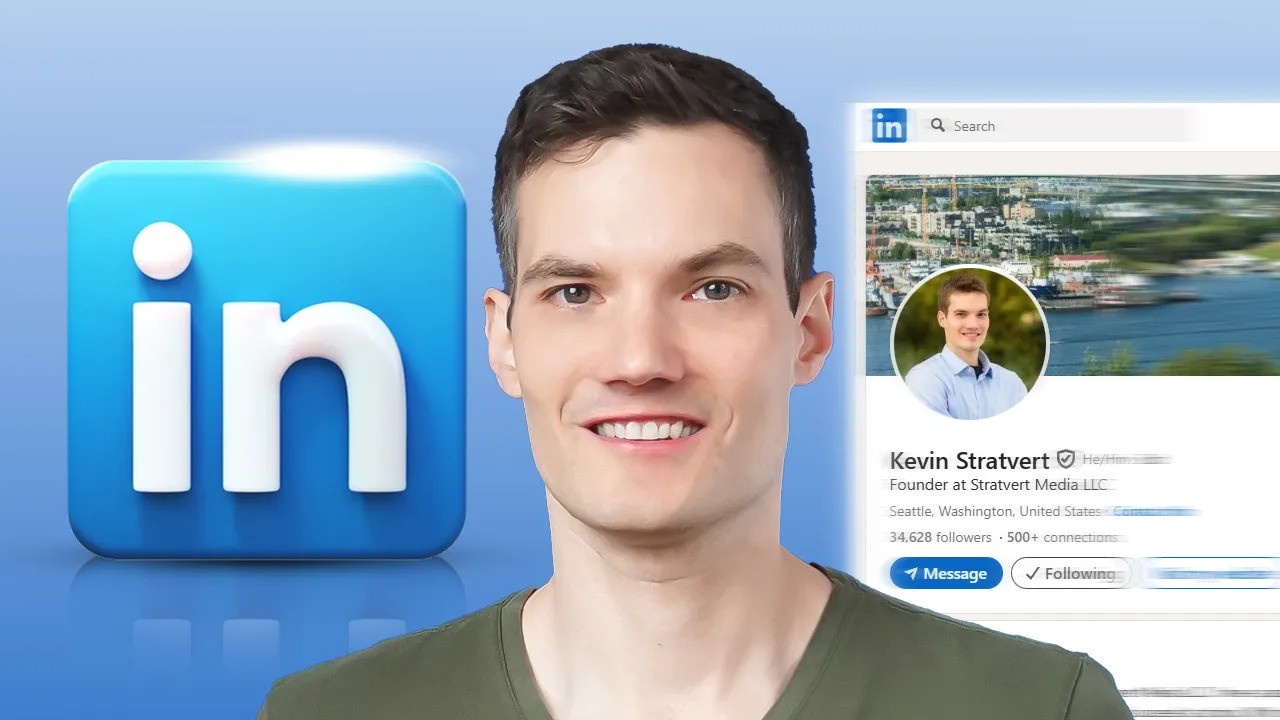
Use a headline that shows what you do and who you help, for example, Policy Analyst, Federal Healthcare Reform. Add location terms like Washington, Capitol Hill or the agency names you target. In the About section say if you have a security clearance and note experience with government relations, policy work, or federal programs.
Call out skills familiar to hiring teams here, such as appropriations, congressional liaison work, or grant management. In Experience, replace job blurbs with short results like managed a $2.3M federal grant, briefed congressional staff or coordinated across 15 agency partners.
Ask colleagues at known DC organizations to approve relevant skills and to write recommendations that speak to your performance in government settings. Join active Washington groups, comment on posts and share useful articles. Set job alerts for local roles, then reach out to hiring managers with a brief note about your application and fit.
2. Use X To Connect With DC's Policy Community

Make a professional X account and state your focus and location in the bio, plus a link to your LinkedIn or portfolio. Follow people who hire, policy directors, communications leads and HR staff at think tanks, agencies and contractors.
Use Advanced Search to spot early job posts with phrases like hiring in Washington or legislative assistant opening. Repost important tweets with a short insight of your own and add thoughtful comments on threads that match your expertise.
Watch the X Hiring listings and follow DC job accounts that curate local openings. When you see a relevant post, send a short direct message offering to share your resume and citing the specific experience that fits. Post useful content from events, reports or your own work so hiring people see evidence of your thinking.
3. Join DC Employers And Networkers Facebook Groups

Local professionals post job leads, give advice, and invite people to events on Facebook. Start with groups such as Network for DC Young Professionals. Reply to posts with a short note about your skills instead of a one-word response. Startups, investors and job hunters use it to share who is hiring and what the work is like.
Many industry groups exist too, for example DC Marketing Professionals, DC Nonprofit Careers, Federal Career Opportunities and DC Government Contractors Network. Join five to eight groups that match your goals and turn on notifications for the most active ones.
Build connections by commenting on posts, sharing articles when they help others, and congratulating people on new roles. Those small actions make others more likely to help when you post about your search. When you write your own job update, be specific. Check each group’s Events section for panels, fairs, and networking chances.
4. Use Instagram To Show Your Professional Brand

Many recruiters use Instagram, especially for communications, creative, marketing and nonprofit roles. Turn your profile into a professional page that still feels personal. Add your job focus, your location, and a link to your LinkedIn or portfolio. Switch to a business account to see simple analytics. Follow target employers to learn about their culture.
Agencies and nonprofits often post team photos, event highlights and day-to-day activities that do not appear on official websites. Use those details in interviews to show real interest. Turn on post notifications for top employers so you see new openings quickly. Comment on job posts with thoughtful notes to get noticed.
Use your posts to show relevant skills and involvement without over-selling. Share event coverage, writing samples, or volunteer work that ties to your field. Tag organizations only when the content truly fits. Use a few targeted hashtags such as #DCJobs or #PolicyJobs to reach the right audience. Create Story highlights that act like a visual resume.
Related Reading: The Role Of Communication And Media In Business
5. Tap Into Washington's Specialized Networking Platforms
DC has its own niche job sites and groups that focus on government, policy, and public affairs. Traverse Jobs posts roles for Capitol Hill, government relations, policy, and public relations and sends a daily email with curated openings that often do not appear on big sites.
CareersInGovernment.com lists federal and DC government jobs and offers filters for agency, department, title, and location, plus guidance on the GS pay scale and federal hiring steps. Meetup.com hosts many local professional groups that hold regular events where you can meet hiring managers, recruiters, and peers in person.
Data Community DC runs meetups for data and tech professionals, and specialized groups like DC-NLP and Data Visualization DC connect technical candidates with government and contractor hiring teams. Washington Network Group offers members-only receptions for mid and senior professionals, useful for mentorship and hiring contacts.
6. Master Social Media Direct Messaging For Job Leads

Direct messages on LinkedIn, X, Instagram and Facebook can lead to interviews, referrals and even roles in small business social media marketingif you use them carefully. Start by finding the right person, usually the hiring manager or an alumnus at your target organization.
Send a short, personal note that mentions a specific detail about their role or work and asks for a brief informational call. On LinkedIn, use the note feature when sending a connection request and avoid generic lines. After a new connection accepts, thank them, engage with their posts for a short time, then request a short chat.
On X, reply to a post or thread that shows the person’s thinking, then ask for a quick call. Instagram works well after you have commented thoughtfully on several posts. For Facebook group members, refer to the group post to create context for your message. Respect people’s time, if they decline, thank them and ask for a referral.
7. Monitor Social Media Job Announcements

Many DC employers post openings on social media before listing them on sites like Indeed or USAJobs. Set saved searches on LinkedIn with specific keywords and turn on alerts. Check X’s advanced search for recent posts using phrases tied to your role and save those searches.
Use Boolean terms on LinkedIn to narrow results and exclude unwanted fields. Automate monitoring with RSS feeds or IFTTT for the career pages of 20 to 30 target employers so you get immediate notices when they publish something new.
Learn how to create Google Alertsfor phrases like a target employer plus hiring or your job title plus Washington DC. Join Facebook groups and Discord servers that run hiring threads and check them weekly. When you spot a fresh posting, apply and reach out to any contacts within 24 hours.
Strategic Engagement Across Platforms
Before you use site-specific tactics, learn the basic method that makes job hunting on social media work. On every channel do three things, follow target organizations and key decision makers, engage genuinely with content that matters, and share useful posts that add value to your network.
How To Apply This Approach
Find the organizations and people you want to reach, read and react to their posts regularly, post your own clear insights to show your skills, and build relationships first before asking for help. This turns you from an anonymous applicant into a known member of DC’s professional scene.
FAQs About Using Social Media For DC Job Search
How Do I Avoid Looking Desperate When Networking On Social Media?
Like and comment on posts, share helpful articles or introduce people who might benefit from each other. Wait a bit after connecting before you ask for time or help.
Should I Make My Instagram Profile Public While Job Searching?
Employers will find your pages, so hide or remove anything unprofessional. Keep posts that show your skills and a bit of your personality, like hobbies or travel.
How Often Should I Post On Social Media During My Job Search?
On LinkedIn, aim for two to three posts each week. On X, post or reply several times a week. On Instagram, one or two good posts weekly is fine.
Can Social Media Networking Replace Traditional Job Applications?
Use social channels to get referrals, learn about an organization and connect with hiring people. Then apply through the employer’s official process.
How Do I Know If My Social Media Activity Is Actually Helping My Job Search?
Track results, new contacts at target organizations, informational chats set up, leads shared and interviews that came from your outreach.
Is It Okay To Ask For LinkedIn Recommendations From People Online?
Ask only people who can honestly vouch for your work, like supervisors, coworkers, clients or instructors.
Final Thoughts
Social media can change your DC job search if you use it every week. The main difference between candidates who land strong Washington roles and those who do not is visibility and who they know, not just qualifications.
Small, steady actions quickly grow your contacts, surface inside information and reveal roles that never appear on public job boards. Washington rewards initiative, relationships and smart positioning.The jobs that stay hidden go to candidates who show expertise, stay active online and form real connections.
Jump to
1. Optimize Your LinkedIn Profile
2. Use X To Connect With DC's Policy Community
3. Join DC Employers And Networkers Facebook Groups
4. Use Instagram To Show Your Professional Brand
5. Tap Into Washington's Specialized Networking Platforms
6. Master Social Media Direct Messaging For Job Leads
7. Monitor Social Media Job Announcements
Strategic Engagement Across Platforms
FAQs About Using Social Media For DC Job Search
Final Thoughts

Darren Mcpherson
Author
Darren Mcpherson brings over 9 years of experience in politics, business, investing, and banking to his writing. He holds degrees in Economics from Harvard University and Political Science from Stanford University, with certifications in Financial Management.
Renowned for his insightful analyses and strategic awareness, Darren has contributed to reputable publications and served in advisory roles for influential entities.
Outside the boardroom, Darren enjoys playing chess, collecting rare books, attending technology conferences, and mentoring young professionals.
His dedication to excellence and understanding of global finance and governance make him a trusted and authoritative voice in his field.

Dexter Cooke
Reviewer
Dexter Cooke is an economist, marketing strategist, and orthopedic surgeon with over 20 years of experience crafting compelling narratives that resonate worldwide.
He holds a Journalism degree from Columbia University, an Economics background from Yale University, and a medical degree with a postdoctoral fellowship in orthopedic medicine from the Medical University of South Carolina.
Dexter’s insights into media, economics, and marketing shine through his prolific contributions to respected publications and advisory roles for influential organizations.
As an orthopedic surgeon specializing in minimally invasive knee replacement surgery and laparoscopic procedures, Dexter prioritizes patient care above all.
Outside his professional pursuits, Dexter enjoys collecting vintage watches, studying ancient civilizations, learning about astronomy, and participating in charity runs.
Latest Articles
Popular Articles